
The importance of looking after a horse's hooves
Horses spend most of the day standing. Except for the brief periods when they are lying down sleeping, their entire weight is supported by their legs, specifically, by their hooves.
The hoof is the outermost horny layer of the foot whose function is to protect such delicate internal parts as the bones, tendons, blood vessels and nerves.
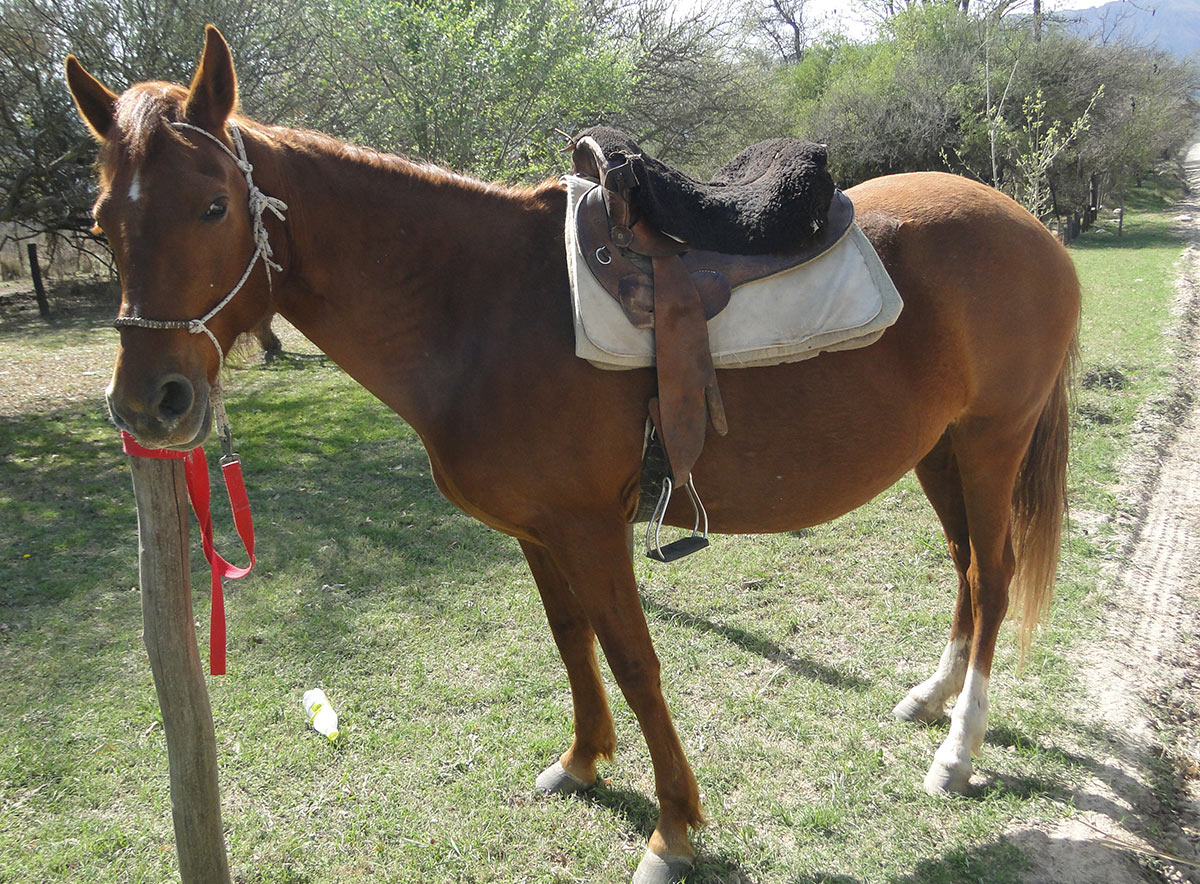
This means that it is important to have strong and healthy hooves.
Horses' hooves grow continuously and in their natural state they wear down on their own, but they need to be trimmed every five or six weeks in horses that wear shoes.
Before shoeing, daily cleaning is essential.
If we do not maintain the good condition of the horse's hooves, the horse will begin to experience a series of physical difficulties that can become serious.
Parts of the horse's hoof
Before going into detail about hoof care, let's look at each of the parts.
The hoof is mainly divided into three parts:
- Wall: the outer part of the hoof from the coronet down.
- Sole: the lower part of the hoof, the concave part that protects the hoof from injury.
- Frog: its function is to cushion and prevent the hoof from slipping, with a mechanism that allows the hoof to contract and extend when walking.
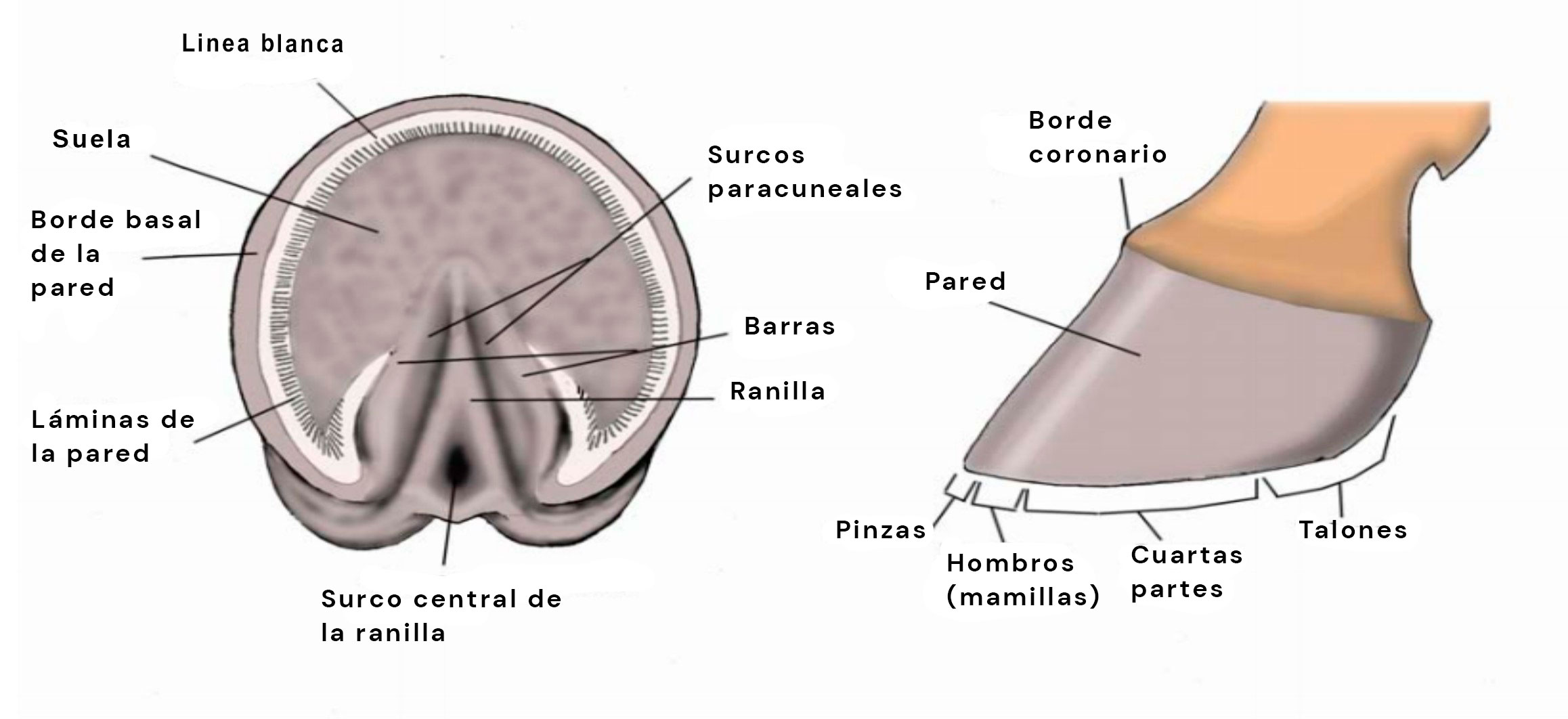
Both the wall and the sole of the hoof are made of hard keratin, while the frog has a softer but more elastic type of keratin.
In the illustration, you can see that the sole is surrounded by a white line and a basal edge of the wall, which is where the horseshoe nails are placed.
What happens if we don't take care of the horse's hooves?
A hoof in poor condition can cause damage to the horse in many ways. Perhaps not all of them are caused by the hoof, but one direct ailment will lead to another, and so on.
A poorly fitting hoof can cause a chain of different physical problems.
Dr. Lena Clifford, in an article published in Horse & People, explains it clearly with an example:
- A horse has problems supporting its right front leg.
- To feel less discomfort, it will instinctively shift its weight to the left leg.
- Its posture is forced and its shoulders will not be aligned.
- When it is saddled, it will probably be difficult to adjust the saddle, which will lean to one side.
- This inclination will be noticeable when walking. However, that does not matter. It is more serious that wear is greater on one foot than on the other and the so-called “high-heel, low-heel syndrome” is produced. This syndrome means that the horse will have a flatter hoof due to wear.
- This uneven weight distribution causes the rib cage to twist, with pressure that will affect the spine. The horse will have trouble breathing, affecting the health of both the muscles and the nervous system.
- And finally, the digestive system can be affected by the pressure on the rib cage, leading to problems when eating and increasing the possibility of colic.
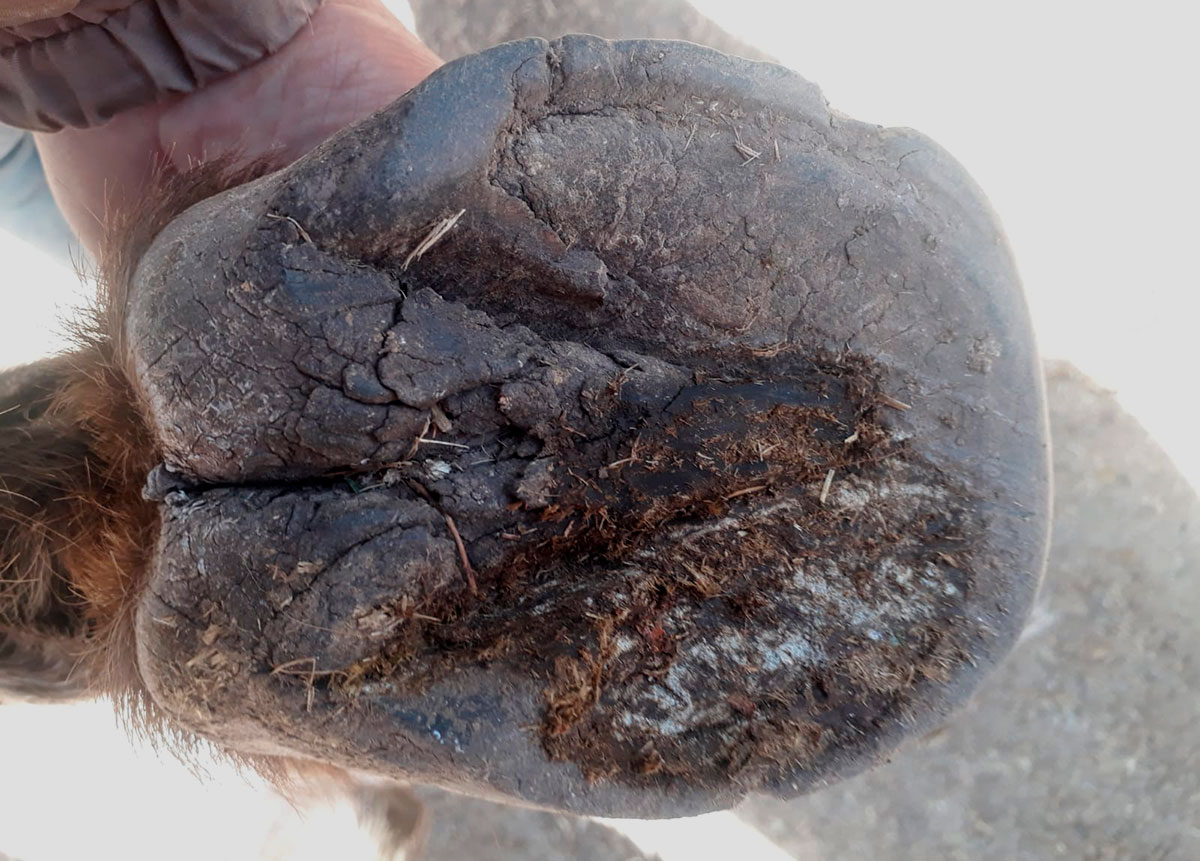 With this I think the importance of hoof health is very clear.
How can I tell if my horse's hoof is healthy?
Although it is best to have expert farriers look after the health of your horse's hooves, as an owner you should know how to detect possible anomalies to avoid problems with your horse's hooves.
That is why we recommend observing the horse's legs and checking that certain parameters are met.
A healthy hoof should:
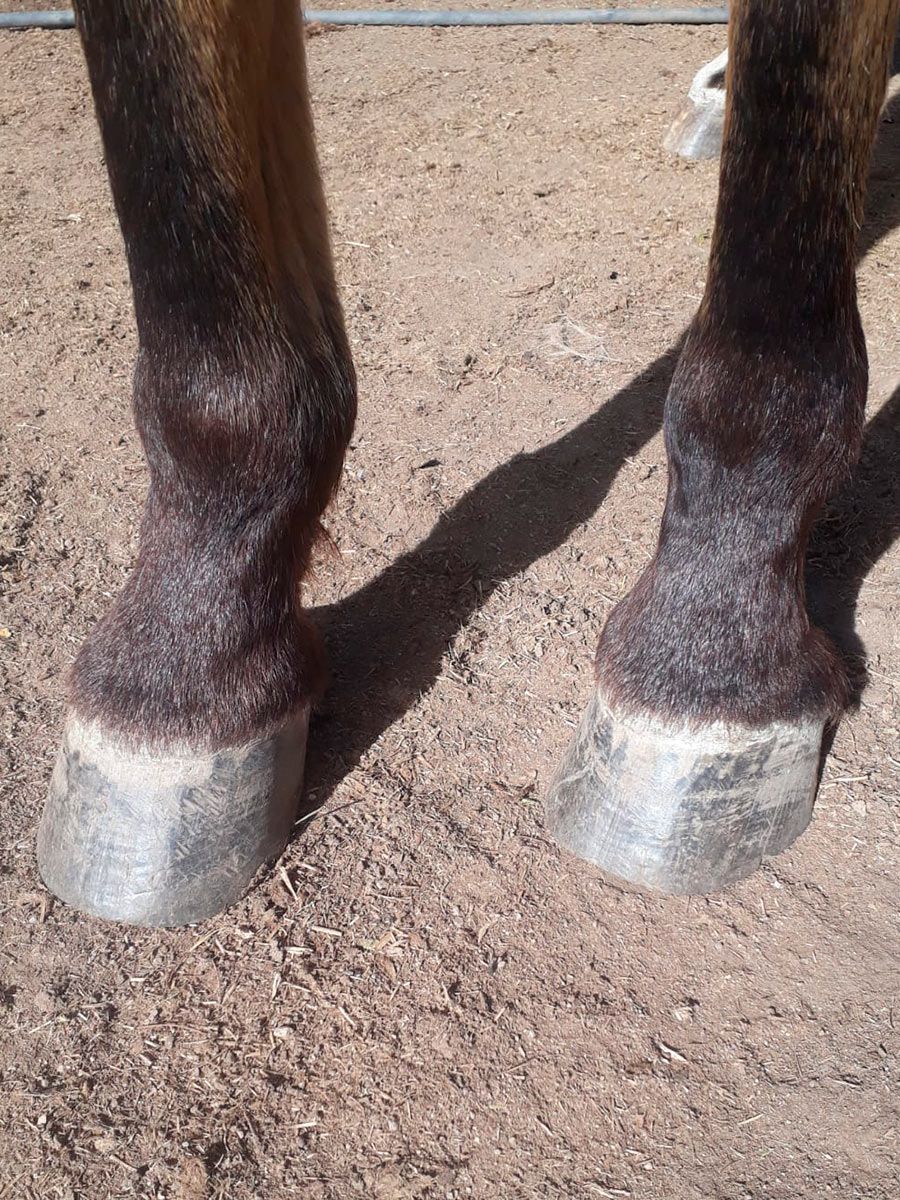
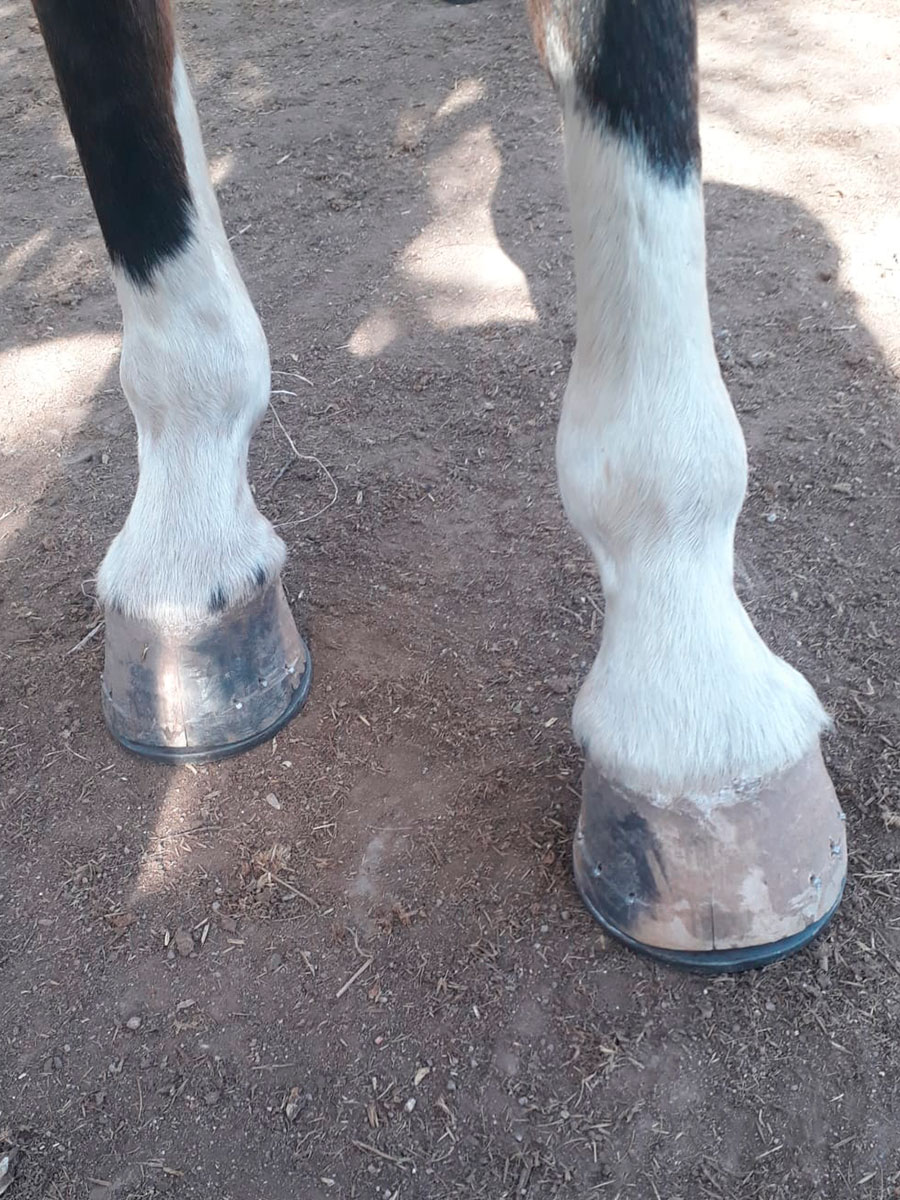
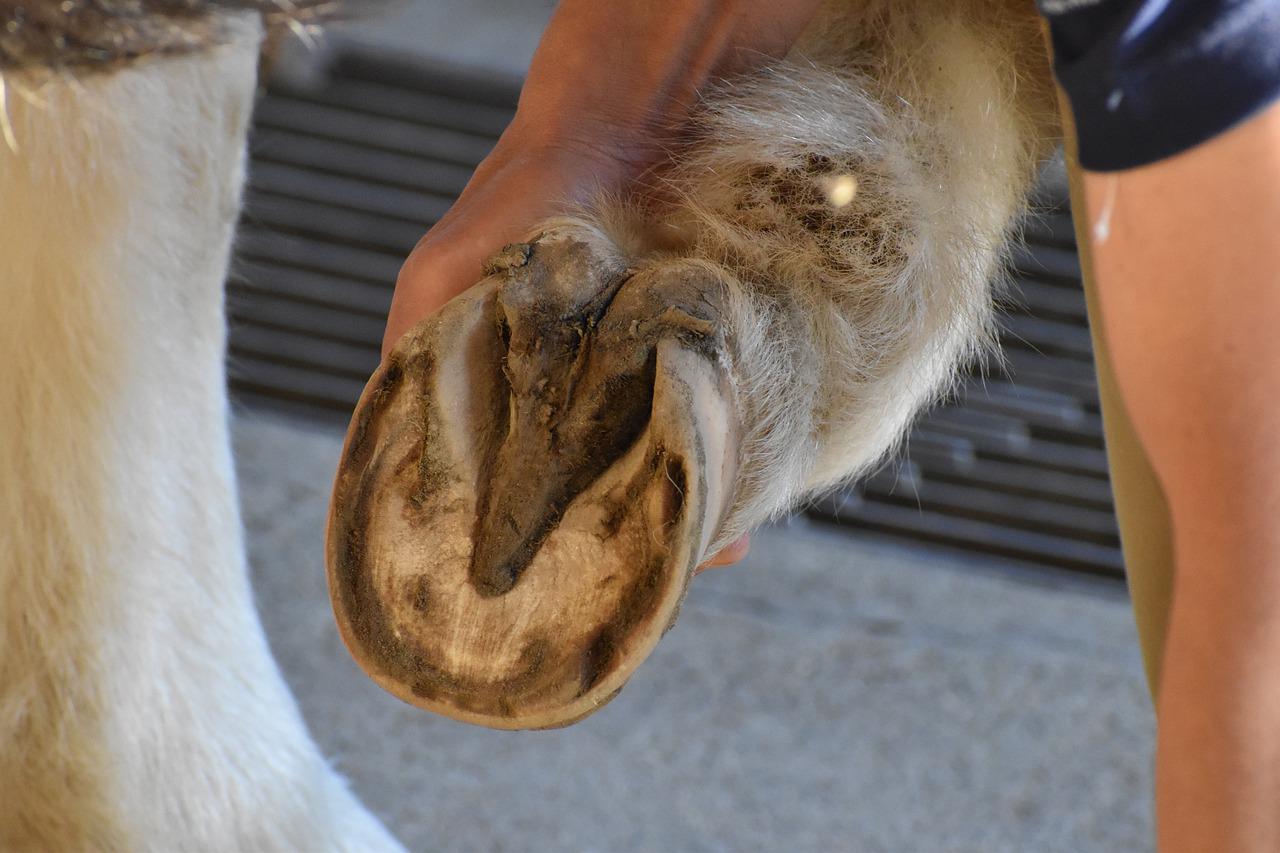
- Be almost symmetrical in shape, with a smooth, even and conical outer wall.
- Have a concave sole from the outer wall to the junction of the apex of the frog and the sole.
- The white line should be semi-opaque, bluish in color, with a uniform width around the circumference of the wall and ending two-thirds along the length of the frog.
- The sole of the hoof should connect to the white line at the same height as the wall of the hoof and the bars should be straight and aligned with the frog.
- The frog should be wedge- or triangle-shaped and the ground surface should end just below (when viewed from below) the level of the heels.
What to do to keep the horse's hooves in good condition
Daily scraping
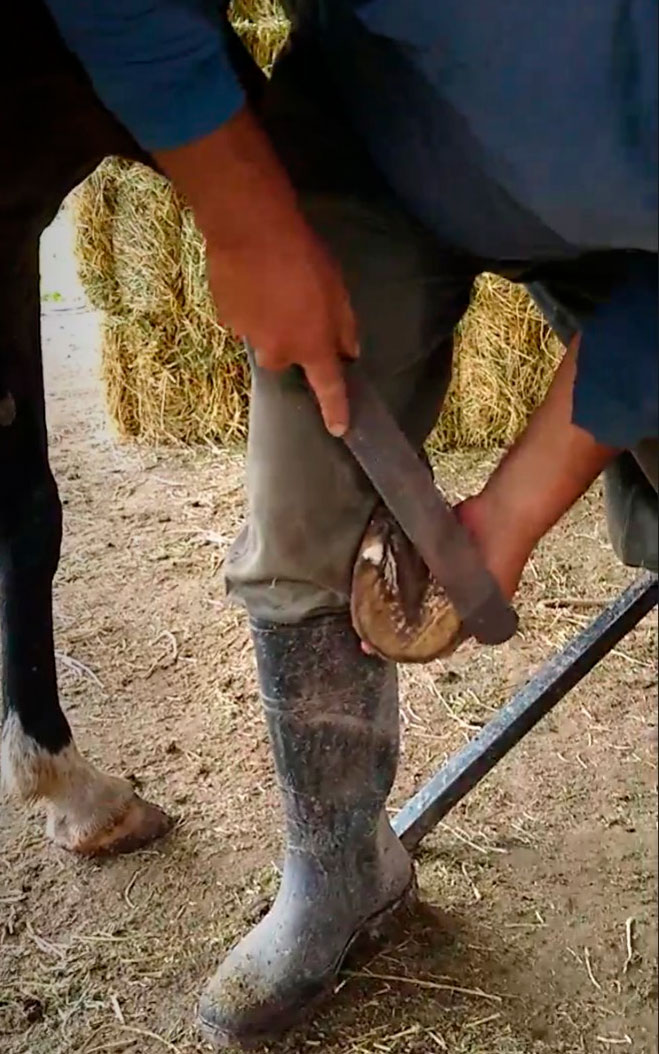
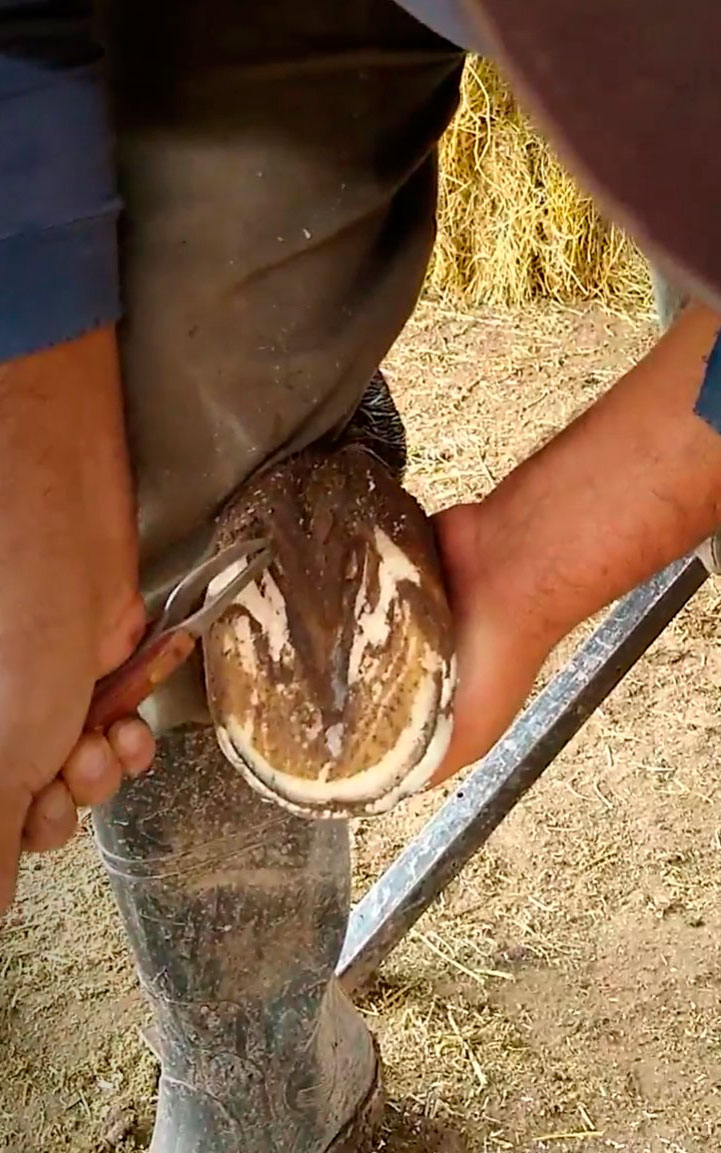
The most important thing is to keep the hooves clean. Dirt must be removed from the heel to the sole with a “hoof pick”.
The frog is one of the most sensitive parts of the hoof. Stones or sharp objects often become embedded in its collateral grooves, which can hurt the horse, and it is also where bacteria can develop, being a constant source of infection if not cleaned often.
Cleaning the stable
Having a dry and clean place for your horse to rest is essential. The stable and the paddock should be as clean as possible, as the ammonia that results from urine and feces attacks the hooves.
The smallest cracks provide an ideal breeding ground for bacteria and can cause thrush.
Nutrition
A varied and balanced diet helps to keep the hoof's cornea in good condition, providing the necessary nutrients.
The nutrients in the forage are not sufficient for the correct growth of the hooves.
In our horse's diet we must ensure that it is of high quality and balanced, and that it does not lack certain nutrients:
- Vitamin B7 (biotin): influences the elasticity of the hoof, preventing cracks. It is generated in the horse's intestine, but nutritional supplements of this vitamin can be added.
- Minerals: copper, zinc and manganese. If their food does not contain enough minerals, a special feed can be added to the diet.
- Calcium: promotes the integrity of the hoof wall so that bacteria and fungi cannot enter.
In addition, it is important that the horse is hydrated, especially in hot weather or when it is going to perform physical exercises.
Physical exercise
Another important aspect is the physical activity of the horse.
Exercise is very important for the development of a healthy hoof and joint. It promotes blood circulation, which is essential for the transportation of the nutrients necessary to keep the hoof healthy, elastic and in optimal condition.
Conclusions
“No foot, no horse”. This well-known and wise statement is the title of the book by authors Gail Williams and Martin Deacon, where they detail how bad shoeing can cause a problem with our horses' balance.
But before the farriers do their job, the owner must keep his horse's hooves in perfect condition.
In this article we have seen the importance of keeping hooves healthy and strong and the connection between this care and the horse's well-being. Because a horse's hooves are one of the keys to long-term health and strength, and everyone, farriers and carers alike, should bear this in mind.
We also consider it very important to look in depth at the method that should be used to shoe a horse properly. There are different theories about whether or not to shoe a horse.
Comments (0)
No comments yet.
You might also like
Paul Coudenys and Entre Orejas: Unique Horseback Riding Experiences in South America
Why Do Horses Rear Up? Causes and Solutions
Separation Anxiety in Horses
The Evolution of the Horse: Interview with Dr. Marcos Imberti
The Reflection of Human Emotions in Horses: Allies in Assisted Therapy and Equine Therapy


Comments
Leave your comment