
Horseback Holidays in Mexico - Discover Equestrian Tradition and Diversity
Horseback Vacations in Mexico
Argentina is a country with an equestrian tradition.
Exploring it on horseback is an unforgettable experience.
Download the Ebook: Discover Argentina on Horseback
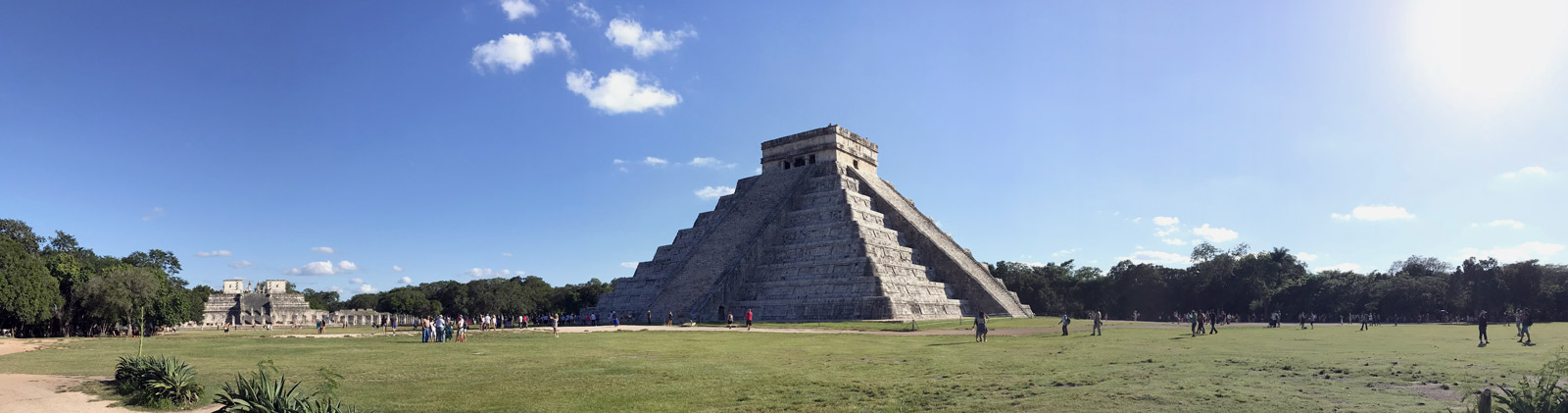
Mexico is a paradise for horseback riding enthusiasts, its riding tradition invites you to explore the country on horseback discovering its incredible landscapes.
Why Explore Mexico on Horseback
Located at the southern tip of North America, Mexico is a paradise for horseback riding lovers.
It is full of a multitude of different landscapes and places: deserts, snow-capped volcanoes, ancient ruins, industrialized cities, colonial towns frozen in time, dazzling resorts, lonely beaches, and a collection of world-famous flora and fauna.
This mix of modern and traditional is the key to Mexico's charm.
Mexico is rich in traditions, history, art, and religion. It offers a complete tourist infrastructure that guarantees a comfortable and safe stay for those visiting its various destinations.
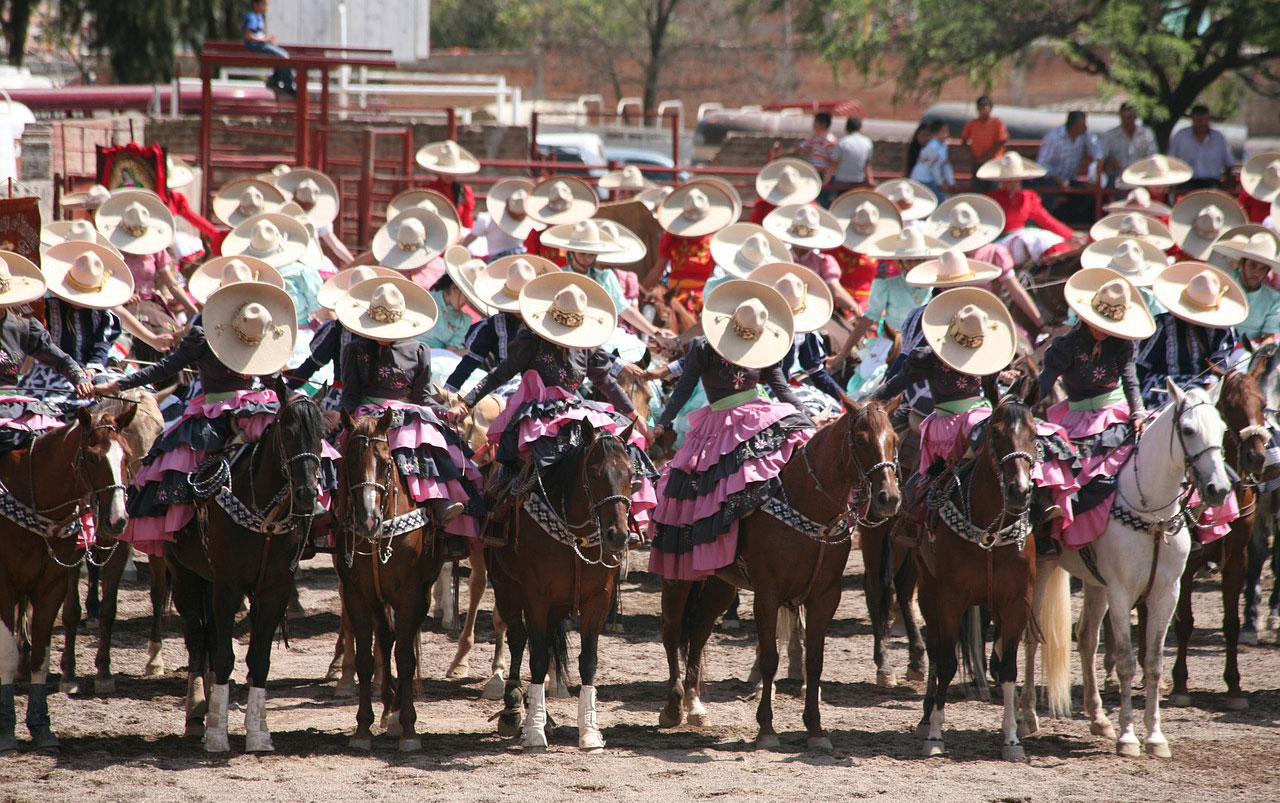
Women at a charreada in Mexico
The equestrian tradition in Mexico dates back to the 16th century when Spanish conquerors reintroduced the horse to North America. This tradition remains alive and can be seen in the rodeos and charreadas of the Mexican country.
Horses are a way of life in Mexico; exploring this wonderful country on the back of a Criollo Horse, the Aztec Mexican horse (disciplined but energetic), or any of the breeds they raise with such dedication will be an exciting experience for all riders visiting Mexico.
Mexico is the main tourist destination in Latin America and the sixth most visited in the world. This is largely due to the 34 cultural or natural sites considered by UNESCO as World Heritage.
Some Interesting Facts About Mexico
Geography
Officially called the United Mexican States, it is a representative, democratic, federal, and secular republic composed of 32 federal entities (31 states and the federal capital).
Its capital is Mexico City.
The Mexican territory has an area of 1,964,375 km2, making it the third largest country in Latin America.
It borders the United States of America to the north along a 3,155 km border. To the south, it has a 958 km border with Guatemala and 276 km with Belize.
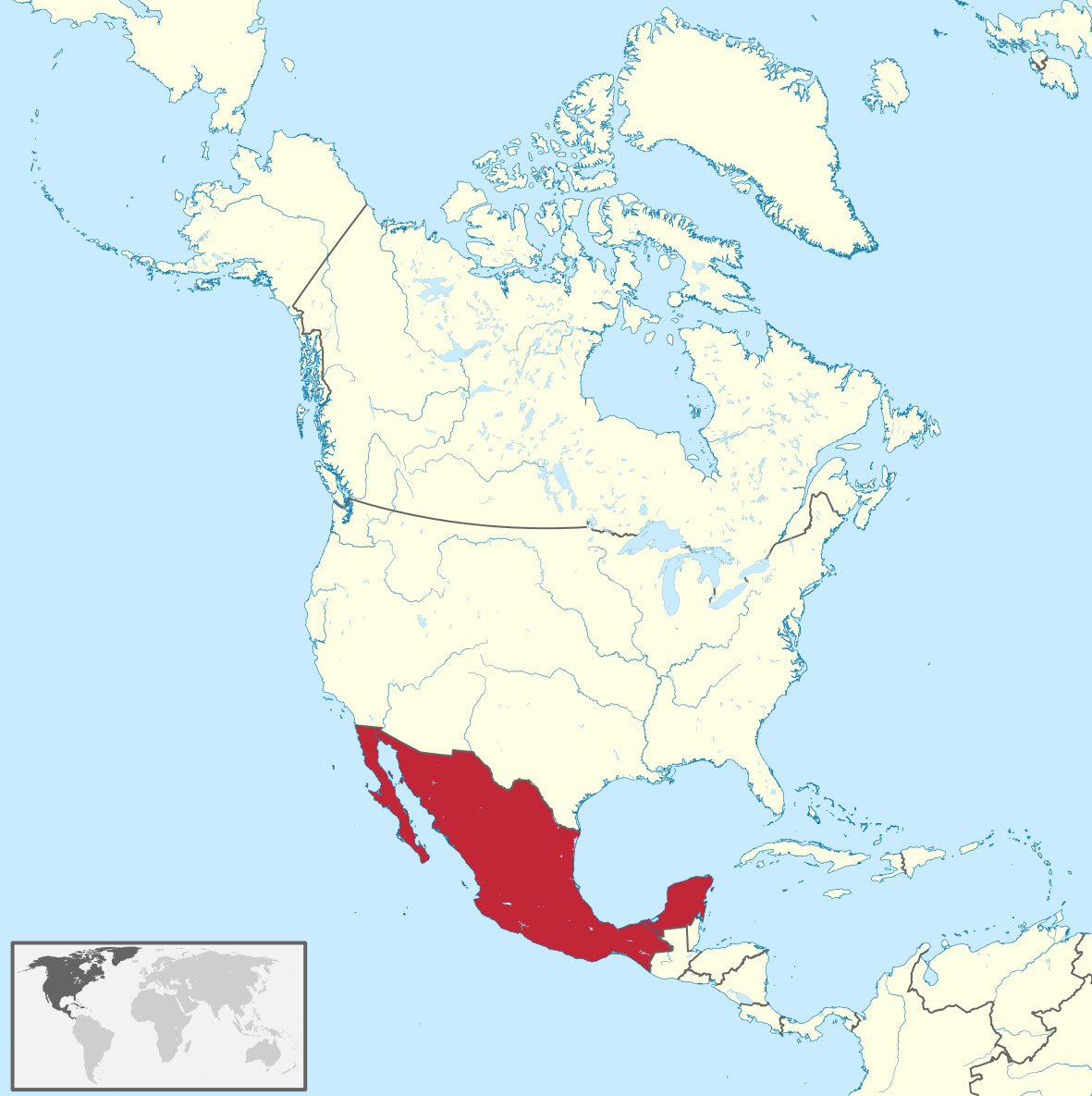
Its coasts are washed to the west by the Pacific Ocean and to the east by the Gulf of Mexico and the Caribbean Sea, totaling 9,330 km, making it the third American country with the longest coastline.
Population
Mexico is the eleventh most populous country in the world, with an estimated population of over 125.3 million people in 2018. Most of its residents have Spanish as their mother tongue, a language recognized by the state as a national language, along with 68 indigenous languages.
Around 287 languages are spoken in the country; it is the most populous Spanish-speaking country and the seventh with the greatest linguistic diversity in the world.
History
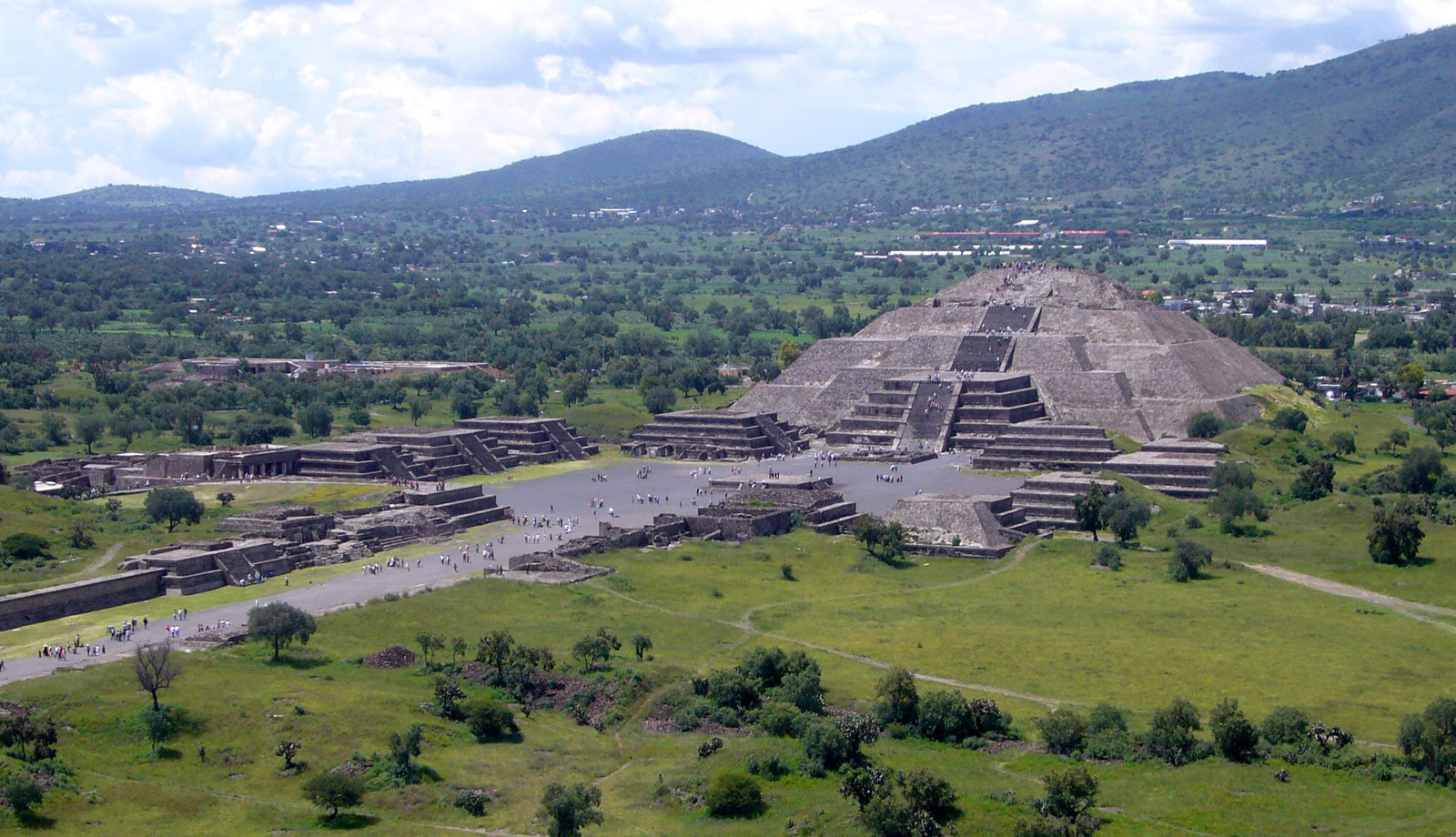
Human presence in Mexico dates back about 14,000 years. After thousands of years of cultural development, the Mesoamerican, Aridoamerican, and Oasisamerican cultures emerged in Mexican territory.
The current territory of Mexico was the main and largest stage of the Mexican people and, in part, the Maya people, the two most important civilizations of pre-Columbian America.
After nearly 300 years of Spanish domination, Mexico began its struggle for political independence in 1810.
Subsequently, for about a century, the country was involved in a series of internal wars and foreign invasions that had repercussions in all areas of Mexican life.
For much of the 20th century (mainly the second third), there was a period of great economic growth within the framework of a policy dominated by a single political party.
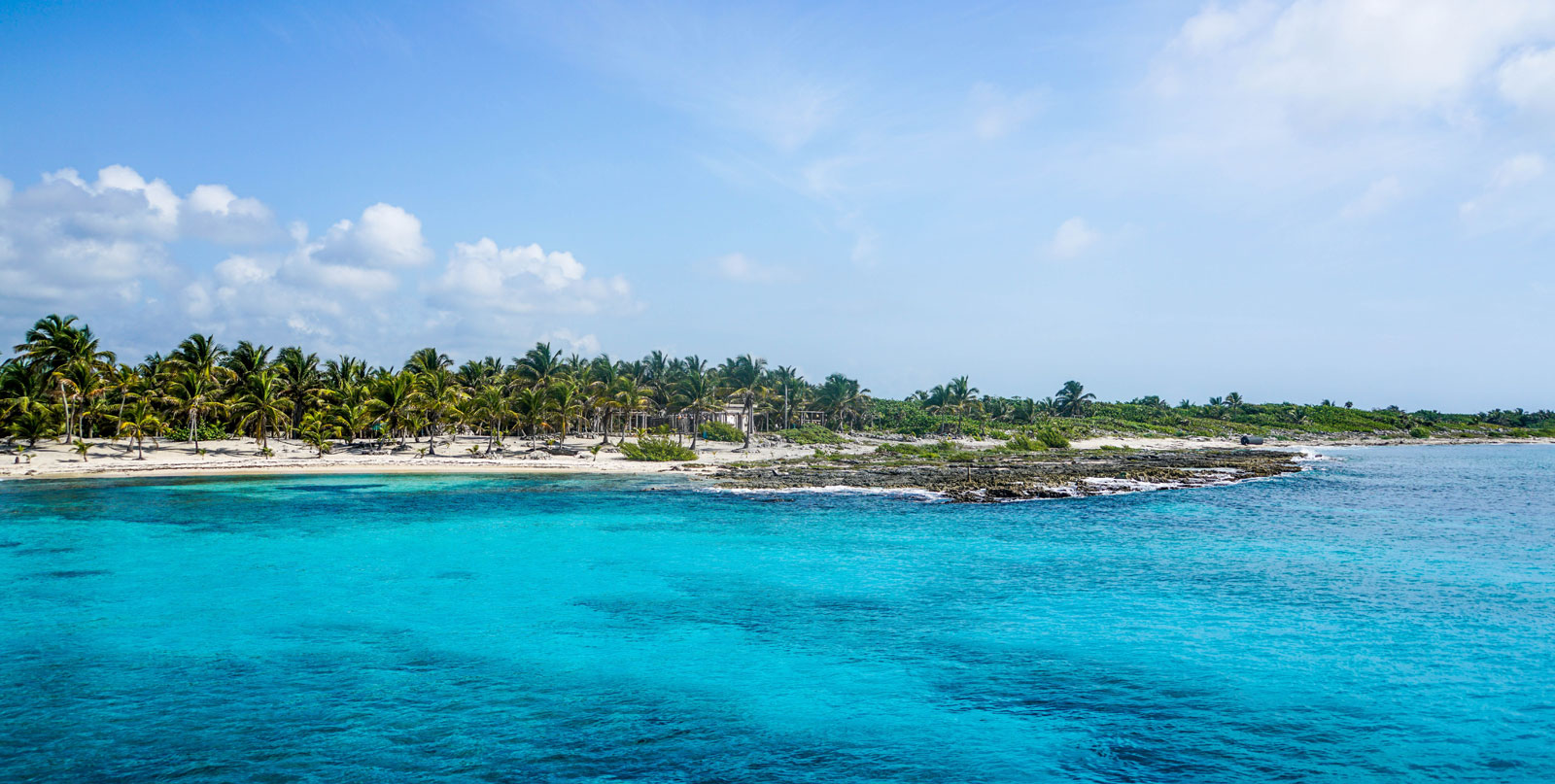
Mexico is also one of the countries with the greatest climate diversity in the world, considered one of the 17 megadiverse countries on the planet, with 10-12% of the world's biodiversity and more than 12,000 endemic species.
The Mexican Horse Breed
The first horses that arrived in Mexico were brought by the Spanish during the conquest in the 16th century, giving rise to the Mexican Criollo horse, a horse very similar to the North American Mustang and South American Criollos.
But from 1920, once the armed movement ended, the horse of US origin known as the Quarter Horse arrived in Mexico. It became the most popular breed and Mexico was left without a horse with its own identity.
It was in 1969 when the dream of many Mexican riders came true thanks to the visionary idea of a rider, Antonio Ariza, who, with the support of the Mexican government, managed to breed his own horse breed.
The Aztec horse began to be bred and Mexico finally had its own equine breed.
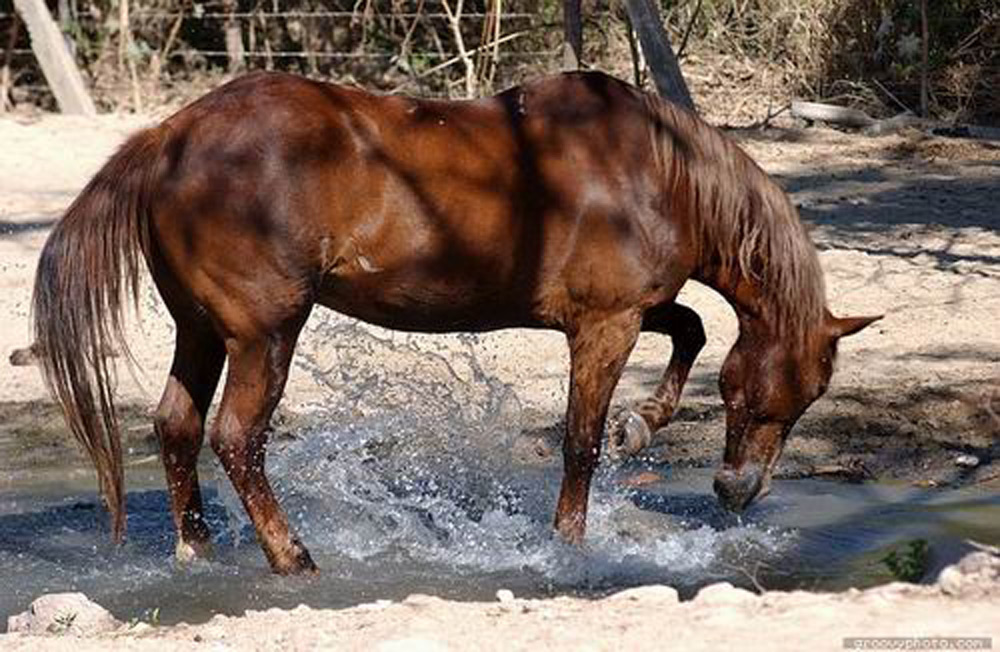
The Aztec Horse
The Aztec horse was created from the Andalusian stallion Hilandero born in Jerez de la Frontera (Spain) and a North American Quarter Horse mare.
The first Aztec stallion, named Casarejo, was the progenitor of this breed and currently most Aztecs have his blood. The crossbreeding of Andalusian horses with Quarter Horses and Aztecs has formed this excellent breed.
It is a highly demanded saddle horse for various disciplines such as charrería, rejoneo, and haute école.
The characteristics of this equine breed fully satisfy the requirements of the Mexican national sport (charrería): a comfortable height, a fast horse, strength, appropriate temperament, nobility, and good appearance.
With the support of experts in animal science and genetics, Mexican riders analyzed various crossbreeding options and it was considered that breeding should start by crossing purebred Andalusian stallions with Quarter Horse mares.
The Andalusian stallion for its great stature, special airs, spectacular movements, and unique beauty, and the Quarter Horse mare for strength and versatility. The Aztec is a very well-achieved horse that encompasses these characteristics.
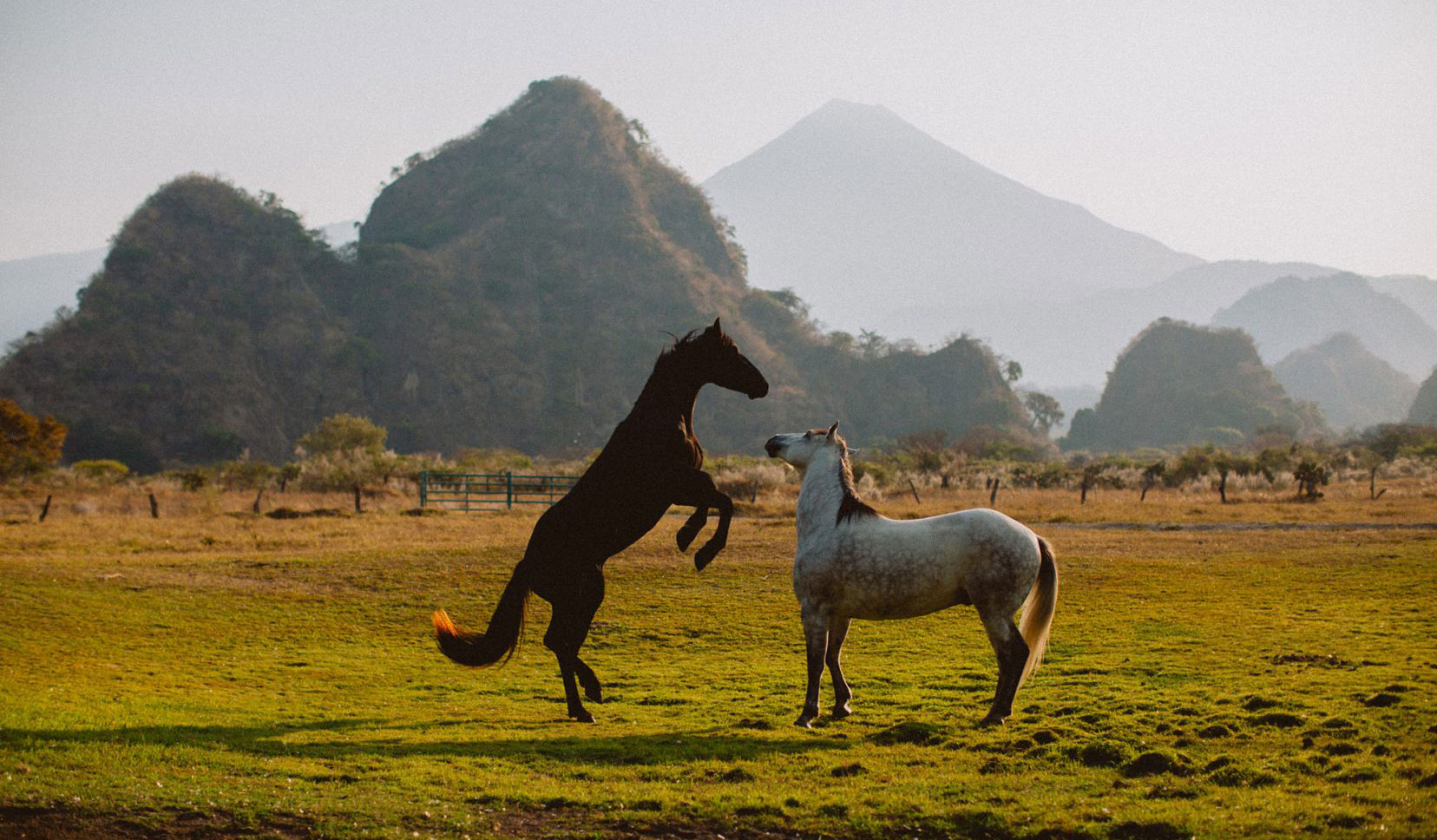
Horseback Routes in Mexico
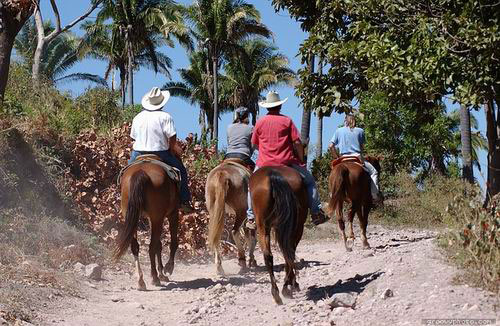
Mexico is a world-class tourist destination. Horseback riding enthusiasts will discover all kinds of landscapes on its horseback routes alongside beautiful equine specimens raised and trained with great dedication, its flora and fauna, an unimaginable diversity of climates, and, of course, its history.
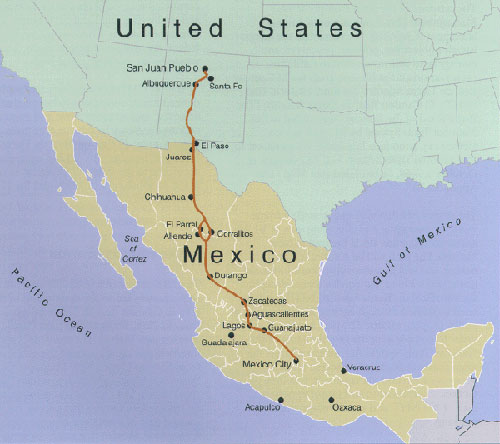
Discover the real Mexico through very well-designed equestrian routes, on trails that combine views, beautiful virgin nature, and the passage through historic towns declared World Heritage by UNESCO, along the historic Silver Route.
Ride on horseback along its immense virgin beaches on the coasts of the Atlantic Ocean or the Pacific Ocean, enjoying the natural beauty and the wildlife experience, feeling the sound of the sea, its fresh breeze with the softness of the step of these beautiful equine specimens accustomed to traveling them, at a walk or a gallop.
Venture deep into Mexico staying at Mexican ranches, sharing the daily tasks of the Mexican charro, such as better communicating with his adventure companion, the Mexican Criollo horse.
The Mexican horse, the Criollo horse, is a mix of two cultures. Since its arrival in the country in 1500, it became the inseparable friend of the charro and has been an important part of Mexico's history. The horse for the Mexican charro is an inseparable friend and part of Mexico's history.
Mexico offers it all, for all levels of riders, and when it comes to hospitality, its hosts will leave you with a memory forever.
Equestrian Tourism Providers in Mexico
From the wide variety of destinations to enjoy horseback vacations in Mexico, we have selected the following providers:
- RANCHO LAS CASCADAS ( www.rancholascascadas.com )
- TIERRA CHAMAHUA ECO ADVENTURES AT RANCHO LOS BAÑOS ( www.tierrachamahuaecoadventures.com )
- HACIENDA SAN ANTONIO ( www.haciendadesanantonio.com )
- RANCHO EL CHARRO ( www.ranchoelcharro.com )
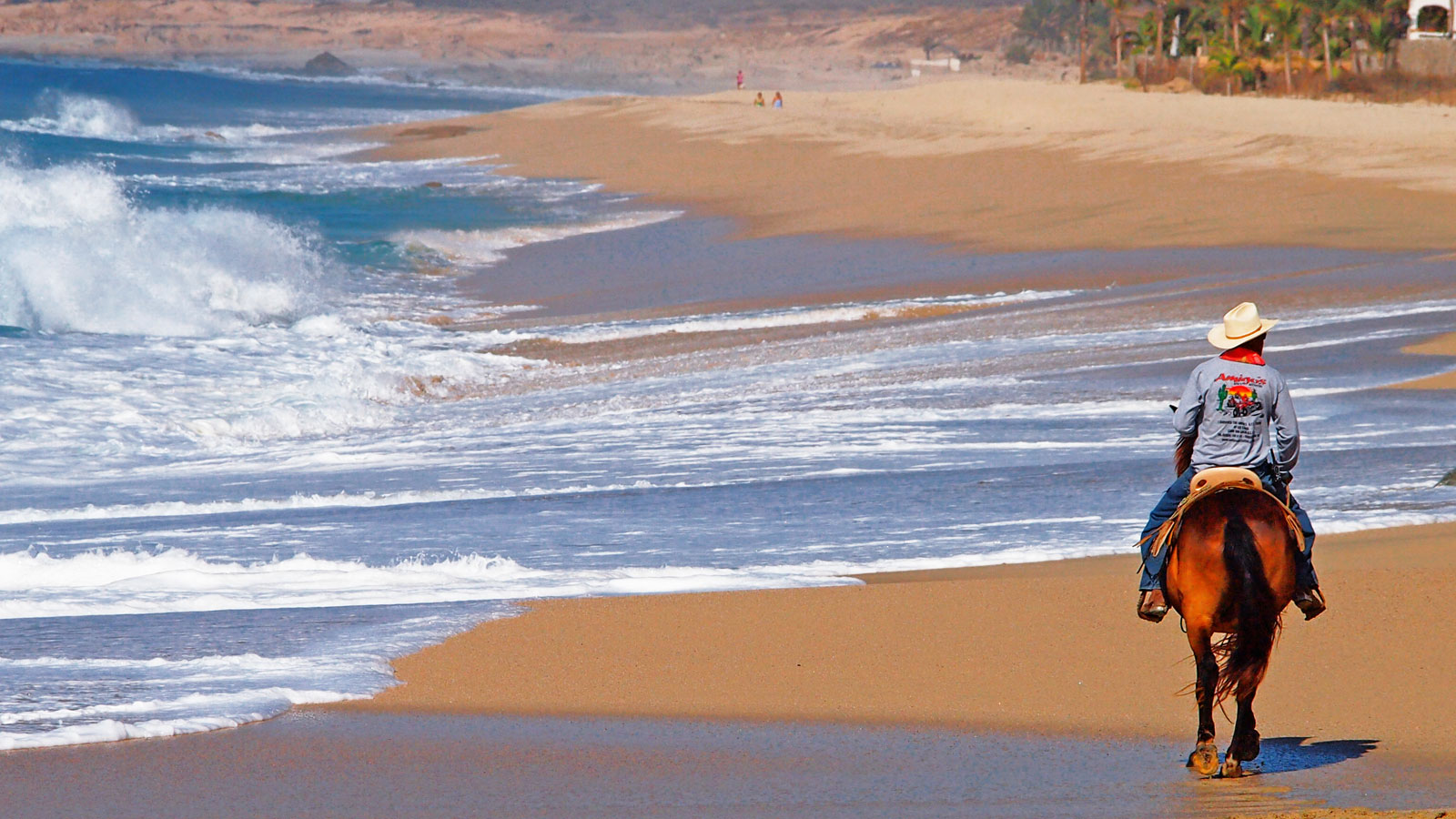
Horseback vacations in Mexico will create an unforgettable experience, not only for its horseback routes on trails that combine views of virgin nature but also for visits to its historic towns declared World Heritage, and for the experiences on Mexican ranches with the Mexican Criollo horse.