Horseback Riding - Learn, Enjoy, and Discover Its Benefits and Equipment
Horseback Riding
Horseback riding allows you to have direct contact with nature while discovering the intensity of your relationship with this noble animal.
What is Horseback Riding and What Does It Mean?
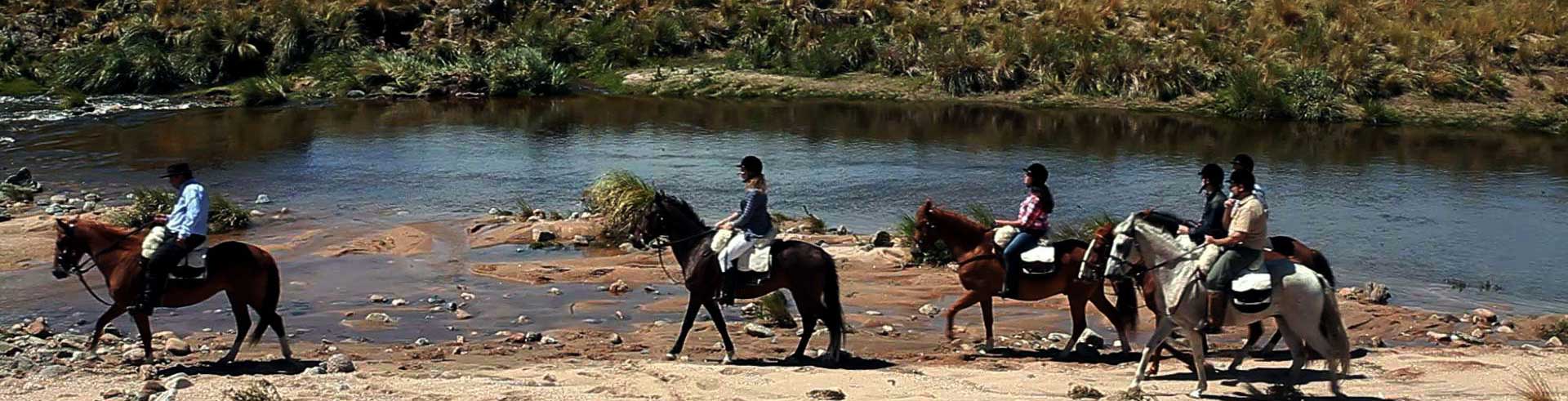
Horseback riding is a very rewarding and accessible activity for everyone, which gives us the opportunity, during our horseback vacations, to disconnect from the world, travel along trails, and discover new landscapes.
It also allows us to practice equestrian sports, such as jumping, dressage, eventing, and polo.
Riding has been a form of transportation for millennia and refers to the way humans move on horseback.
What is Equestrian Tourism?
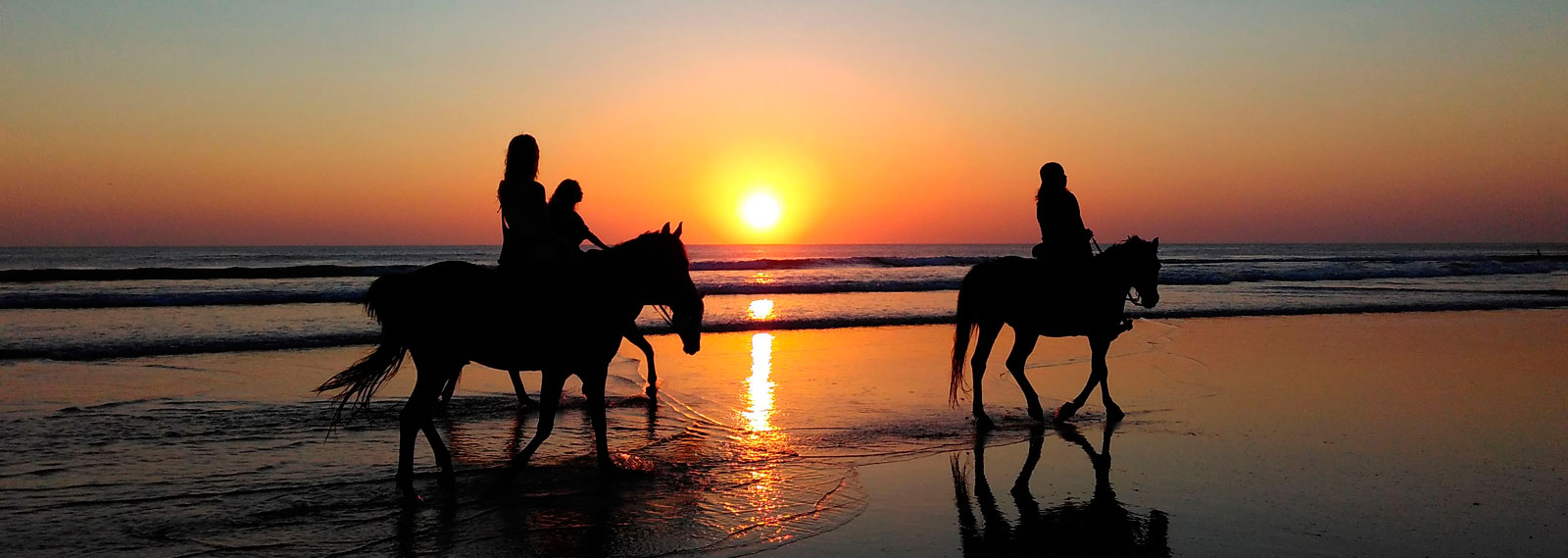
Equestrian tourism is an activity that combines the passion for horseback riding with the interest in discovering different regions, provinces, and countries, allowing us to experience other cultures, meet new people, and try different cuisines.
Is Horseback Riding Difficult?
The practice of horseback riding is known as equestrianism and it is relatively simple to get started, at least enough to enjoy countryside rides. If we become more interested, we will likely feel the need to learn more about how to ride better and deepen our knowledge of our friend: the horse.
The level of mastery will depend on each person, depending on how far we want to go, whether as a sporting activity or in the skill of riding cross-country, overcoming all kinds of terrain and obstacles.
Different Ways to Ride a Horse
The rider can guide the horse in different ways, using signals called aids.
These aids are transmitted to the horse through the rider's body movements, the reins, pressure from the calves and heels, or the rider's voice.
This set of aids allows the rider to control the movement of the horse's limbs.
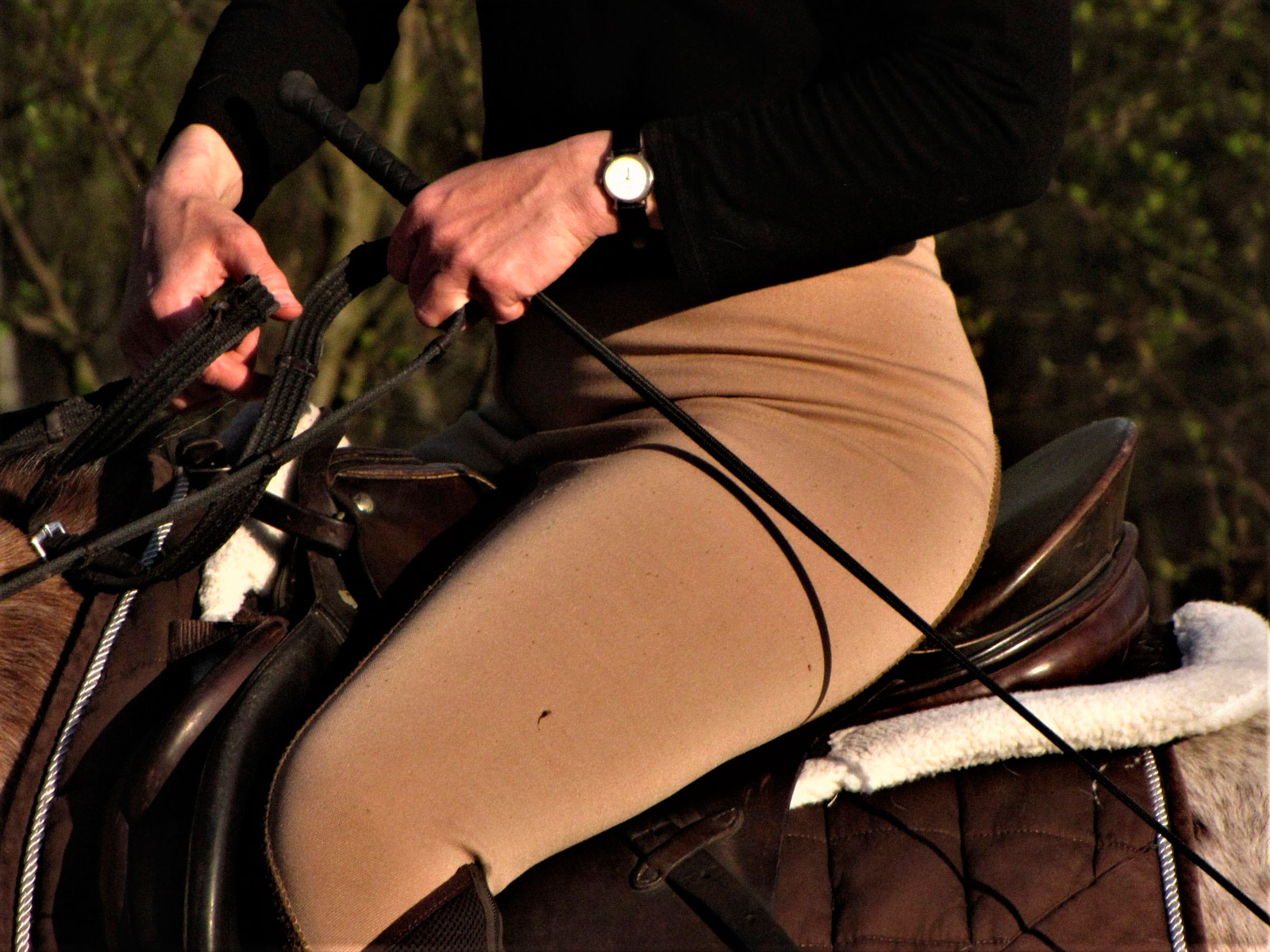
Well-trained and tamed horses respond to subtle aids that are barely noticeable to others. An example was the horse called “Clever Hans”, who supposedly knew mathematics, but in reality, he perceived through his owner's voice and body language how many times he had to tap his hoof on the ground to give the result of an addition or subtraction.
The different ways of riding and guiding a horse depend on the equipment and accessories used, as well as the aids given to the horse, all in accordance with the principles of caring for the animal so that it enjoys good health and a useful life of about 20 years.
Horses have three natural gaits: walk, trot, and canter (gallop).
In the trot and canter, there is a moment of suspension in the air when the horse does not touch the ground with any of its legs. Some breeds also have other gaits, such as the paso llano or the tölt, among others, which are very comfortable for the rider and allow for long distances without fatigue.
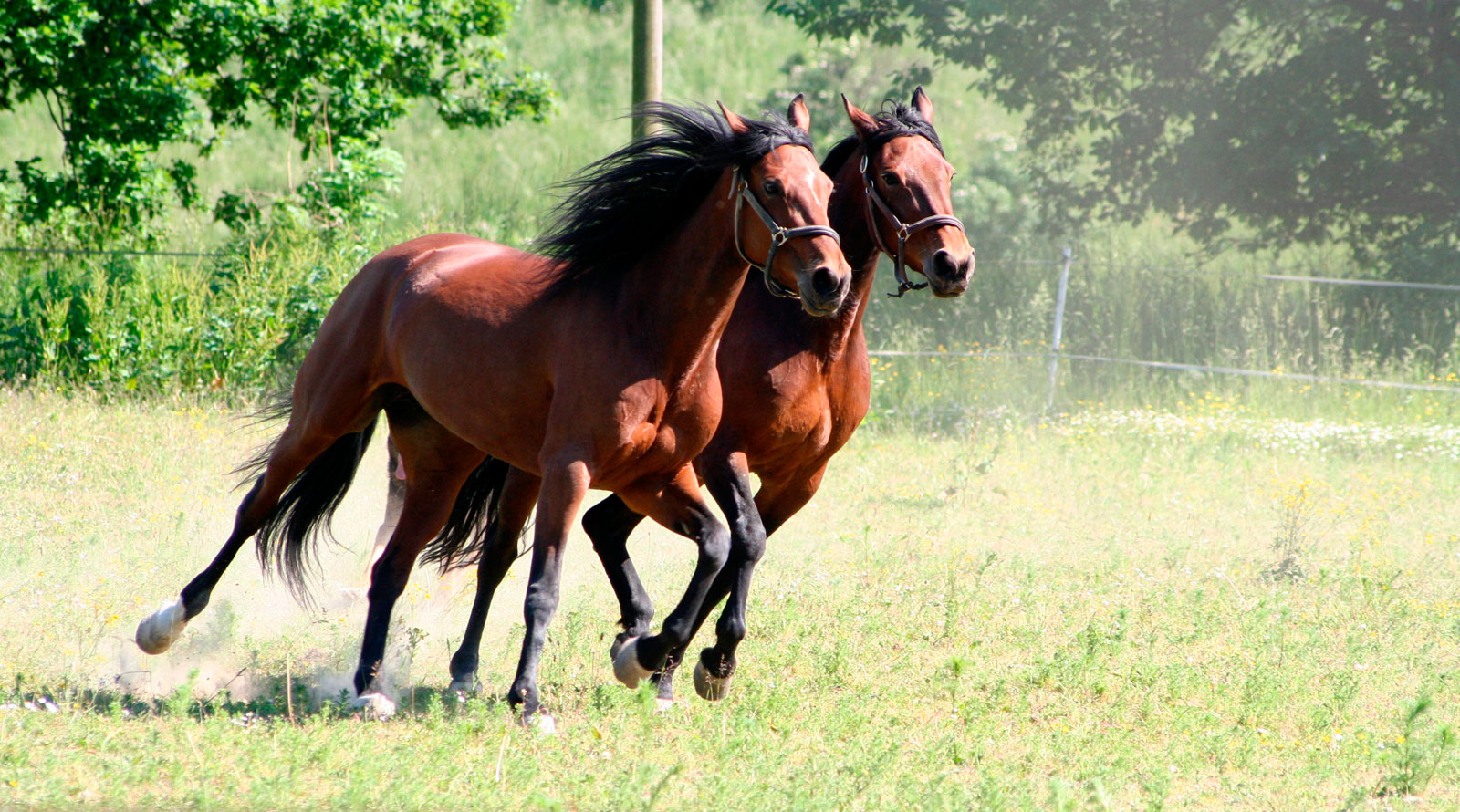
It should be noted that all these gaits require the rider to give the horse the appropriate aids or signals for each one, clearly, to avoid confusion in the horse's movement.
Equipment and Accessories for Horseback Riding
There are different types of saddles, whose purpose is to provide comfort and safety for the rider, as well as to distribute the rider's weight over the horse's back.
Depending on their purpose, saddle characteristics change:
- For jumping and racing: the saddle has short stirrups; it helps the rider lean forward and achieve the horse's maximum speed.
- For dressage: the saddle is long and deep.
- For trail riding: the western-type saddle must be comfortable to endure many hours on horseback.
In addition to the saddle, different types of bridles, reins, and bits are used to transmit signals to the horse.
Currently, martingales or tie-down reins are being used again, whose function is to help the rider encourage the horse or maintain the position of its head, which is part of the horse's classical training.
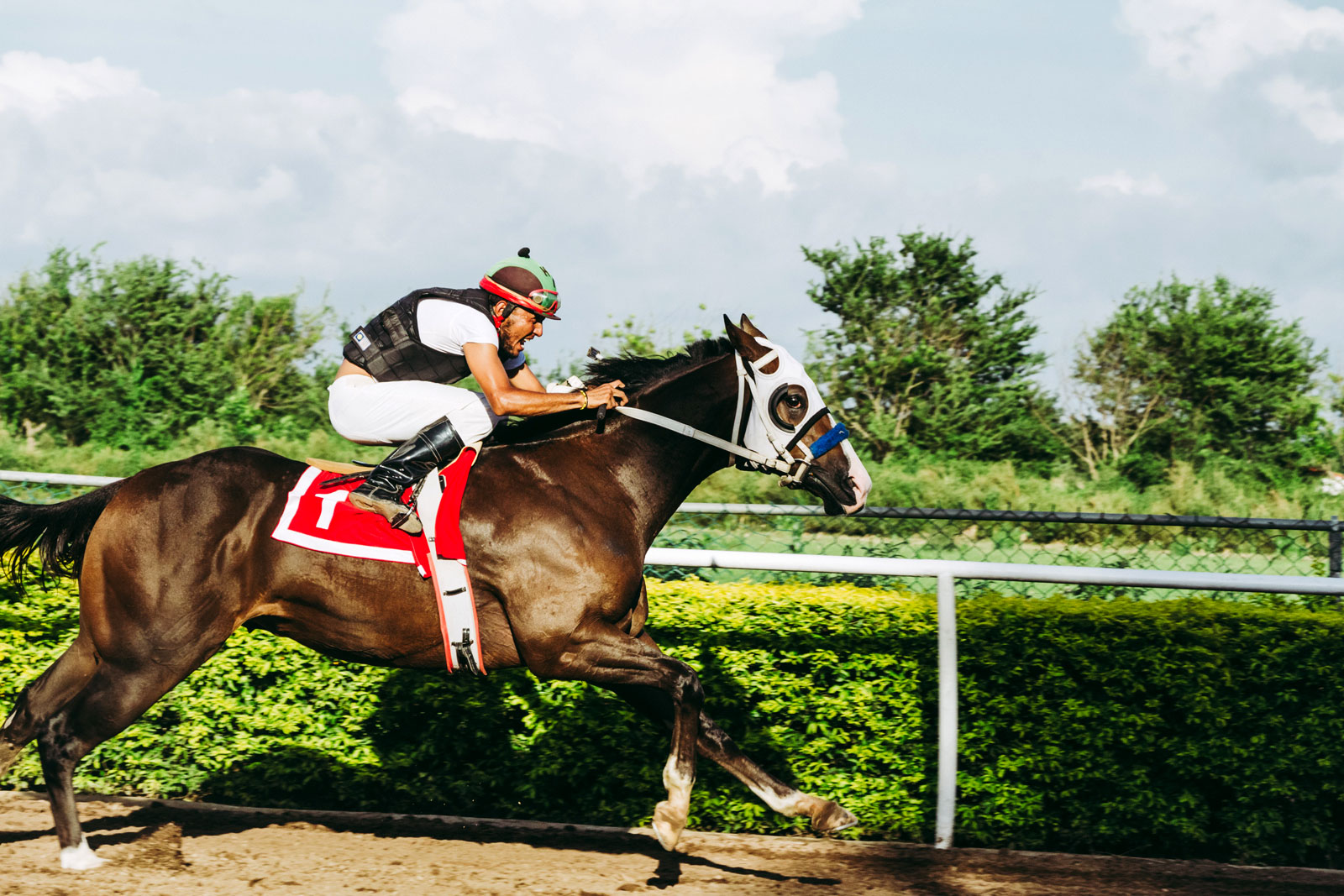
In our opinion, the use of these martingales or sets of straps to encourage or control the horse's head position is part of a set of practices that ignore the principles of Learning Theory and scientific studies on how horses learn, all of which are basic concepts in equitation science.
There are also items to protect the horse's legs, such as bandages used to strengthen their tendons, joints, and ligaments.
For more information on this topic, we recommend visiting the website of the International Society for Equitation Science: https://www.equitationscience.com/.
Benefits of Horseback Riding
Horseback riding, besides being very enjoyable, brings many benefits.
As we have said, horseback riding can be a unique experience if we choose to ride freely in nature, discovering places that can only be reached on horseback.
In addition, this activity offers a wide range of physical and psychological benefits such as those mentioned below.
The distinguishing element of horseback riding is the interaction with the animal. The more you practice, the more coordination you achieve, and this involves, for the different gaits (walk, trot, or canter), constant use of the abdominals, back, glutes, and legs. It also develops a special sense of balance and self-esteem that comes from seeing the horse respond to the rider's aids.
Physical Benefits of Horseback Riding
- Regulates muscle tone, working the abdominals, back, glutes, and legs, which helps shape our physique.
- Improves both vertical and horizontal balance.
- Relieves muscle tension.
- The trunk remains upright, which benefits posture and its correction. For women, it works the back and shoulders and improves bust position. It helps reduce flaccidity in the pectoral muscles.
- Being attentive to the different changes in the horse's pace helps improve fine and gross motor coordination, reflexes, and motor planning.
- Improves our perception of body posture, also favoring the acquisition of laterality.
Psychological Benefits of Horseback Riding
- Horseback riding enhances our confidence, emotional control, and self-esteem by feeling that, through our aids, we have the animal under control.
- Having the horse under control improves our concentration and attention span, benefiting our memory.
- Controlling the horse reinforces feelings such as respect and responsibility.
- It helps us overcome fears and better manage problems. As we learn to communicate with the horse, we improve our ability to resolve conflict situations that may arise. This keeps us away from fear and helps us solve problems quickly.
Horseback Riding is a Very Versatile Activity
Horseback riding allows for a wide variety of activities, from riding on different types of terrain such as beaches, plains, and mountains; sharing with groups of friends; practicing different equestrian sports such as jumping, dressage, eventing; or participating in team games like polo, which is gaining more and more enthusiasts every day.
We can start riding horses from the age of three up to the age when we are physically able to move with some ease.
Here we make a special mention of gaited horses, especially the Peruvian Paso for its specific gait, the paso llano, which can reach speeds of 12 to 15 km/h without trotting.
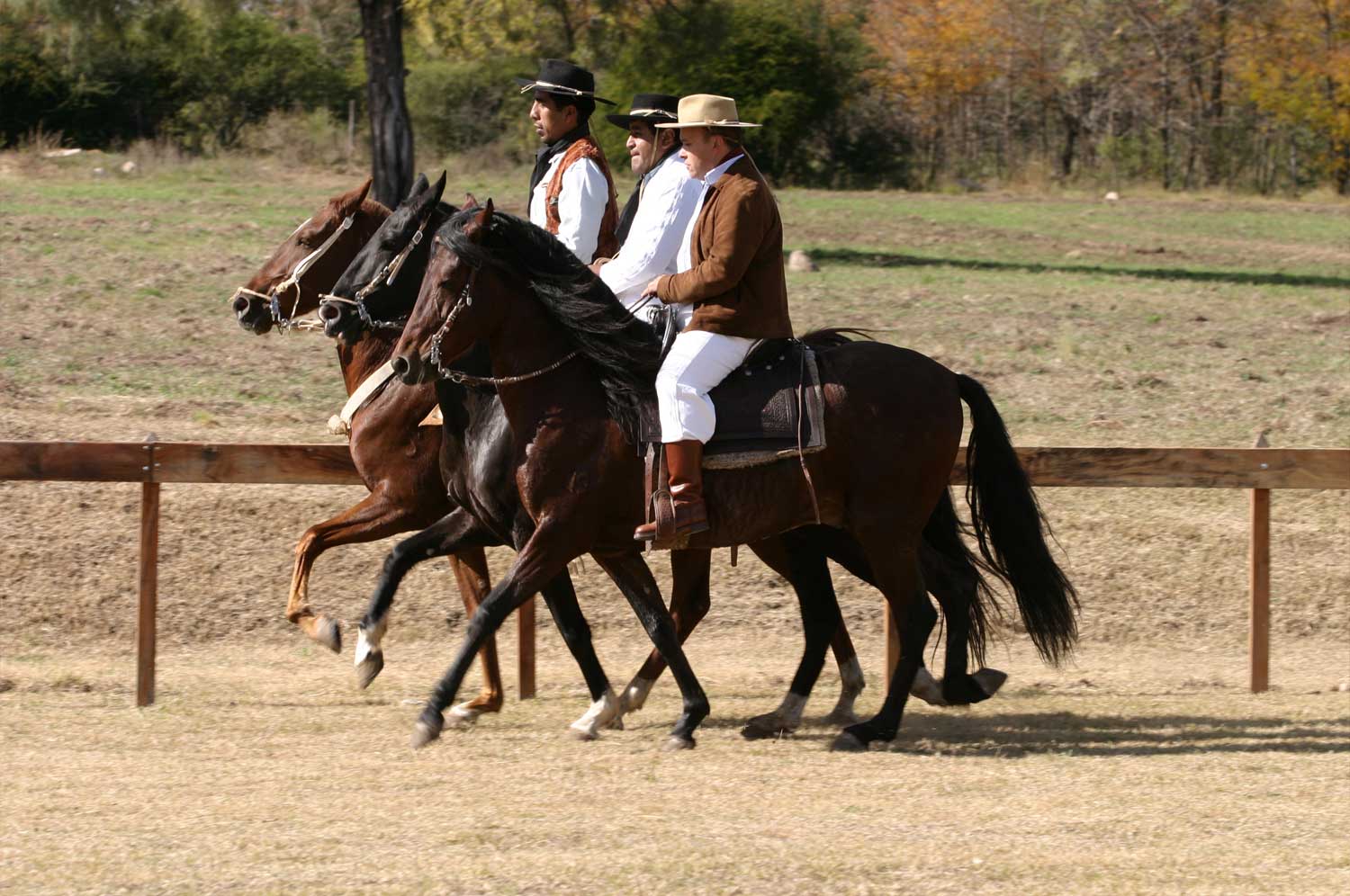
The trot is a very hard gait with vertical movements, which is why older people with hip or back problems often stop riding. The Peruvian Paso gives them the chance to ride again because in the paso llano, the horse moves smoothly in a horizontal manner and does not jolt the rider.
Horseback riding is suitable for all ages and even for people with disabilities, as this animal makes no distinctions; you just need to ride it following some guidelines that everyone can practice.
How is Horseback Riding Practiced in Europe?
In Europe, there are many options for those who decide to ride horses. The most important is the presence of equestrian centers or riding clubs in the vast majority of European countries.
At these centers, you can board your horse so they take care of its feeding and health, as needed. They also offer the option of giving your horse minimal training during the week if you cannot attend the center or club every day to ride in the countryside or practice a sport.
And if you do not have your own horse, the equestrian center will provide one. Also, if you want to start riding, they will give you the necessary lessons to begin equestrianism.
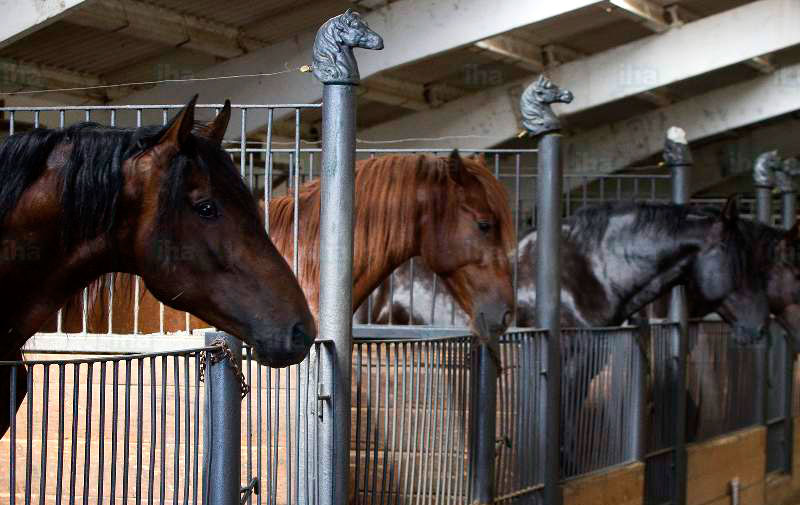
There are also country residences that offer horseback riding tours, that is, equestrian tourism in different places in each country. For this practice, there are specialized tour operators only in equestrian tourism who offer horseback vacations in different parts of the world, allowing you to hire their services in any country in Europe, Asia, Africa, North America, or South America.
Likewise, throughout Europe there are national equestrian associations of all kinds that aim to promote the practice of equestrianism in its various forms. These organizations train instructors and teachers who work in equestrian centers, as well as set rules and guidelines for the practice of equestrianism. Among the most important are the national equestrian federations or associations of the UK, Germany, Spain, France, and Portugal.
We can say that the great passion for horseback riding in Europe and the rest of the world is supported by an infrastructure that will help us enjoy this exciting activity.
How to Ride a Horse for the First Time?
Here are some tips to keep in mind when riding a horse for the first time:
- To practice equestrianism, you need a horse, but if you do not have one, you can go to the nearest equestrian center or riding club and they will provide one; otherwise, you can hire horseback riding tour services offered by various providers, as we have explained.
- It is advisable to have riding pants, riding boots with leather soles (not rubber), a safety helmet, comfortable clothing, and a pair of riding gloves, as needed. We do not mention spurs as they are for advanced riders. All these items can be purchased at equestrian stores, which are plentiful throughout Europe and in other parts of the world.
- If you are going to ride in the countryside, it is also necessary to bring a canteen or plastic bottle with water to stay hydrated, sunscreen for your hands, arms, neck, and face to avoid the effects of the sun, especially if the ride lasts several hours. It is advisable to do this activity in a group. If you go alone, it is important to carry some first aid items in your saddlebag.
- If you have your own horse, in addition to the above, you must have all the equipment for the horse: a complete saddle suitable for the activity you plan to do (consult an instructor), bridle with reins and bit, a halter to tie the horse if riding in the countryside, stable halter, possibly a crop, and a grooming kit with brushes and scrapers to groom the horse before saddling.
- It is important to have riding insurance in case of an accident. Riding is not dangerous if you learn step by step under the professional guidance of a trainer. Having solid training is the basis for maximum safety, in addition to having all the necessary equipment and accessories.
It is also important to note the following:
- We can ride horses at any age (from three years old up to 80 or more, depending on general physical condition).
- No special physical ability is required; even people with physical or mental disabilities can ride horses. Like any other physical activity, it is better to have a certain general physical condition, but this is not a requirement. In addition, practicing the activity will help improve your physical condition.
- It is highly recommended to go to an equestrian center so that an instructor can give you the basic lessons to start practicing equestrianism and explain how to prepare and handle the horse. At Ampascachi, we offer a program to learn to ride in the Traslasierra Valley.
- It is always better to start riding on a middle-aged horse (ten years old), well trained, and with a calm temperament. It is not advisable to start riding with young horses, as they tend to have more temperament.