
Equestrian tourism in Extremadura with Dehesas Extremeñas
Extremadura is a land of vast green territories, full of history, with its castles, Roman ruins and medieval cities.
This area of Spain is ideal for enjoying an unforgettable equestrian vacation.
You will have the opportunity to discover the ancient trails, known as the Cañadas Reales, along which livestock moved with the changing of the seasons to find places with better pasture.
We are talking about transhumance, an activity that became established in Spain in the 13th century.
And what better way to travel these cattle tracks than on horseback?
To find out more about this activity and the possibilities that Extremadura offers for equestrian tourism, we interviewed Vidal Carreño Suárez, from the Dehesas Extremeñas equestrian center.
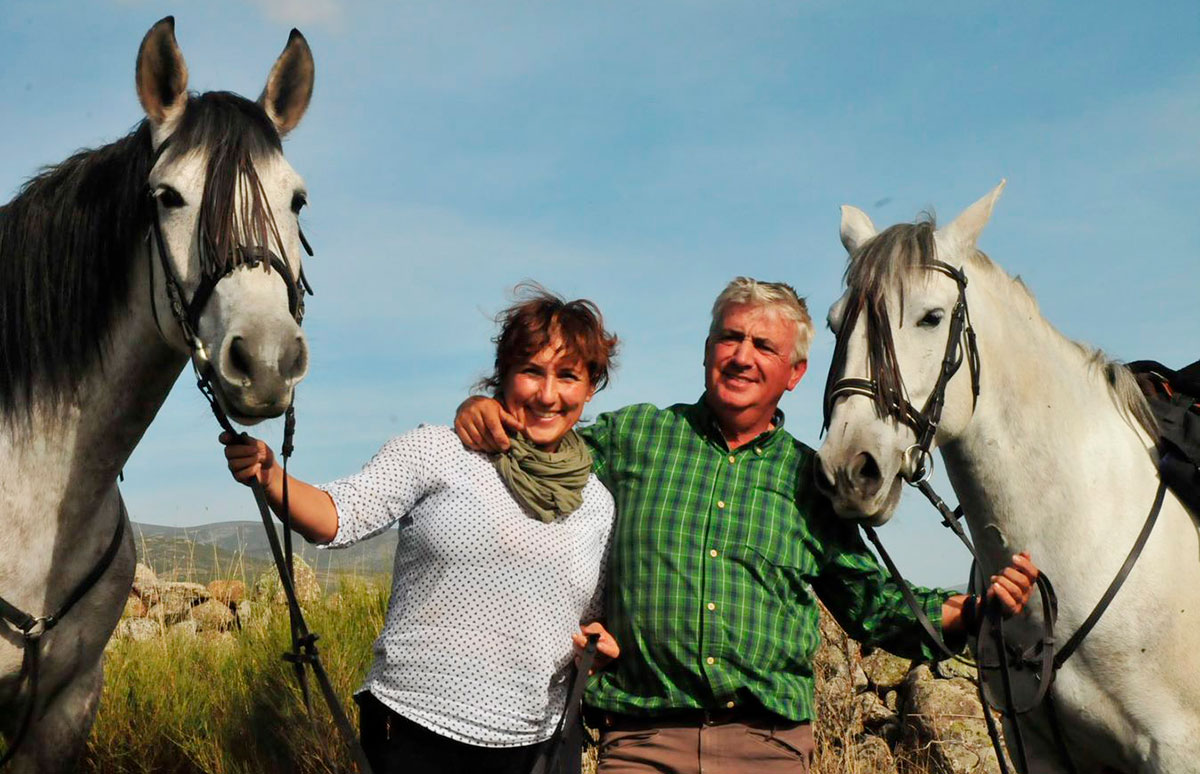
Vidal Carreño Suarez runs the company founded by his father, a pioneer in the area.
Located in Navalmoral de la Mata, Cáceres, they offer both riding lessons and horseback routes through incredible landscapes and the chance to learn about the country's history.
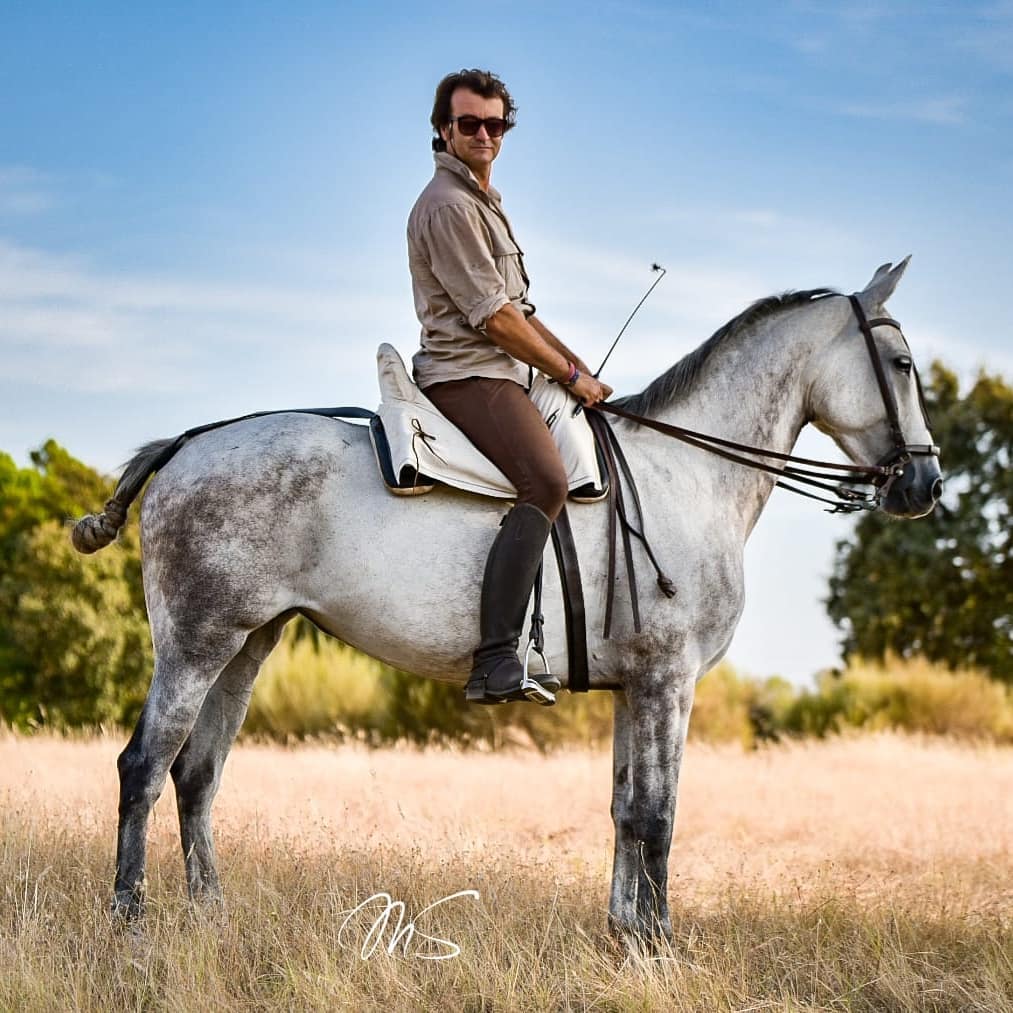
Interview with Vidal Carreño Suárez
In 1989, your father, Vidal Carreño Toboso, founded the Dehesas Extremeñas equestrian center, the first riding club in Navalmoral de la Mata. What memories do you have of this time?
My memories are all very fond ones. I remember the weekend excursions with all my riding club friends and the good harmony we had.
At the young age of 19 you took over the family business, with your father's support. What challenges did you face running the equestrian center?
My challenges were, above all, the responsibility and dedication that I had to have. This required a lot of effort and sacrifice.
What are the most important changes that have taken place in your equestrian center over the last few decades?
The increase in the number of students in their weekly classes stands out, together with the increase in tourists interested in the routes proposed at our center.
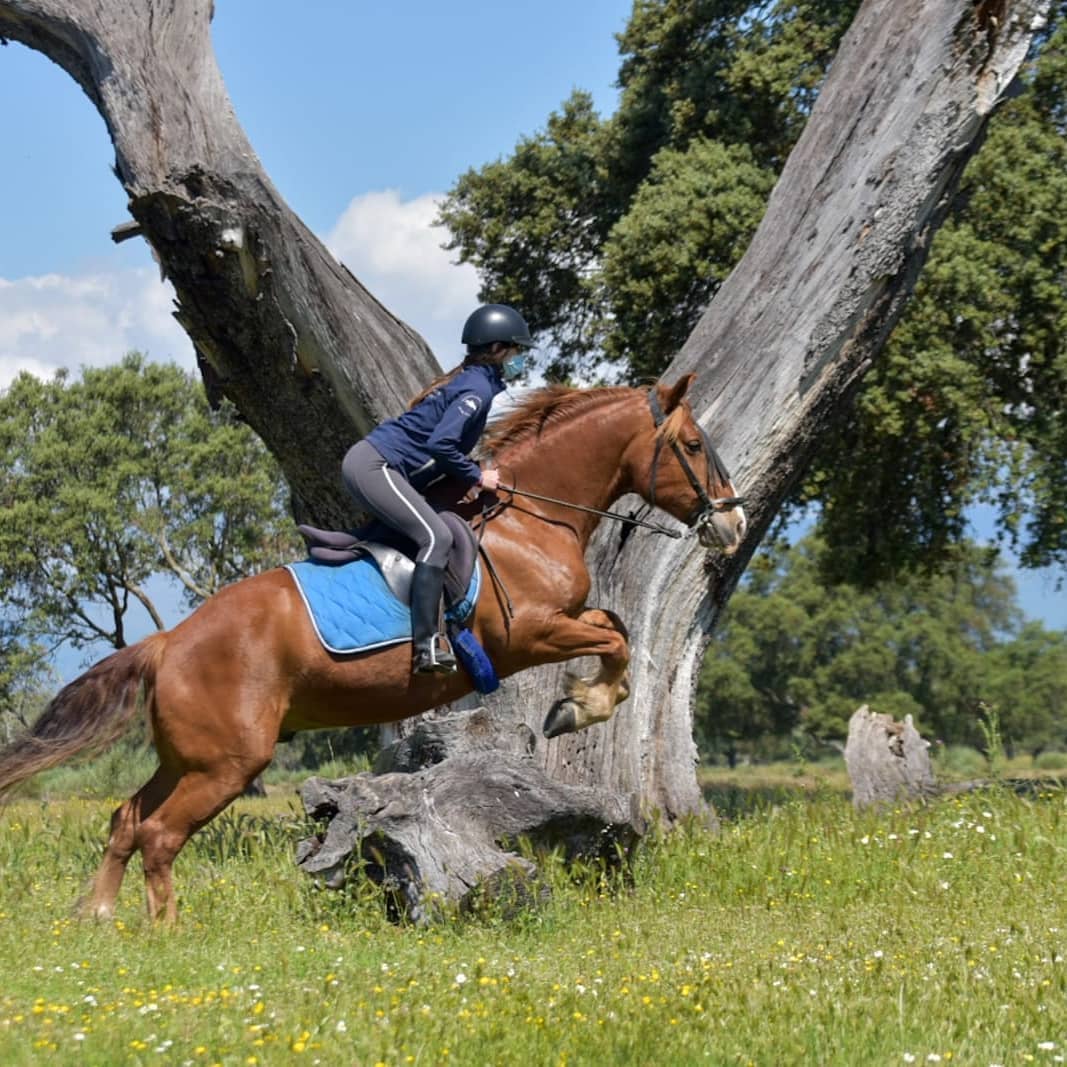
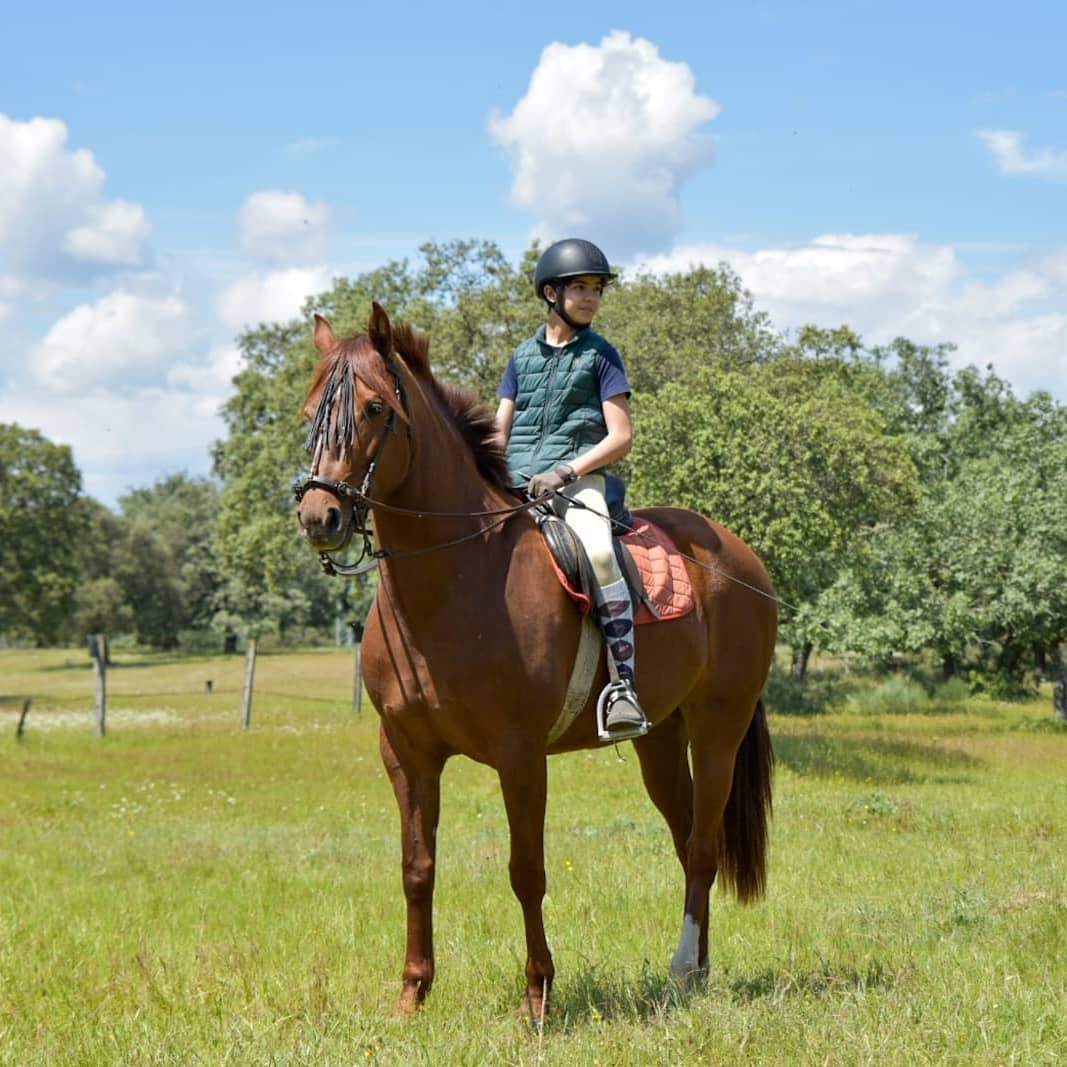
In addition to running the equestrian center, you have competed in equestrian events. In which disciplines and with what results?
As far as Doma Vaquera competitions are concerned, I participated at a regional level, finishing among the top positions and obtaining several trophies.
My greatest participation in competition has been in RAID, where I have obtained very good results, finishing the races and finishing among the top ten positions in more than thirty races over distances between 40 km and 120 km.
Other achievements have been in distances of 160 km or more:
- In 1995, team bronze in the Spanish Championship, 200 km in two days.
- In 1995, 51st place in FEI Eldric Trophy.
- In 1997, 12th place in the Spanish Championship, 160 km.
In the regional show jumping competitions, I have participated in events up to 1.20 m.
Currently, I participate in TREC (Technical Equestrian Endurance Competition) competitions at the national level, obtaining the following results:
- 2017: Bronze for Teams in the Extremadura Championship.
- 2020: Silver for Teams in the Spanish Championship.
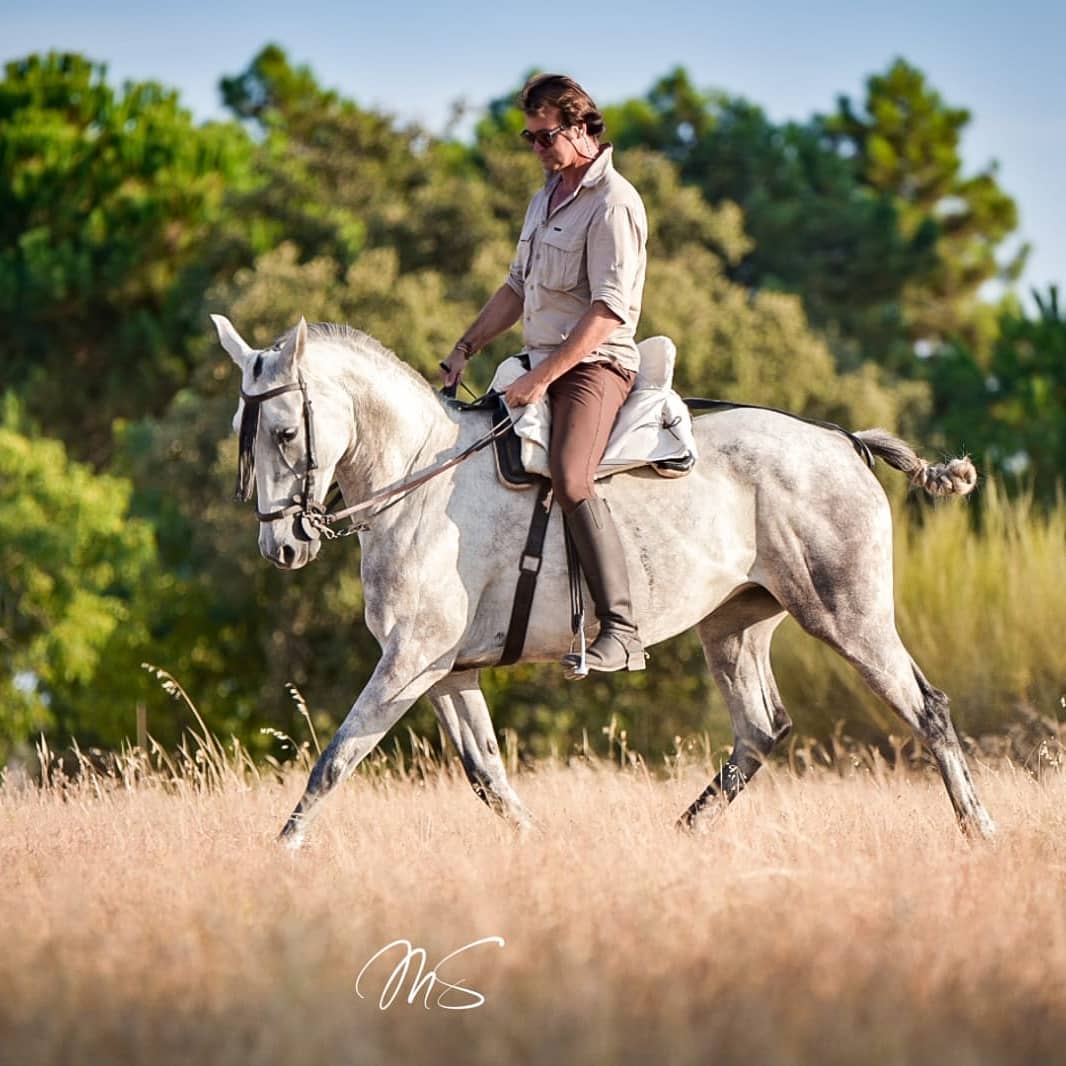
Horse riding routes in Extremadura
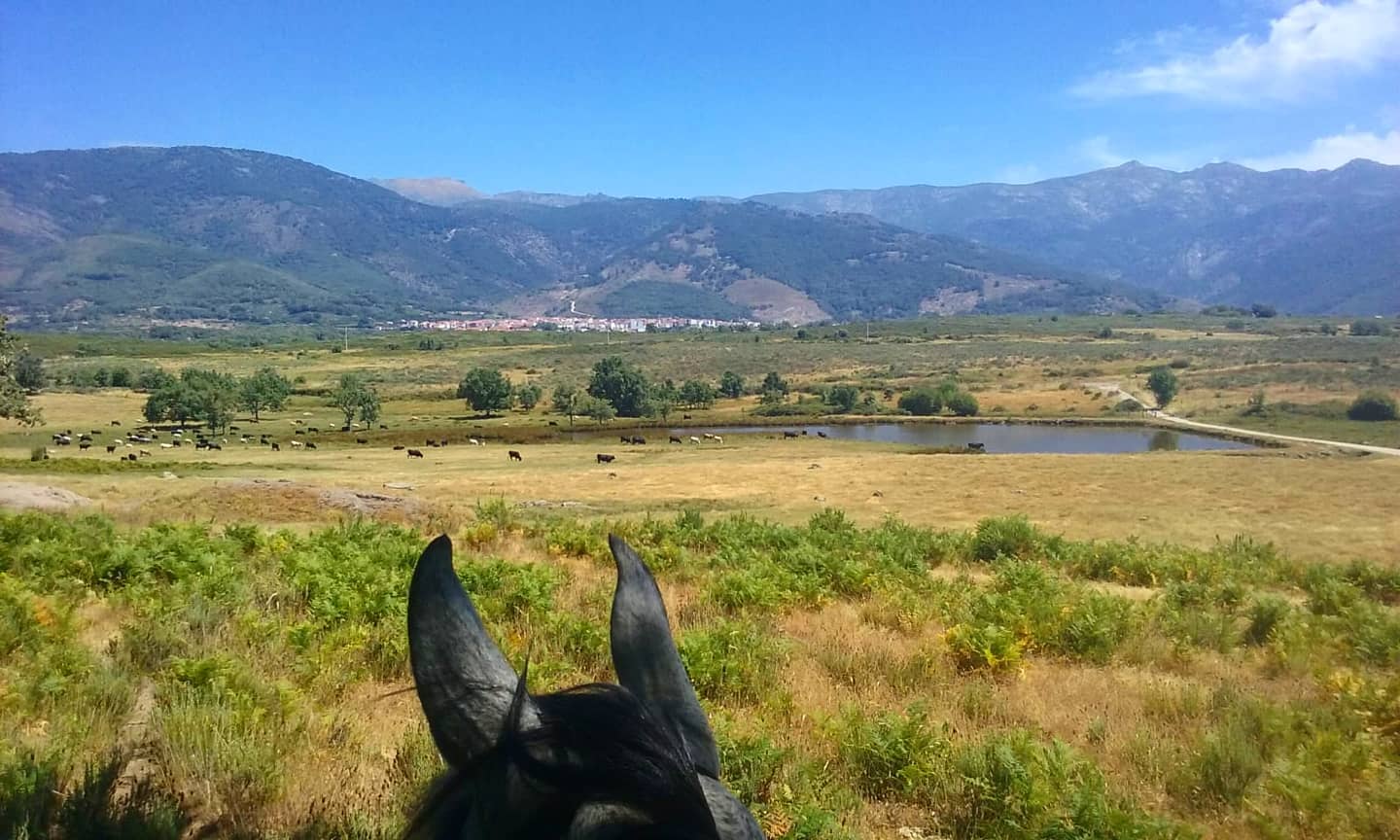
The “Dehesa Extremeña” is a type of ecosystem that occurs in the southwest of the Iberian Peninsula. Can you describe the characteristics that make it so important in the protection of fauna and flora?
The Dehesa Extremeña stands out for the abundance of holm oaks, cork oaks and common oaks.
The holm oak produces the acorn, so important as food for all herbivores. It is rich in pasture and water.
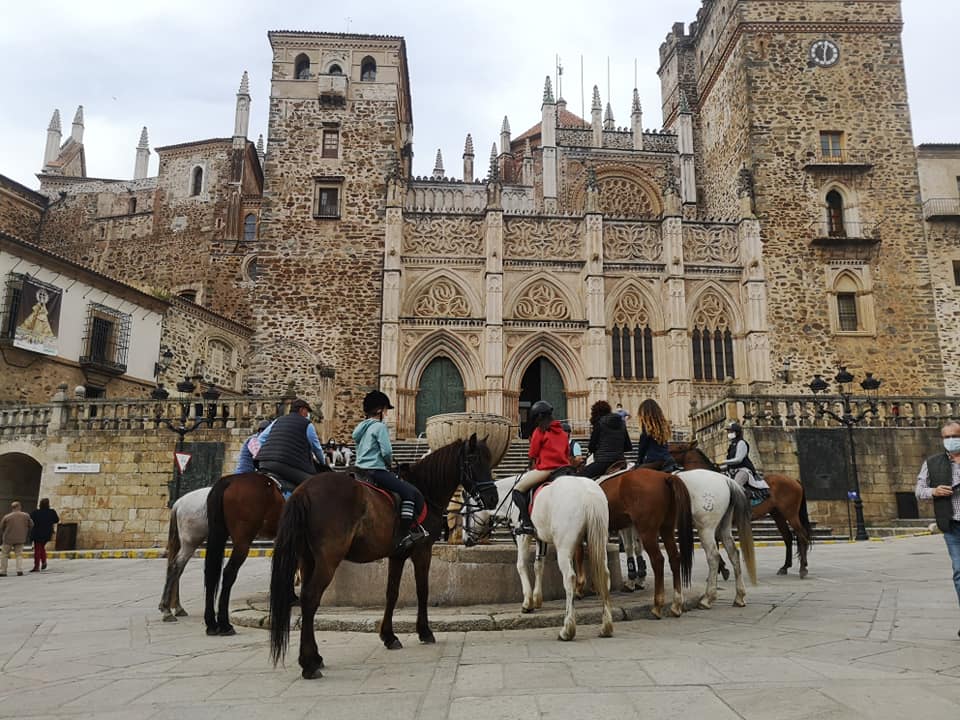
During the “Route of the Hispanic Heritage”, which emblematic places do you visit?
We visit the Royal Monastery of Guadalupe. It is the most important pilgrimage center on the Iberian Peninsula after Santiago de Compostela, declared a World Heritage Site by UNESCO in 1993.
We also pass through the Villuercas-Ibores-Jara Geopark.
On your other horse riding routes, which towns and national parks do you visit?
- Route of Emperor Charles V: visit to the Royal Monastery of Yuste and the Parador Nacional de Jarandilla de la Vera.
- Monfragüe National Park Route: visit to the nerve center in Villa Real de San Carlos.
- Route of the Franciscans: visit to the Franciscan Convent and the Castle of Belvís de Monroy.
- Route of the Conquistadors: visit Trujillo with a stop in the emblematic square with the statue of Pizarro.
The route of the Transhumance in Extremadura
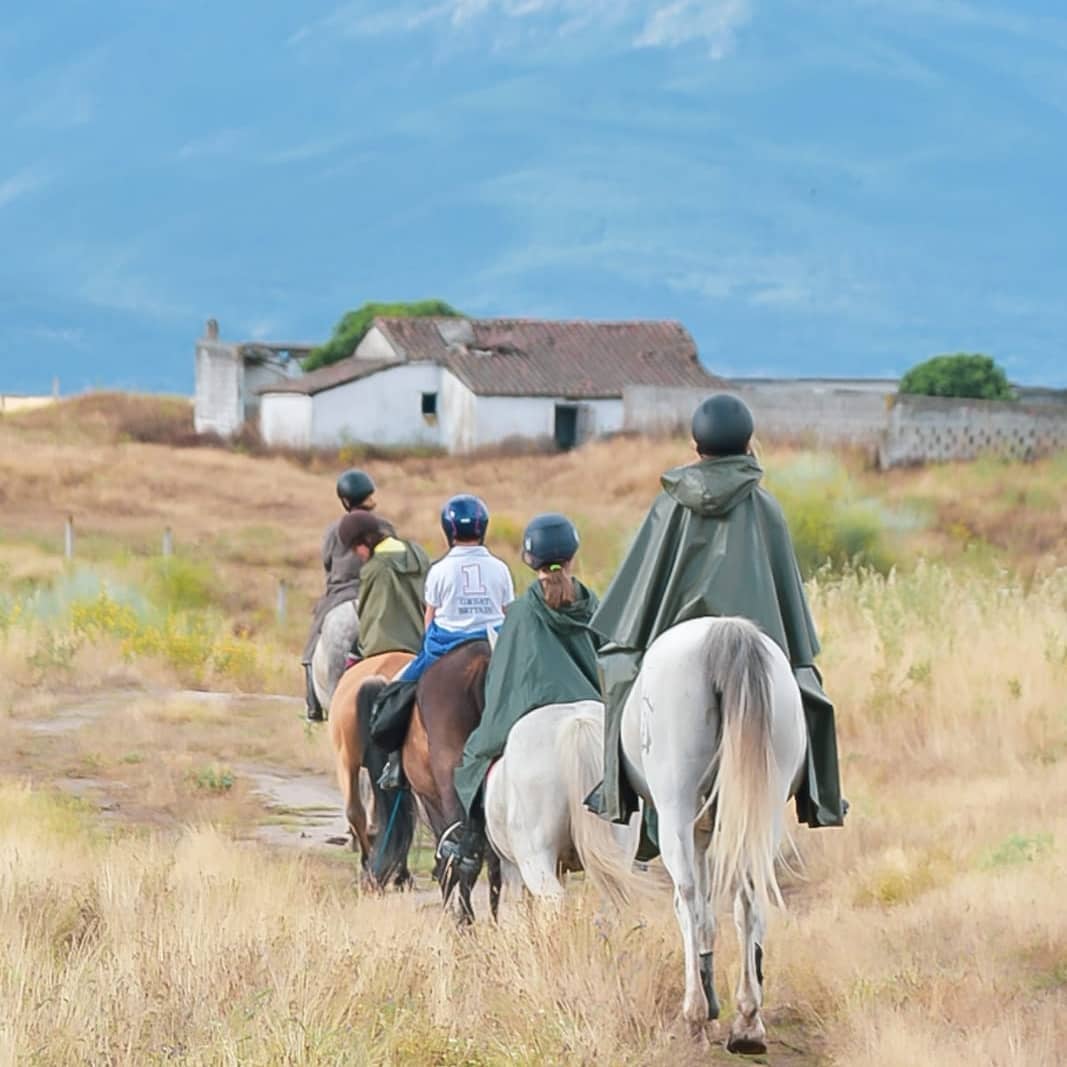
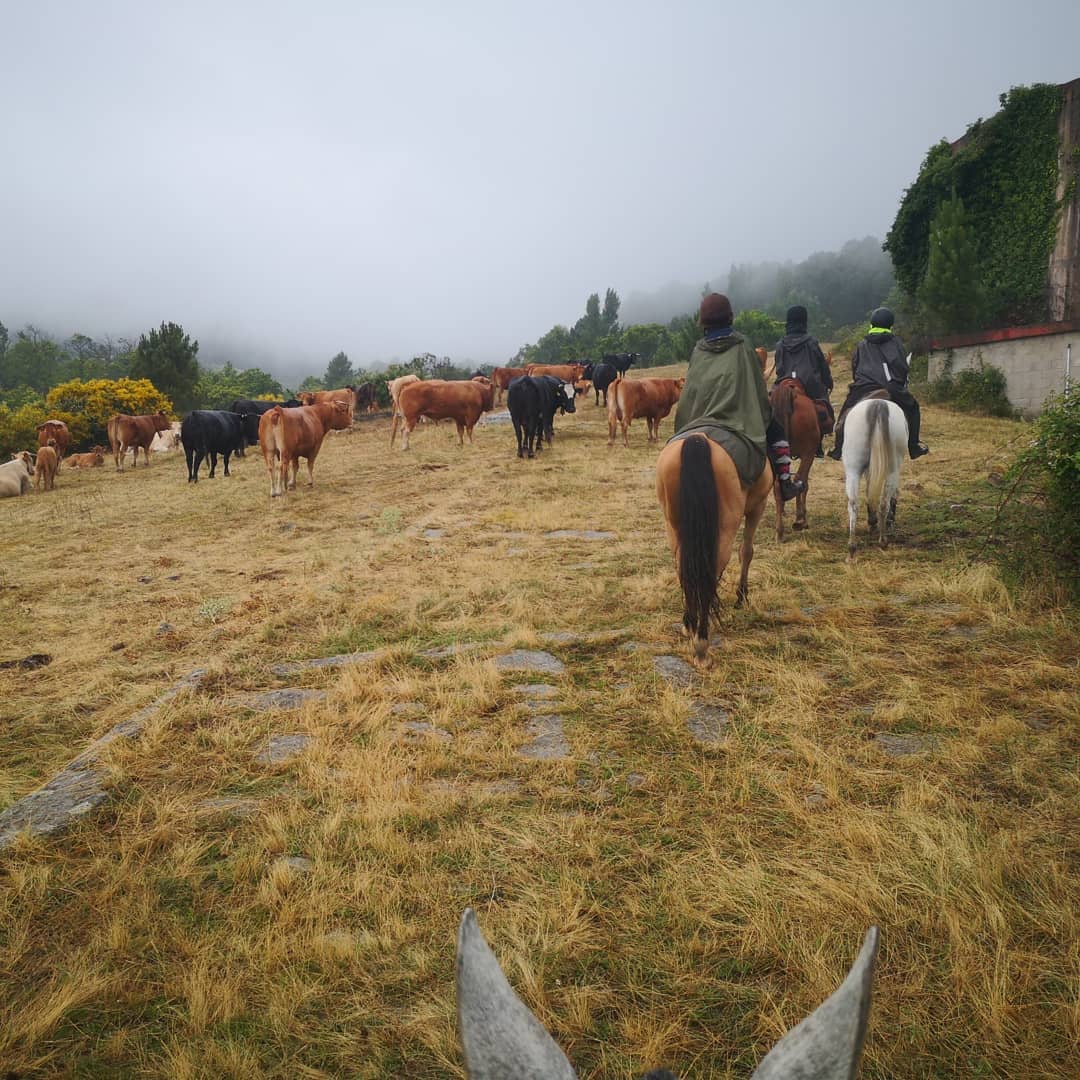
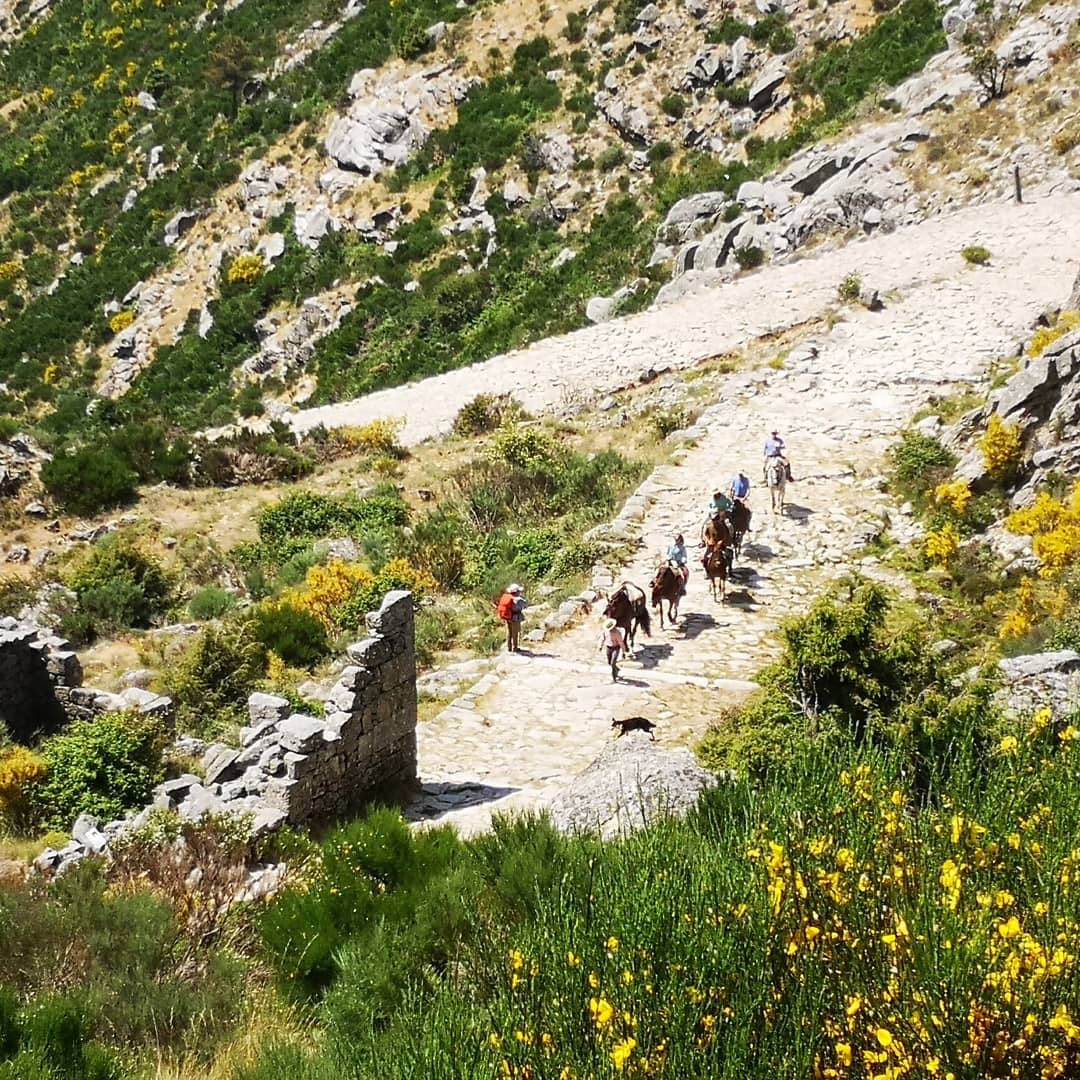
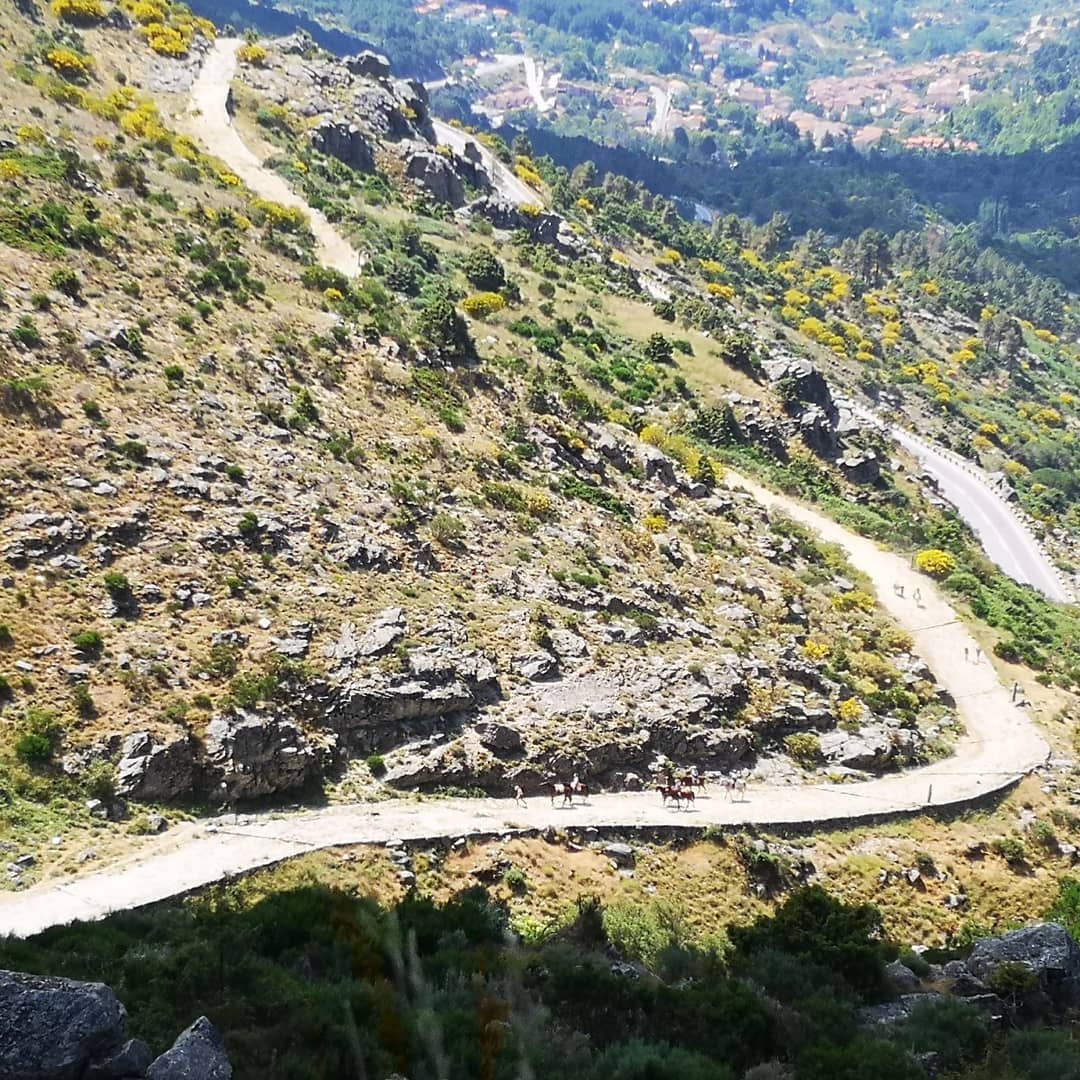
Dehesas Extremeñas offers a “Route of the Transhumance”, following the “Cañadas Reales” where cattle used to move with the change of season.
How long does this route last and where does it pass through?
It lasts 3 days and follows the Cañada Real Leonesa Occidental.
It starts in Navalmoral de la Mata, where the center is located. After riding about 20 km, we enter the province of Toledo.
Skirting an immense reservoir we cross into the province of Ávila and start to climb along an impressive Roman road, in very good condition, to the Puerto del Pico pass, where the route ends, at an altitude of about 1450 m.
The route is approximately 100 km long.
At what times of the year do you do this route?
The route is done at the beginning of summer, the last weekend in June.
During the route we come across large herds of Avileña cows.
The horses of Dehesas Extremeñas
What breeds of horse do you have at your equestrian center?
We have a variety of breeds, including Spanish, Arab, Asturcón and crossbred horses, which are very resistant and tamed for the routes.
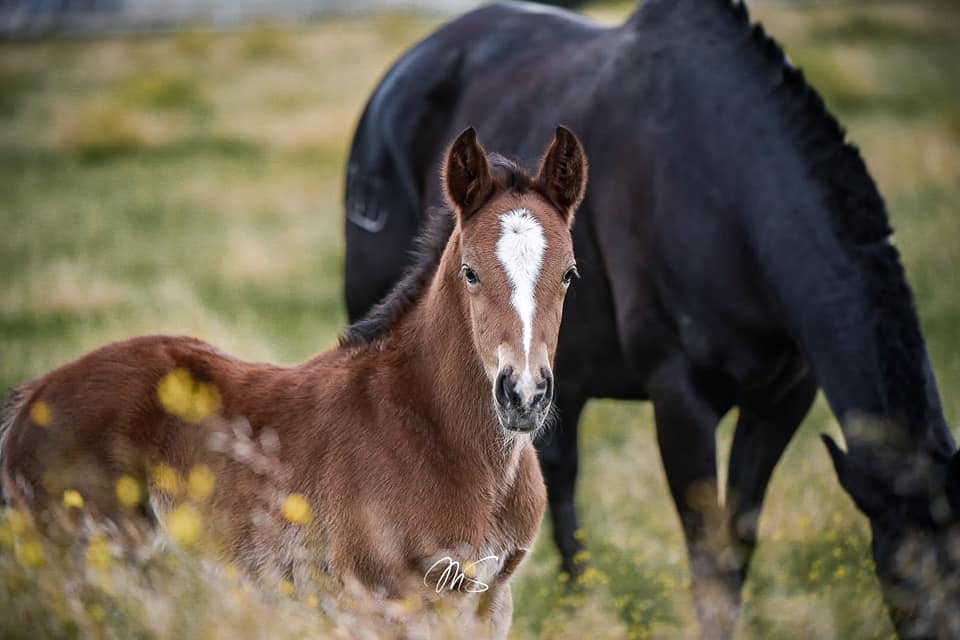
You are part of the Association of Breeders of Asturcón Horses (A.C.P.R.A). Why did you decide to work with them? What characterizes this breed?
I was a breeder in my time, however, at present, I do not belong to the association. I chose to work with this breed because of its hardiness and good character for teaching students.
The Asturcón breed is characterized by its resistance and toughness in the face of adversity. In addition, it has abundant black hair and mane. They have a wide and comfortable gait.
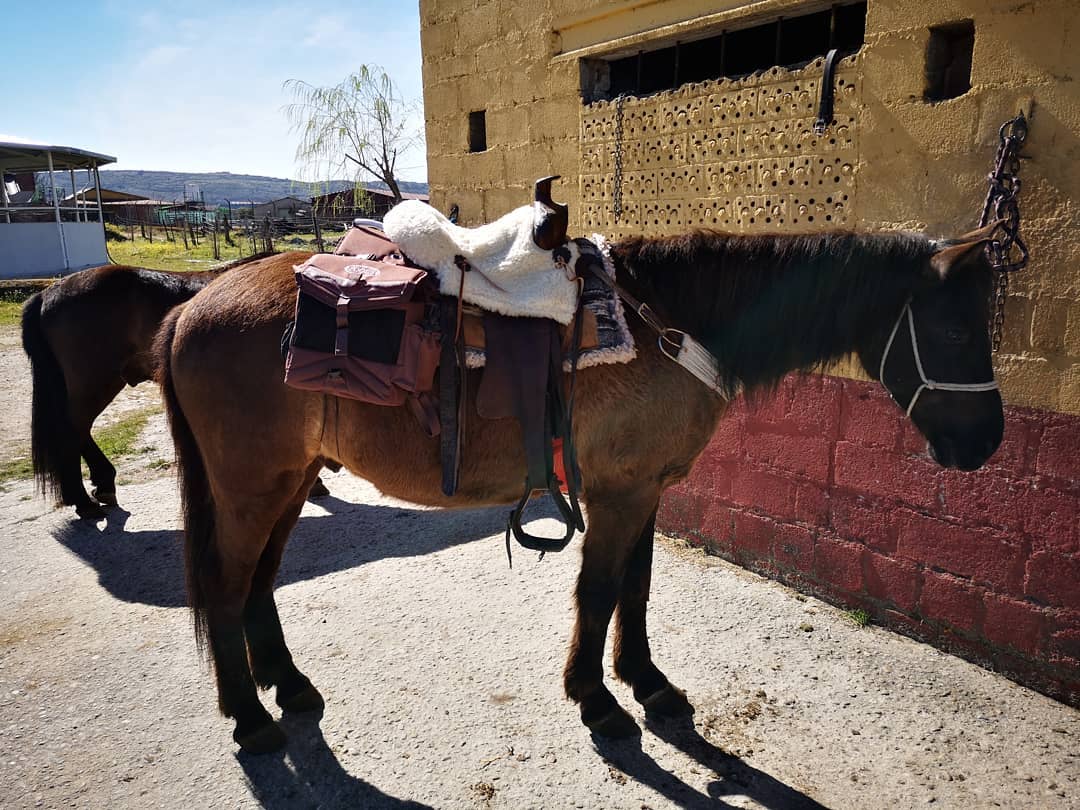
We understand that this breed has the characteristics of the ambladura gait, which gives the rider a smooth ride. Is that correct?
Exactly.
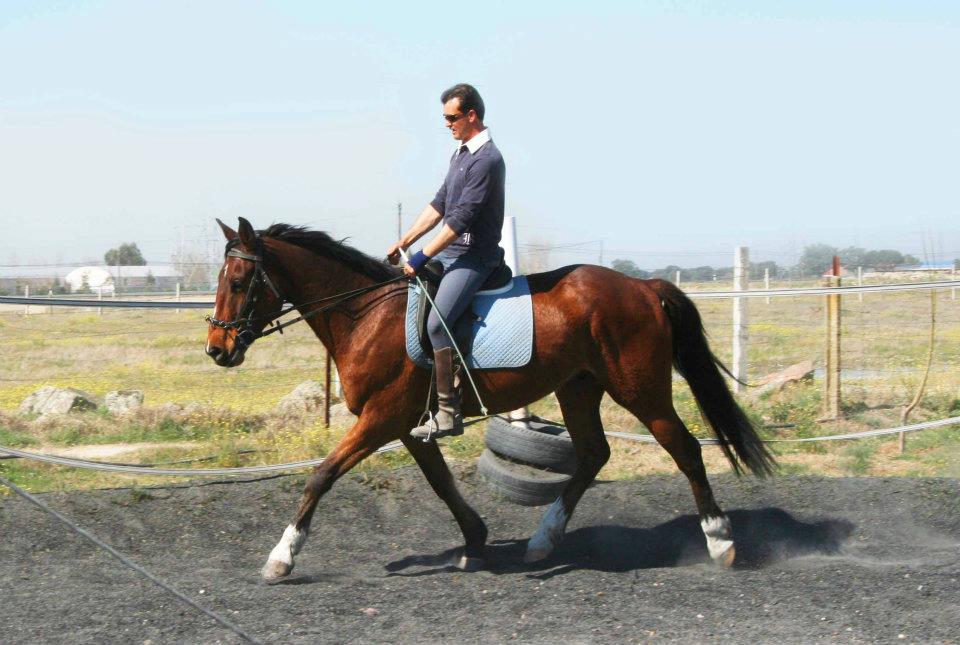
You are an expert in dressage. What methodology do you use in the training and breaking in of horses?
I base my work on the training scale: giving flexibility, rhythm, impulsion and good contact in the horse's mouth to achieve a good straightness and collection.
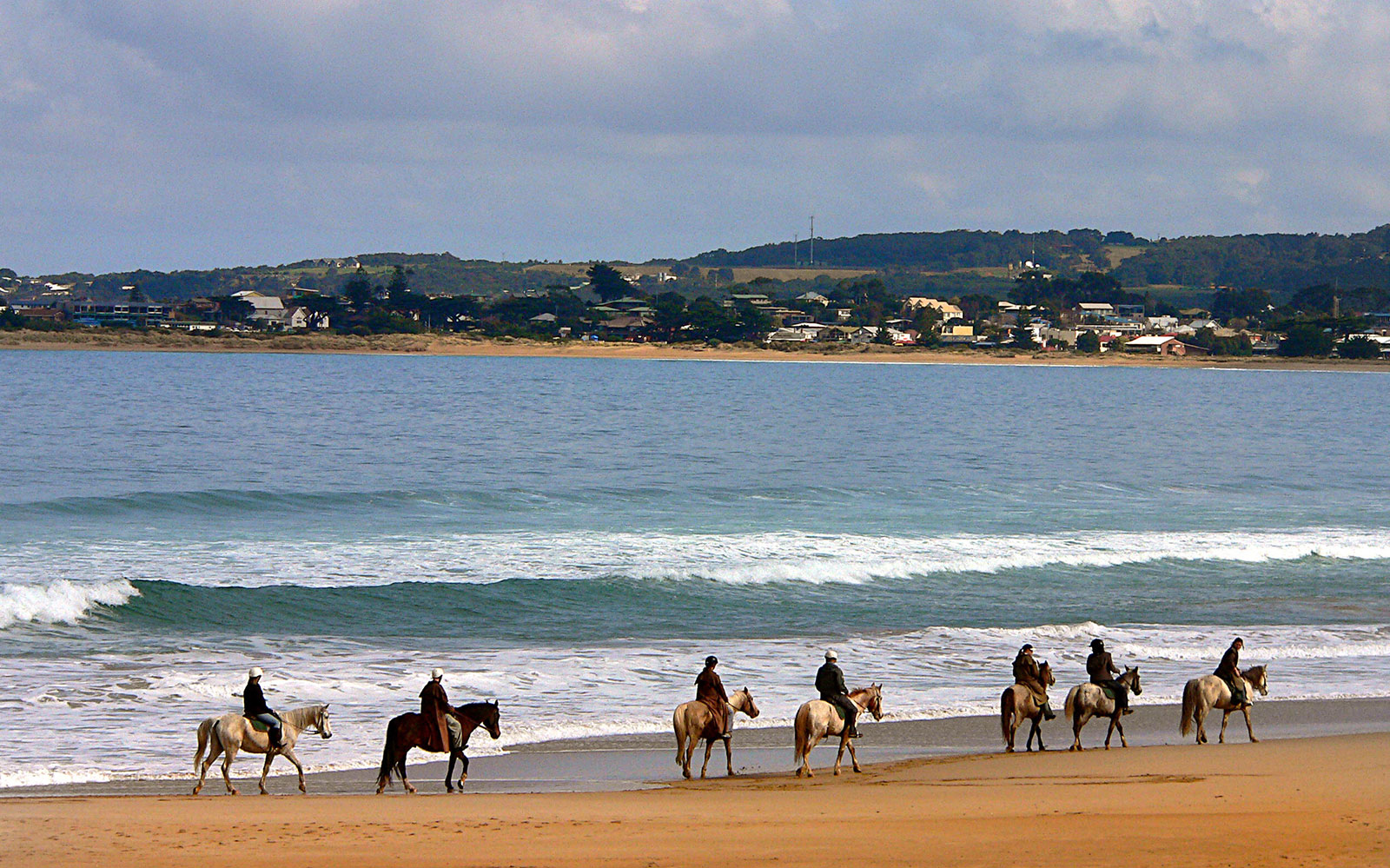
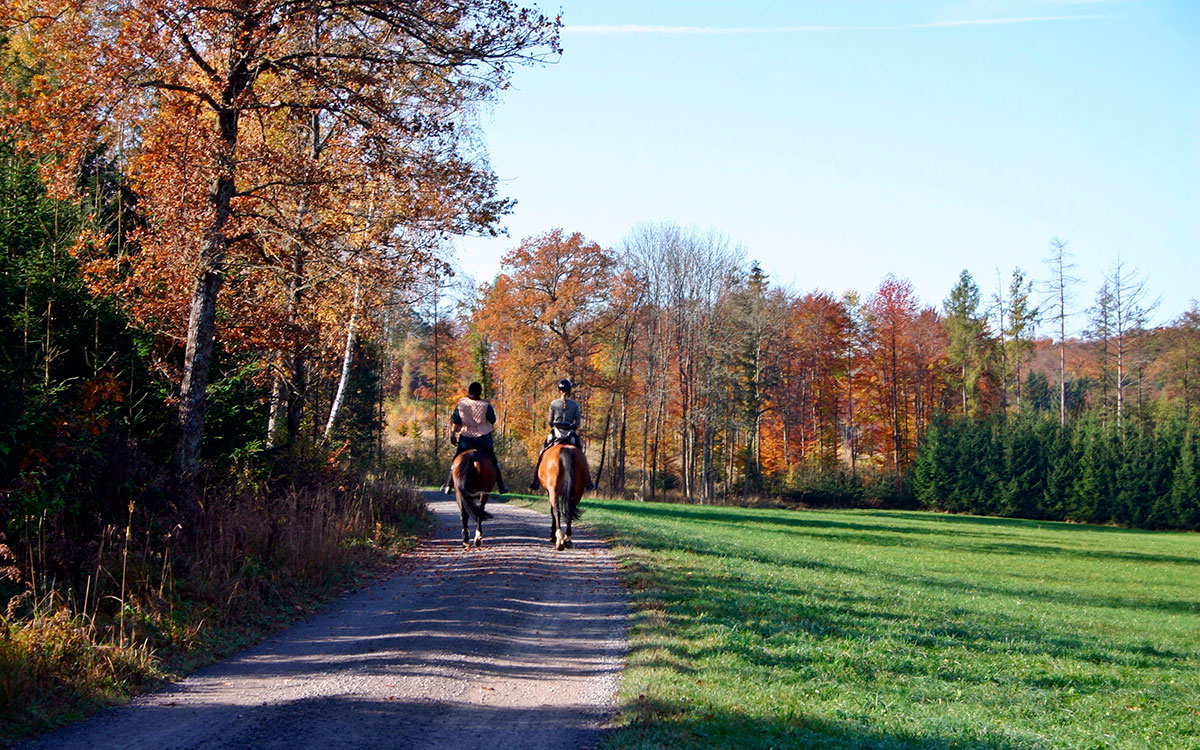
Equestrian tourism in the world
How do you see the future of equestrian tourism?
It has great potential. There are more and more specialized companies covering the tourist demand.
Do you practice equestrian tourism outside Extremadura? Have you ridden horses in other countries?
Yes, I do it whenever I can outside Extremadura. Abroad, I have enjoyed equestrian trips in South Africa and Portugal so far.
Do you know Peruvian Paso horses? Have you ever ridden one?
Yes, I know them, but I haven't had the opportunity to ride them.
Would you like to see the landscapes of Argentina on an equestrian vacation?
I would love to be able to get to know Argentina and enjoy a horse riding vacation through the Argentine Pampas.

Acknowledgements
Thanks to Vidal Carreño Suárez for sharing his experiences with us and talking about the horse riding routes of Dehesas Extremeñas.
The natural and cultural treasures of Extremadura are truly very attractive and experiencing the tradition of the Transhumance is a unique, exciting and highly recommended opportunity. .
Continúa leyendo
Este artículo es exclusivo para miembros.
To view this blog, please complete the form
Access full content
Comments (0)
No comments yet.


Comments
Leave your comment