
Tips for safe horse riding
Instructions from our experts at Ampascachi will make you more confident in the saddle. Wear a helmet and safe boots, make good use of the stirrups and learn good skills for handling your horse.
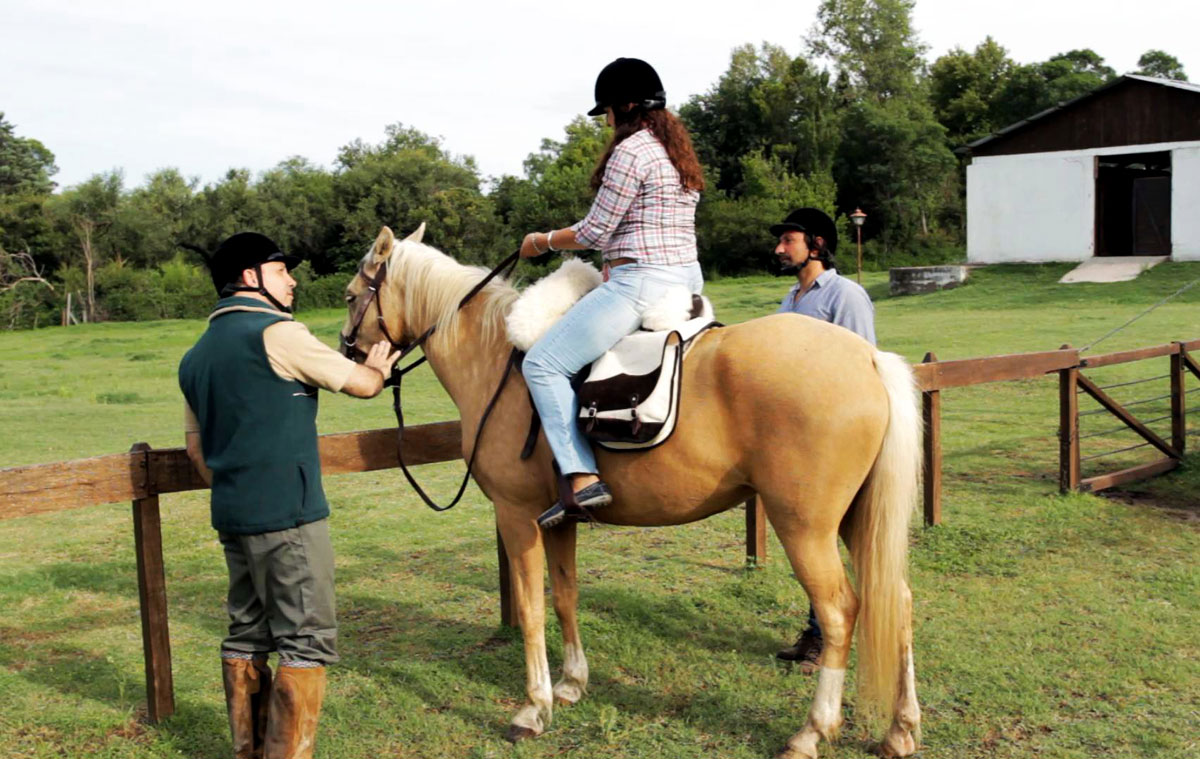
Be aware of the danger
Horse riding involves a certain amount of risk, as with any activity or sport. Depending on what you do, that risk can increase or decrease.
The horse is a living being and can, for example, get scared or behave unexpectedly, or stumble, causing you to lose your balance in the saddle and fall off the horse.
It is important to bear in mind that there are several factors that influence the risk: the height of the horse, the speed at which you are riding, the type of trail, whether you are riding in the countryside, the obstacles that may be on the riding trails, etc.
But don't panic, because you can learn to ride a horse safely, as with all the things or activities you do every day.
If you learn to ride carefully and respect certain rules, you will see how you can ride safely and thus be able to have the pleasure of riding through the countryside to get rid of city stress or practice a horse sport in a riding arena.
How can we prepare ourselves for the first steps?
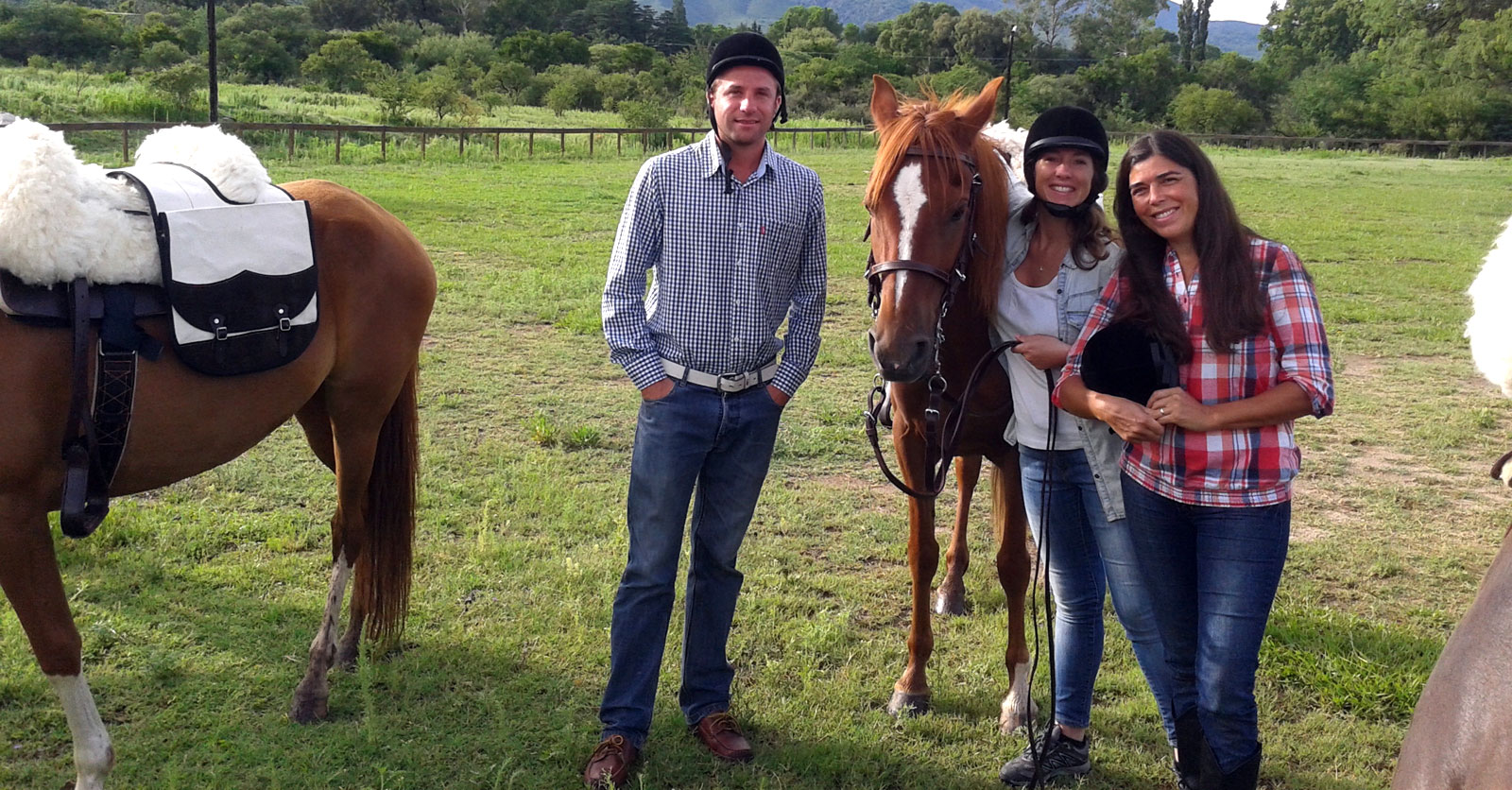
The safest way to learn to ride is with a qualified and experienced teacher or trainer and a calm horse, which could be yours or one from the riding school. In any case, learning is based on putting the rules and knowledge into practice, because riding is not something that can be learned just by reading about it.
Once you have acquired riding practice, you can read or watch videos, which, depending on your interest in improving, will help you acquire deeper concepts about horses, dressage and riding, but remember that you will have to practice until you get it right.
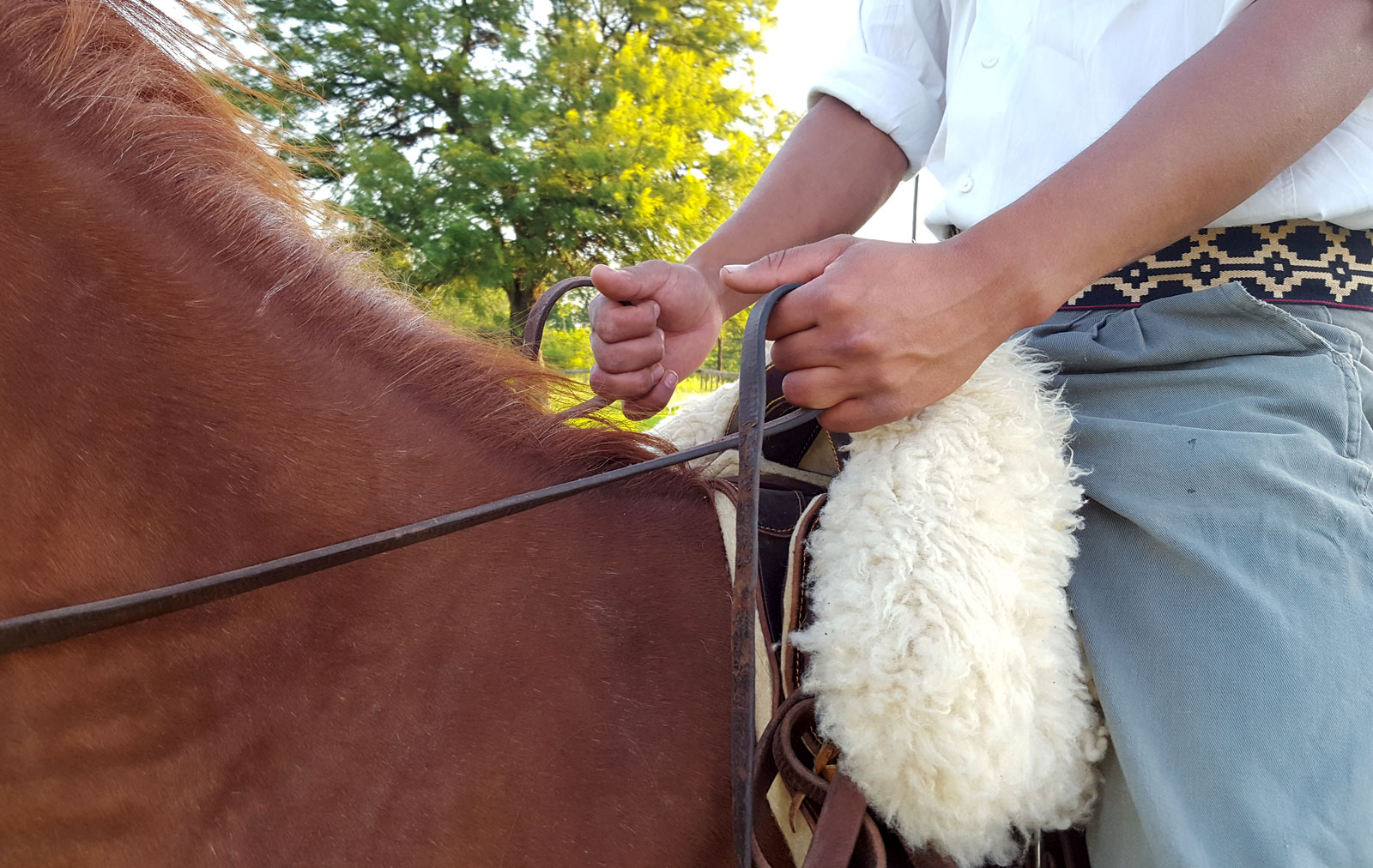
The teacher or trainer will teach you how to develop safe handling skills. Such as how to get on the horse and sit, how to hold the reins, how to move forward in walk, trot or canter, how to make transitions between these gaits, how to stop, turn, etc. It will also be with you to prevent you from developing bad habits and making mistakes that can harm both the horse and you or someone else nearby.
Tips for riding a horse safely
** We have put together a series of guidelines to follow for safe horse riding: **
When you start out, it is advisable to ride a calm horse, suitable for a beginner's level of ability, well-broken and accustomed to the mistakes a novice can make.
As mentioned above, start out with a teacher or trainer to learn to ride. Don't try it alone. This way you will be safe while you acquire enough skill to improve your safety.
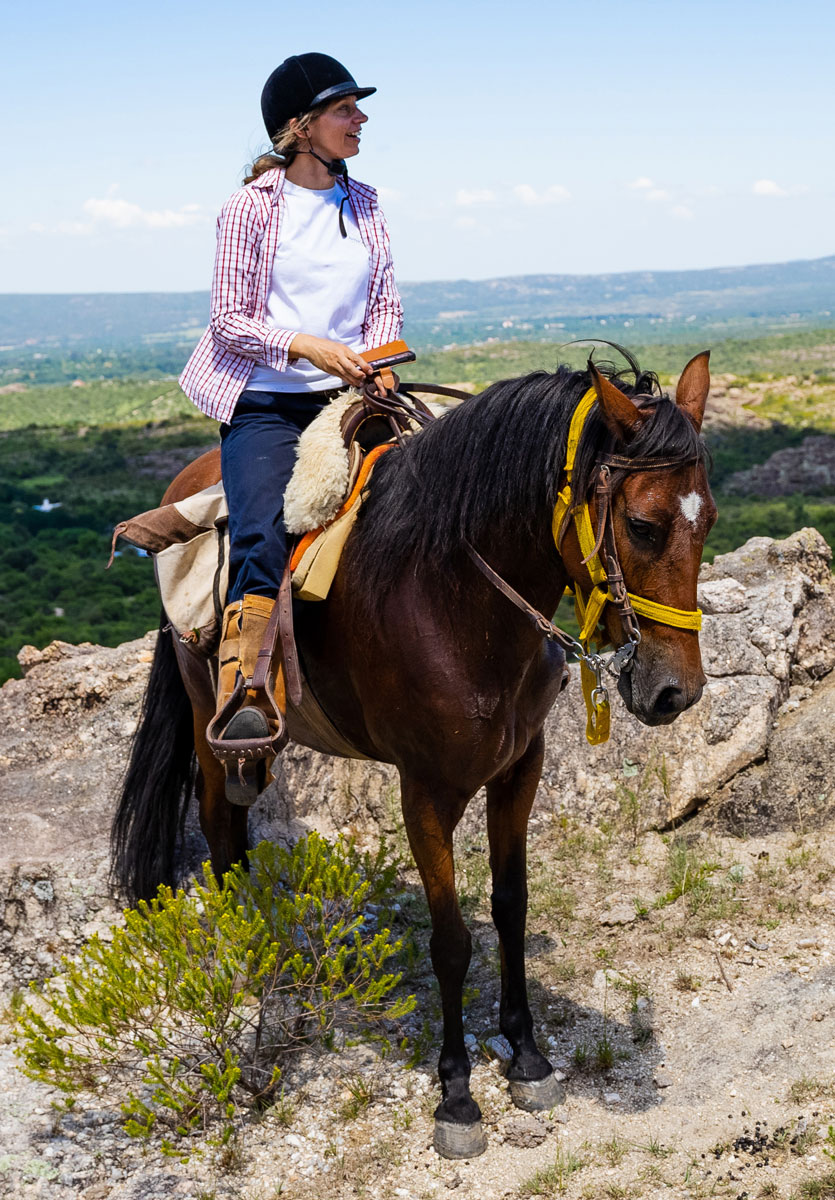
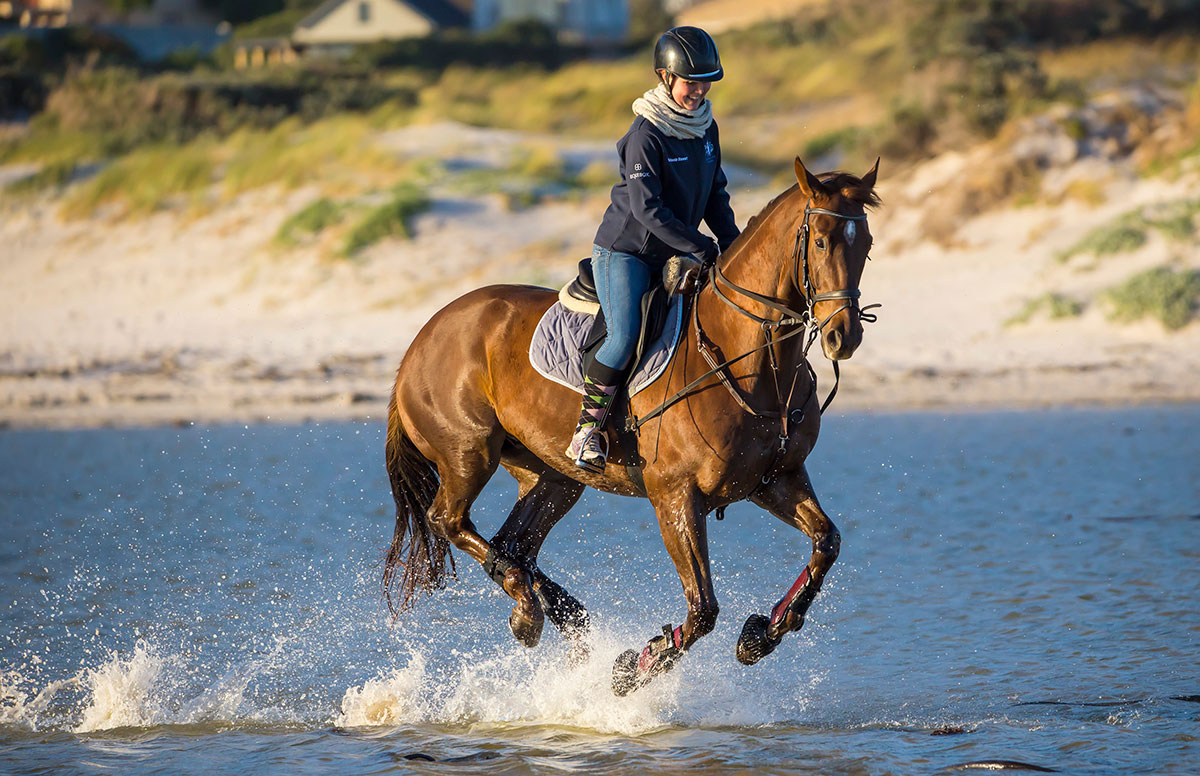
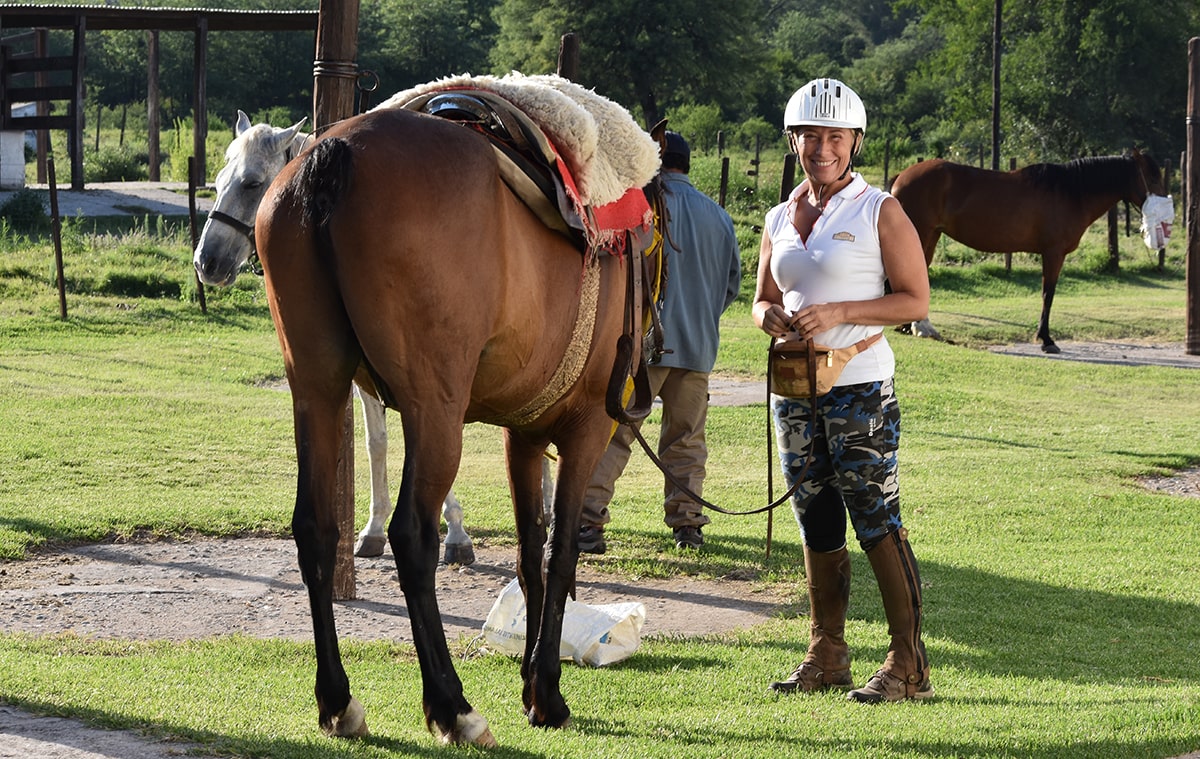
Use a helmet to protect your head. Most riding accidents involve blows to the head that can be prevented with a helmet. Curiously, many experienced people refuse to wear a helmet, especially when riding in the open countryside, but this is an act of recklessness, as even the most skilled can fall to the ground and hit their heads. Always wear a helmet whenever you ride.
If you are riding a young or recently broken horse, try to ride with another rider and first ride in places that are familiar to the horse. It is not a good idea to go out alone in these circumstances.
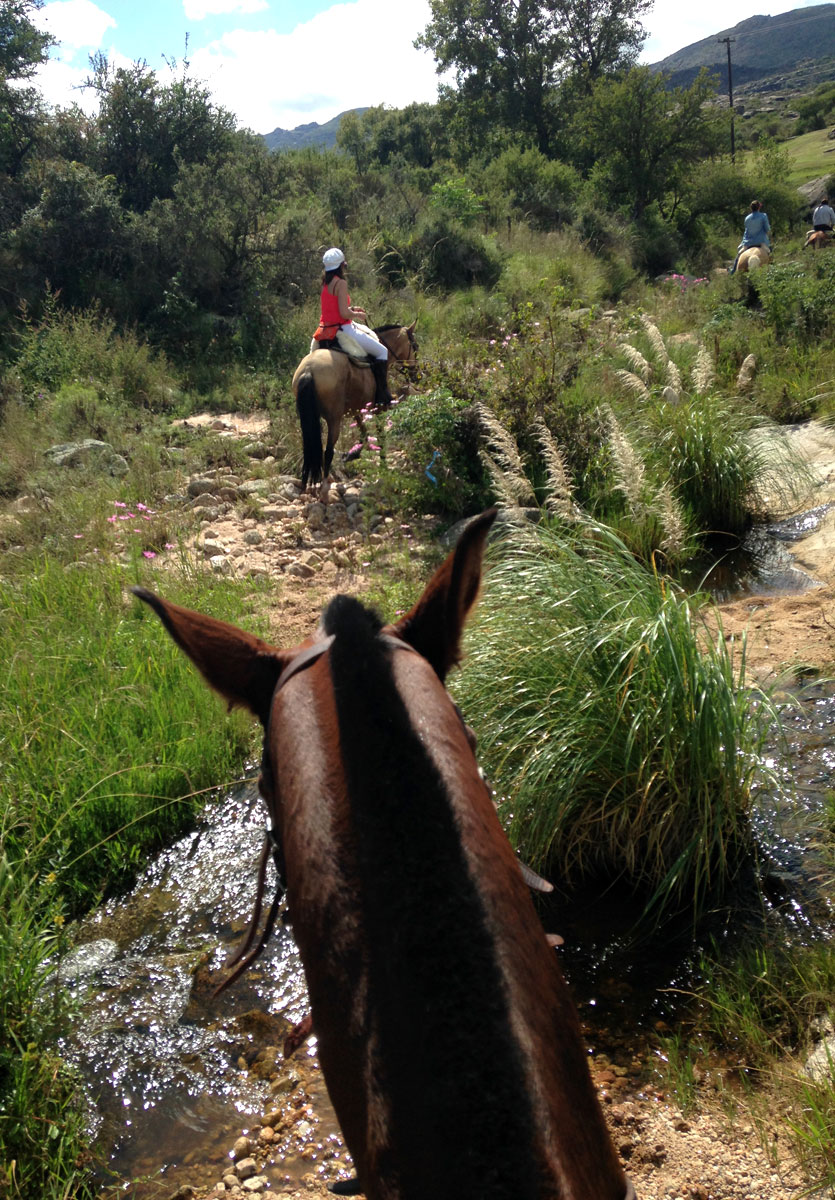
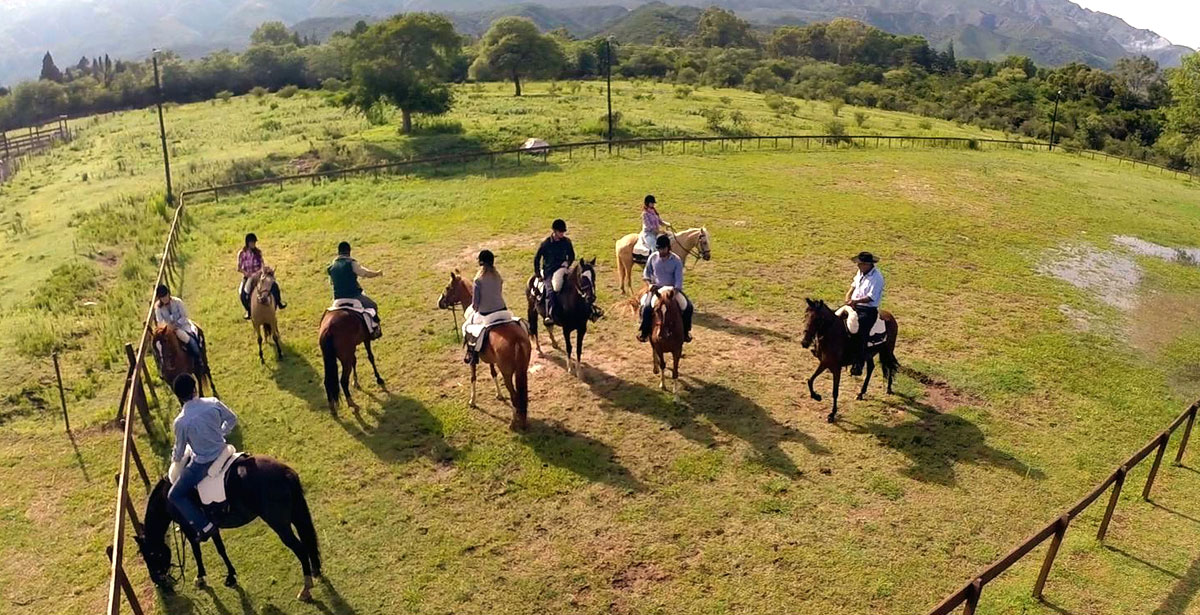
When riding in a group, try to keep a minimum distance of at least the length of the horse to avoid being hit if one of the horses kicks, or to avoid the rider if there is a fall.
It is advisable to wear a body protector and also to check the tightness of the girth and the positioning of the saddle before riding.
Periodically check all the riding equipment: reins, bridles, girths, saddles, halters, etc. to see if there are any breaks or weaknesses that could put you in danger while riding.
If your horse becomes overexcited, for whatever reason, it is preferable to dismount and try to calm it down from the ground.
Do not race, and if you do, do so on even terrain and only once you have gained sufficient experience of galloping.
Wear sturdy boots with a minimum non-slip tread and a heel of at least 2.5 cm. Lean well on the stirrups by inserting your foot only up to the widest part of the stirrup, not any further in, because if you fall you could get your foot caught in the stirrup, a very dangerous situation.
Learn how to perform an emergency dismount. It is better to deal with any situation of instability from below, i.e. getting off quickly increases safety.
Learn how to perform an emergency stop and turn.
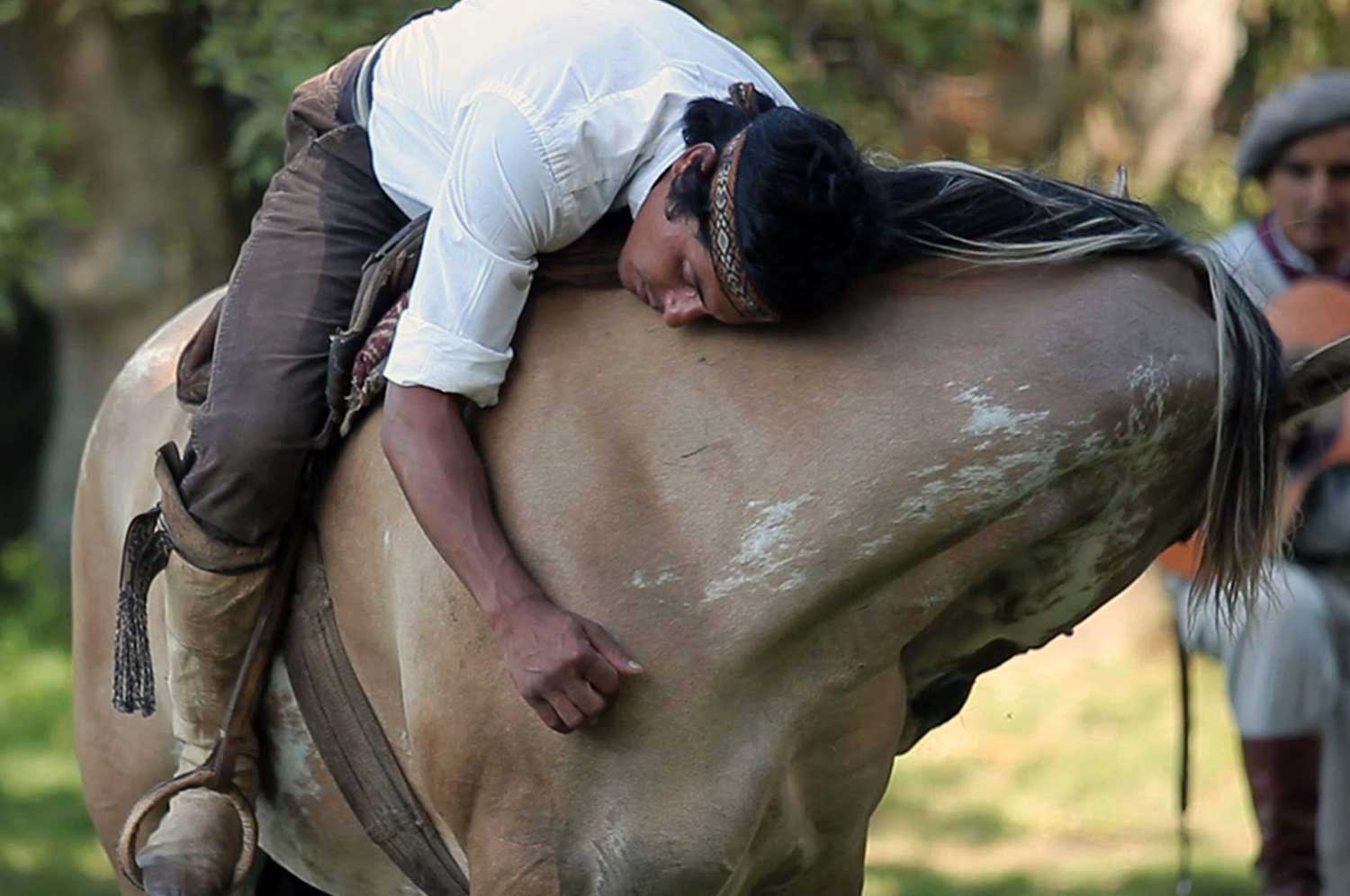
Learn how to fall. While this will not prevent you from getting hurt, it can help you avoid injury by learning how to fall away from the horse.
Very important: Always ride attentively, with everything under your control. This is the best strategy for avoiding a fall or accident when faced with an unexpected reaction from the horse, always because it gets scared. If you are attentive, you will be able to redirect the situation, especially if you are cantering or galloping.
Always try to ride with someone else and if you go out alone, leave a note saying where you are going and your approximate time of return, that way, if you don't come back, someone will know where to look for you. In both cases, riding alone or accompanied, carry a cell phone and if there is no signal for these, if possible, a radio transmitter.
Avoid walking on the side of the road as passing vehicles or trucks can frighten the horse and cause an accident.
Do not gallop your horse back to your house or the equestrian center from where you set off. This could cause the horse to behave as if it senses that it is returning home and wants to hurry, making it difficult to control. Furthermore, it is not good for a horse to suddenly stop after riding at a fast pace. This can cause cramps or some other type of problem. Therefore, at least one kilometer before arriving, reduce the horse's speed to a walk, so that it reaches its final destination relaxed.
When riding in a group, try to set the pace according to the ability of the least experienced rider.
Watch out for children. They may move close to the horse when you are riding. They must learn to move slowly, without sudden movements or shouting, which may frighten or distract the horse.
Keep these tips in mind, but there's no need to memorize them. As you learn to ride and with practice, you will assimilate all the instructions described in this article. Before long, you will be doing them regularly without having to remember them.
Comments (0)
No comments yet.


Comments
Leave your comment