
The importance of a suitable Saddle
Horses have been great allies of humans. The relationship we have had with them has varied over the centuries.
Since their domestication, horses have been used for different types of work. In the countryside, as a means of transport or in wars.
Originally, horses were ridden bareback, that is, without a saddle. This made it difficult for the rider to balance on the horse and to control it.
With a saddle, the rider's weight is better distributed, the animal gets less tired and suffers less. The rider is also more comfortable and can ride for longer.
We can define the saddle as a riding tool that allows the rider to tame and control the horse with ease, securing it to prevent falls when riding at higher speeds.
Origin and evolution of the saddle
But do we know who invented the saddle and why it caught on so quickly?
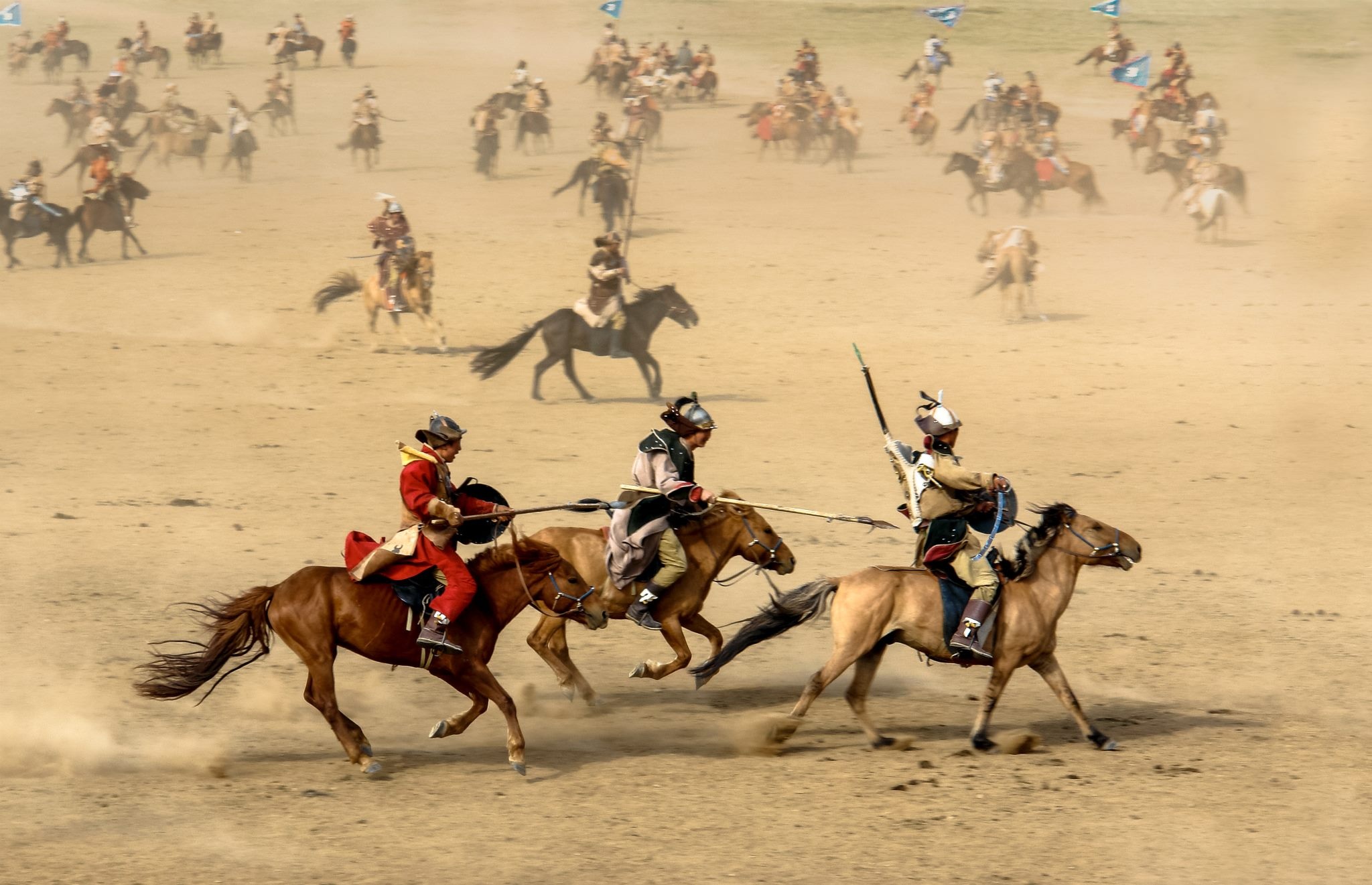
It is believed that the saddle was invented more than 2000 years ago by the tribes that lived in the Asian steppes, a place where the horse is essential for traveling long distances.
Furthermore, the use of the saddle made the horse an ally in wars, as the warrior felt more firm and secure and could fight better.
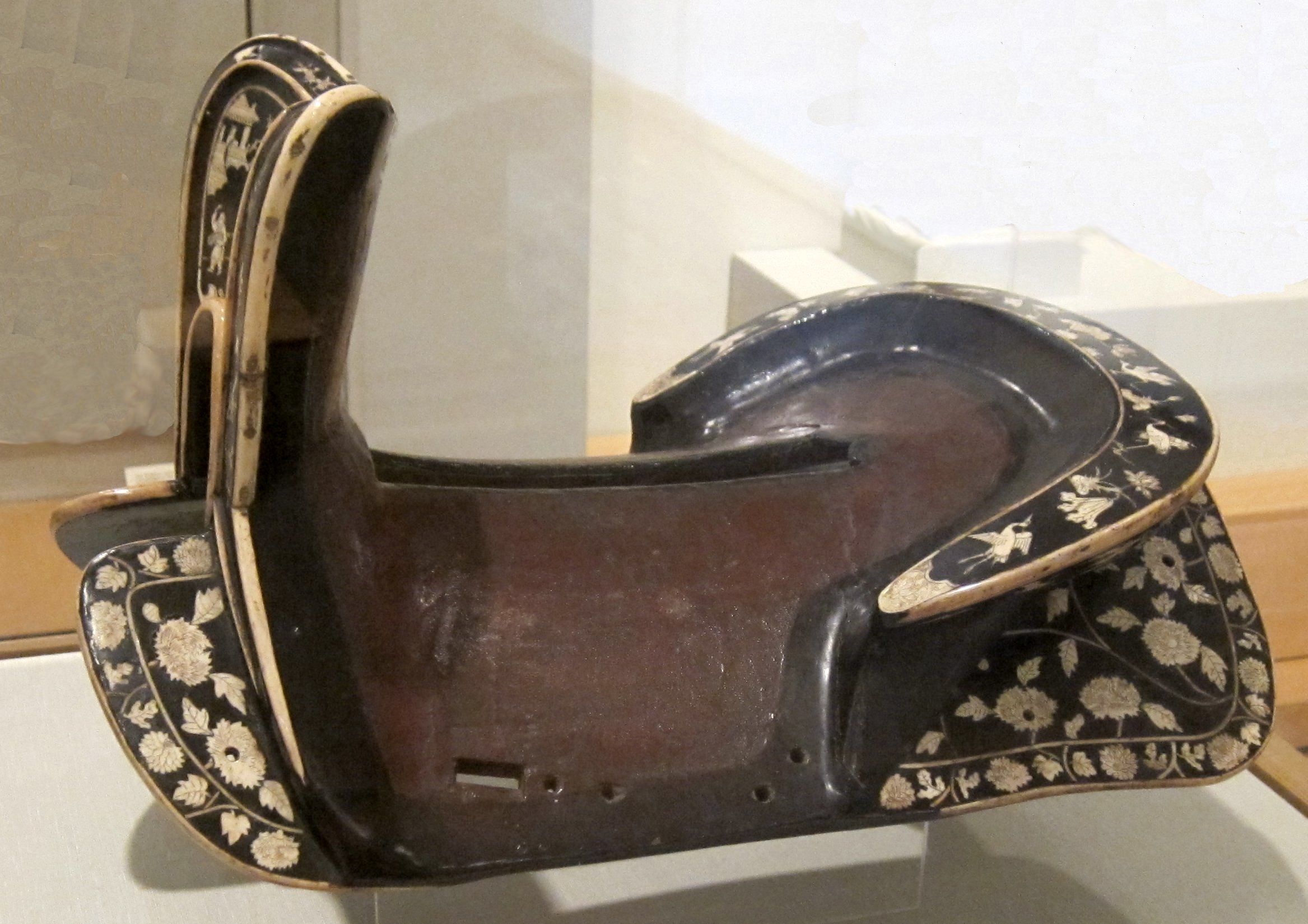
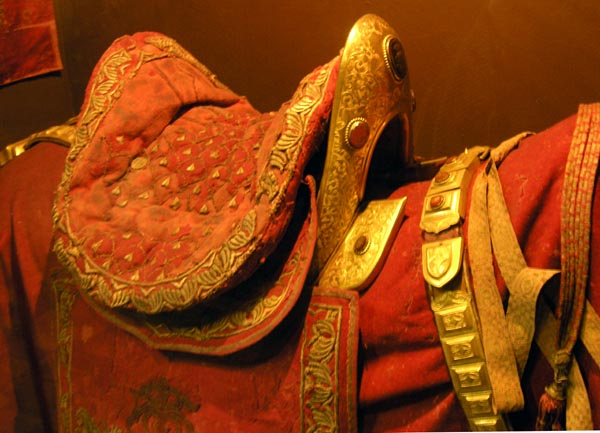
At first, the mounts were simple strips of cloth that surrounded the horse, but they soon evolved into increasingly elaborate leather saddles.
The first object resembling a stirrup was invented in India and consisted of a simple leather strap on which the rider placed the tip of his foot. It is believed that the nomadic tribes of northern China were the inventors of the modern stirrup.
jpg'/>
As time went by, the design and comfort of the saddles were modified for both the rider and the horse, evolving from the large medieval wooden frames to the stylized English fox hunting saddle.
The different parts were adapted, creating different types of saddles according to their function. Thus, for example, the stirrups went from being very low, with the legs hanging down, to being used for mounting. This is the case with English saddles, allowing the legs to be slightly bent, facilitating jumps.
Characteristics and elements that make up a saddle
Before explaining each type of saddle, we must understand that there are several elements that make up a saddle and know these concepts.
These are the parts that make up a saddle:
- Tree: this is the support on which the saddle is attached, the skeleton of the saddle. In the past it used to be made of wood, but nowadays they are made of synthetic materials, which are more adaptable to different horses, lighter and more resistant.
- Seat: where the rider will sit. Its depth will depend on the type of saddle.
- Flaps or bars: these are two pads located symmetrically under the saddle that come into contact with the horse. They prevent the horse's spine from coming into direct contact with the saddle and suffering physical damage. They rest on the horse's back, distributing the weight and cushioning the impact of the rider on the animal. They are filled with foam rubber or latex.
- Flaps: these are the pieces of leather that go on the sides of the saddle and prevent the rider's legs from rubbing against the horse's side.
- Knee roll: this is the part in front of the flap. It supports the rider's knee and helps the rider to maintain a good position.
- Girth: this is the strap that goes around the horse's chest and holds the saddle on its back.
- Reins: these are the straps placed under the skirts. They hold the girth in place.
- Stirrups: this is where the rider places his feet. There are different models depending on the type of saddle that is to be used. They have a movable part that can be broken to free the foot in case the rider falls.
- Straps: these are the two straps that attach the stirrups to the saddle. They can be adjusted to suit the height of the rider.
- Stirrup bar: this piece attaches the straps from which the stirrups hang to the saddle.
- Horn: piece that protrudes from the front of the seat. The horn is used especially in livestock activities, since it is where the rope or lasso used to restrain the cattle is tied.
- Rear flange: piece that protrudes from the back of the saddle. In saddles where it is more raised it is also known as a shell.
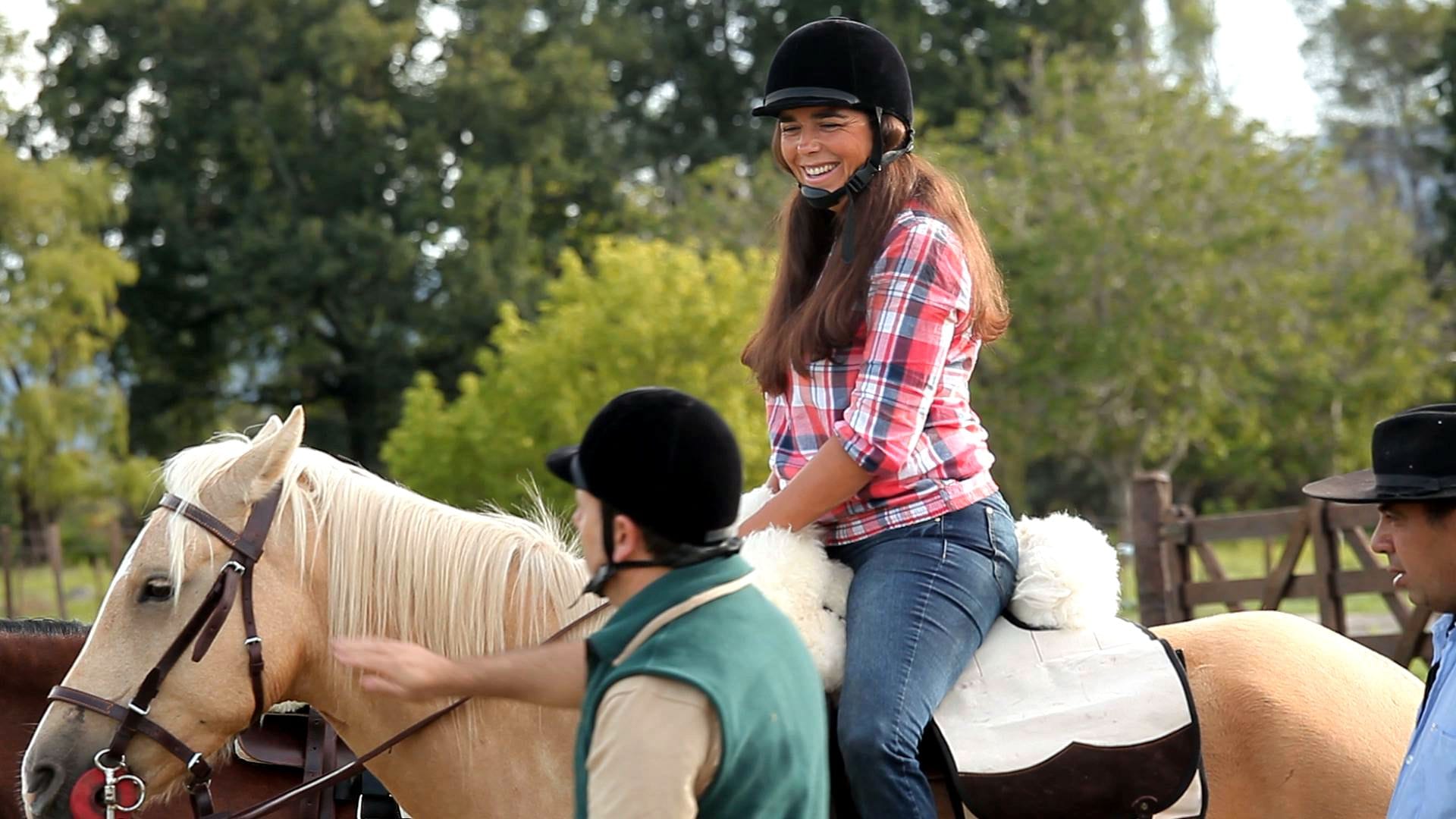
- Sheepskin: the sheepskin cover that is placed on the Spanish-style saddle.
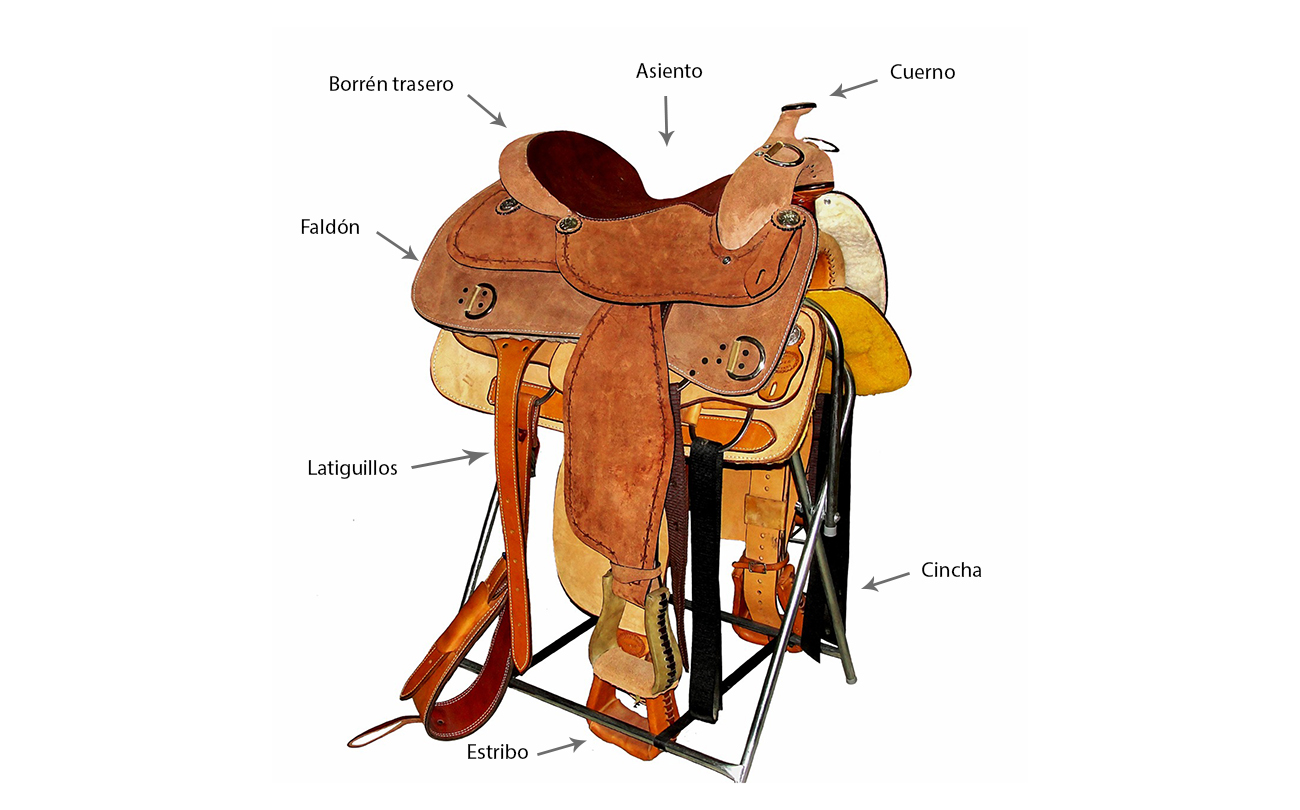
It is also important to take into account some characteristics of the saddle:
-Weight: This depends on the type of saddle. English saddles are lighter than western saddles. As a recommendation, the less they weigh the better for the horse, as it is the horse that bears the weight. -Materials: There is a wide variety. It is advisable to look for a soft saddle. -Size: These are measured according to the weight of the rider.
Types of horse saddle
There are many types of saddle. The type recommended depends on the activity and the level of riding of the rider.
Choosing the right saddle for each rider is very important, as it will determine the comfort of both horse and rider when riding.
Let's look at the different types of saddle:
- English: Also known as a mixed or general purpose saddle. They are the most suitable for beginners. Highly versatile. Comfortable, small and lightweight. It is the most widespread. Its simple and effective structure makes it a very common seat in various equestrian competitions.
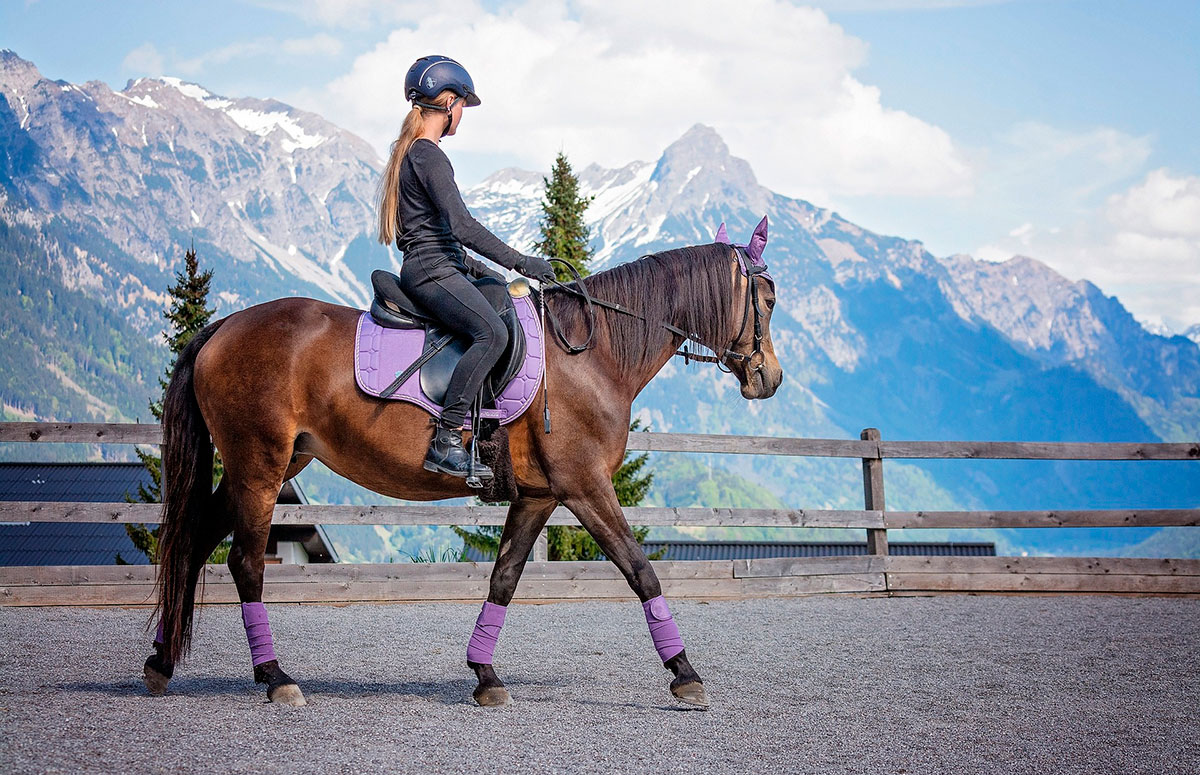
Spanish: Very comfortable for both horse and rider. It leaves the withers completely free so that the animal has freedom of movement. It is used for long rides thanks to a wide seat and long stirrups that allow the legs to be stretched out almost fully. This position is much appreciated when riding for a long time.
- Vaquera: Smaller than the Spanish saddle, but just as heavy. It is usually placed on top of a blanket that is used to make the horse feel more comfortable. It is distinguished by its front horn, which is much bigger and stronger than in other saddles, as it is designed for cattle. To get a graphic idea, they are the ones in western movies.
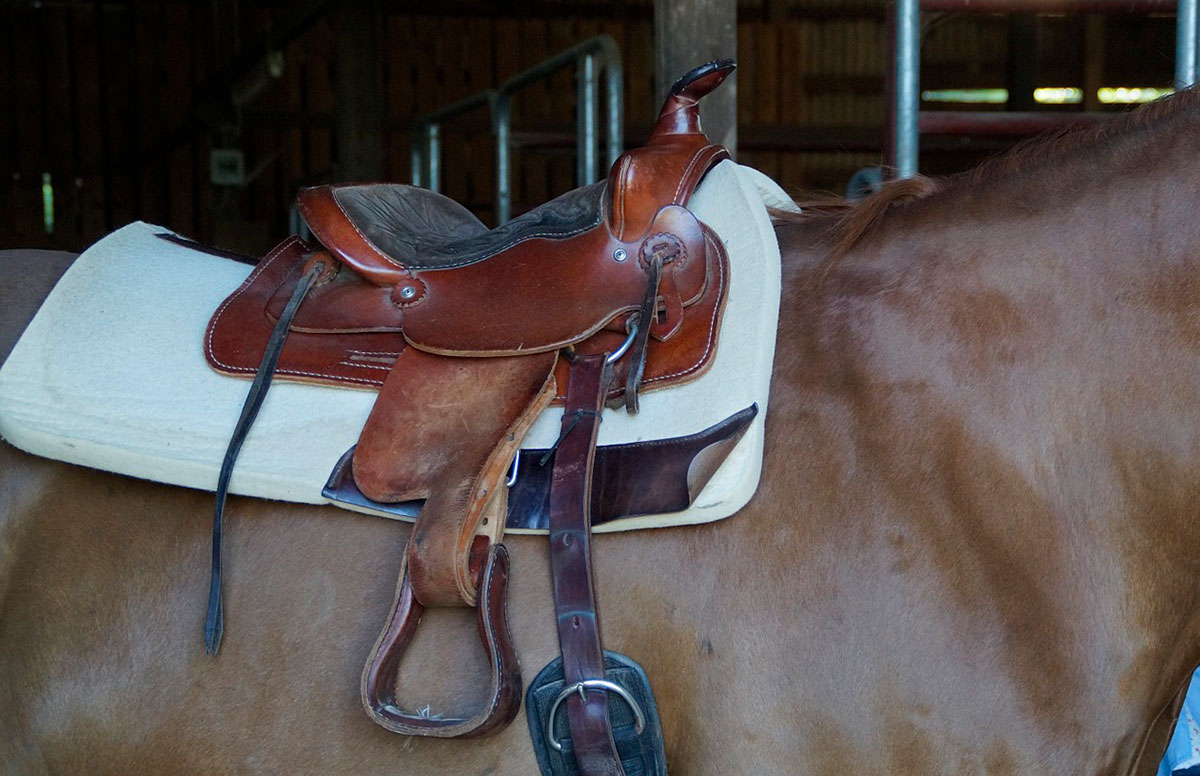
- Australian: Similar to the cowgirl except for two differences. One is the depth of the saddle, greater in this class, and the other is that the horn is smaller since in this country the majority are sheep with less strength than cattle. It is intended for horses that work in fields, with livestock or in rodeos.
- For trekking or riding: It weighs very little and is very ergonomic. Its seat is loose and padded down to the flaps as it is designed for long journeys. Very suitable for equestrian tourism.
- For dressage: Similar to the English saddle, but with a wider seat and longer side skirts so that the rider can adopt a position with their legs stretched out and thus maintain a more upright position. They are very comfortable and soft, facilitating the rider's maneuvers.
- Natural dressage: It is limited to a thick blanket with buckles and stirrups. Very thin as it is designed to facilitate the greatest possible contact between horse and rider. A very difficult saddle to handle, especially at a gallop, as the seat is not restricted, so the rider must have a lot of balance.
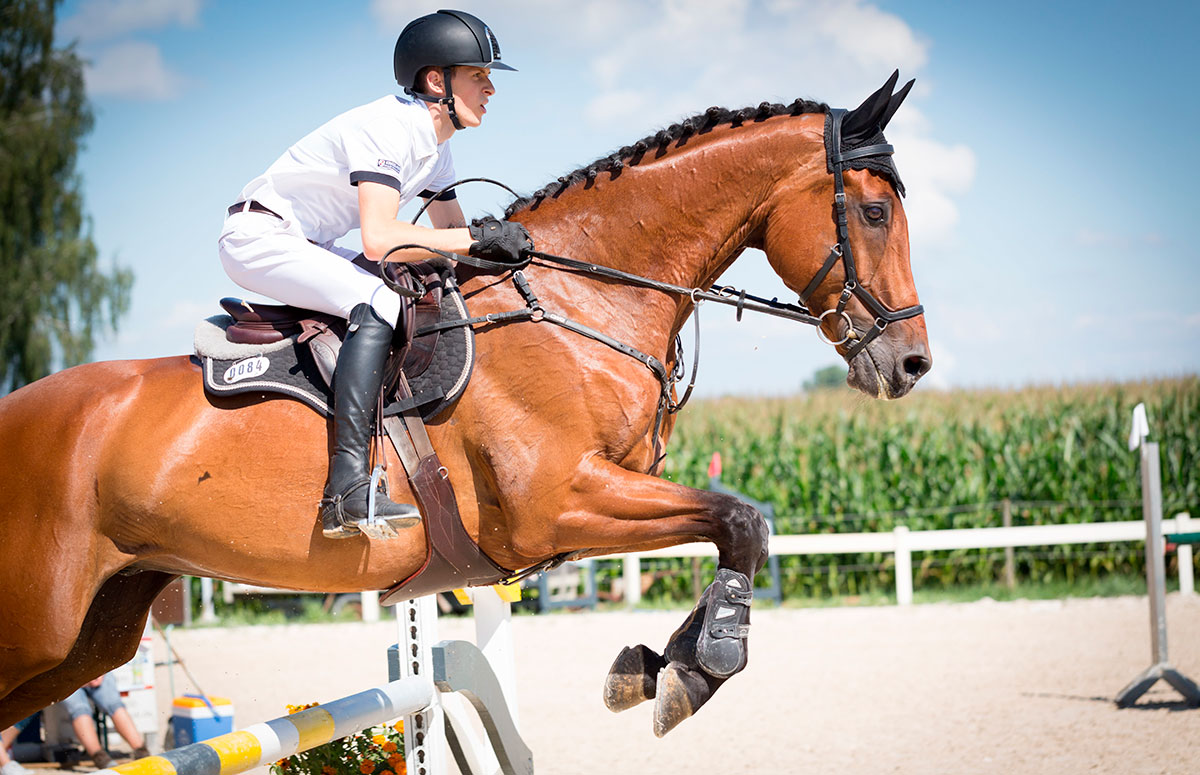
- Jumping: It is very light, adapted for the great effort that the horse has to make in this discipline. It is specially designed to give the rider balance and security during the jumps. The flap is oriented forward to enhance the grip of the rider exposed to sudden movements. Many have padded knee pads to facilitate leg support.
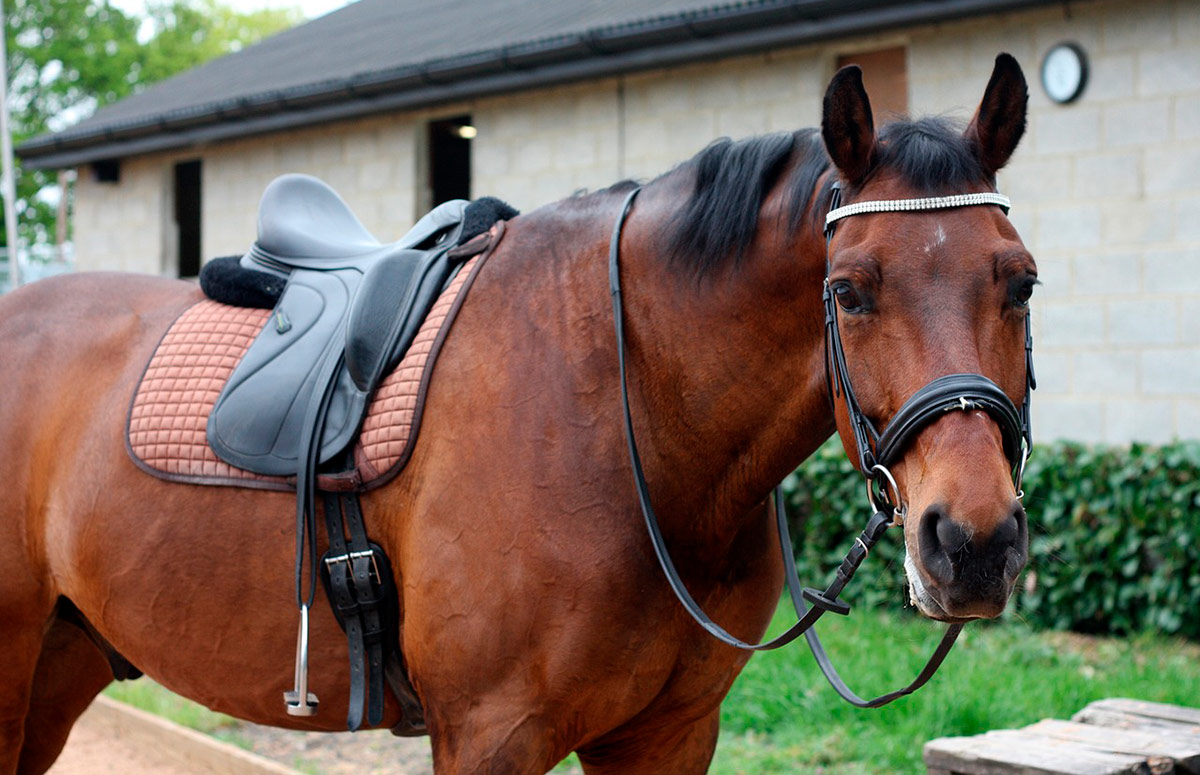
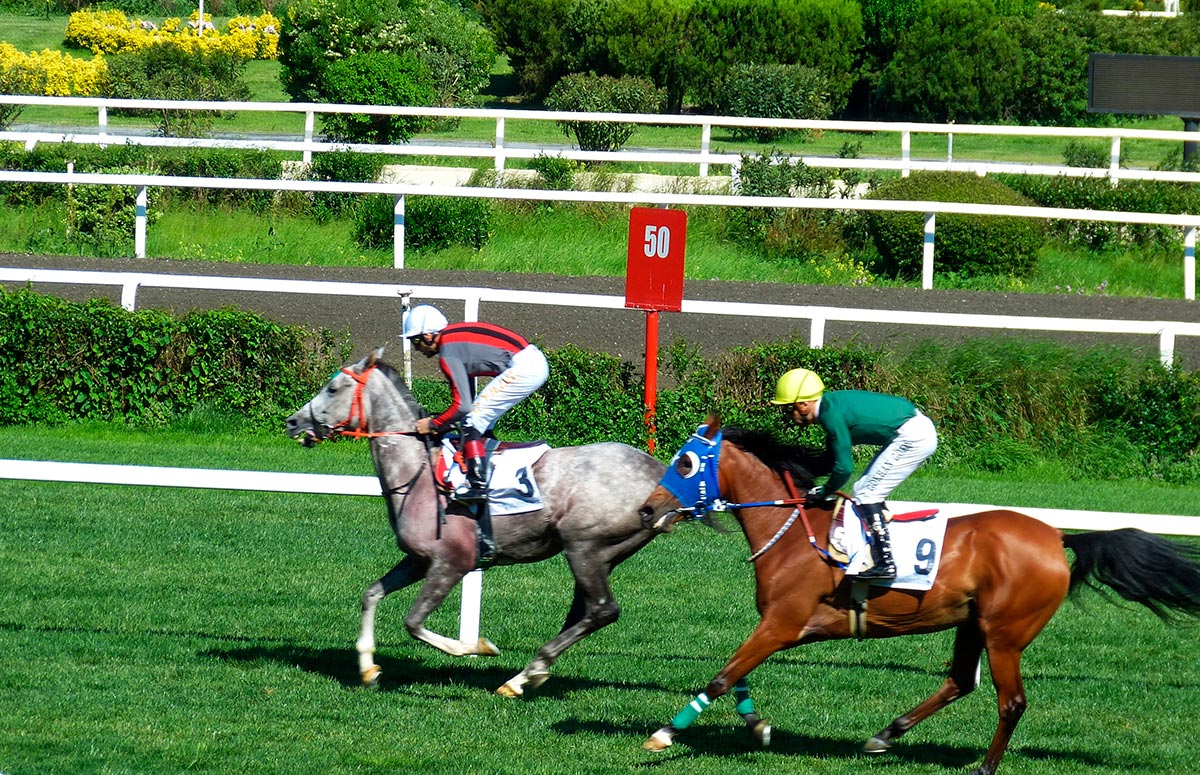
- Racing: The smallest and lightest, together with the jumping version. The stirrups are very short so that the rider is positioned as aerodynamically as possible, suspended above the horse.
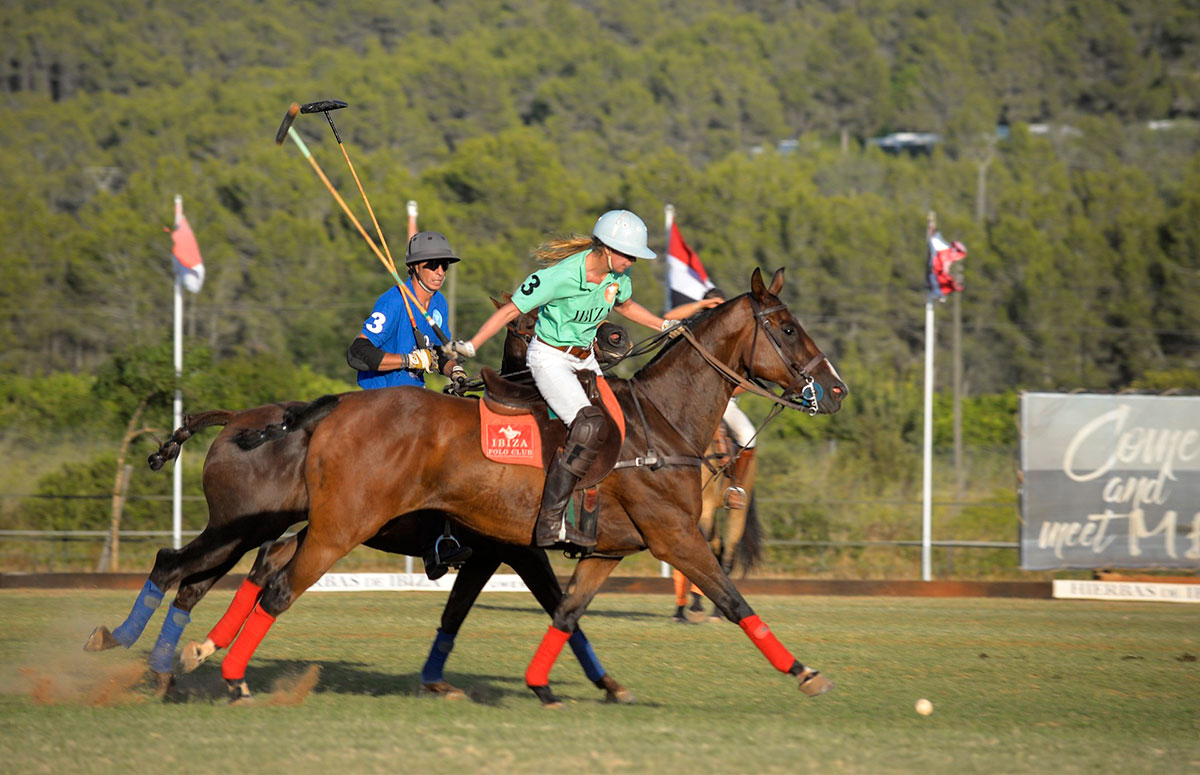
- Polo: Small and with a skirt at the front to allow the rider as much freedom of movement as possible to play the game. It is used with girth straps. It should be borne in mind that this is one of the most demanding equestrian sports and this freedom of movement is essential.
- For riding: This saddle is unusual because it is designed for riding with both legs to the left of the horse. Initially it was the type used by women. They are wide, flat and uniform seats, so that the rider adopts a different position.

Some tips for the maintenance and care of the saddle
Finally, it is important to maintain and clean your frame properly. Here are some tips we would like to share with you:
- Cleaning equipment always at the ready: bucket, sponges, glycerine soap, chamois leathers, bristle brush, small toothbrush, polish or leather grease.
- Daily cleaning: clean gently after each use, using a sponge dampened in hot water to remove any remaining mud stains. After leaving it to dry, apply a little grease or soap to the leather and leave it until the following day.
- Thorough cleaning: twice a month, to prevent damage to the leather. After cleaning off any mud particles, wipe the leather with a damp sponge, rinsing the sponge several times. After drying it in the open air, clean it a second time with glycerine soap, which nourishes and softens the leather. Wipe the leather with the soap while it is still wet.
- Cleaning synthetic chairs: in this case we will use water and neutral soap and dry it properly.
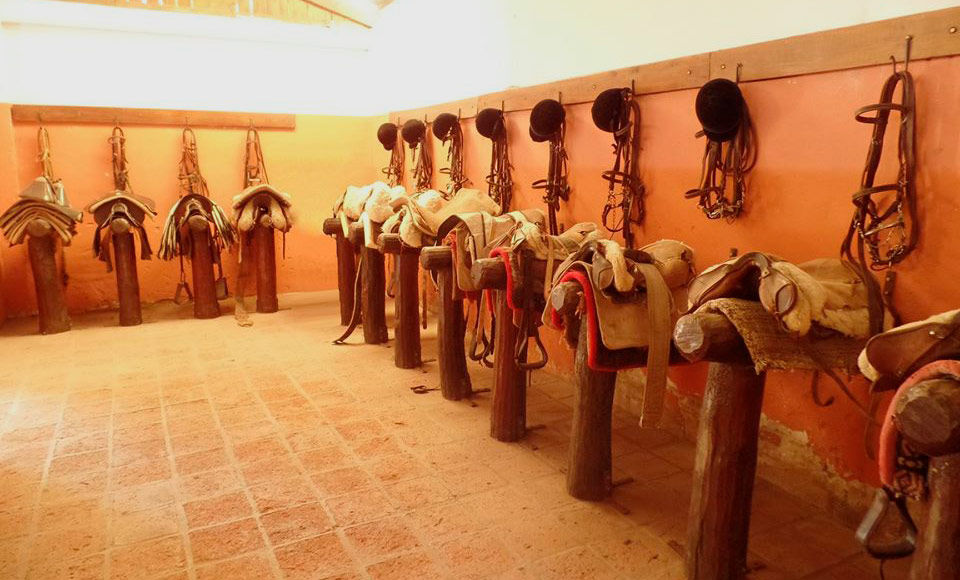
- Storing the chair: it should always be placed on a chair rack and in a place that is not too hot and not too dusty or humid. The ideal temperature for leather is 20ºC. If it is not going to be used for a while, we will store it in its cover.
In summary
As you can see, the saddle is one of the most important parts of equestrian activities.
It is necessary to know which saddle is the most appropriate in each case and to maintain it properly.
We must also bear in mind that in each country you can find personalized saddles, adapted to the environment and the needs.
At Ampascachi we design our own saddles, taking into account the breed of horses we use on our horse riding trails.
As breeders of Peruvian Paso horses, we decided to design saddles that would adapt to their build and their way of walking, so that during the horse riding routes the comfort and safety of both the rider and the horse are paramount.
Comments (0)
No comments yet.


Comments
Leave your comment