
Why wear a riding helmet?
Reasons for wearing a helmet when riding a horse
The risk of accidents in equestrian activities exists and we must reduce it. It is necessary to use safety measures, such as wearing a riding helmet.
Wearing a helmet is very important to protect your head.
Don't underestimate it, because it can save you from an unexpected blow in an accident.
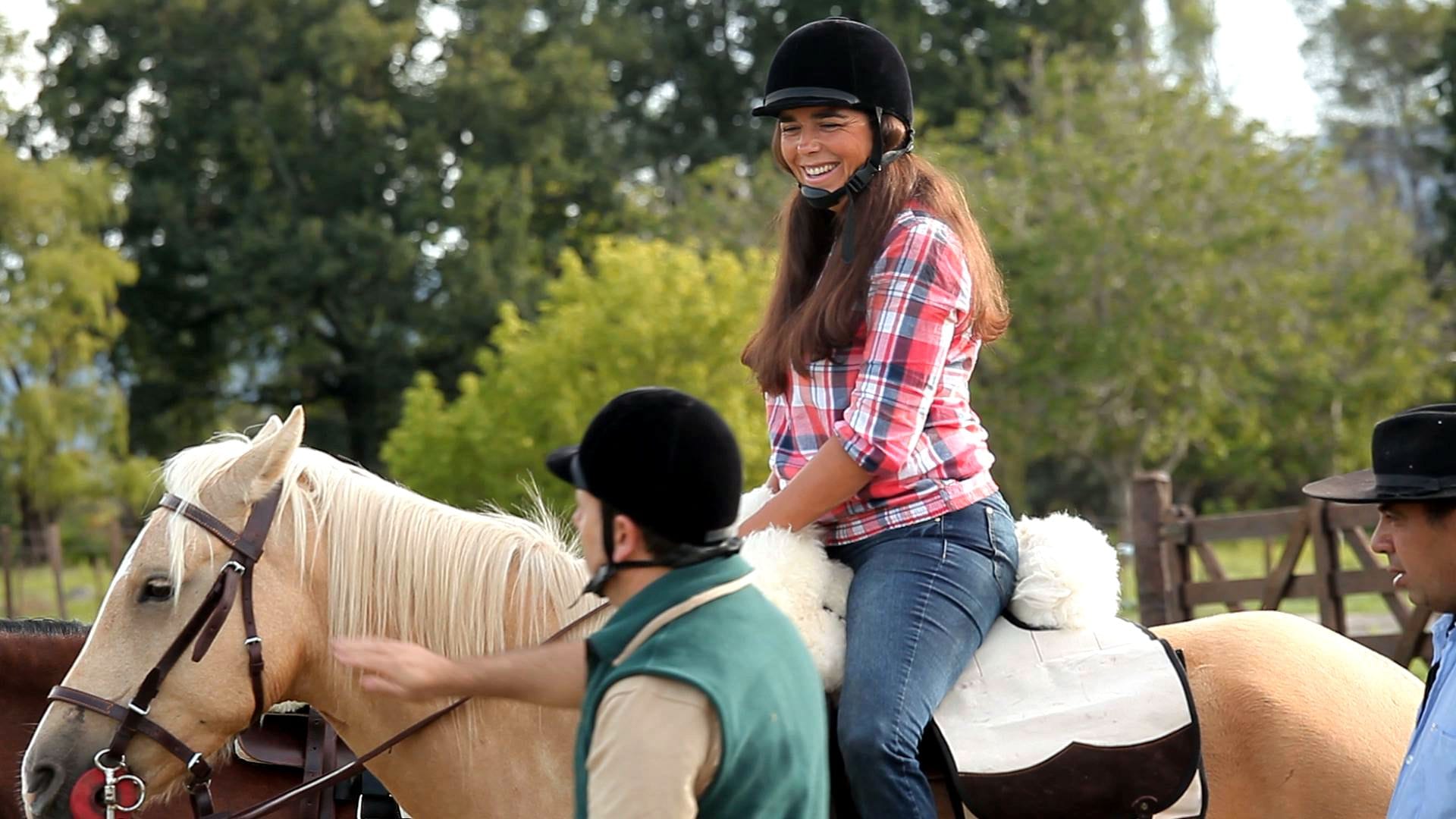
Many times you may have asked yourself: “Is horse riding risky?” even if you know how to ride and you go out riding in the countryside from time to time, or also if you are attracted to horses, and you would like to learn to ride.
It is risky like many other activities, beyond the statistics, because when an accident happens, even if it is minor or serious, the statistics will not matter to the people close to the person who has suffered the accident, but they will feel the direct effect of it.
For this reason, and I repeat, to make horse riding safer, as in many other activities, we must incorporate the use of a helmet as a protective element that reduces the serious consequences of a possible accident, just as we use it when we ride a motorbike, or a horse or car racer, a worker or construction personnel, etc.
Like everything in life, there are different opinions on the subject, although most riders do not deny that the helmet helps a lot to protect us from an eventual accident. Many of them, especially the more experienced ones, tend not to use it because they think that nothing will happen to them, but let's remember that a horse is a living being that tends to get scared by something unexpected and if the rider does not keep calm and does not know how to control it , they can have an accident, but even if they don't panic, we can still have a fall.
But then: are we going to abandon the extraordinary experience of horse riding, especially in the countryside experiencing the wonder that nature gives us, because we can have an accident?
The answer is definitely NO.
Let's just make it safer by wearing a helmet, and below I want to give you some reasons for doing so.
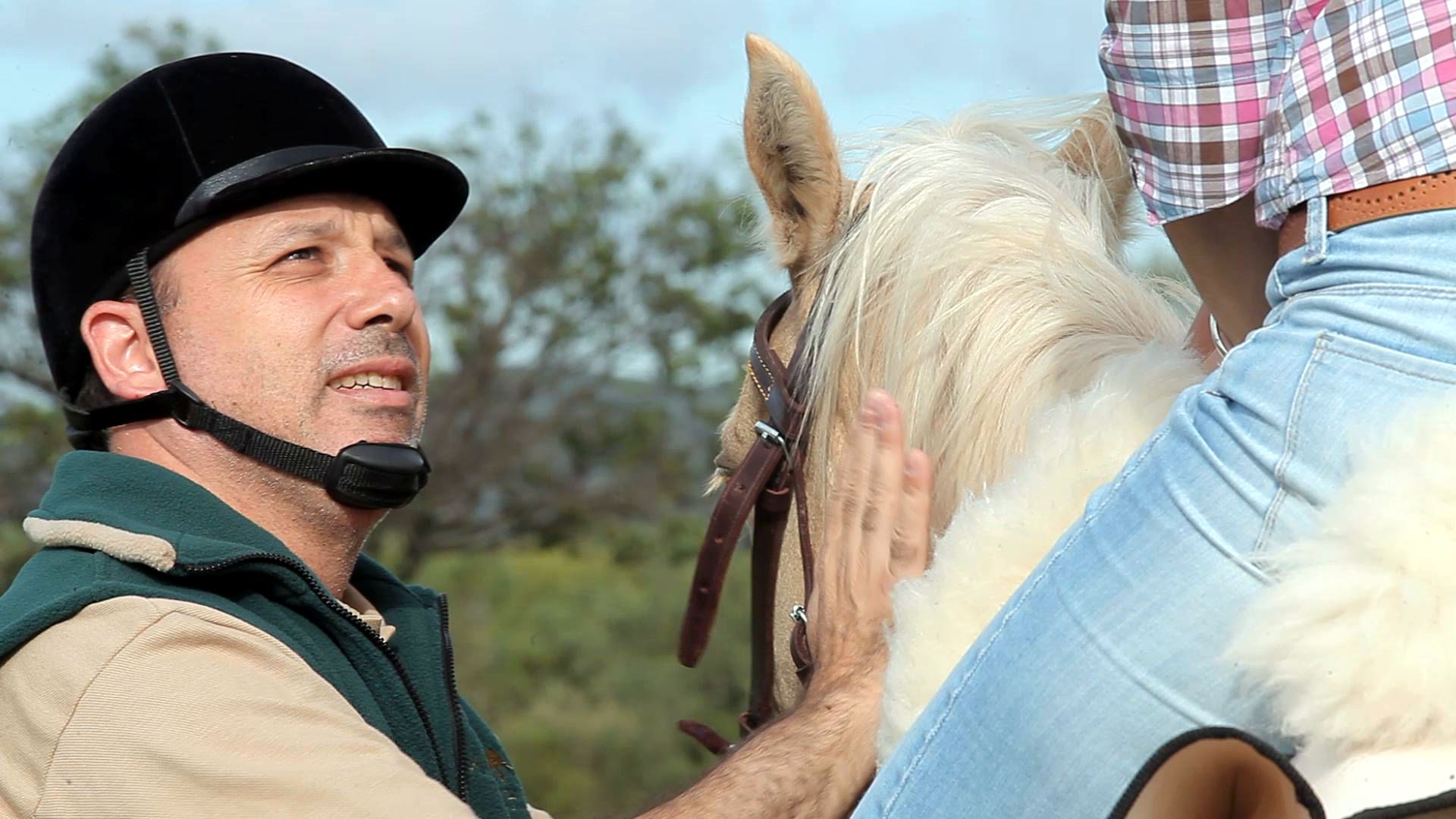
Even your own horse can put you in danger
I have met many riders who know full well that riding a horse is dangerous, but they think that when they ride their own horse, which they know well, this risk does not exist.
The problem is not just that the accident happens because your horse reacts badly and tries to buck and throws you out of the saddle and you fall to the ground. The horse can fall because it stumbles, or because it slips on the ground, etc.
The helmet does not replace other safety measures that you should take when riding, but in the event of an accident, which does not depend on the behavior of your horse, you can suffer a fall, and the helmet will be there to protect your head, especially when you are riding in the countryside, or practicing show jumping.
Helmets work for what they are designed for
Of course, the helmet will not cover your neck or your back, as they are only designed to protect your head.
Nor is it an absolute guarantee that you will not suffer a head injury, but rest assured that the severity of the injury will be much less if you wear the helmet.
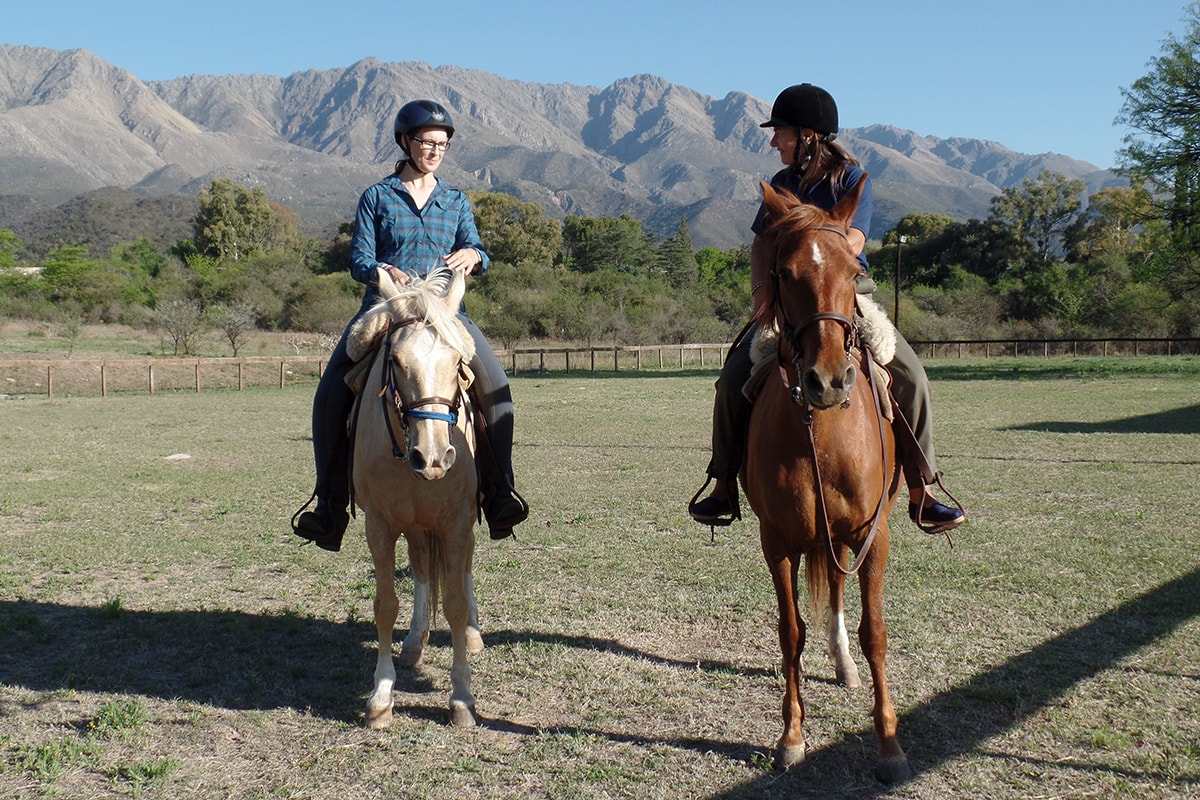
Helmets are easy to use, affordable and for all tastes
- Helmets are extremely easy to put on, it may be a bit complicated to have to move around with it, but you put it on and adjust the strap easily. Remember that hitting the hard ground is worse for your head without a helmet.
- In addition, helmets come with special covers, with which you can keep it clean and free of marks, which is essential if you participate in a competition.
- As for prices, of course there are helmets costing over a thousand euros, but you can also get approved helmets for much less, and they are just as safe. Many equestrian shops have very good special offers.
- And finally, there are helmets available in a variety of shapes and colors, different brands, and enough variety to satisfy your most demanding personal tastes.
Time in hospital, your investment and your horse
No one expects to have to spend time in hospital as a result of a riding accident.
You could spend up to seven months recovering from a concussion or broken bones. It's time you'd rather be spending riding. So wear a helmet to reduce the likelihood of an accident and to avoid spending so much time away.
You have dedicated time and effort to acquire knowledge and skills to ride and all your intelligence is in your head. If you think about it, you'll see that you must protect it.
Finally, at this point, if you have to stay in hospital, who will look after your horse, who will take care of it as much as you do, for as long as it takes? Wearing a helmet is not only good for you, but also for your horse.
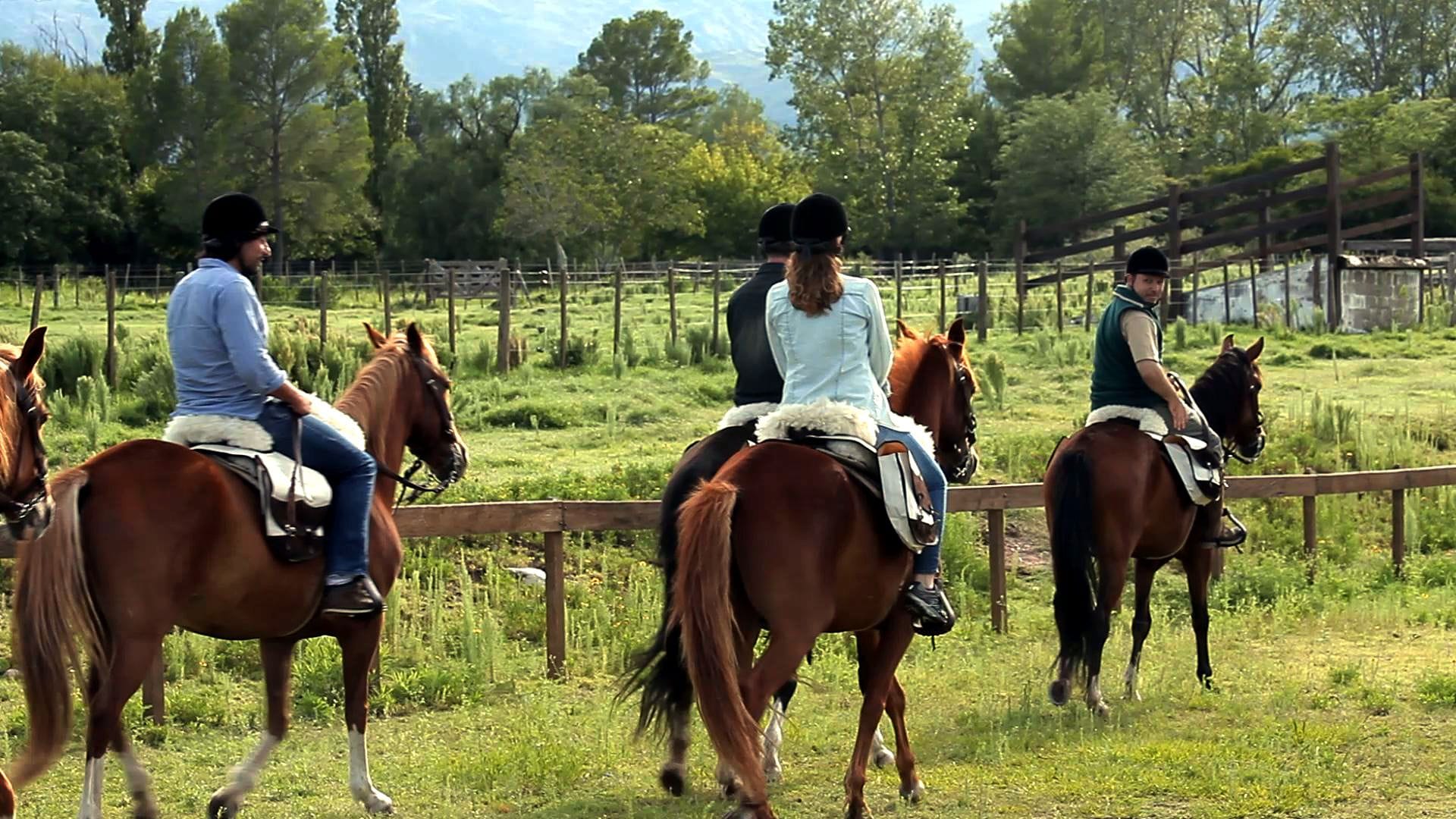
Reputation and experience with horses
Reputation is a sign of the excellence of your work in the past. If you are a riding instructor, wearing a helmet shows professionalism and that perception raises your reputation, attracts students, sponsors, and many other advantages.
When referring to the experience a rider may have with horses, I can tell you that it is not enough to protect your head like a helmet would.
- A beginner rider has little experience, and for this reason may be cautious, as well as spending less time in contact with the horses, and this in terms of exposure to risk, makes the probability of having an accident low.
- For professional riders, exposure to risk is higher because they have greater contact with horses, and therefore the likelihood of injury, even if they have sufficient knowledge and skills to avoid it, is very high.
- Very experienced riders, even if they are not professionals, may have less contact with horses, but because of their experience, they become confident with horses, and the same can lead to accidents.
A helmet is insurance against accidents, even if you are a very experienced or professional rider.
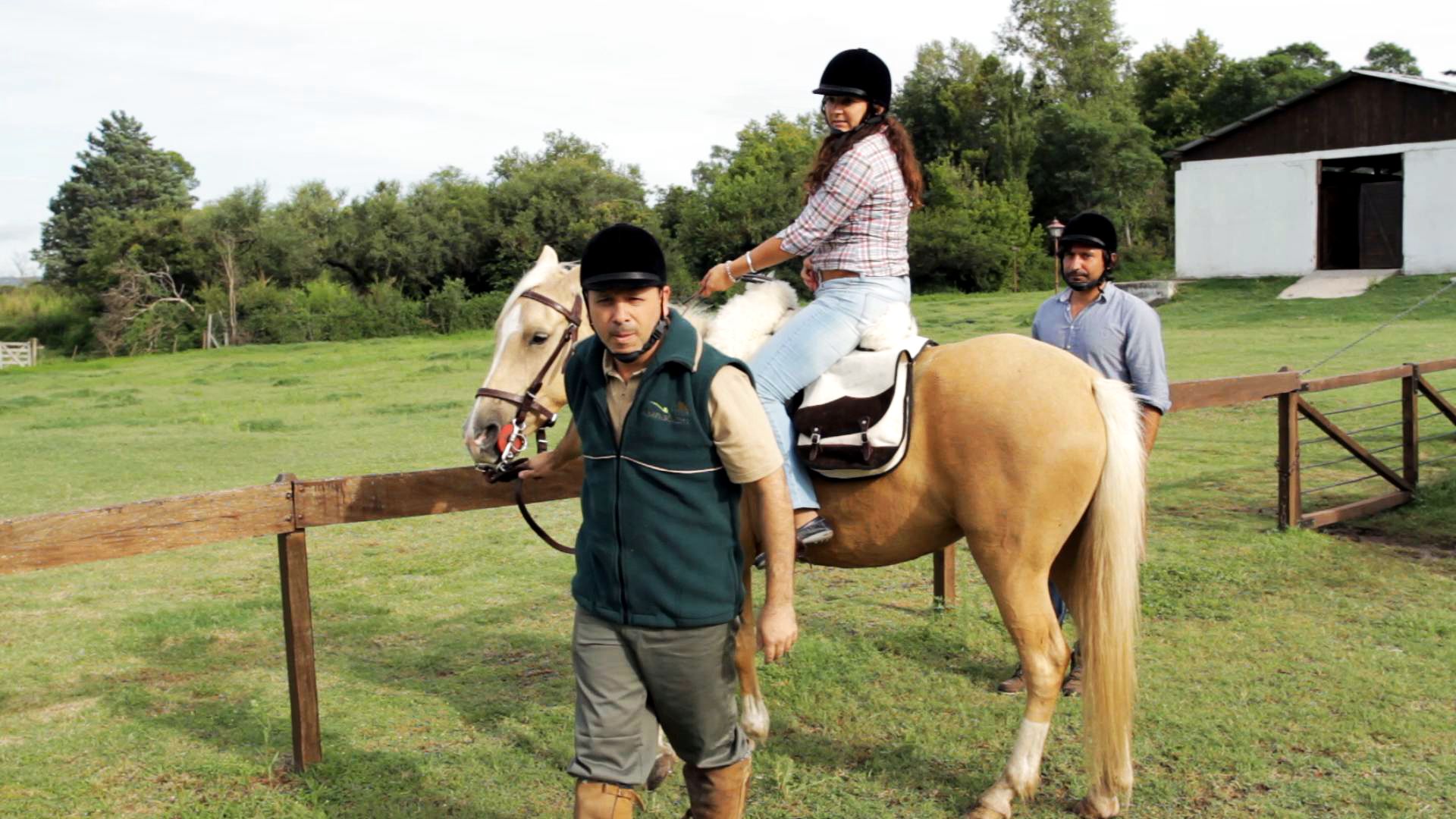
Responsibility and leadership
If you have horses ridden by other people, be they trainers, grooms, farriers, transporters, etc., you are responsible for what happens to them while they are riding or handling your horses.
Avoid legal action, because the rules require the use of helmets when dealing with your horses.
When you address the issue of horse safety and support and encourage others to do the same, you become a leader who does good for the sport of equestrianism and for leisure riding in the countryside.
Your behavior can affect the horse industry and society
If you have one or more horses, you are already part of the horse industry, because you buy food, saddles, safety equipment, etc., and many people work in this industry.
You can make the decisions you want regarding the use of safety measures when riding a horse, such as wearing a helmet, but these decisions, if they are wrong, affect other people.
Accidents that occur in equestrian activities are recorded by hospitals, and this information is used to calculate the risk of riding.
Insurance companies use this information to set their risk premiums for you and for riding clubs, equestrian tourism providers, etc. If the risk increases, so do the costs of all insurance.
Furthermore, these risk statistics are consulted by people who are attracted to horses and are interested in learning to ride them, in order to decide whether to participate in horse riding.
If the risk is high, it will discourage many people from participating in horse riding, producing a decline for the horse industry. This can be avoided by applying adequate safety measures for riding, such as the use of a helmet.
As you can see, you have a responsibility, because the horse industry works if the number of participants in it increases.
Your behavior regarding safety when riding a horse can affect society as a whole, because all the medical costs of treating a brain injury are avoidable with the use of a helmet.
With an avoidable injury, you are diverting costs and medical treatment that other people may need.
For this reason, you are responsible, for the society in which you live, if you increase the likelihood of head injuries, due to not wearing a helmet when riding a bike.
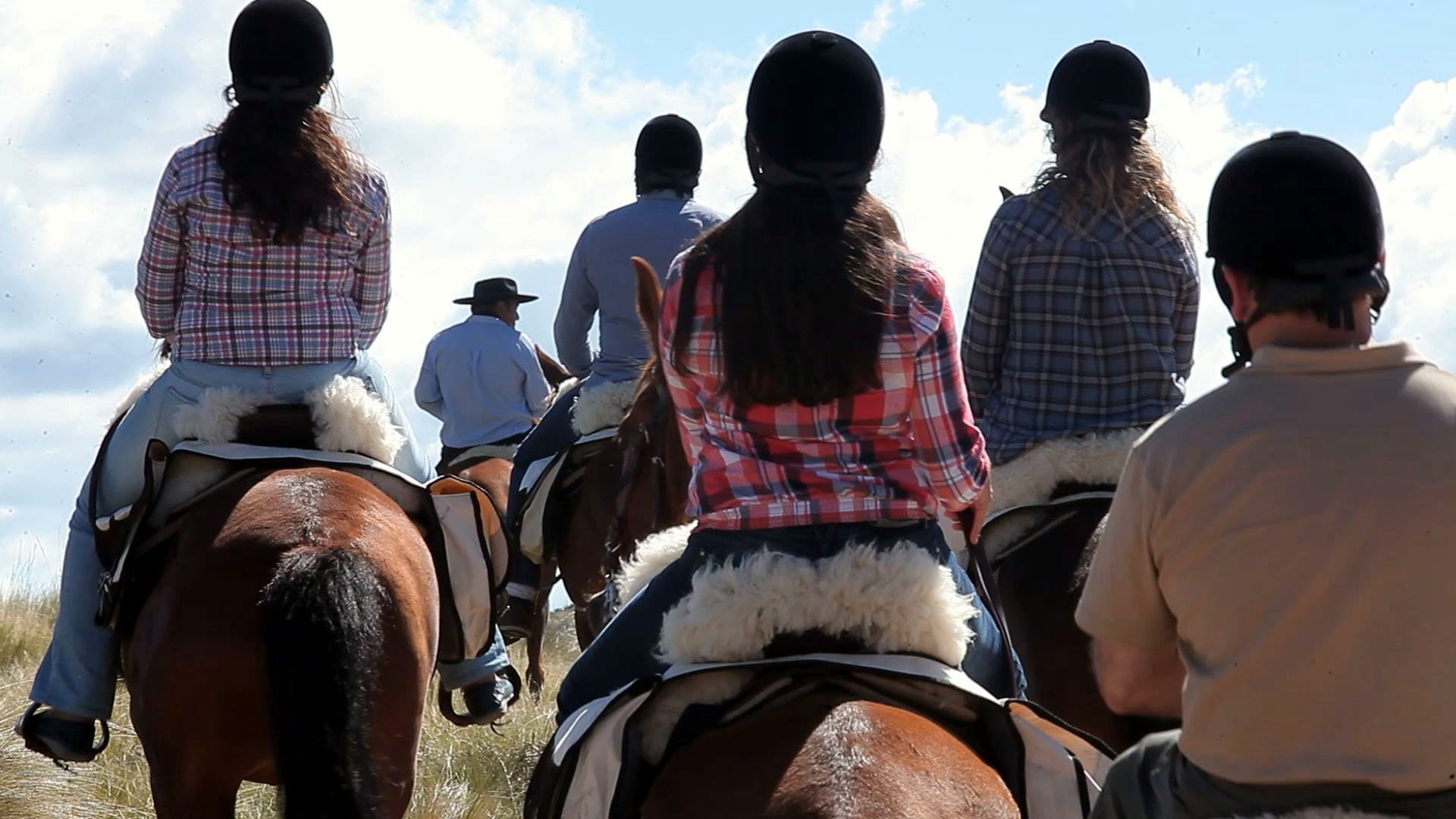
Times change
Of course, in the past, helmets were not worn when riding, but they became necessary as modernity advanced, both in various extreme sports, such as motor racing, and for working in factories, in construction, or in mining.
As with all change, there is always resistance and excuses are made for not applying them, but rationality is winning out. Accept and adapt to the improved standards for your own safety.
Conclusion
For all the above reasons, I can tell you that wearing a helmet not only protects your head if you fall off your horse, but it is the answer to a reality that shows that an accident, as we have explained, can happen to experienced riders, professionals, novices, calm horses or perfect horse-rider combinations.
I hope that these reflections on the risk of horse riding do not discourage you, but on the contrary, help you to accept and use the safety measures that this activity requires. In this case, the use of a riding helmet.
Comments (0)
No comments yet.

Comments
Leave your comment