
Discover the Jesuit legacy in the province of Córdoba on horseback
Argentina is the second largest country in South America.
It is divided into 23 provinces, each with a distinct geography and its own customs and traditions. The history of each one has left traces that, to this day, are reflected in its people and in the cultural legacy that still endures.
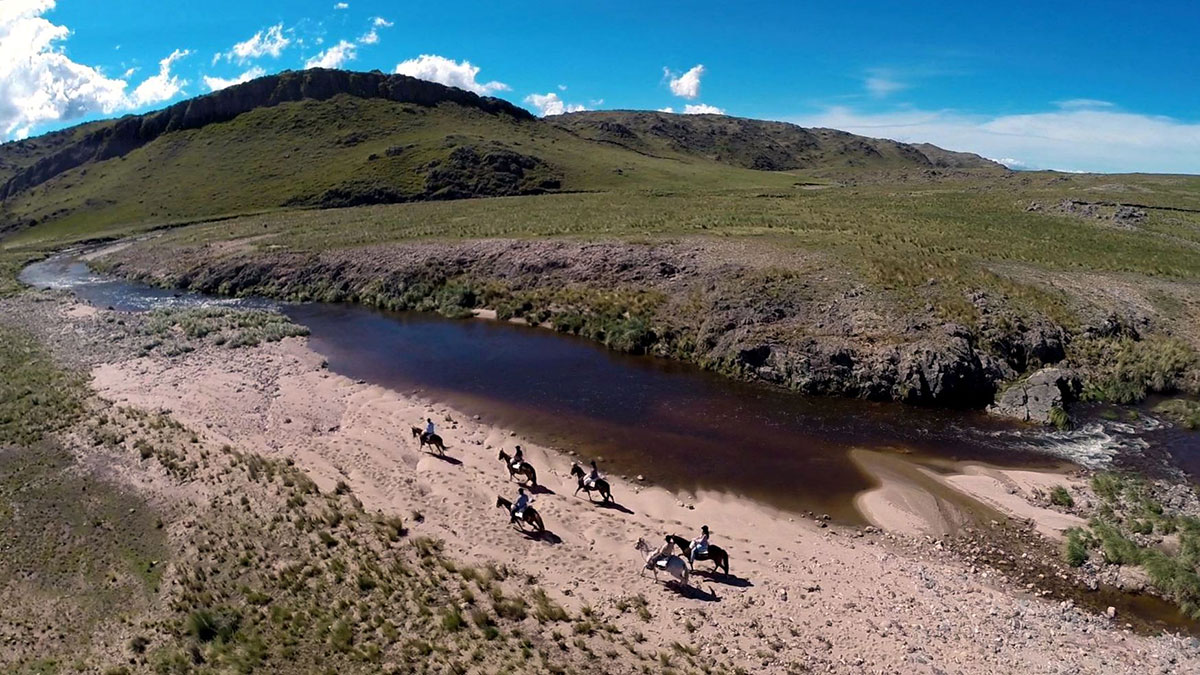
One of these provinces is Córdoba, located in the center of the country.
A beautiful province with landscapes and mountains that are ideal for horse riding. And where the legacy of the Society of Jesus stands out, declared a World Heritage Site by UNESCO.
For Ampascachi it is very important to transmit our culture and history to our guests. That is why we complement our equestrian routes with visits to the localities that have played an important role in our history.
One of our equestrian centers, Estancia Haras Ampascachi, is in the heart of the province of Córdoba, near the city of Nono.
In this province we carry out 3 very different equestrian programs, in which you will discover the Cordoba mountains and their history.
On the horseback tour of the program “Horseback Route from the Traslasierra Valley to the Giants” we make a stop to visit one of the Jesuit ranches, the Candelaria ranch.
The other two programs, although they do not include a visit to the Jesuit legacy in Córdoba, do allow for an optional extension to visit Córdoba, the Jesuit Block and the 5 Jesuit ranches.
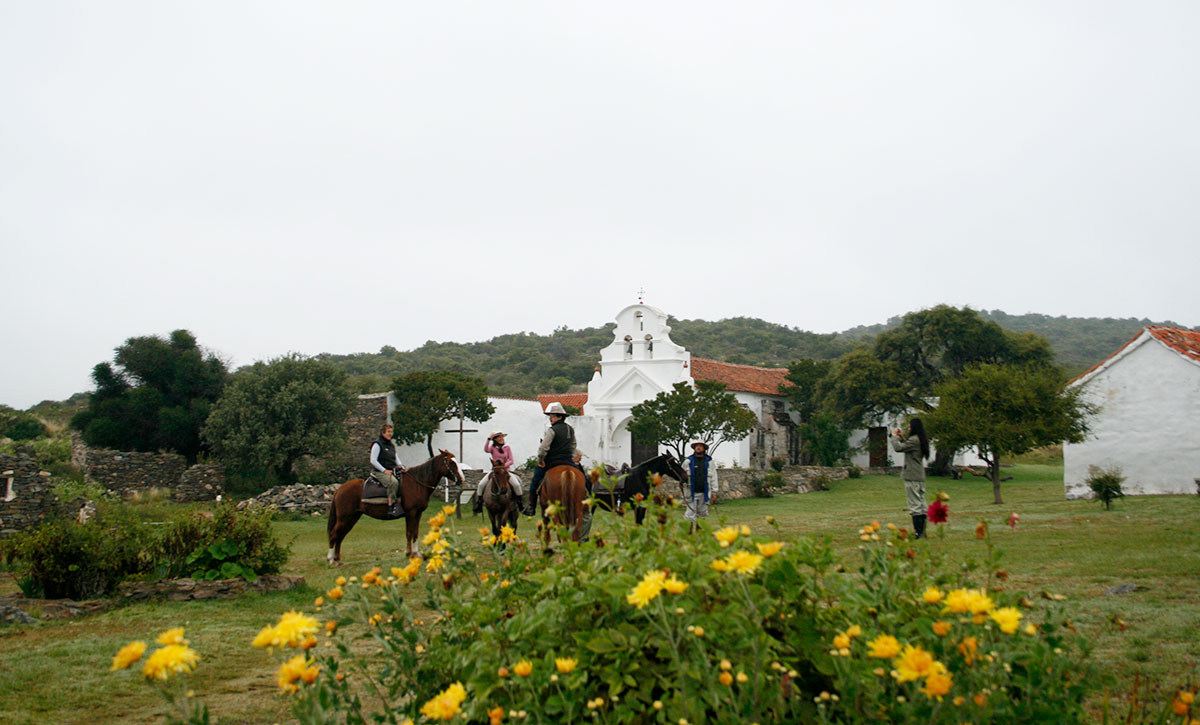
In this article we want to show you how the historical past is still present in this area and the importance of the Jesuits' cultural, educational and architectural legacy.
We will also give you details of our three equestrian programs so that you can choose the one that best suits your cultural and equestrian interests.
A little history
The Jesuit order was founded by Saint Ignatius of Loyola in 1540.
In addition to their evangelizing mission, the Jesuits provide services in the most diverse fields of society, especially in the fields of social action and education.
And it is here that we want to highlight their influence and legacy in the province of Córdoba.
The city of Córdoba, the capital, was founded by Jerónimo Luis de Cabrera in 1573. A little over a decade later, in 1586, the first priests of the Society of Jesus arrived in this region of Argentina.
At that time, the city had a plot of land where there was a hermitage dedicated to Saints Tiburtius and Valerian, protectors of Córdoba. It was on that land that the Jesuits built what later came to be known as the Jesuit Block.
The buildings constructed there were: the National University of Córdoba, the church of the Society of Jesus, the Monserrat school and the residence of the Jesuit fathers.
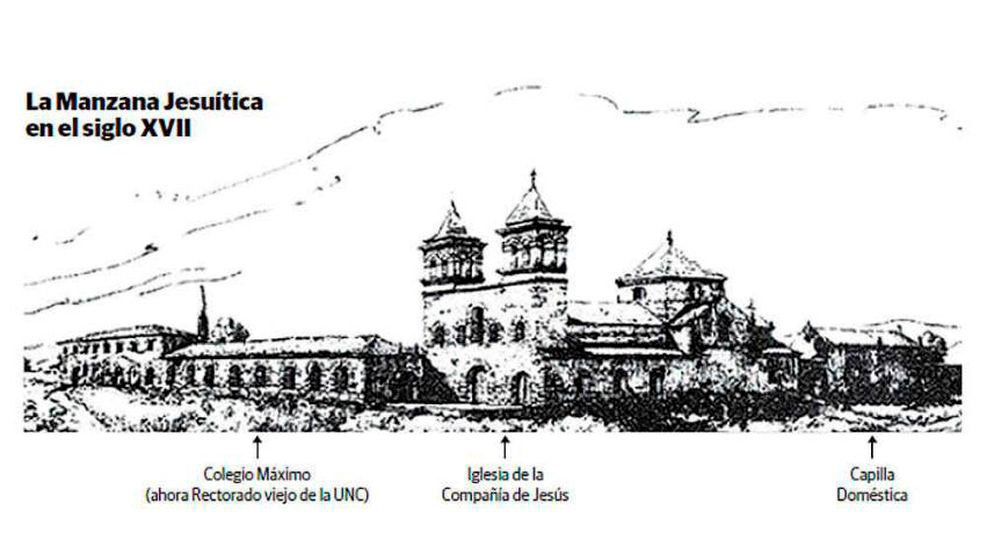
Along with them, we should highlight the six Jesuit settlements scattered throughout the Sierras of Cordoba, built between 1616 and 1725 and which, within their walls, enclose nearly 200 years of colonial history.
The Jesuits abandoned all these buildings in 1767, when they were expelled by order of King Carlos III of Spain and their properties were administered by the Franciscans.
When the Jesuits returned in 1860, the University and the Monserrat College belonged to the National State and the estates to private individuals.
Today, the Church of the Society of Jesus, the University with its magnificent library and the Monserrat School bear witness to what was once a splendid complex.
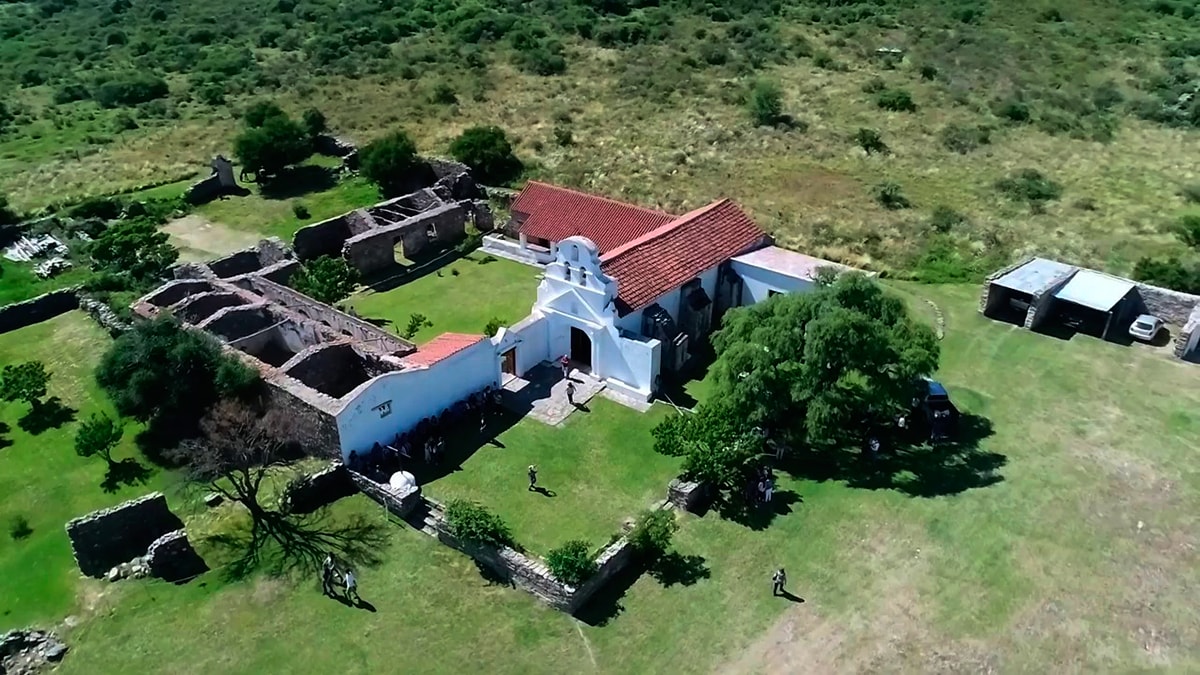
The Jesuit Estancias
In total, six Jesuit estancias were founded throughout the province.
Although the main work of the Jesuits was evangelizing and educating, they needed something to support themselves financially.
As soon as they had built the church and the schools, they began to develop their educational work, and at the same time they worked on the estancias to earn an income.
These ranches were oriented towards agricultural and livestock activities. They had cattle, mules and horses, as well as vegetable gardens where they grew mainly wheat and corn.
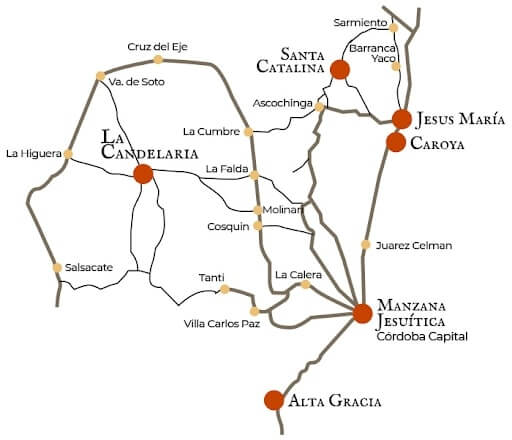
Each of these estancias has its own history and mission.
Below, we detail some interesting facts about each estancia, ordered by the year of its foundation.
Estancia Caroya
It was the first to be founded, in 1616. It is located 50 km from Córdoba.
Three stages can be distinguished in the history of Estancia Caroya:
- It was engaged in agricultural activity. It produced corn and wheat, fruit, wine, honey and carob. In addition, the estancia was used as a summer residence for the students of the Colegio de Monserrat.
- During the War of Independence it was the site of a factory producing bladed weapons, which supplied the Northern Army.
- Finally, in 1854 it passed into the hands of the National State, becoming a settlement for immigrants from the Friuli region of Italy. These were the creators of the Colonia Caroya.
The complex preserves its colonial structure perfectly and is made up of a large central patio, a chapel, the tajamar, the remains of the mill, the irrigation channels and the areas dedicated to the farm.
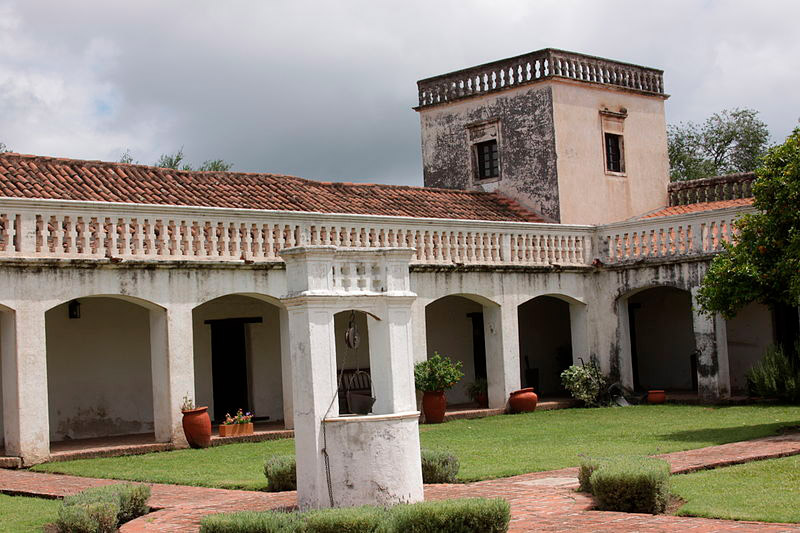
Jesús María ranch
Located 4 km from Colonia Caroya, this estancia was acquired in 1618 by the Jesuits, along with 20,000 wine vines, the mill and the livestock.
Throughout its history it had several functions: it was a monastery, a school and a factory. Its main focus was the production of wines, the success of which even reached King Philip V of Spain.
With the expulsion of the Jesuits, the estancia fell into ruin. The remains, which include the church, the residence, the winery and the old mills, perchel and tajamar, were declared a National Historic Monument.
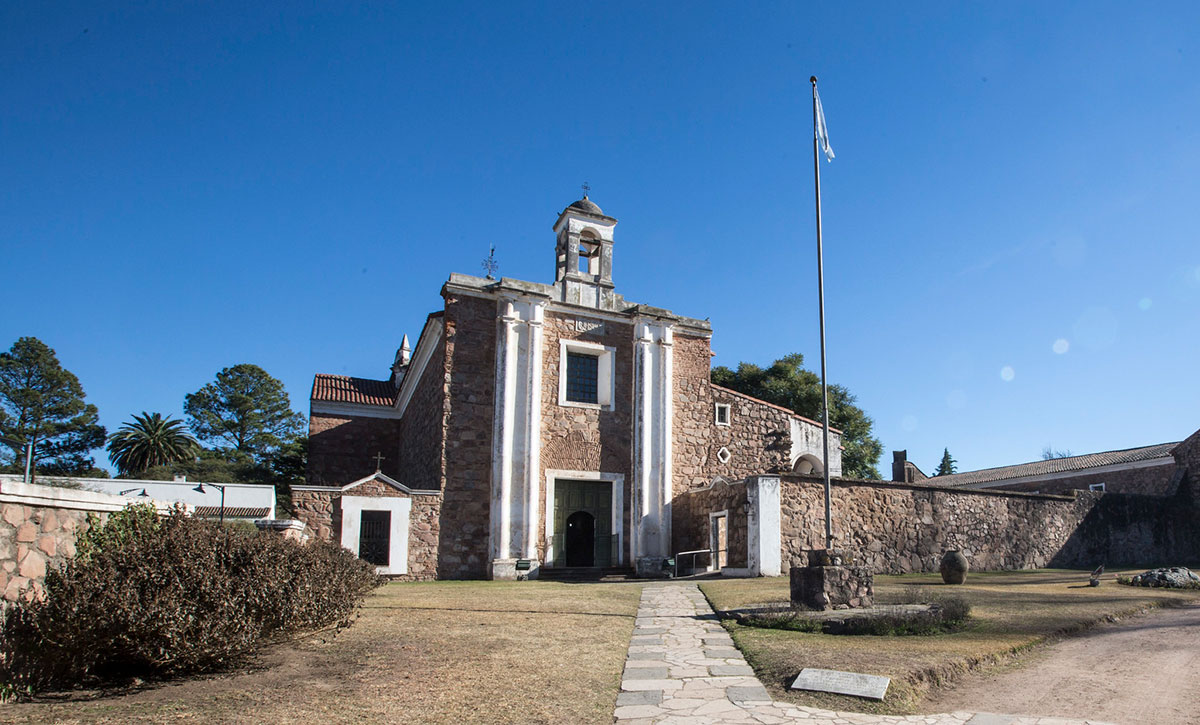
Santa Catalina ranch
It is located in a rural area, 70 km from Córdoba. It was founded in 1622.
It is the largest livestock center in the territory. Cattle, mules and sheep were raised and fattened here.
The estancia was also an important agricultural production center. They planted fruit trees and built a winery, from which the first wine of the Viceroyalty of the Río de la Plata emerged.
The ranch includes a monumental church, cloisters, galleries, a residence with 3 courtyards, workshops, a water reservoir, vegetable gardens and huts. Its smithy, carpentry workshop and the underground water conduit system that brought water from the Ongamira valley were particularly noteworthy.
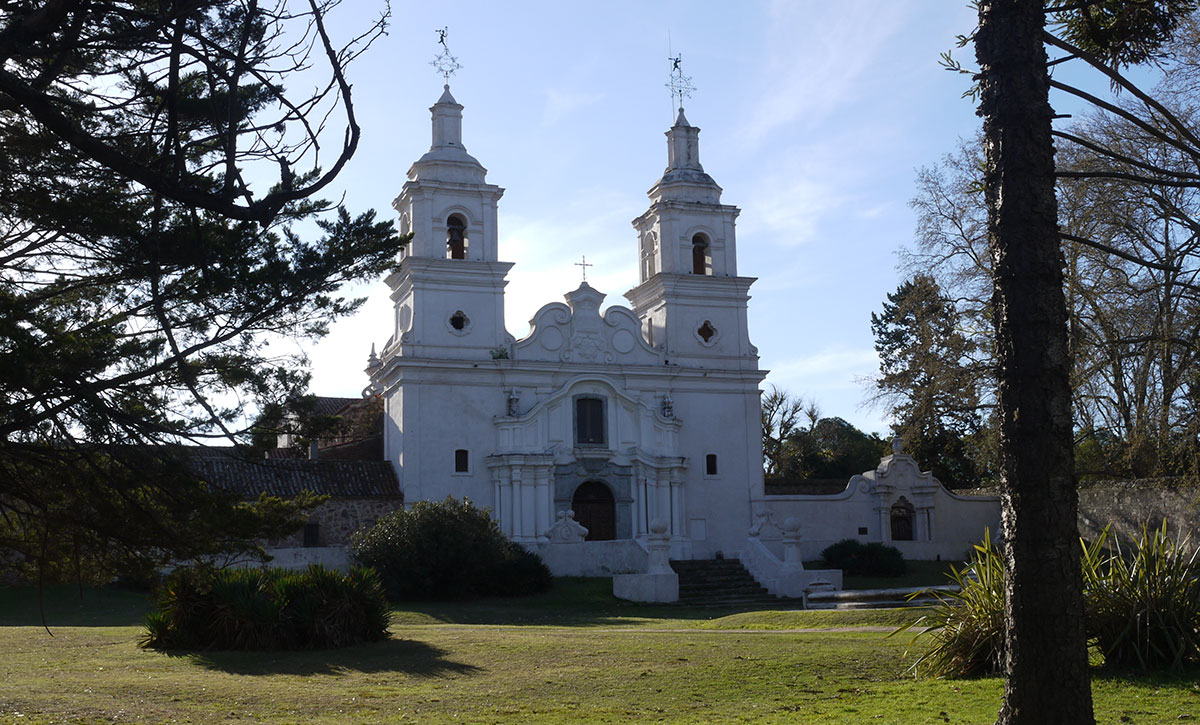
Estancia de Alta Gracia
Built in 1643, it consists of a church and a residence, with courtyards and outbuildings such as the old oven and the ruins of a mill.
It was a ranch dedicated to irrigated agricultural production.
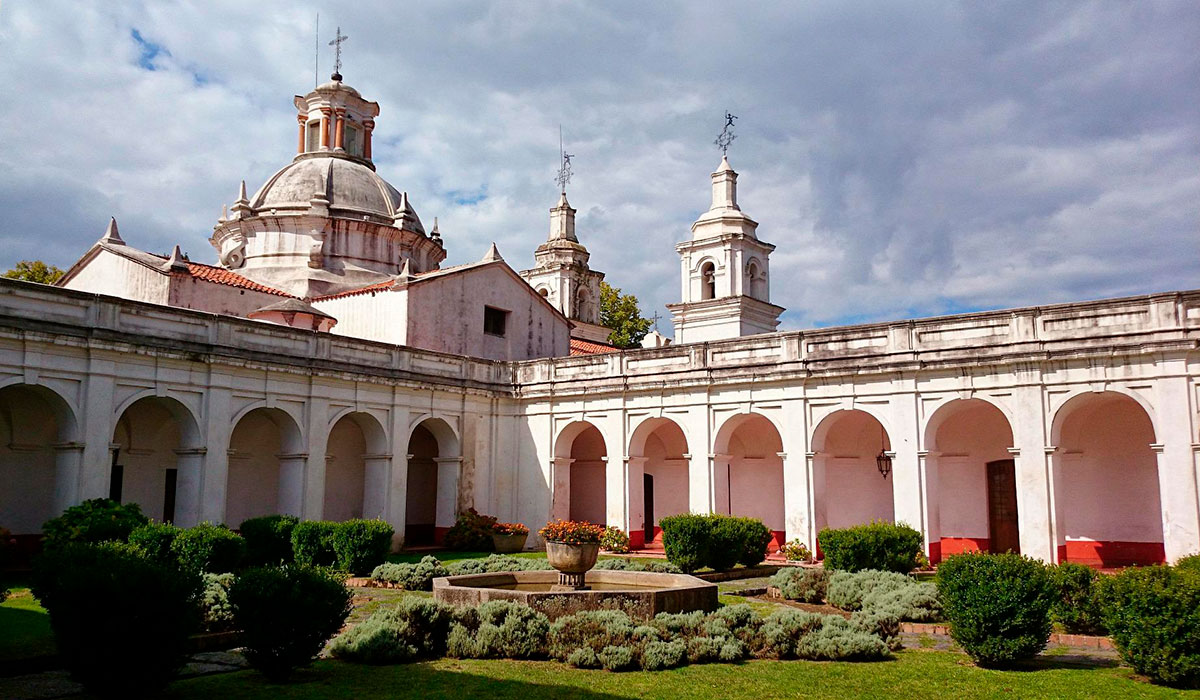
La Candelaria Ranch
This ranch stands in the Pampa de San Luis, 118 km from the city of Córdoba. It is a true architectural treasure built by the Jesuits in 1683.
It became the best example of a mountain establishment producing extensive livestock farming, mainly mules, destined for the trafficking of goods to and from Upper Peru.
The mules were mainly sent to the mines of Potosí in Peru. They were also used to transport goods from Spain to Peru and from there down to Argentina.
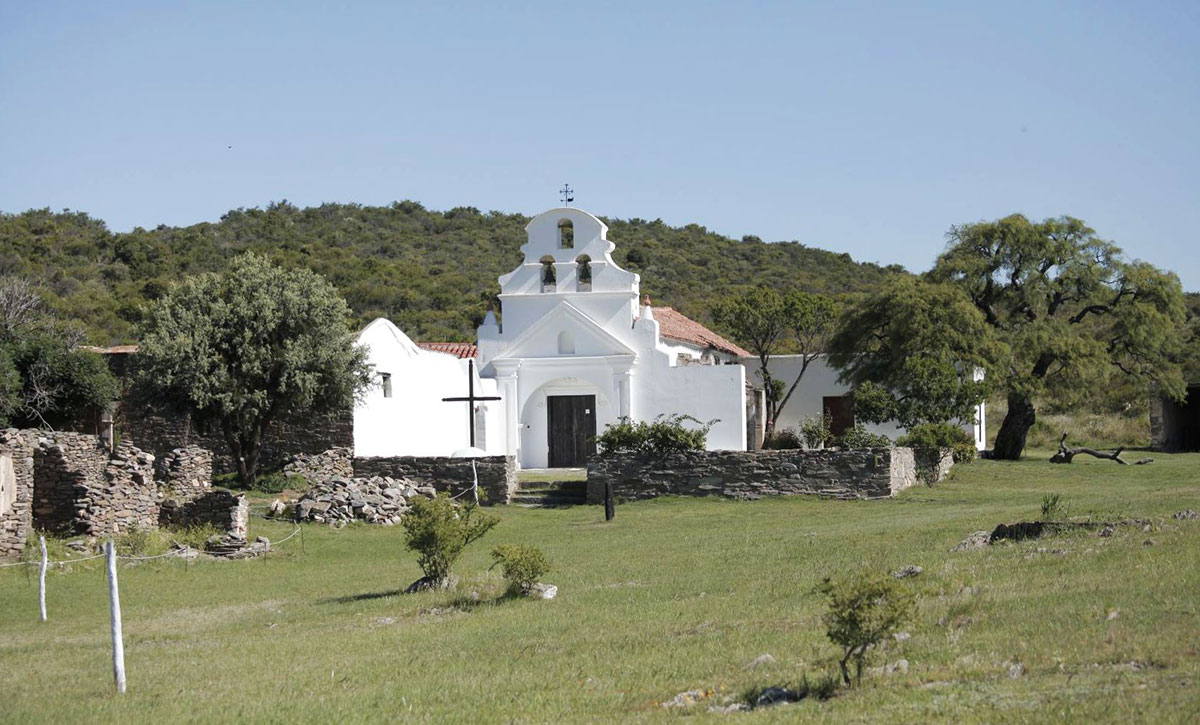
Estancia de los Santos Ejercicios de San Ignacio
Built in 1726, it is currently in ruins, surrounded by carob trees. It was left out of UNESCO's recognition due to the high degree of deterioration of its ruins.
Its name comes from the search for a place where spiritual exercises could be carried out.
It was the largest of the Jesuit ranches in Córdoba. The ranch was dedicated almost exclusively to livestock farming. Around 50,000 head of cattle were raised there, as well as half of the mules produced in all six of the Jesuit ranches.
There is also evidence that they had water mills, a smithy and a carpentry workshop. The remains include a flour mill, a copper smelting furnace and a wool washing place.
Discover the Jesuit legacy with one of our equestrian programs
In all our equestrian programs we combine horse riding routes with visits to villages and emblematic places.
As I mentioned in the introduction to the article, at Ampascachi we have 3 programs that take place in the province of Córdoba where, in addition to enjoying the landscapes of central Argentina, you can visit the buildings founded by the Jesuits.
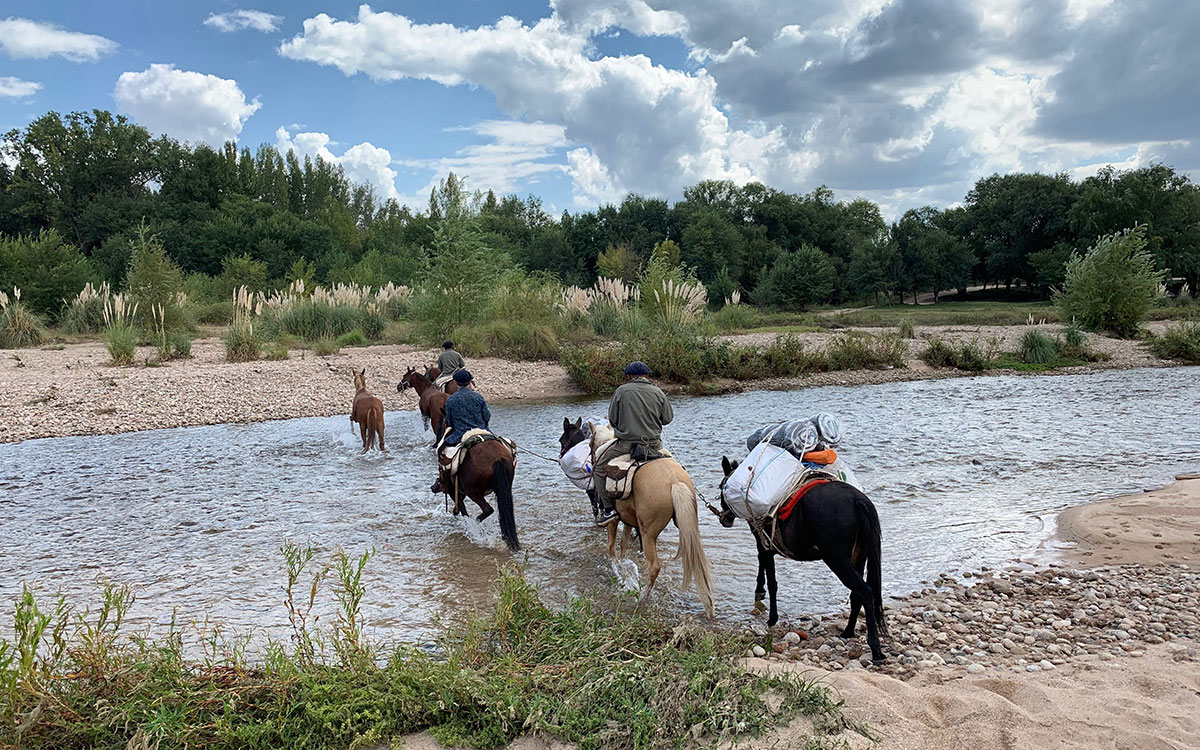
In the program “From the Traslasierra Valley to the Sierra de los Gigantes on horseback” you will travel through incredible mountains and streams and visit the La Candelaria ranch.
It is a 9-night program, starting from the Haras Ampascachi equestrian center and spending the night in cabins.
After touring the Traslasierra valley, enjoying its landscapes and getting to know such emblematic villages as Villa del Cura Brochero, we will enter the Sierra de los Gigantes.
There you will discover villages with a long history and we will visit the cattle ranches to learn about their activities.
And it is in these mountains that, on your Peruvian Paso horse, you will arrive at the La Candelaria ranch. To tour its facilities is to enter the history of the Spanish conquest of the Americas.
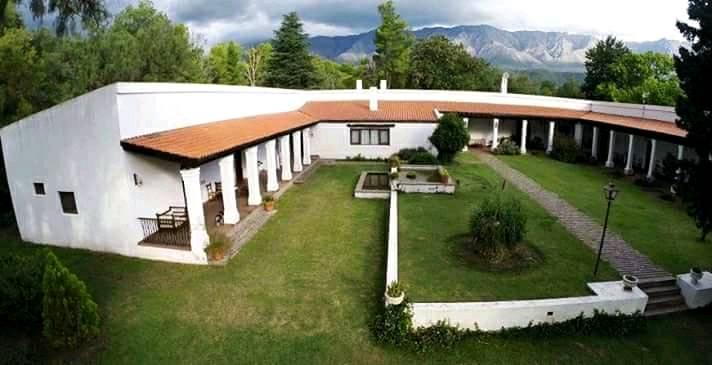
https://ampascachi-bucket.s3.us-east-1.amazonaws.com/media/blogs/imagenes/cordoba-legado-jesuita/estancia-haras.jpg"/> The ‘Estancia Haras Ampascachi’ program is designed for a more relaxed equestrian vacation, where you will spend each night at our equestrian center, a former 19th-century hacienda.
During your 8-day stay, you can choose between staying at the estancia or going on different horseback routes through the Traslasierra Valley. These are day trips during which you will return to the estancia to rest and relax. In addition, you will be able to see the training process of our Peruvian Paso horses.
This program, being a star-type outing, does not include a visit to the Jesuit estancias. But, as I mentioned before, we have an optional extension in which we take you to visit Córdoba, the Jesuit block and the circuit of the 5 estancias.
The tour lasts 2 days. In the event that you cannot extend your stay for more days than those of the original program, we can accommodate you by shortening the stay at the ranch.
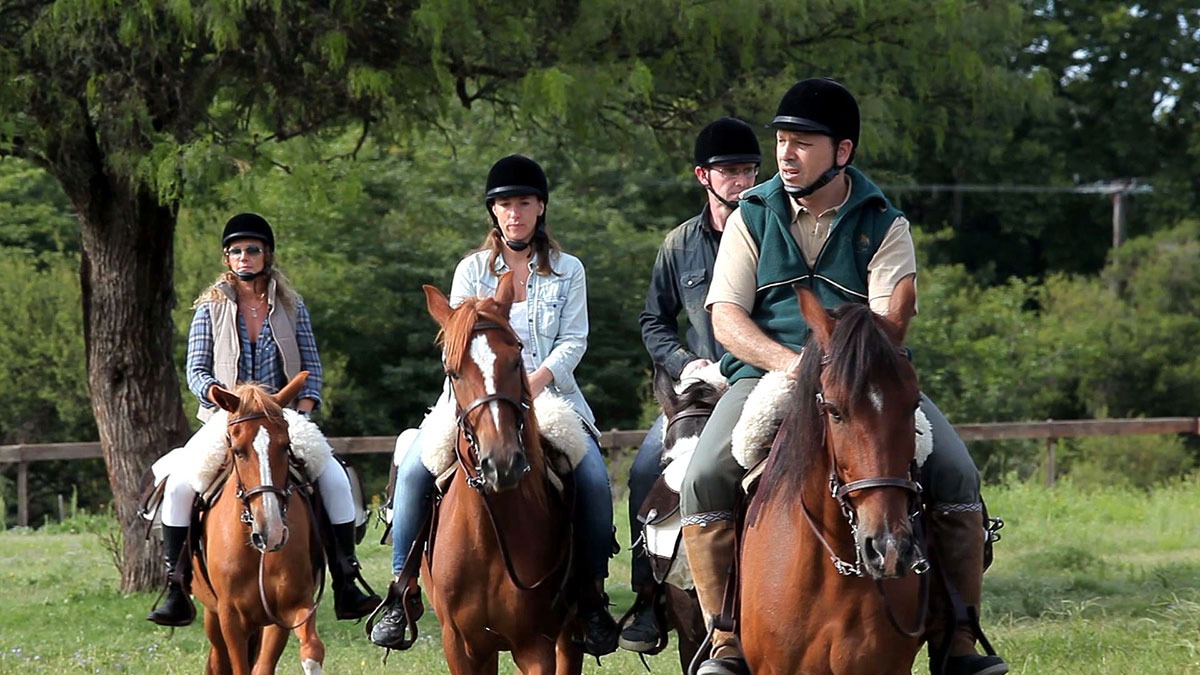
Finally, you can choose the program “Learn to ride in the Traslasierra Valley”.
This program is designed for riders who have never ridden a horse or have little knowledge of horse riding. In 5 days they will have enough mastery to venture on a 2-day route through the Traslasierra valley.
If you are interested in this program, and also want to learn about the Jesuit legacy, you can sign up for the Córdoba and the Jesuit legacy extension.
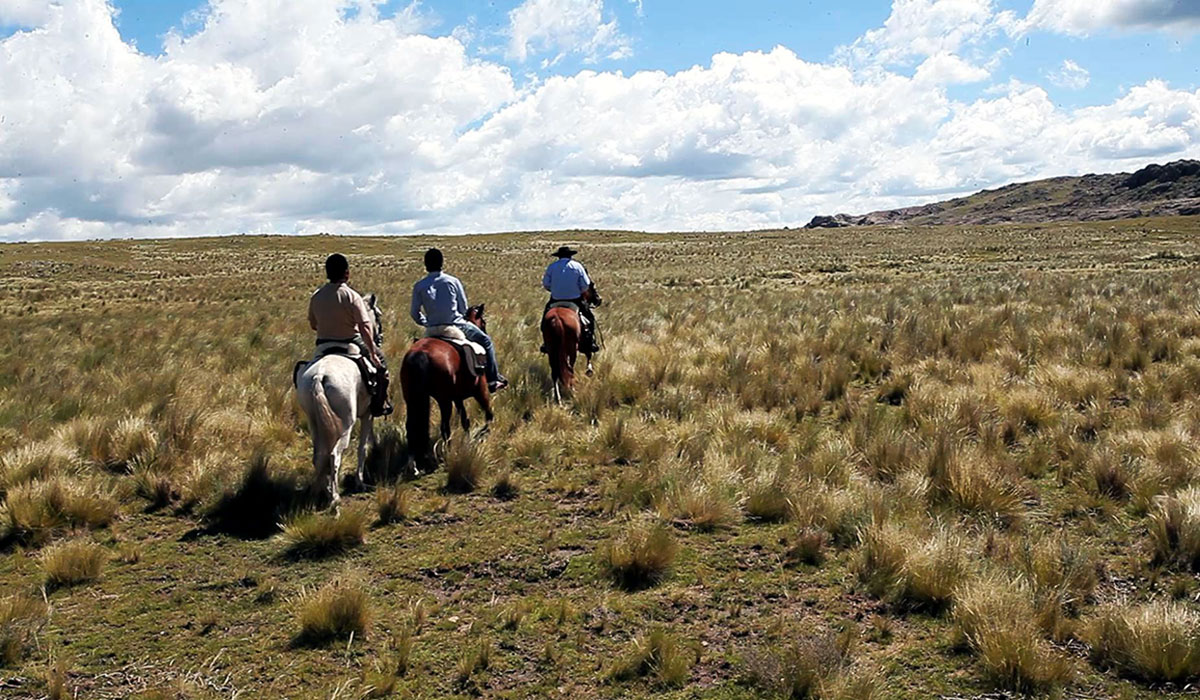
In the case of the program from the Traslasierra Valley to the Sierra de los Gigantes, as you have already visited the Estancia La Candelaria, it is possible to extend the trip to see the rest of the estancias and the city of Córdoba.
Comments (0)
No comments yet.
You might also like
Estancia Buena Vista: Equestrian Tourism in the Northeast of Argentina
Travel on horseback in the Quebrada de Humahuaca
Interview with Andesluna: Horse riding in Patagonia
Horse riding in the Calchaquí Valley
Horse riding across the Andes with gauchos



Comments
Leave your comment