
Horse riding in the Calchaquí Valley
If you are reading this article, we know that you like to ride in nature, on a good horse, and you also like to learn about the culture of the people and villages you pass on horseback.
Are you wondering where to spend your next horse riding holiday?
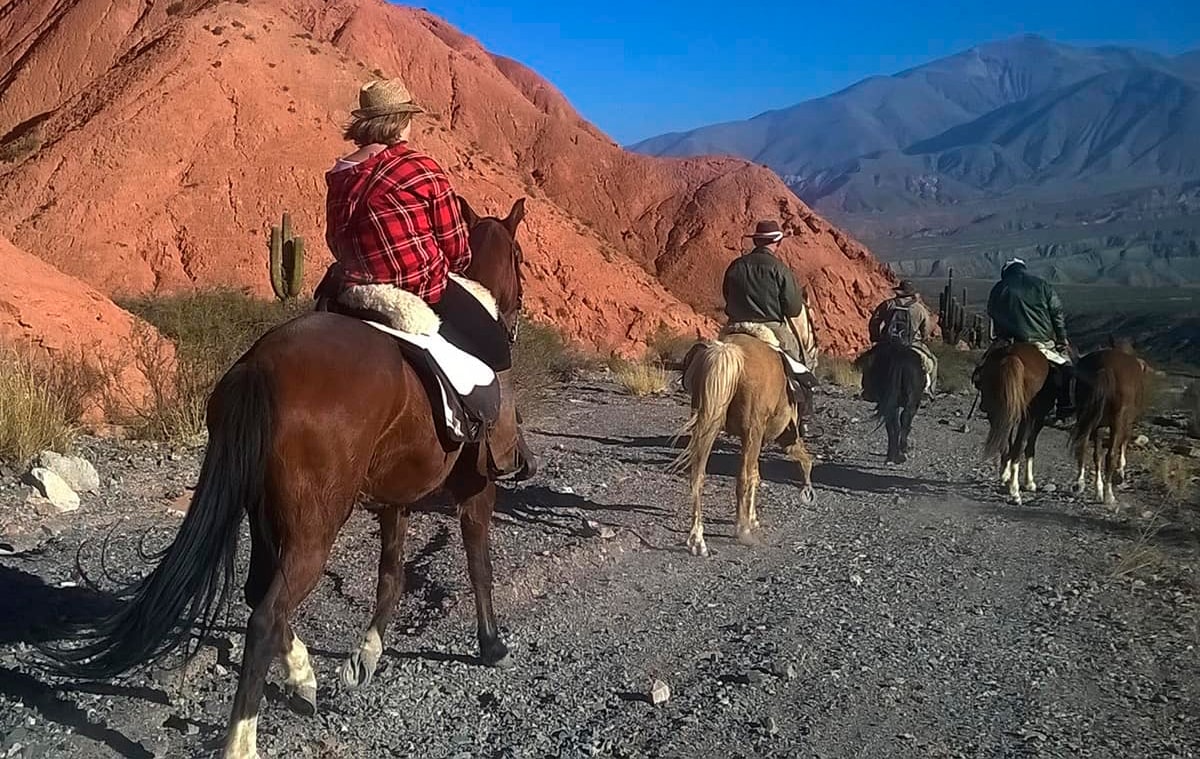
Enjoy a horse riding vacation in Argentina, in the province of Salta, visiting the villages of the Calchaquí Valley and its natural treasures, such as the Amphitheater and the Devil's Throat near Cafayate.
Discover the Calchaquí Valley on horseback
To enjoy horse riding and nature on your next vacation, something you may have already done on other occasions and even more so if you have never done it, I want to recommend just two things:
Ride a Peruvian Paso horse and tour the entire Calchaquí Valley in the province of Salta in Argentina.
How do you do this tour?
Arrive in the city of Salta, get to know it and travel by car along the wonderful Cuesta del Obispo, as far as Cachi, where you can get on your horse and start the journey on horseback that will take you to San Carlos, passing through several villages that you will never forget.
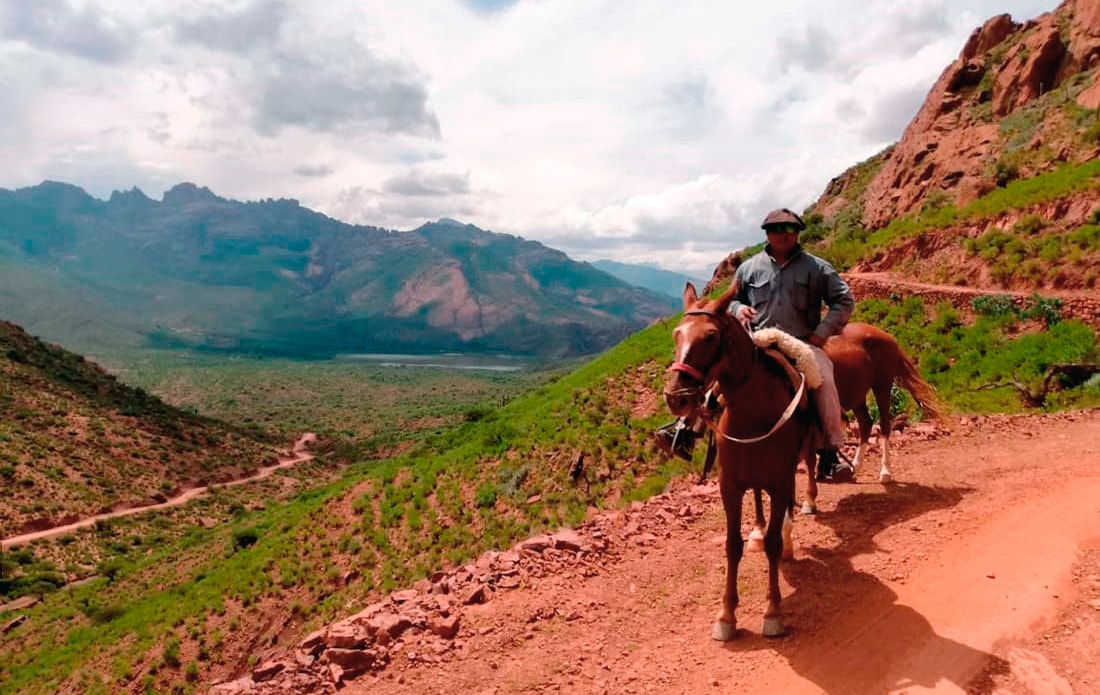
What is the Calchaquí Valley like?
The Calchaquí Valleys, a region in northern Argentina with hills of all colors and where rural and urban customs still coexist.
The name “Calchaquí” was given in honor of the indigenous people who had the same name and who once inhabited these lands. This valley extends over an area of 520 km. Its landscapes are impressive and captivating, with large reddish mountains and numerous vineyards.
The Calchaquí Valley is home to many smaller valleys and rivers, as well as villages rich in traditional cultures and folklore.
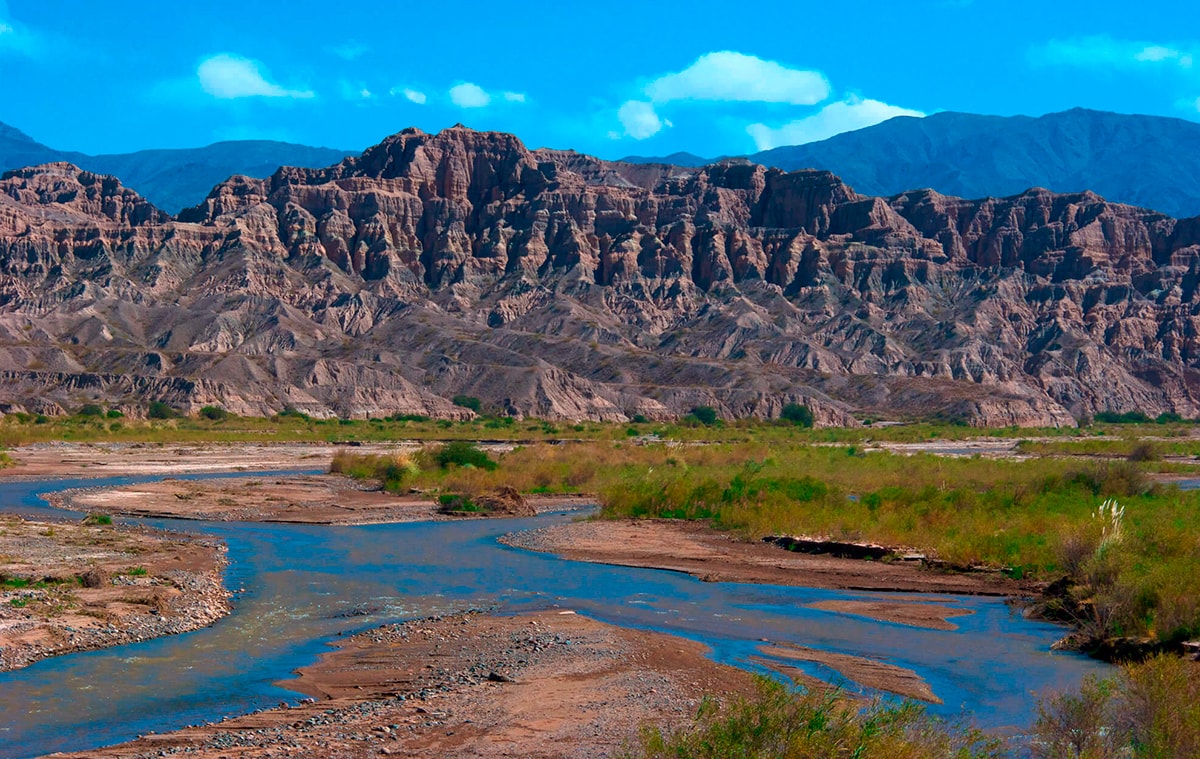
The villages of the Calchaquí Valley
The most popular villages in the region are Cafayate, Animana, San Carlos, Angastaco, Molinos, Seclantás, Cachi, as the most prominent, and this vast expanse is also home to historical sites, both from the viceregal era and the struggles for independence, and numerous archaeological sites.
Exploring the Calchaquí Valleys on horseback is an excellent way to explore the region, appreciate its breathtaking landscapes and learn about traditional rural life.
Salta, the starting point of your route
You can begin this experience on your arrival in the city of Salta.
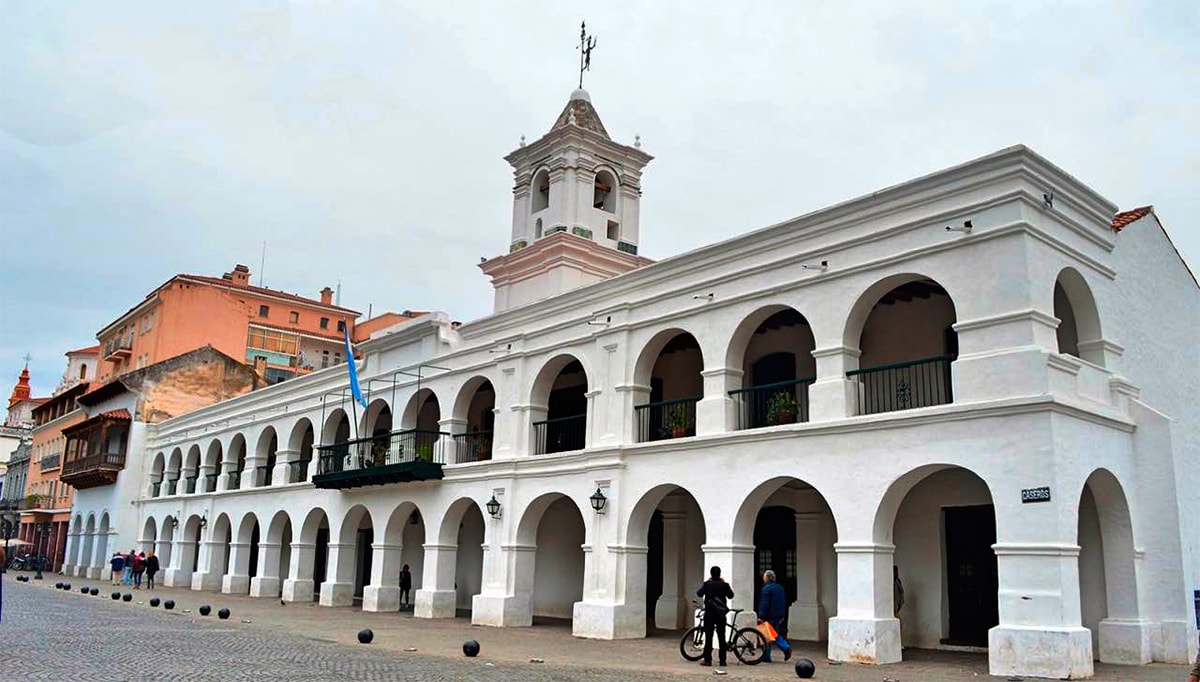
Once you have settled into your hotel, we will tour the city center, various museums and the historic Cabildo.
In the afternoon, you can rest and then go to dinner at a folk club, where you can eat our regional dishes and, if you feel like it, you can sing or dance with the locals.
What is there to know about the city of Salta?
Salta is a city in northern Argentina, capital of the province of the same name. It has a population of 533,303 (2010 census), making it the most populated city in the province, the second most populated in the northwest region of Argentina and the seventh most populated in the country. It is an important cultural and tourist center.
It is located to the east of the Andes mountain range, in the Lerma Valley, at 1187 m, very close to the source of the Salado River — an important river that flows into the Paraná River — and crossed by the Arenales River that divides it into north and south.
The city has several museums and art galleries, including:
- The Museo Histórico del Norte (Northern History Museum) which tells the history of the city.
- The Museo Casa de José Evaristo Uriburu (José Evaristo Uriburu House Museum) which shows what the houses of notable people were like in the viceregal era.
- The Museo de Arqueología de Alta Montaña (MAAM) (High Mountain Archaeology Museum) which exhibits objects found in a sacrifice and burial area on the Llullaillaco Volcano. The Anthropological Museum exhibits archaeological discoveries found at the pre-Inca site of Tastil.
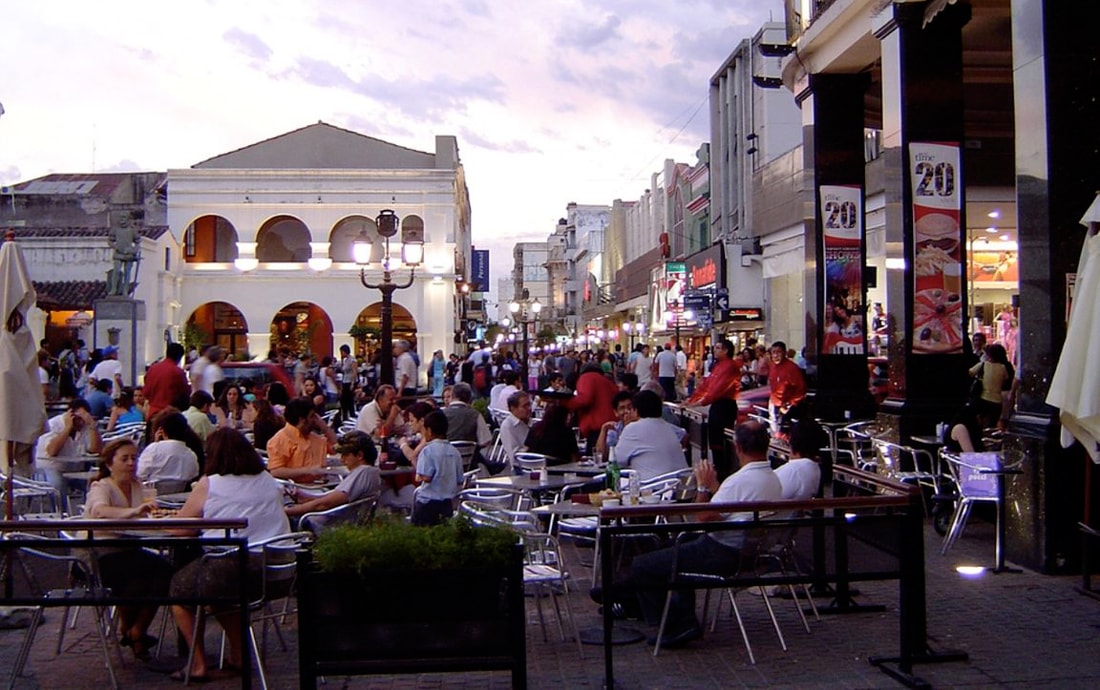
The city is famous for its tamales and humitas, dishes made from young corn, as well as for the delicious Torrontés white wine produced in Cafayate, in the province of Salta.
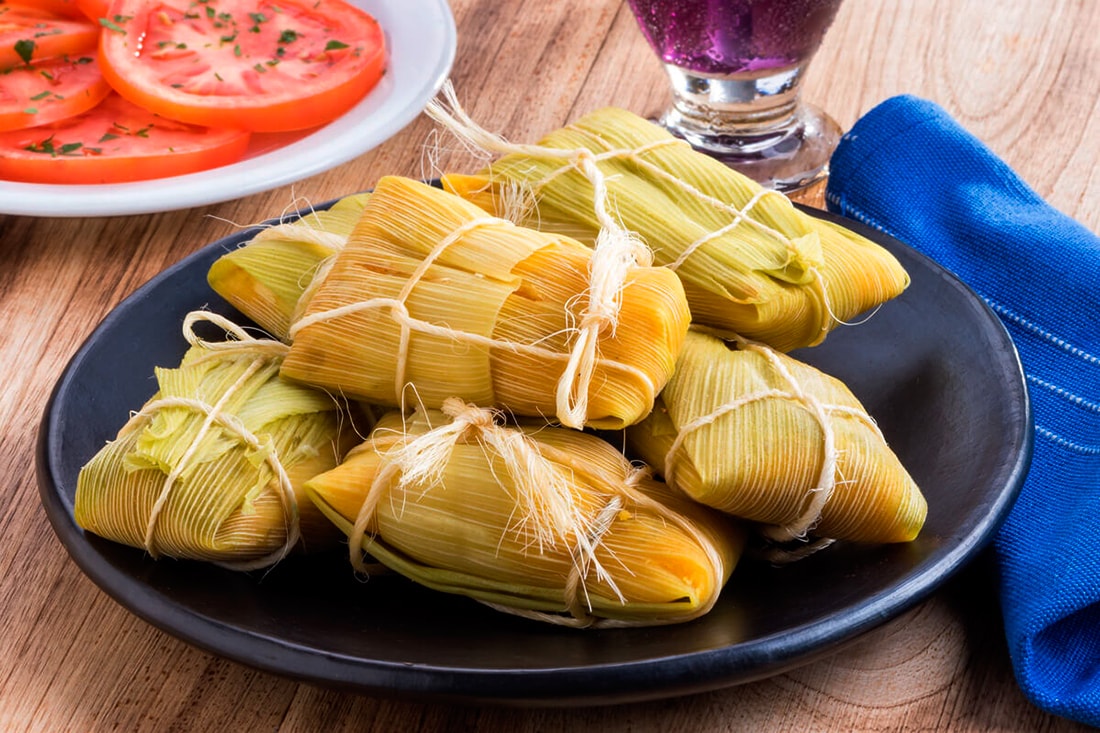
After appreciating the colonial charms of the city of Salta, at the Casa de la Tradición located in the town of Chicoana, you can choose which of our Peruvian Paso horses you find most comfortable and which you will ride again, to experience the Calchaquí Valley on horseback.
Afterwards, we will travel together to the picturesque and interesting town of Cachi, which we will reach by vehicle, along the well-known Cuesta del Obispo, which is a marvel of unparalleled scenery, which you will appreciate, if the weather is good.
Through the cobblestone streets of Cachi
Cachi is surrounded by snow-capped peaks and cacti at 3000 meters above sea level. Cachi is a special town where rich archaeological remains, witnesses of ancient civilizations, are combined with an incredible natural landscape.
Its old church, its perfectly preserved houses and its stone streets give a special charm to this magical Calchaquí town.
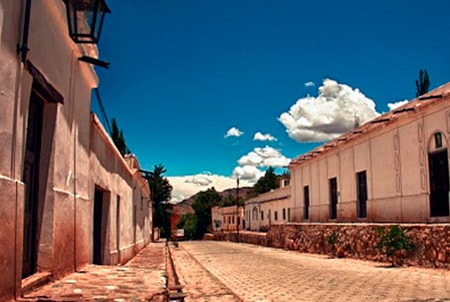
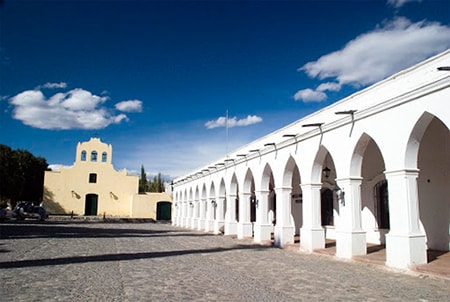
After having discovered the secrets and stories of this charming village, we will ride on horseback to Seclantás.
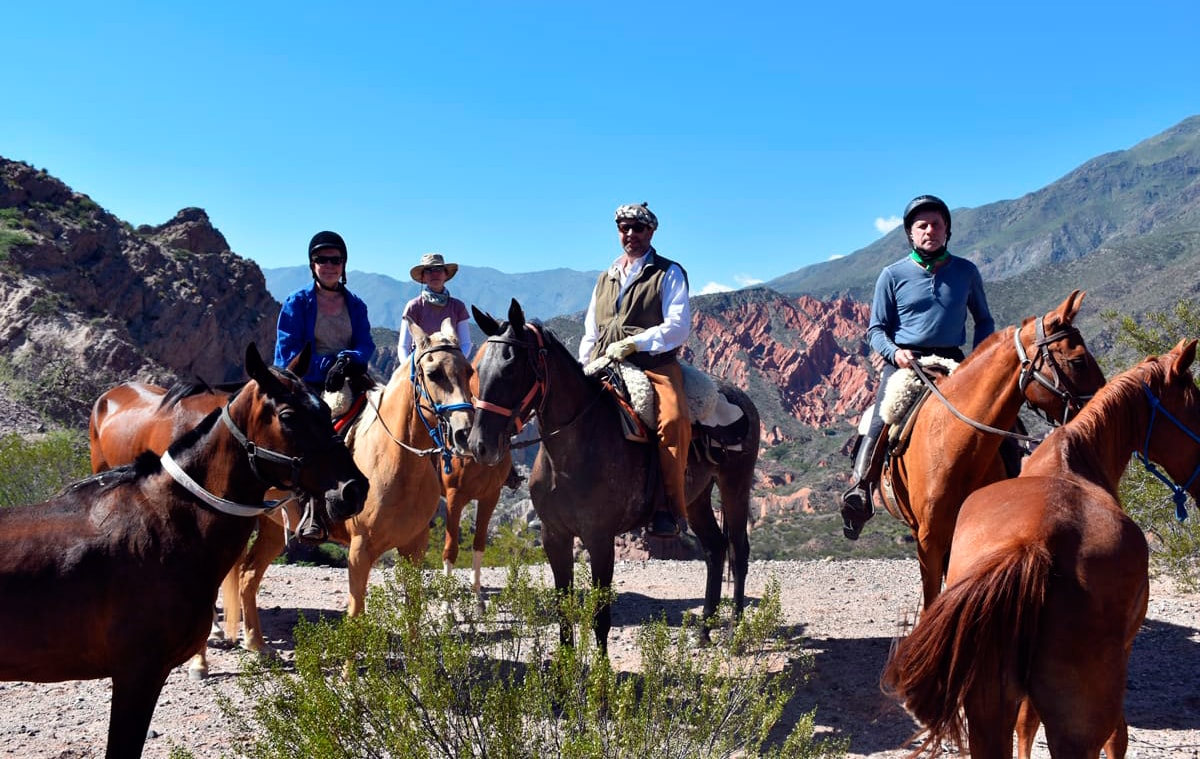
Before reaching Seclantás, we will stop with the horses and walk along the Camino de los Artesanos, a very captivating walk, as you can see the work of rural families at the looms. These families are dedicated to making handmade ponchos.
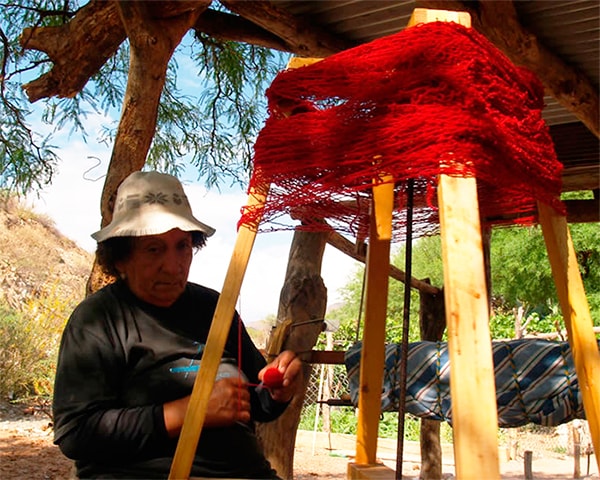
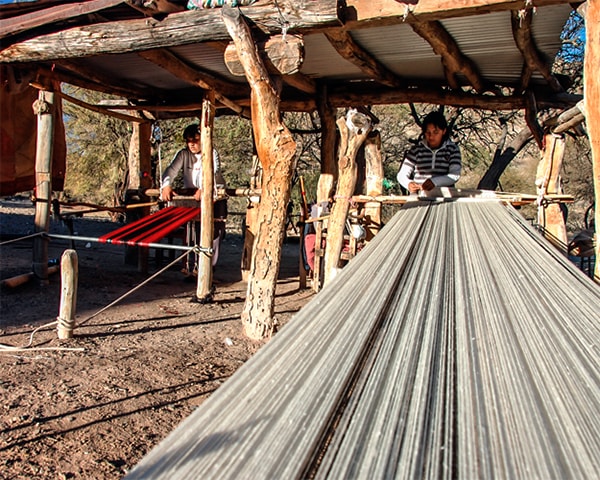
After having admired these handcrafted creations, we will ride on horseback to Seclantás and stay at the home of the Montenieva family. They will welcome us as if we were family.
Seclantás, the cradle of the Salta poncho
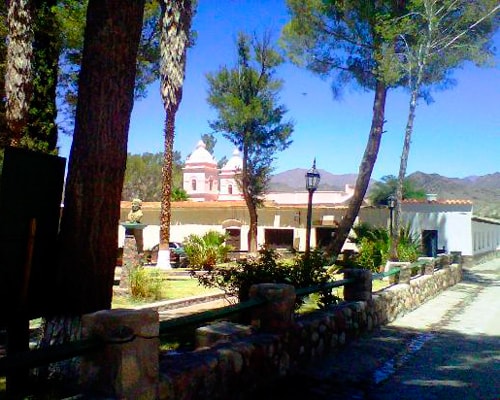
Seclantás is a village in the center of the Calchaquí Valleys and close to other villages that we will visit later. In this place full of history, part of Argentina's independence was forged and, at the same time, there are Inca ruins bearing witness to the ancient inhabitants of these lands.
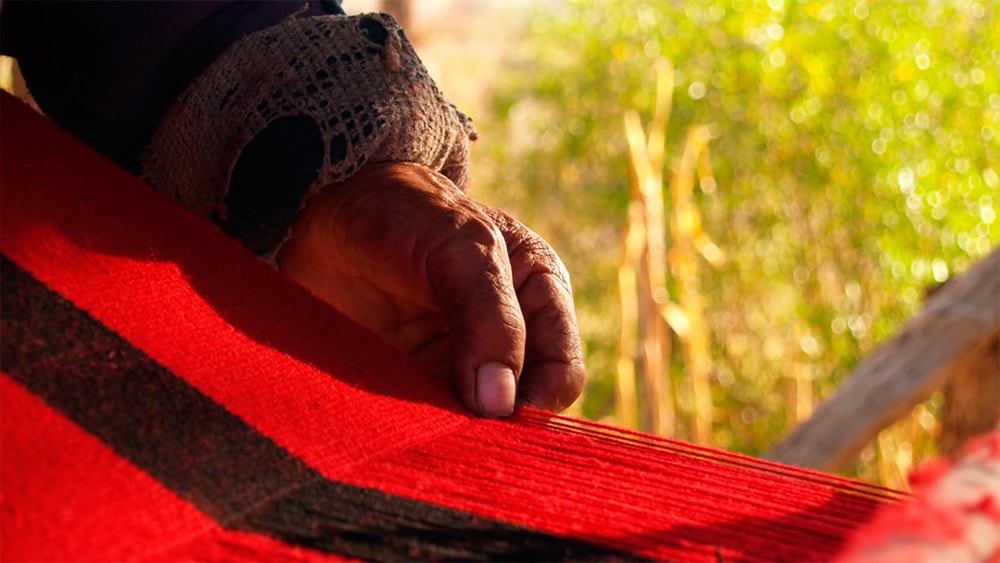
Seclantás is one of the ancient villages located on the banks of the Calchaquí River and a few meters from Route 40.
In 1814, these lands were the meeting point of the patriots in the Calchaquí Valleys, who aided Belgrano in the struggle for independence from the Spanish crown.
Seclantás is strategically located in the center of towns and places with great historical and tourist appeal. At present, the town practically develops from a main street. Houses with cool galleries, cane roofs covered with mud cakes and impeccable fronts. At 2100 meters above sea level, the climate of this town is dry and arid. The days are sunny and the winter is very cold.
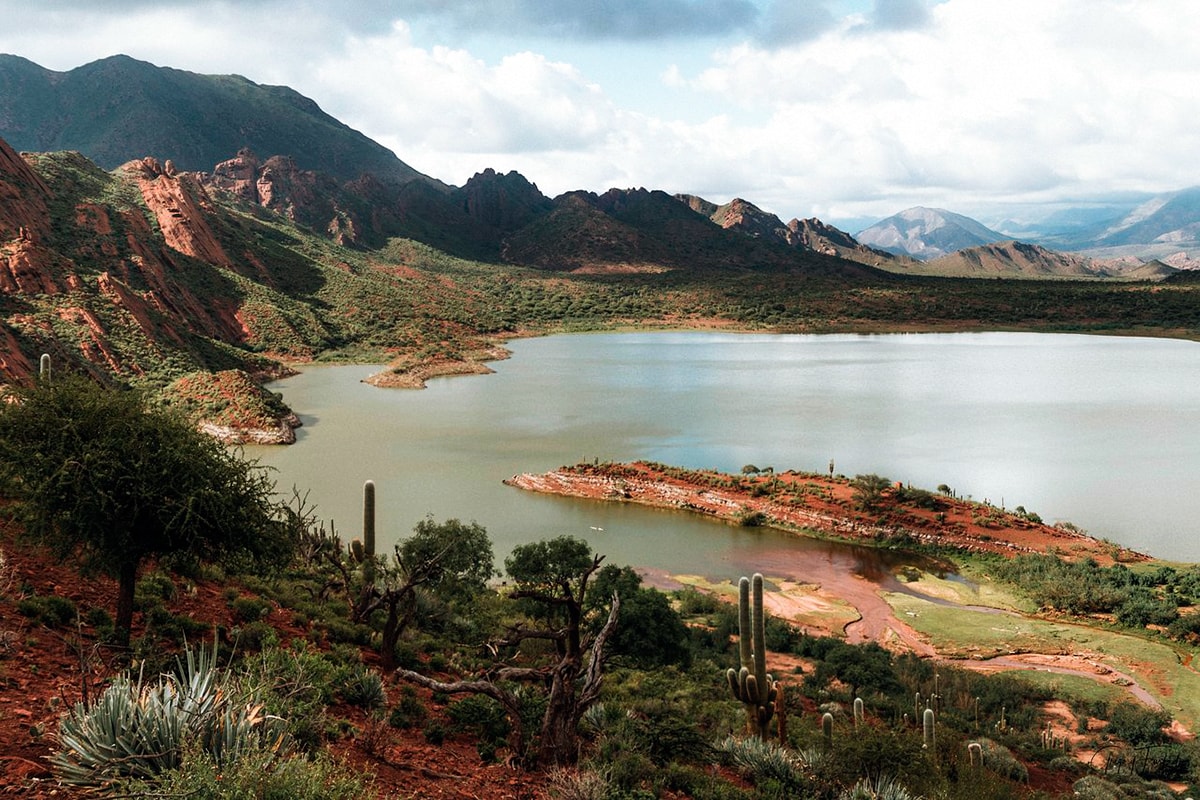
We will continue on our equestrian route until we come to a very valuable lagoon in the north of Argentina: Laguna Brealito.
Molinos and its corners
This town is of great historical value and unique beauty; it was founded in the mid-17th century. In 1775 the son of Domingo de Isasmendi, Nicolás Severo, inherited it and achieved maximum prosperity for the estate.
Isasmendi was the last royalist governor of Salta. The chapel and the estate house are still preserved today.
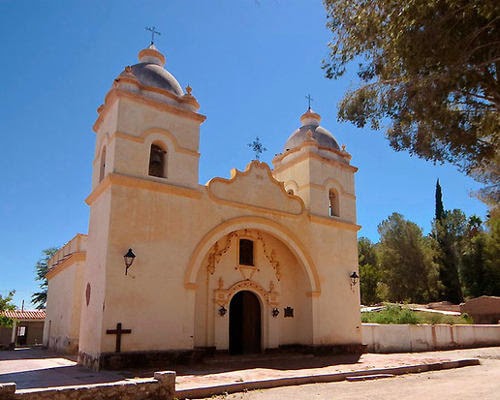
Opposite the mansion, which is now a hotel, “La hacienda de Molinos”, is the Church of Molinos, which holds the remains of Don Nicolás Severo de Isasmendi, who ordered its construction at the end of the 18th century.
The village of Molinos is like all the villages characteristic of the valleys, a quiet place, with its adobe houses, large windows with bars and narrow streets with nooks and crannies.
Towards the El Carmen Estate
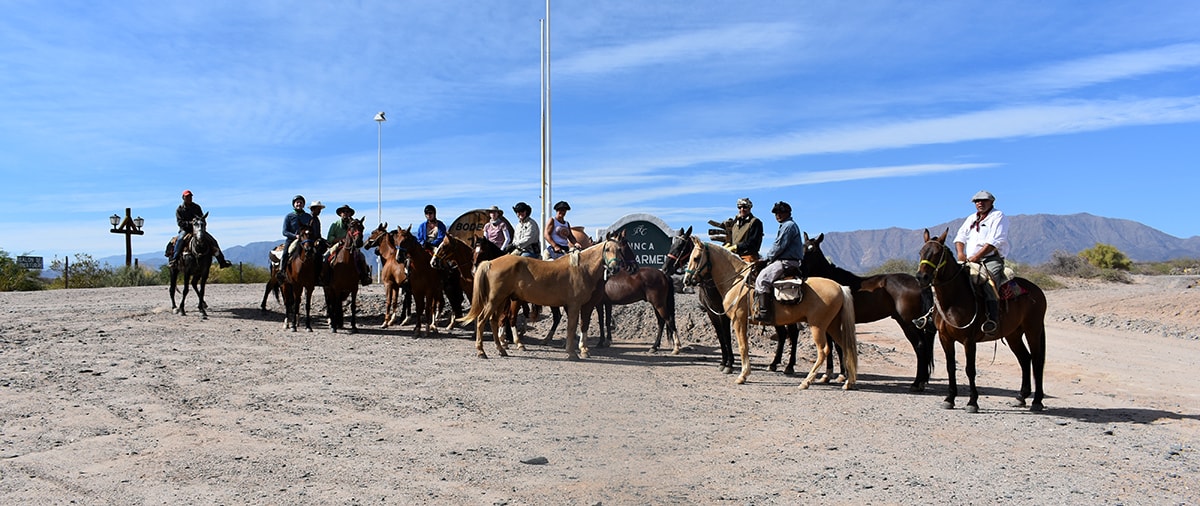
After having toured Molinos on horseback, we will leave for the “El Carmen Estate”, which is located near the village of Angastaco.
Angastaco and the Quebrada de las Flechas
We will then continue on our equestrian route, passing through the small town of Angastaco, where we will visit its square and church and enter the heart of the Quebrada de las Flechas, continuing on our way, letting ourselves be carried away by the beautiful landscapes.
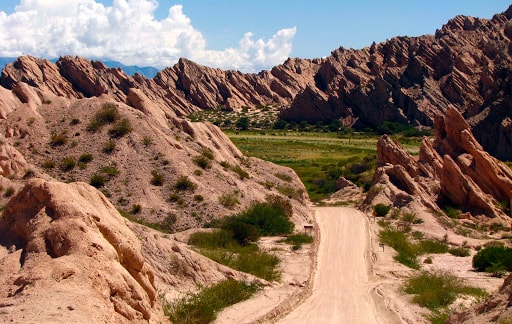
Angastaco is located in the heart of the mountains, in a valley, crossed by the river of the same name, which flows past the village after its source in Pucará, pouring its waters further on into the Calchaquí River.
What is striking about this place is the contrast between the intense green of the crops and the sandy soil of the valleys. From the middle of the 18th century, the indigenous nations of the locality of Angastaco depended on the Franciscan Mission of Rosario de Calchaquí, located in the area of San Isidro, near Cafayate.
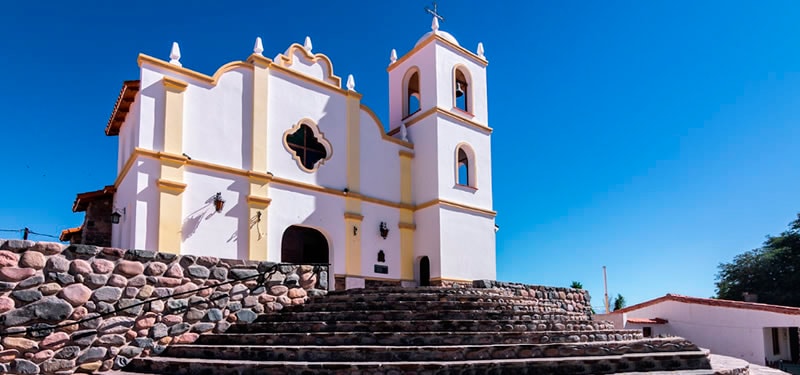
We will arrive on horseback to the town of San Carlos. There we will say goodbye to our traveling companions, the horses, and continue to Cafayate by transfer.
What to see in Cafayate?
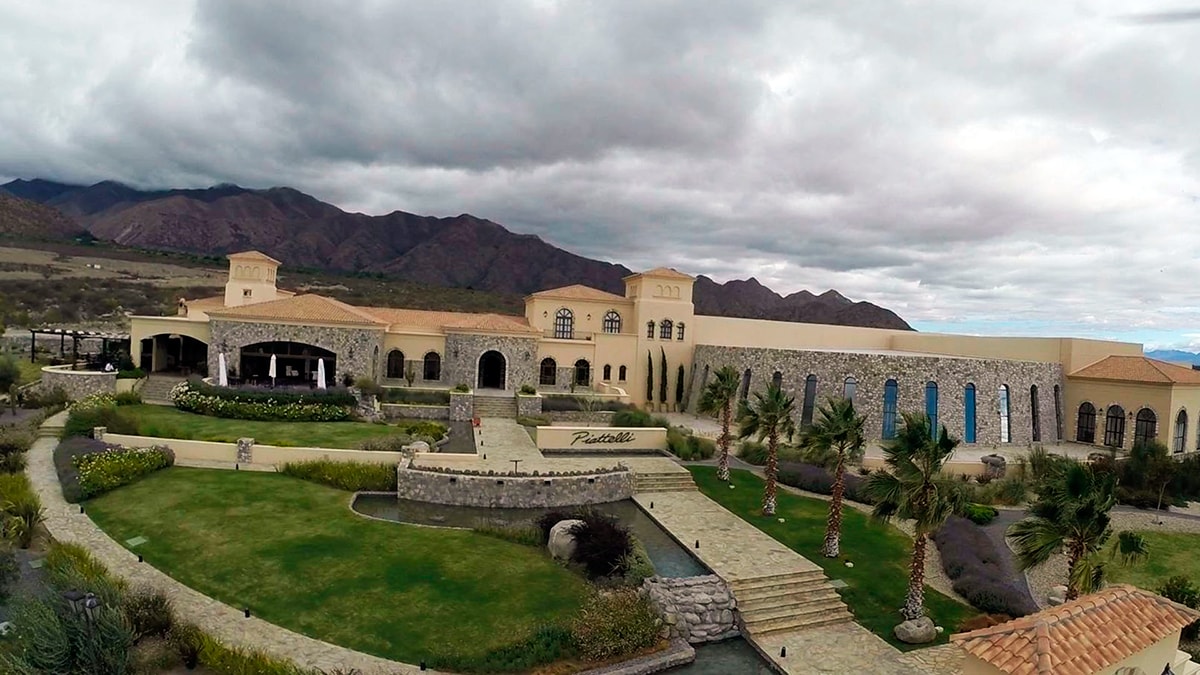
In Cafayate we will visit the Piattelli Winery and taste delicious Torrontés wine.
After tasting wines, we will visit very striking geographical features such as: “La Quebrada de las Conchas” “el Anfiteatro”, “la Garganta del Diablo”, and “Piedra del Sapo”, among others.
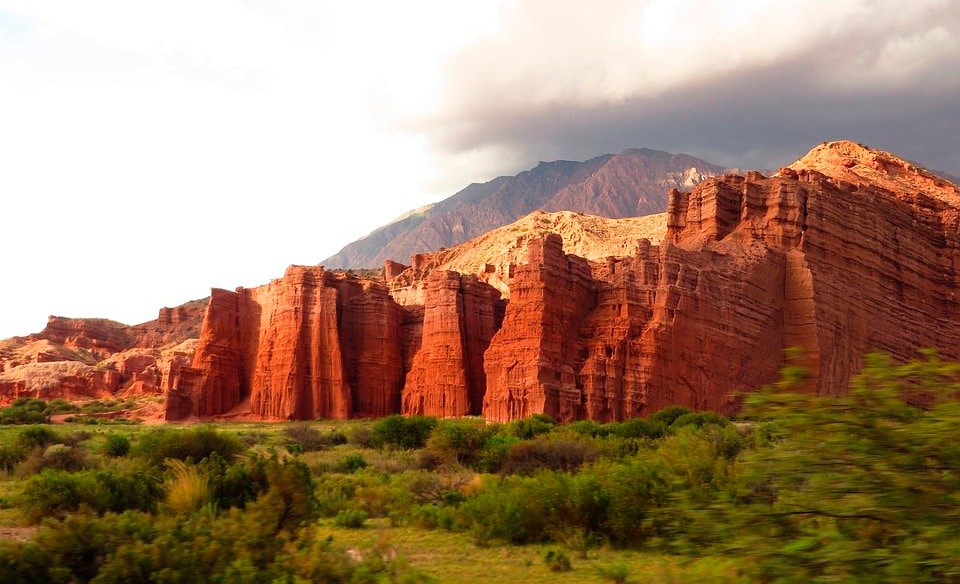
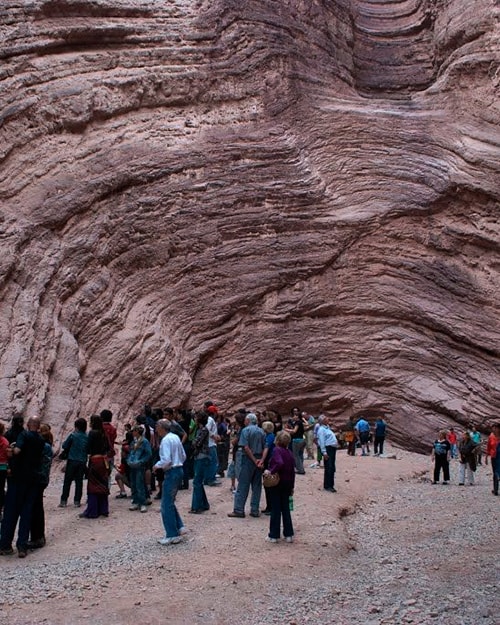
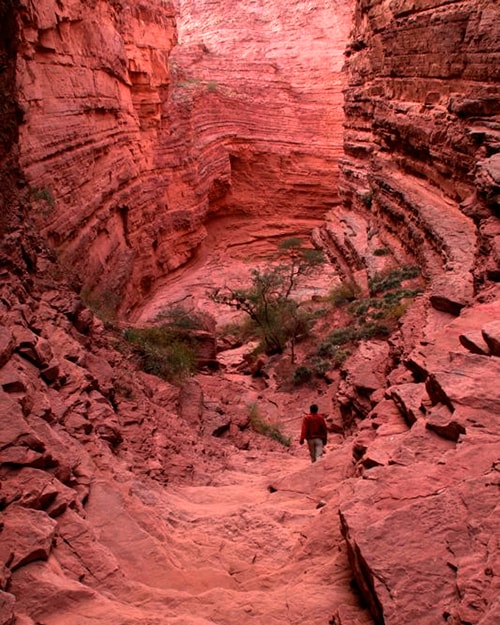
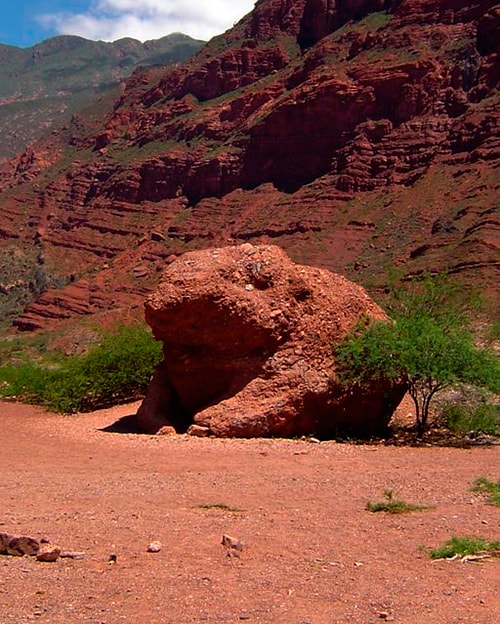
In a few days we will travel on horseback through the same colonial villages where many of the historical events of the viceroyalty era took place. This horseback ride allows you to visit unspoiled places and rest in mansions and shelters where time seems to have stood still and the traditions of the gaucho remain intact. The natural beauties are unique in the world and you will be truly amazed to be close to them.
The importance of this route
This whole route on horseback gives the traveler a special dimension of the majestic beauty of the Calchaquí Valley, the people and their ancestral customs, which can only be acquired by accessing it on horseback, since it is thanks to it that we can enter the most inhospitable corners of each town in northern Argentina.
This equestrian experience, in addition to the pleasure of riding with the comfort and spirit of a Peruvian Paso horse, takes you through an unforgettable landscape, full of historical and cultural vestiges.
At the same time, it is possible to see how traditions are kept alive in the north of Argentina, in the peñas, places for regional food and folk music, which is still played today.
Comments (0)
No comments yet.
You might also like
Estancia Buena Vista: Equestrian Tourism in the Northeast of Argentina
Discover the Jesuit legacy in the province of Córdoba on horseback
Travel on horseback in the Quebrada de Humahuaca
Interview with Andesluna: Horse riding in Patagonia
Horse riding across the Andes with gauchos


Comments
Leave your comment