
Horse riding in Patagonia: Interview with Andesluna about their horse riding tours in the Andes and the values they promote.
Horse riding in Patagonia, Argentina
Interview with Andesluna, a company that organizes horse riding tours in Patagonia, Argentina. They offer various horse riding trips in the Andes. The owners design the routes and also train their horses, which are crossbreeds between quarter horses and criollos.
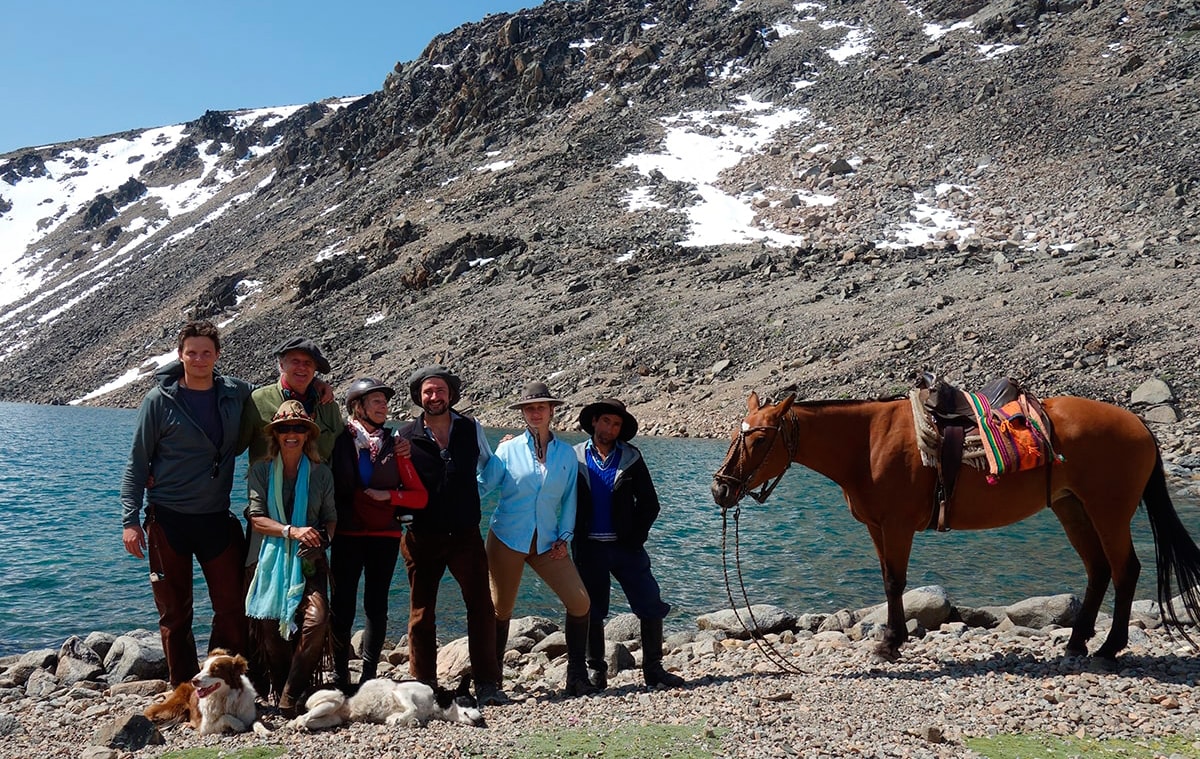
We invite you to read the interview with the owners of Andesluna in which they tell us the details about their routes, Patagonia, and a thousand reasons to visit them. On their tours you will discover impressive places in Southern Argentina, where there is not much human influence, and you will take advantage of the extensive amount of space in Patagonia.
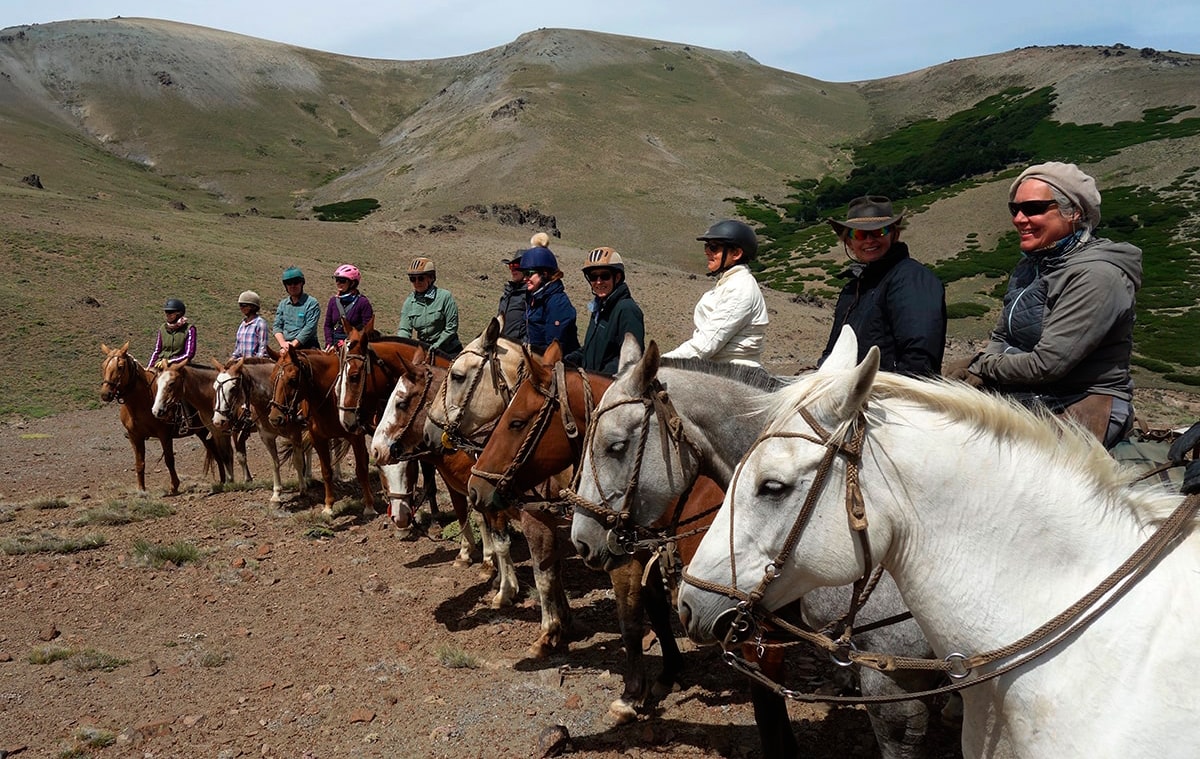
How do you become an equestrian tourism provider?
How did the idea of equestrian tourism come about?
For the love of horses and the knowledge of the mountain range in our area.
Where in the world do they come from?
Mainly from Europe, some come from North America and increasingly more clients from Latin America (Brazil, Mexico, Ecuador). It has to do with the fact that for Europeans, visiting Patagonia is a dream that many have. Patagonia, Argentina in general is directly linked to the horse, to the gaucho. From what we know: In Europe there are 3 different types of clients for our activity: Those who like adventure, those who like to explore and those who have a lot of culture “on horseback”. Finally, there are those who want to feel nature, the culture (and stay at El Sapucai). Latinos like to get to know our place, but horseback riding is something new for these clients. They like to relax after the adventure during the day, enjoy the comfort of a hot shower and a beer or a glass of wine by the fire.
**How do you design the routes? How do you choose the most interesting destinations? **
Our routes have to meet several objectives:
- Away from the city in a natural environment.
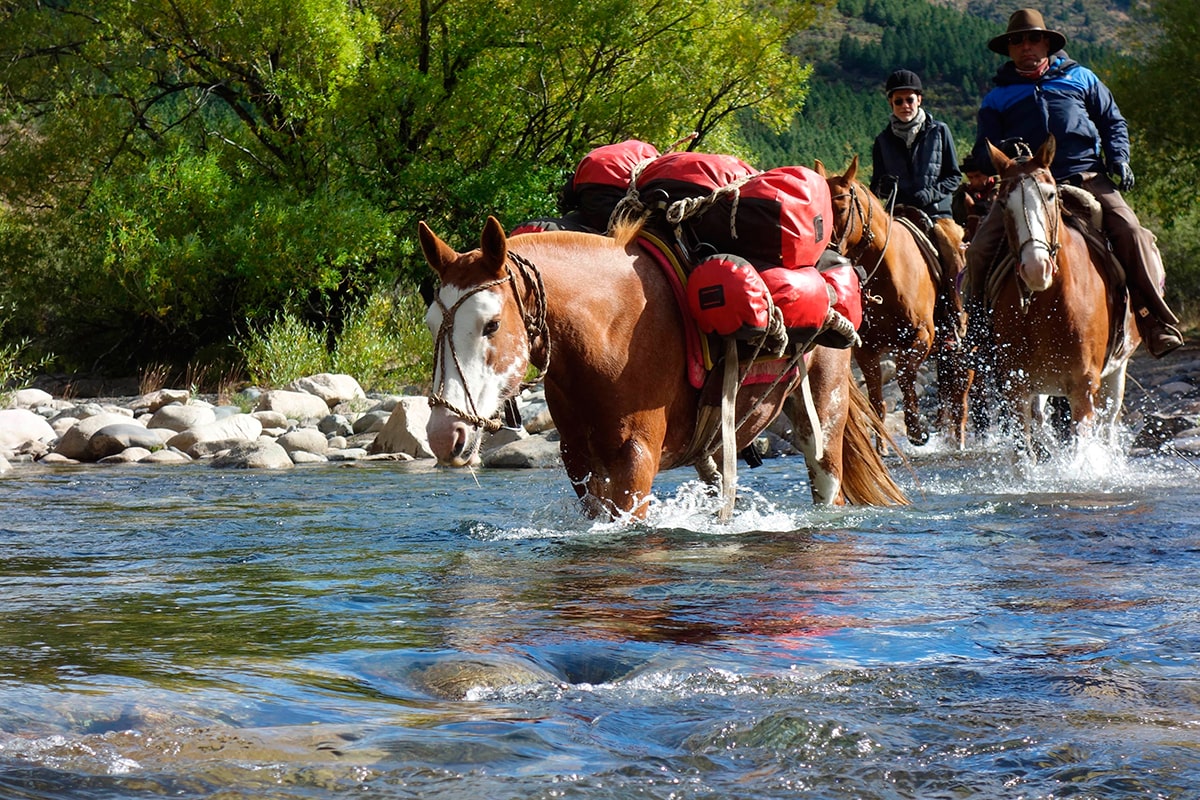
- A landscape with authentic nature, without much human influence and very importantly, there can be no day without crossing water in some form (stream, river, lake/lagoon).
- A changing environment, so that the client is surprised all the time anew. (We say that every hour the environment changes to give us a new surprise).
- When designing a new route, the place to spend the night is also very important: the main thing is that the horses have to have grass to graze on (it's not just that we talk about working with “crossbred Criollo” horses, we also live it: there are no supplements for our horses, they live off the grass they find! Furthermore, it is necessary to have water for us, the clients and our horses, it means we always stop next to a watercourse. We need a place with enough firewood to make a nice fire to warm us in the afternoon/evening.
What is the most exciting thing about your work?
We have a very intense relationship during our horseback crossings. We are available to clients 24 hours a day, and something like a group of friends/cohabitants is formed.
Because they are long trips/vacations in small groups, the nice thing is that you form a very intense bond with the guests. We also keep in touch with some of them after their stay.
What do you think are the reasons why people should visit Patagonia?
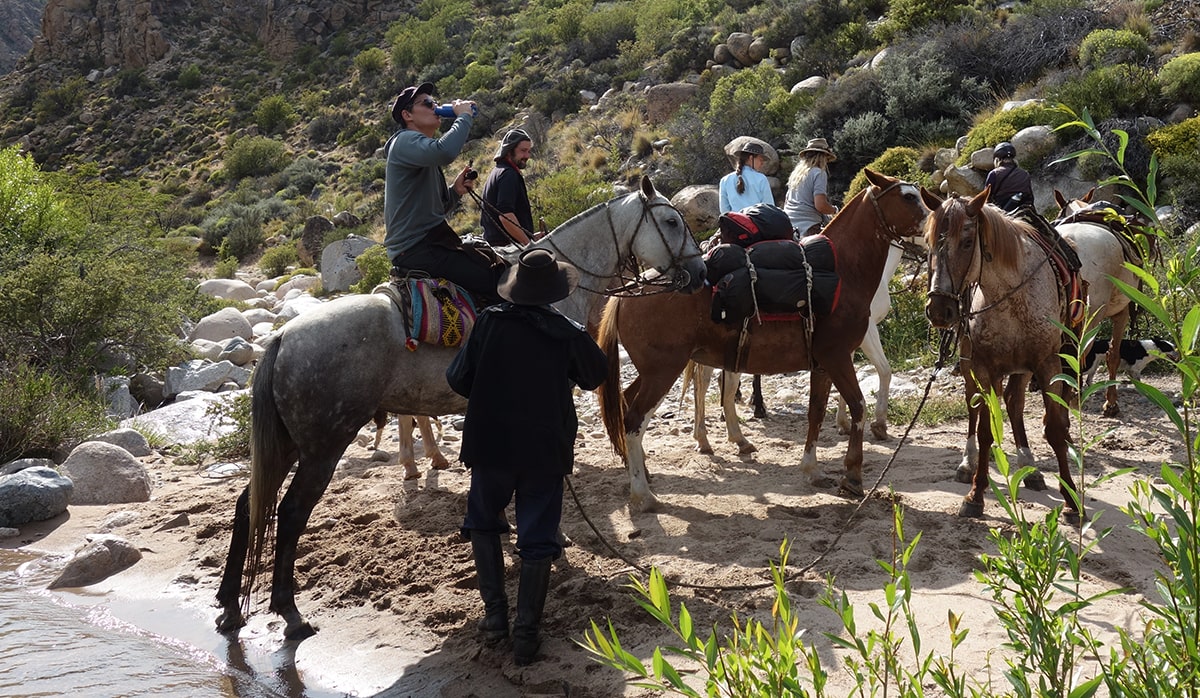
The immensity of Patagonia, nature in its almost virgin state. The coexistence with the inhabitants, those people who live in the remote places we pass through. There are many reasons to visit.
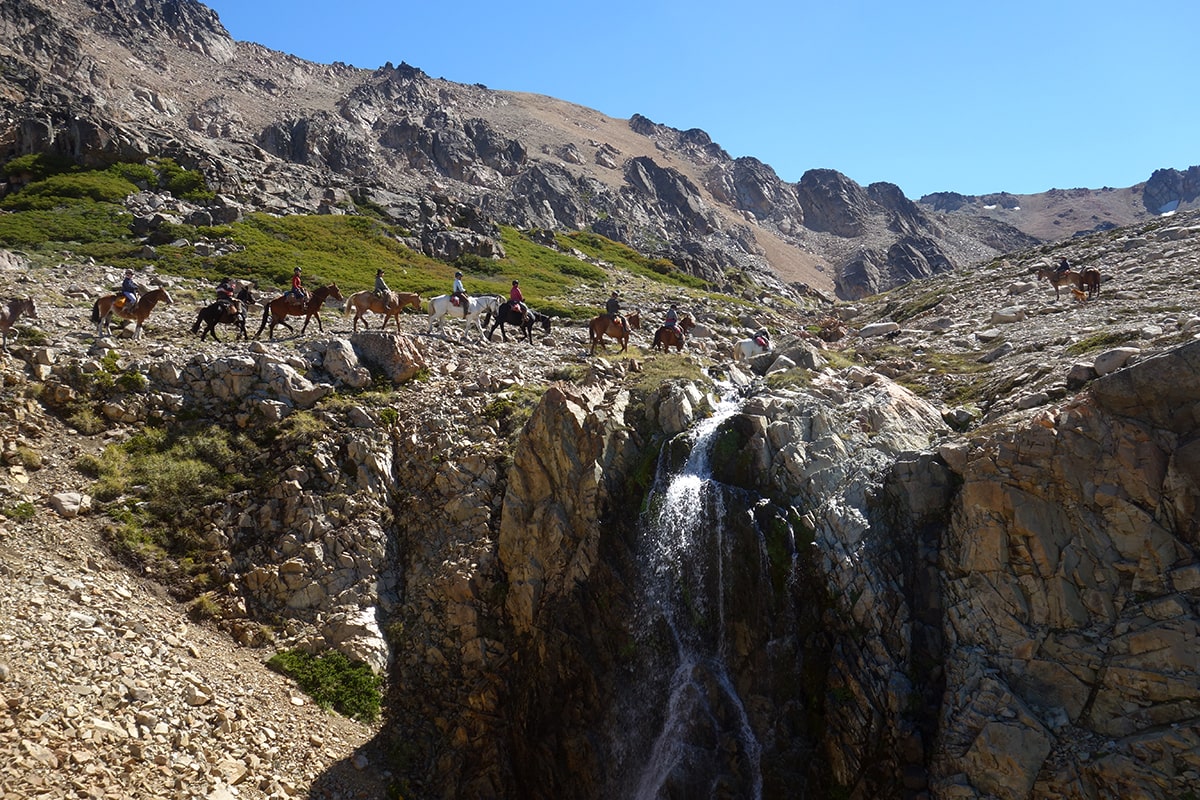
The horses of Andesluna
What breed of horse do you breed?
They are crosses with criollos, that is to say, we have our own herd of mares for breeding. The stallion is usually a Quarter Horse (height, docility, musculature, endurance) and the mares are local criollos (strong, resistant, adapted to the area). And that cross that comes out is, for us, the most suitable animal. They are a little taller than pure criollo, but with the same stamina and strength.
What technique do you use to tame horses?
We tame them ourselves - that means our countrymen - and it is similar to natural/Indian taming.
What is the advantage of riding one of your horses?
Several. By not buying other people's horses, we know perfectly well the attitude of each animal (those that do not adapt to horse riding because they have habits that can put the safety of our clients at risk are sold or used for work in the fields). This way we minimize the risk of accidents.
We have the possibility and the advantage of being able to choose which horse to use for the clients. During the time when we don't do horse rides, the horses are also used for work in the fields, which is also an opportunity to correct undesirable attitudes in some horses.
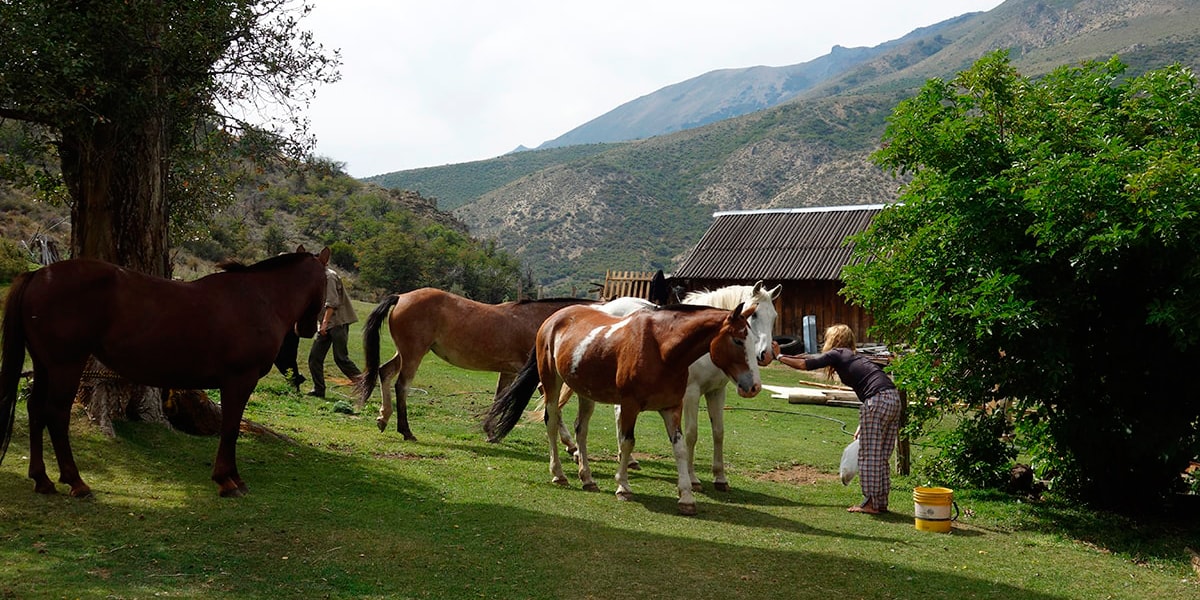
Andesluna's equestrian programs
**Which route is most popular with your riders? **
We have to differentiate between the three main programs:
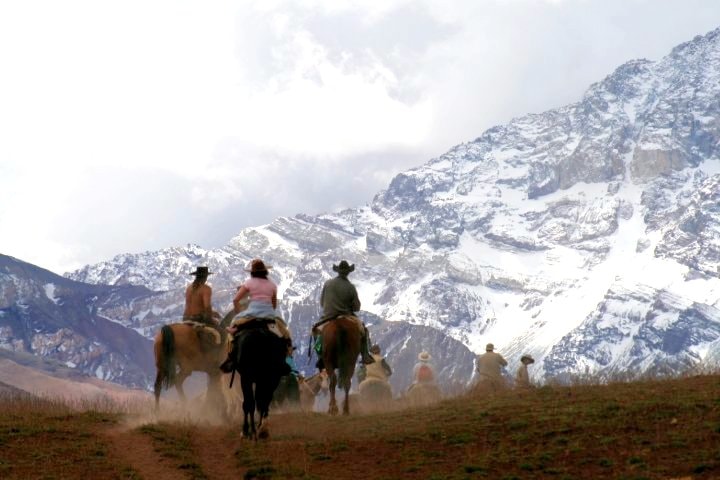
LA GRANDE TRAVERSÉE: A horse ride for horse and nature lovers. Sufficient time and physical preparation are required for this almost two-week horse ride. On the way, we cross the high peaks of the area and the foothills of the Argentine Patagonia to penetrate the Valdivian Forest in Chile. It is mainly chosen by Europeans.
CROSSING THE ALTO CHUBUT: A journey through the Argentine mountain range and foothills designed for anyone who loves horse riding and enjoying nature. This week-long program is generally chosen by Europeans and North Americans who, once the horse ride is over, continue to visit other places in Argentina.
EL SAPUCAI REFUGE AND GLAMPING: For horse riding beginners or for clients looking for a retreat in the immensity of the mountain range. With El Sapucai as a base, there is the possibility of adapting the daily outings to the level/desire of each client.
On your routes... Do guests sleep in tents or in hotels?
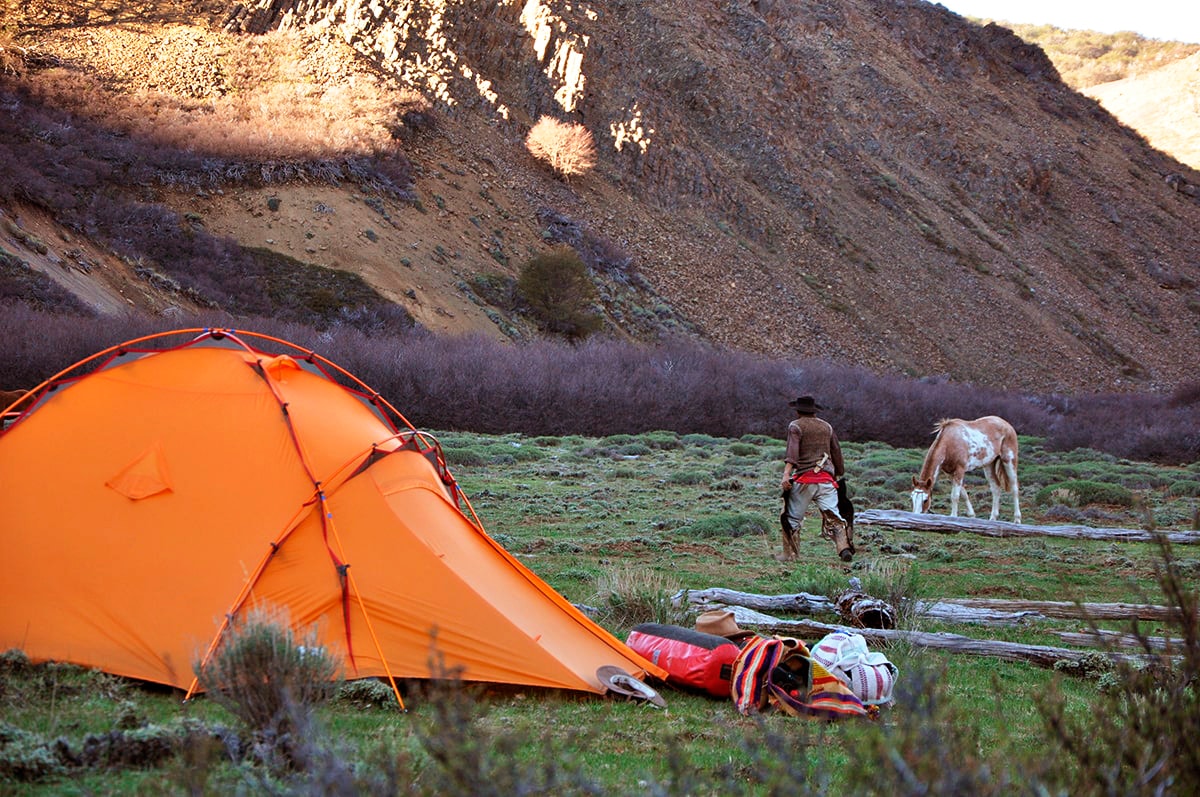
Mainly in refuges, local people's houses, private cabins. In La Grande Traversée and in the Alto Chubut Crossing there are two nights of camping (on specific request, the Alto Chubut Crossing can be done entirely with camping).
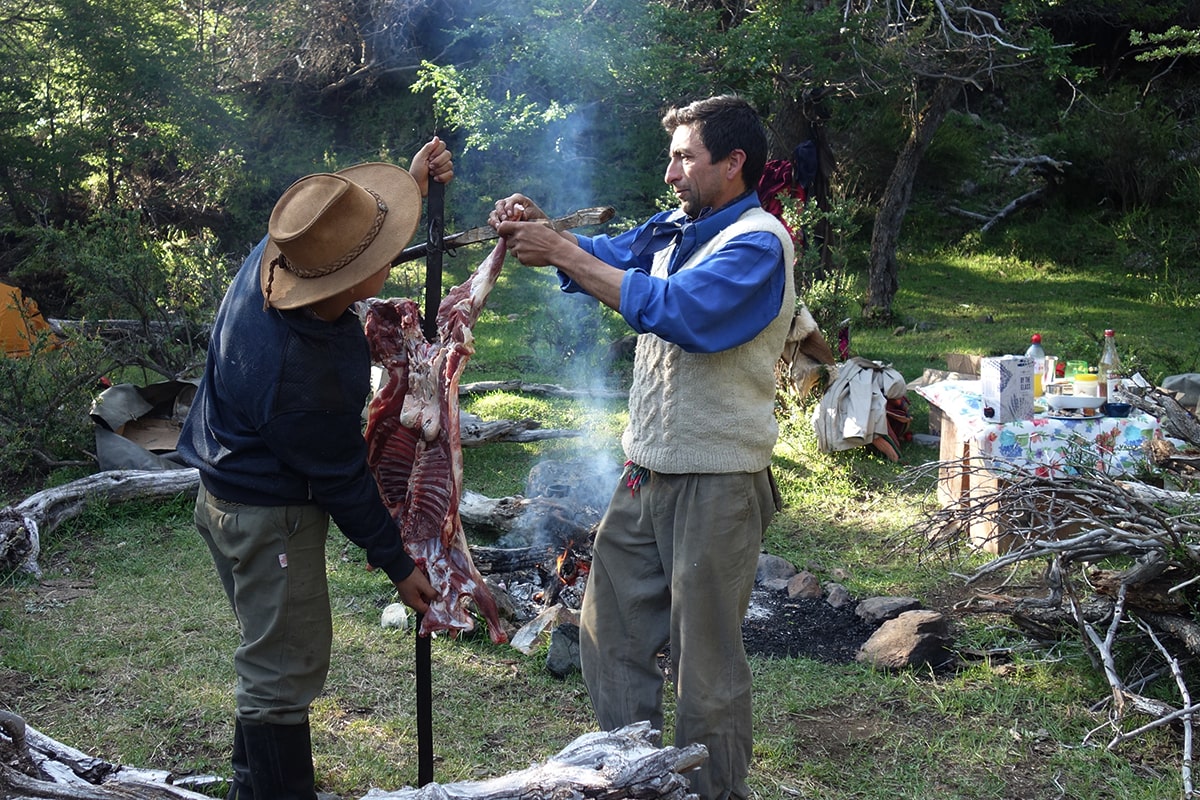
What kind of food can riders taste on horseback?
We offer an ethnic variety of Patagonian Creole cuisine. Roast lamb, beef or trout are offered as a main course and are served in different ways, but always accompanied by salad, potatoes, vegetables and, of course, red wine. Vegetarian or gluten-free dishes are a delicious option but we need to know when you make your reservation. The water comes from a spring in the mountain range, so it is very clean and there is no risk involved.
How do the riders experience the Christmas and New Year holidays?
We do special rides for those dates to celebrate them in a peaceful environment far from the city and society.
On their tours, can the riders have contact with Argentine culture? In what way?
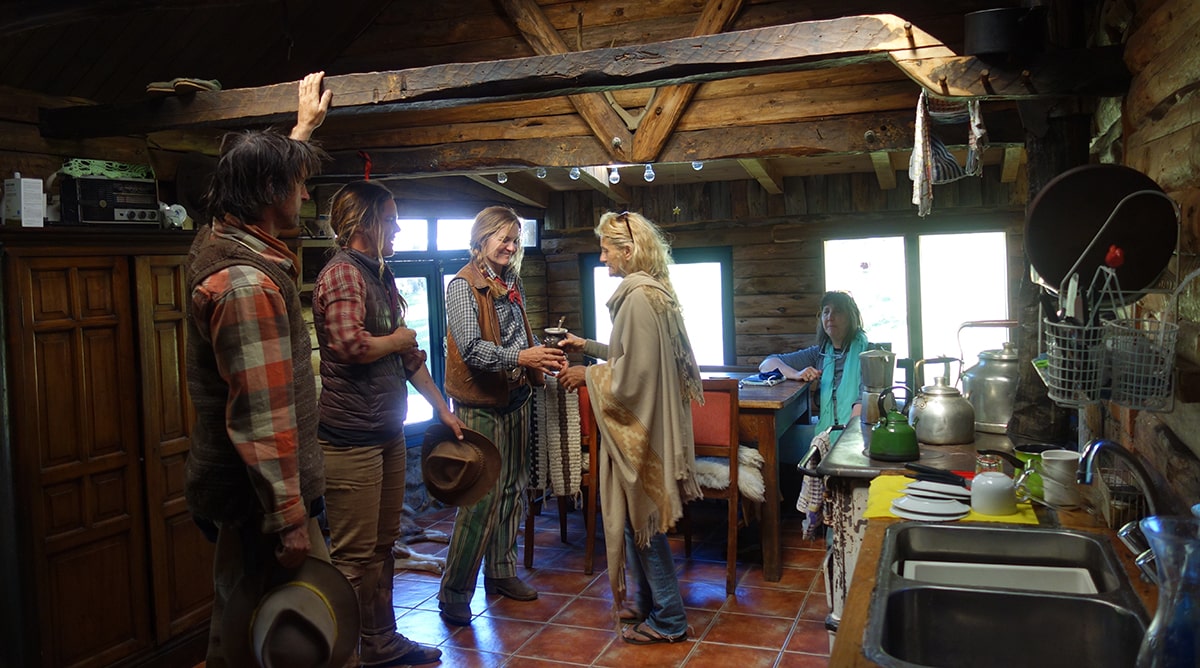
We believe that contact with the local culture is the key to a successful and memorable trip. Having contact with the local culture means:
- Local guides who live in the countryside and are knowledgeable about the region. They can tell us about their daily life in this remote place which, at the same time, being their natural environment, gives them the confidence to show themselves.
- Villagers' houses where we stop. They open their doors to us and make us feel at home.
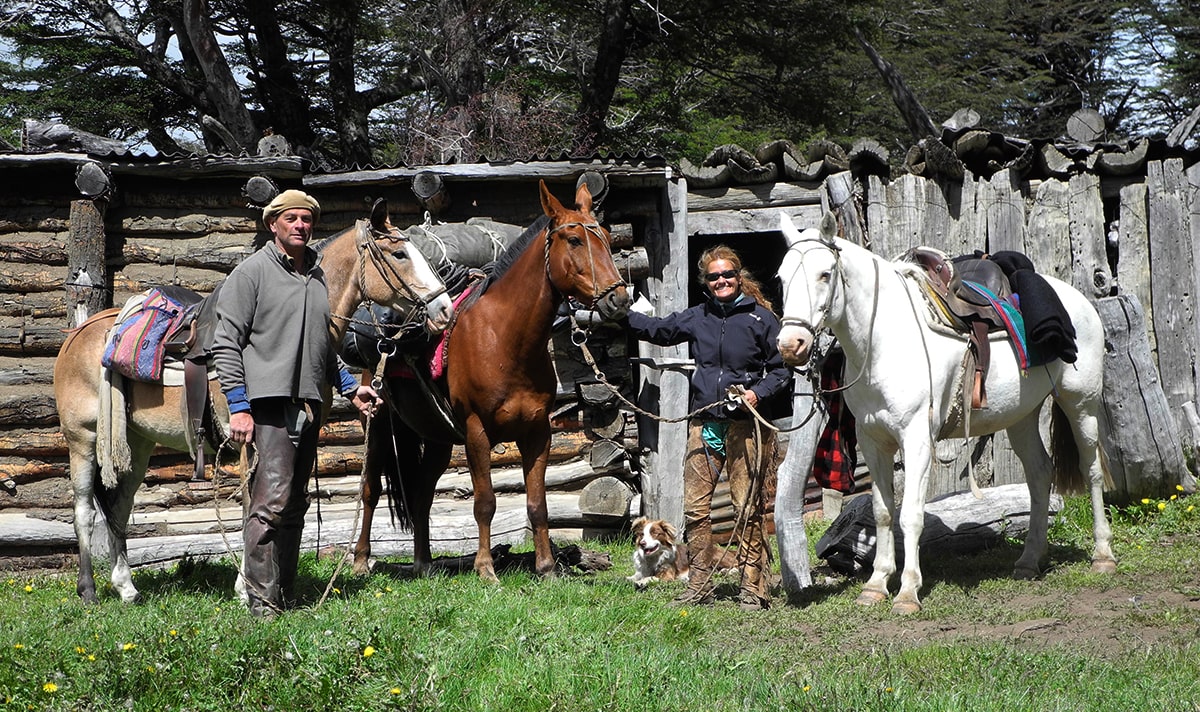
- Tammy and Domi, the owners of Andesluna, who are always part of the horse rides and who, with their knowledge, know how to bring customers closer to this very different world.
- Culture also means that much of the equipment we use for horse riding is made by local artisans. For example: reins, bridles and muzzles, saddle blankets, saddlebags, etc.
What are the challenges presented by your routes?
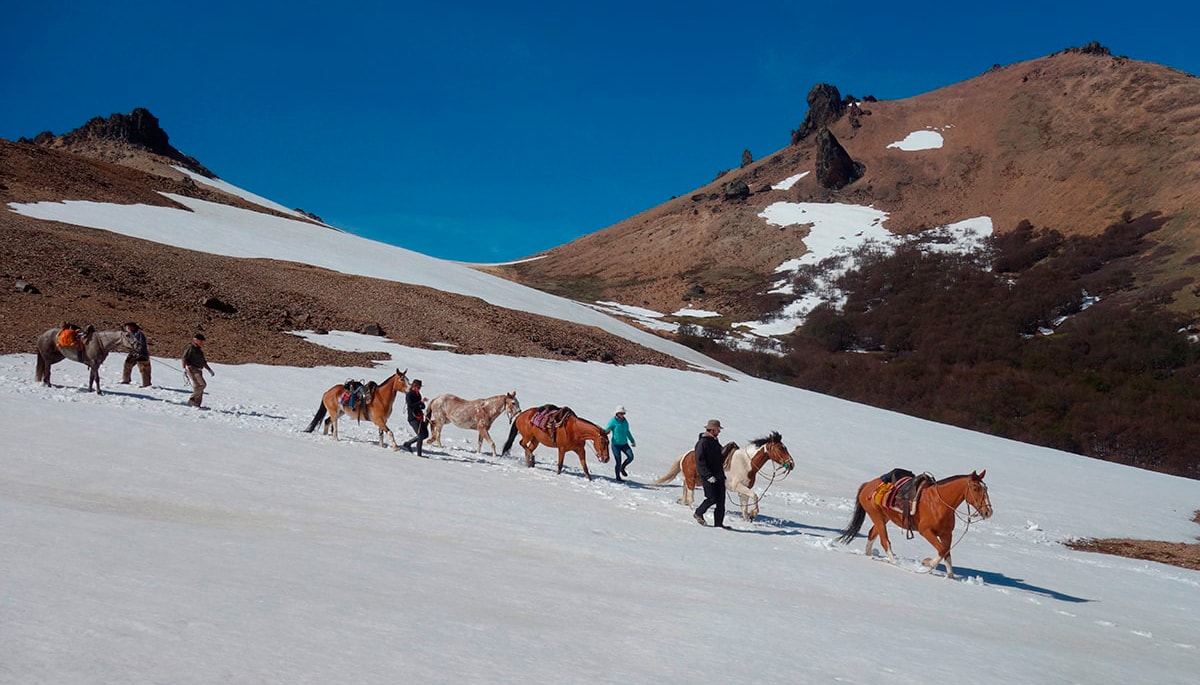
We organize horse trips, we enter a different world, unknown to most of our clients. The Grande Traversée and the Alto Chubut Crossing are demanding for both clients and horses, and that is why we do not accept inexperienced riders for these two programs (except in closed groups).
The next day, the campsites we use are left as they were, with as little environmental impact as possible. As we travel through unspoiled nature, we make every possible effort to ensure that it remains unspoiled until the next time we visit.
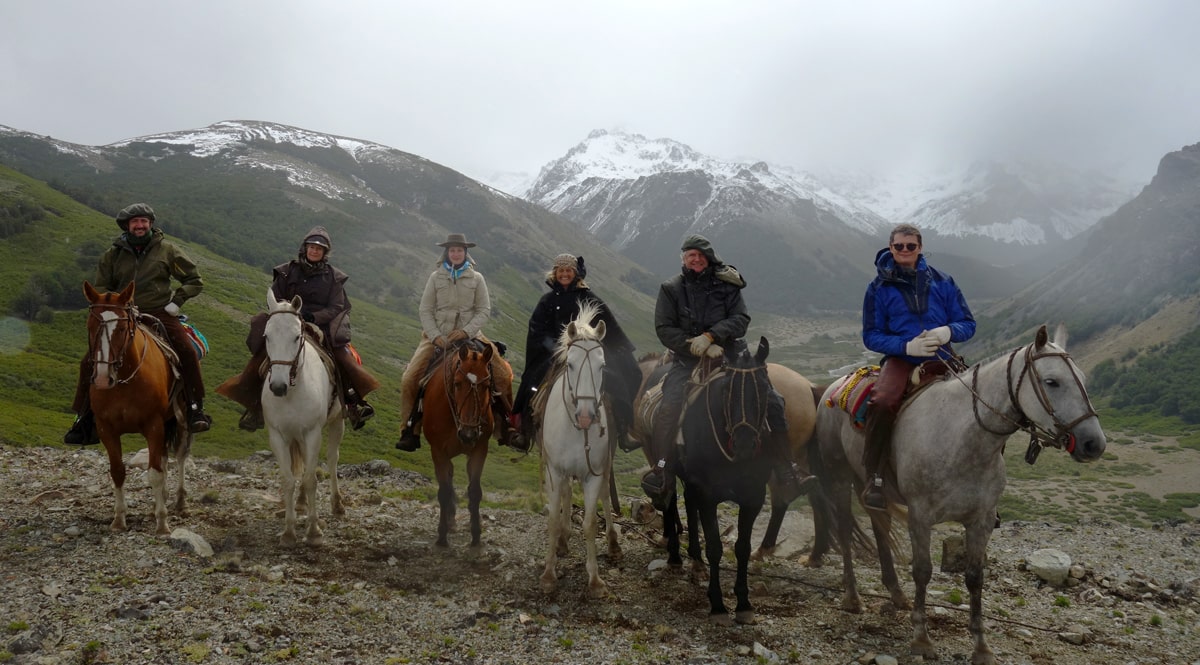
Temperatures in the mountain range are highly variable and sometimes even essential, so you must be prepared for anything. Before starting La Grande Traversée or the Crossing of Alto Chubut, we check together the clothing that each of our guests is wearing so that there are no negative surprises during the trip (for these preparations we have a meeting on the day of arrival in Bariloche).
What is the most important thing that someone learns when they go horse riding with you?
Horse riding in these remote places, spending long days on horseback and nights by the fire, allows you to fully immerse yourself in this way of life and leave everyday life behind. It's like being part of a secret society.
We learn that not everything is about connectivity, which is so normal nowadays. We learn to respect a different culture that sometimes seems very hard and sacrificing. And we learn that life is beautiful!
Crossing the Andes...
Which route do you take to cross the Andes?
Grande Traversée: On this route we start on the outskirts of the mountain town of San Carlos de Bariloche and cross the high peaks of the area and the foothills of the Argentinean Patagonia to penetrate the Valdivian Forest in Chile. The trip ends in Puerto Varas, Chile, after 11 days.
How did the riders experience this great adventure?
Many of them tell us afterwards that it was “the trip of their life”. The impact of the experience is different for each one and cannot be planned. We don't like to “make promises” based on other people's experiences, so we would like to leave this field open.
Thank you very much for explaining the qualities that you offer to share with riders on your equestrian routes and the values that your work and daily life represent.
More information about Andesluna is available on the website: http://andesluna.com
Hopefully you will be inspired to visit Argentina on horseback to see these breathtaking landscapes, taste Argentine cuisine and learn about gaucho culture. You will be treated to hospitality throughout your visit and have a memorable experience.
Continúa leyendo
Este artículo es exclusivo para miembros.
To view this blog, please complete the form
Access full content
Comments (0)
No comments yet.
You might also like
Estancia Buena Vista: Equestrian Tourism in the Northeast of Argentina
Discover the Jesuit legacy in the province of Córdoba on horseback
Travel on horseback in the Quebrada de Humahuaca
Horse riding in the Calchaquí Valley
Horse riding across the Andes with gauchos


Comments
Leave your comment