
Visit the Quebrada de Humahuaca on horseback
If you want to ride through beautiful, unspoiled nature, meet local people and learn about cultures hundreds of years old, the Quebrada de Humahuaca is a fascinating place to explore on horseback in the province of Jujuy, Argentina.
What is the Quebrada de Humahuaca like on horseback?
We invite you to visit the province of Jujuy, which offers the opportunity to get to know this extraordinary region of northern Argentina, which stands out for its diverse geography.
In this province you will find the Quebrada de Humahuaca, an Andean valley created by the Grande River as it flows from north to south. Along its 155-kilometer length, it is surrounded by high mountain ranges over 2,000 meters high.
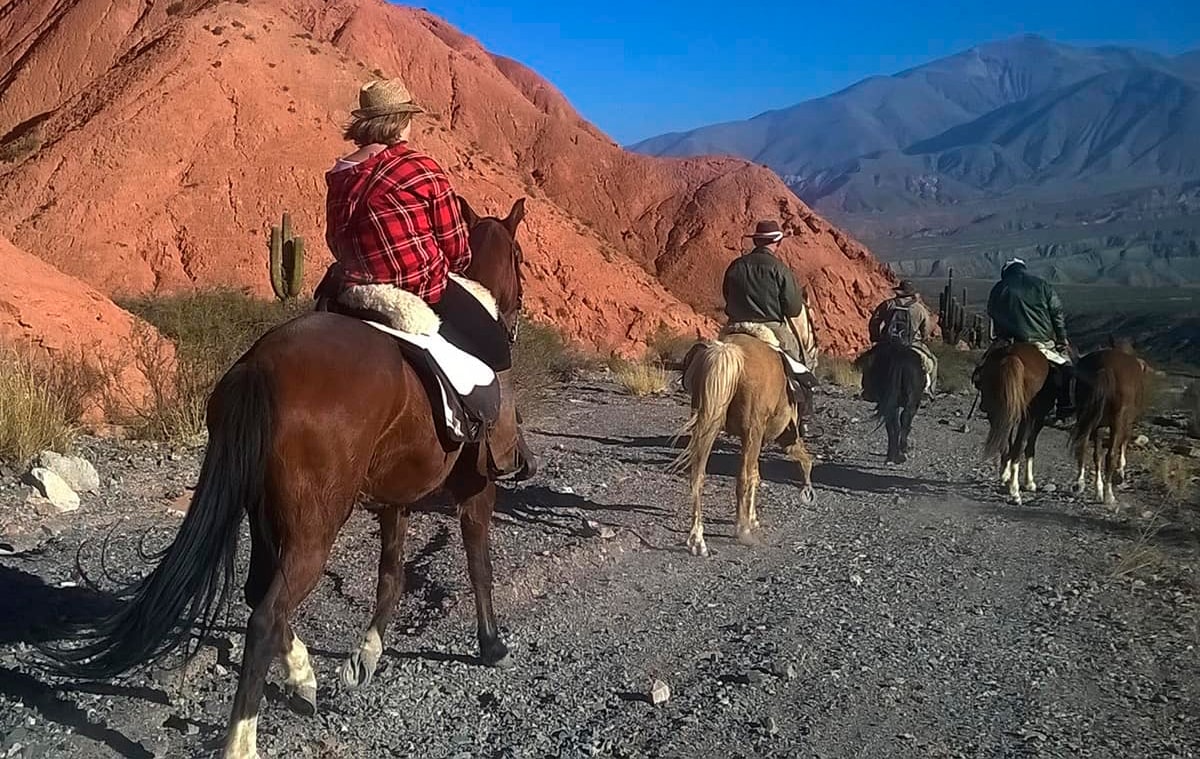
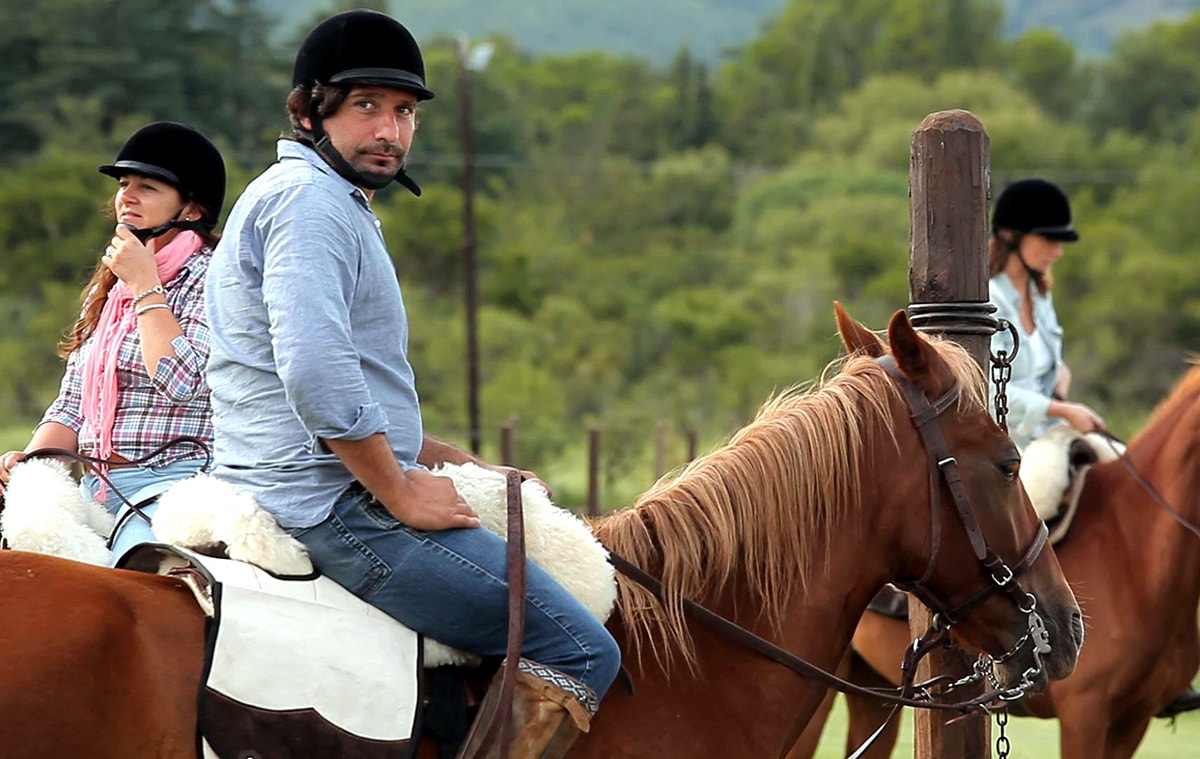
The chance to explore it on horseback invites fans of the equine world to practice equestrian tourism and travel along little-used trails.
The route allows us to experience the local customs, traditions, gastronomy and culture of the people of this province up close.
World Cultural Heritage
The soul of the Province of Jujuy is the Quebrada de Humahuaca (Humahuaca Gorge) and its spectacular multicolored hills and Quechua villages that preserve their traditions and ancestral festivals, their agricultural activities and offer landscapes unique in the world. For this reason it was declared a World Heritage Site by UNESCO in 2003.
The document states that the Quebrada de Humahuaca “is a place where man lives and moves with an enormous cultural heritage in the midst of an extraordinary natural landscape built up over 10,000 years of history”.
The route of the Quebrada de Humahuaca
The ideal starting point for a trip on horseback through the Quebrada de Humahuaca is Salta, the emblematic city of northern Argentina, located in the Lerma Valley, east of the Andes mountain range and at an altitude of 1187 meters.
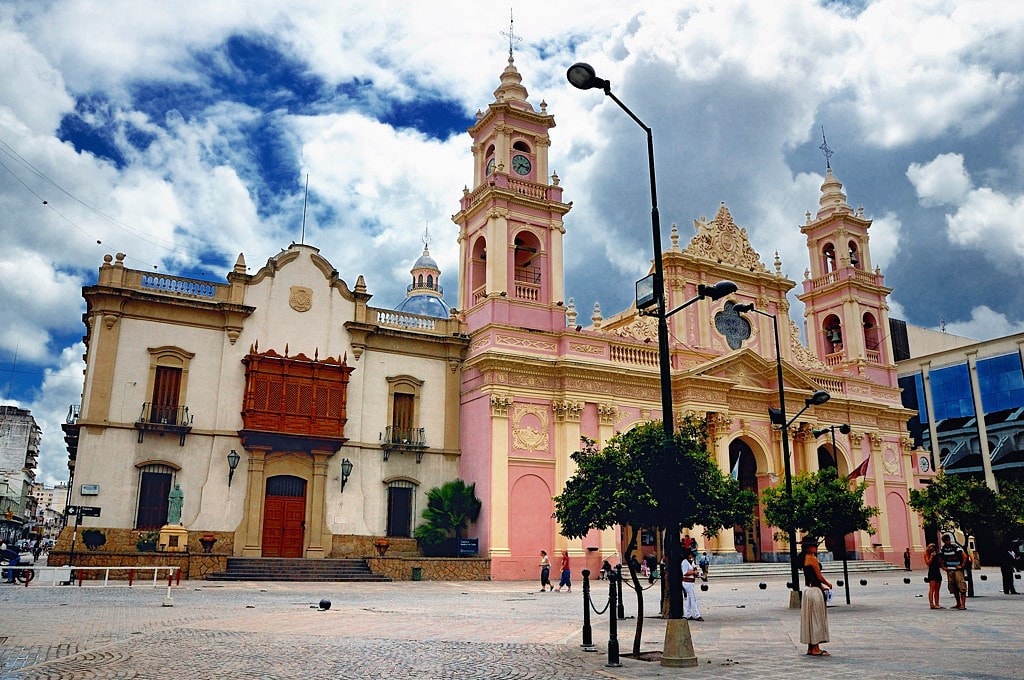
The city's main historical building, the Cabildo, seat of government during the colonial period and now a historical museum, is very well preserved. Its general structure is typical of Spanish colonial architecture from the time of the conquest of the Americas, two floors supported by semicircular arches, with a tower in the center.
Behind the façade there are two courtyards surrounded by galleries of arches. The building is characterized by tiles, ceramic tiles, and carob wood in corbels and beams.

The style of the Cabildo became a model for the subsequent construction of many dwellings with a particular appearance in the viceregal Salta.
Later, a regulation by the governor stipulated the preservation of the buildings as they were from their early years, maintaining the facades and the colonial image of the city. Because of this requirement to maintain the “unified city” aspect under one architectural style, Salta became more beautiful and the city's nickname “La Linda” (The Beautiful) was born.
Folk Clubs
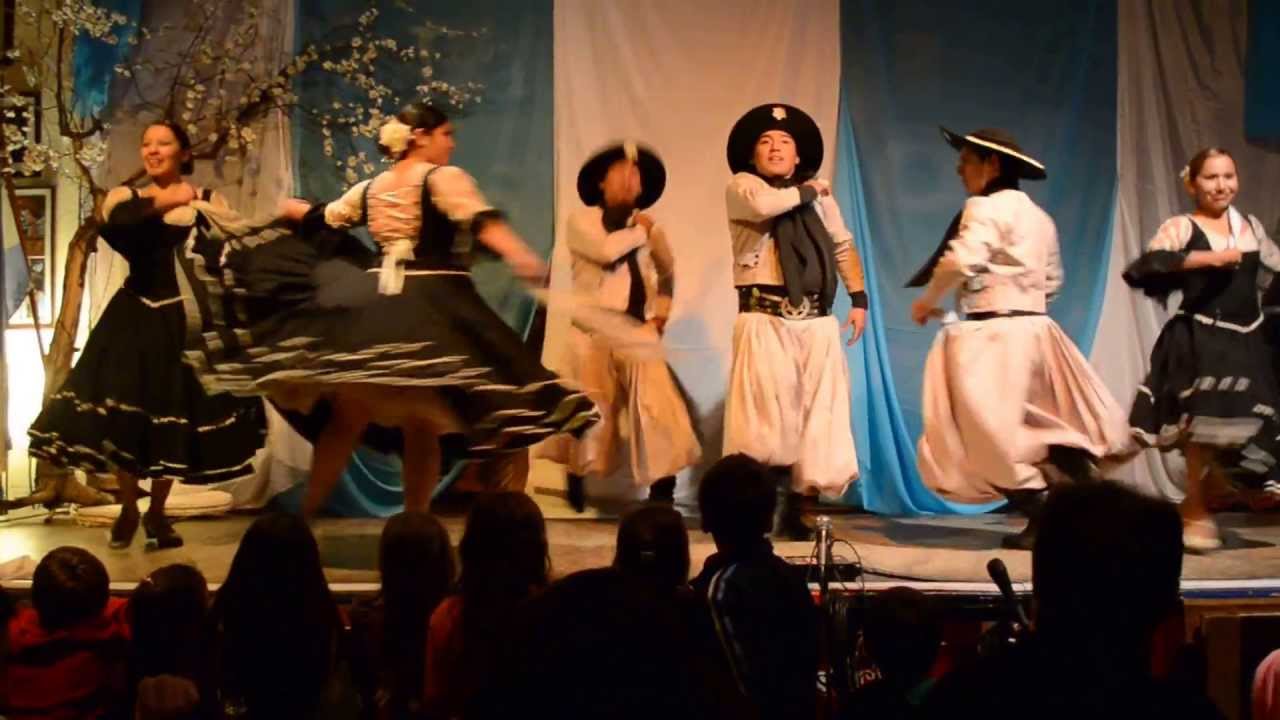
Argentina's folk clubs are typical of the north of the country.
The word peña comes from Spanish with a Latin root, which has different meanings, including that of a gathering of people to carry out a common cultural activity such as participating with joy in singing and music, sharing food and wine.
After visiting the city of Salta, if we head north, we can enjoy all the details of our horse ride starting from the town of Volcán, the starting point of the wide geographical formation known as the Quebrada de Humahuaca.
We are going to start our journey immersed in a landscape of hills and beautiful river beds, a path that will take us to the villages of the Quebrada, from Tumbaya and Purmamarca with its Cerro de los Siete Colores, then passing through Punta Corral to reach Tilcara.
The town of Volcán
Volcán is a small town of about 1700 inhabitants located at more than 2000 meters above sea level. It is surrounded by mountains with varied and dense vegetation. It is the first town in a series of tourist spots that make up the “Circuito de La Quebrada”, which we will travel on this horseback journey.
Tumbaya
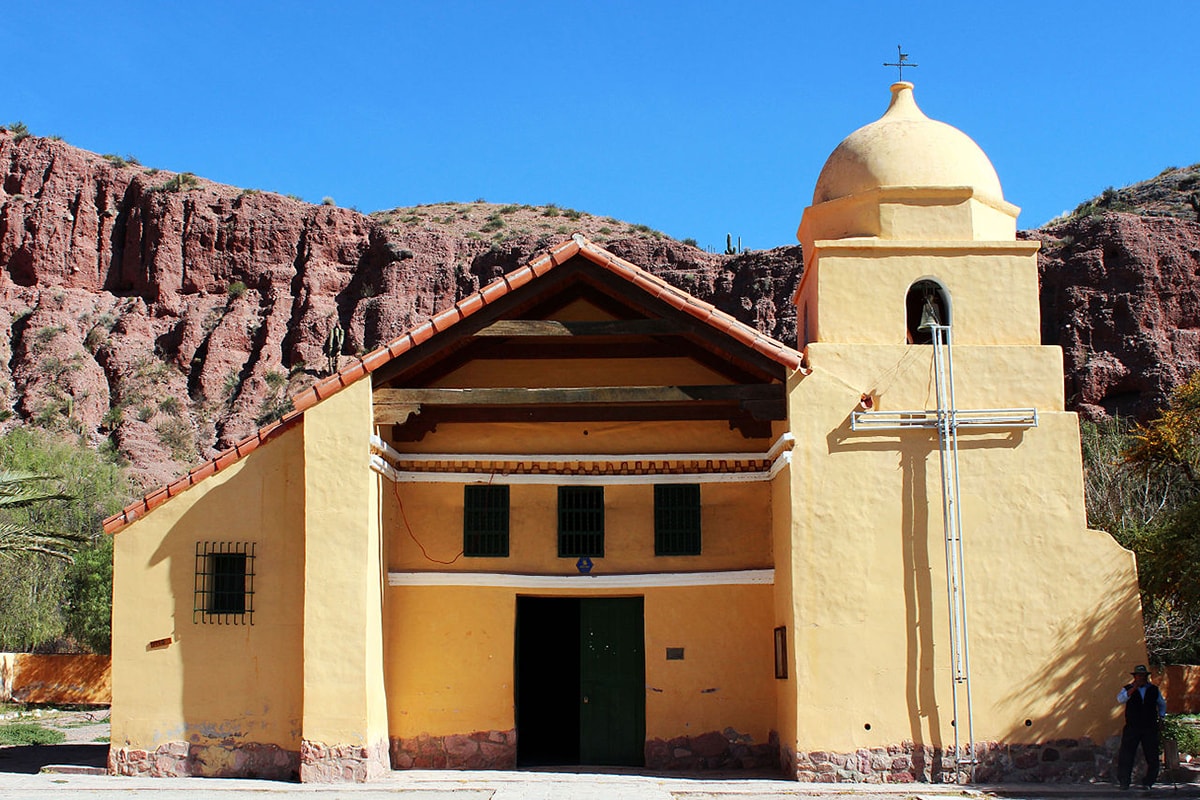
We will have the opportunity to visit Tumbaya, an ancient pre-Columbian town that still preserves its colonial structure, with low adobe houses, surrounded by hills of different shades of red, orange and ochre. Continuing the route on horseback, the night is spent in a camp in the area known as El Porvenir.
Purmamarca
The village lies at the foot of the Hill of Seven Colors, which decorates the landscape with a wide range of colors, with elegance and majesty.
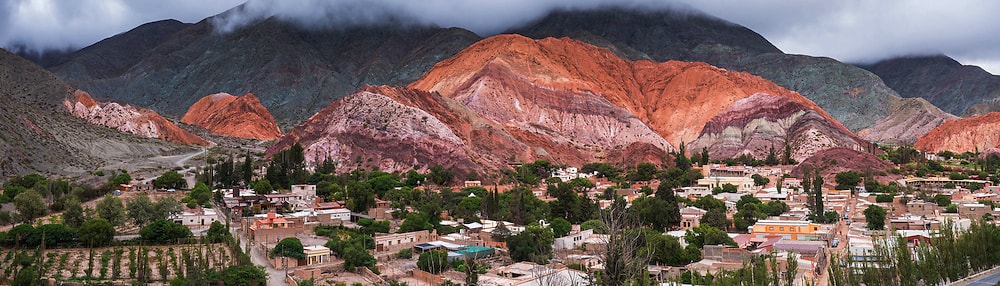
We pass through the extraordinary town of Purmamarca and its main square, where the craft fairs take place, and we feel as if we are reliving a scene from over 500 years ago.

Punta Corral
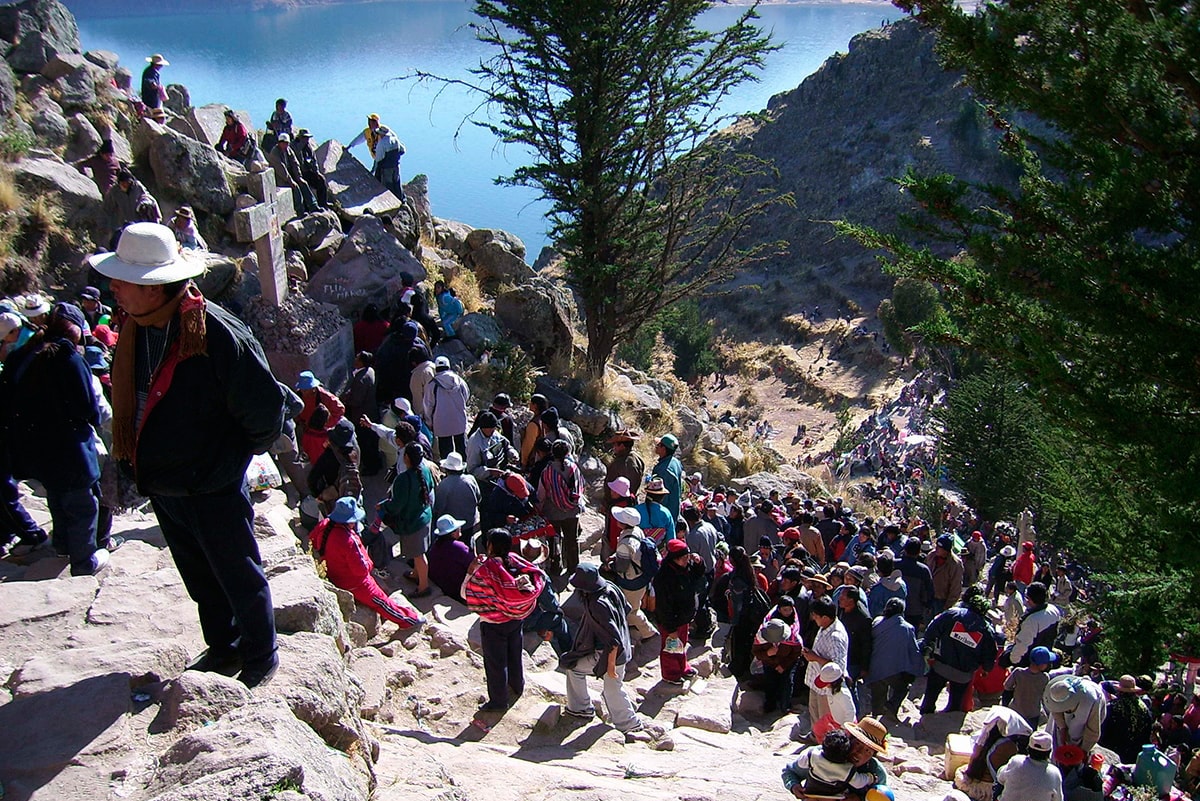
Punta Corral, located 23 km northeast of the town of Tumbaya, at 3,860 meters above sea level. It is known as a place of pilgrimage.
Every year, during Holy Week, for “Palm Sunday” the pilgrims accompany the image of the Virgin of Copacabana from Punta Corral to the town of Tumbaya. In this way they demonstrate their devotion to the “Mamita de los Cerros” (Mother of the Hills) as she is known by the locals.
Tilcara
Arriving in Tilcara, located on the banks of the Rio Grande, on horseback, is a moment of unforgettable magic and charm, which will add to those experiences that the traveler will carry with them forever.
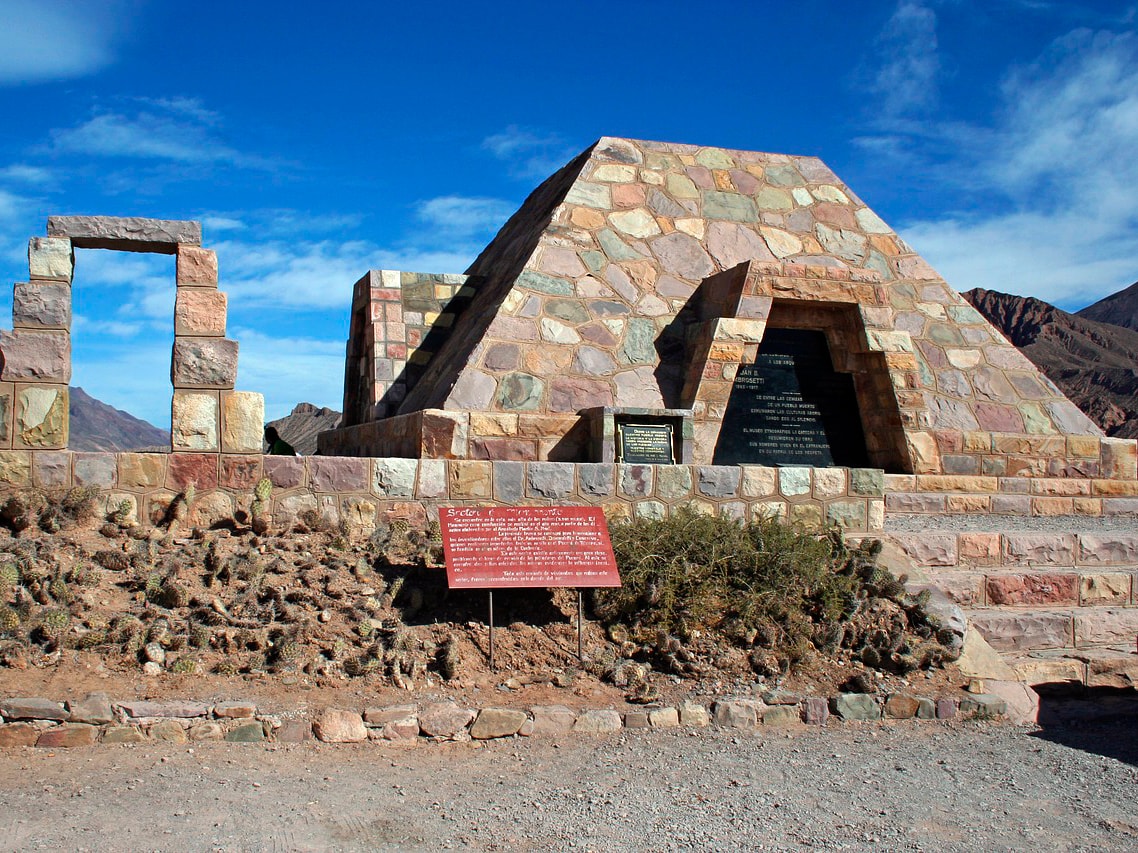
Tilcara is in the heart of the Quebrada de Humahuaca and has very important historical sites, such as the Pucará de Tilcara, a fortress strategically built by the Tilcaras more than 900 years ago.
Tilcara does not have a foundation date. Like the entire Quebrada de Humahuaca, it was populated by indigenous settlements from pre-Inca times.
Visiting Humahuaca
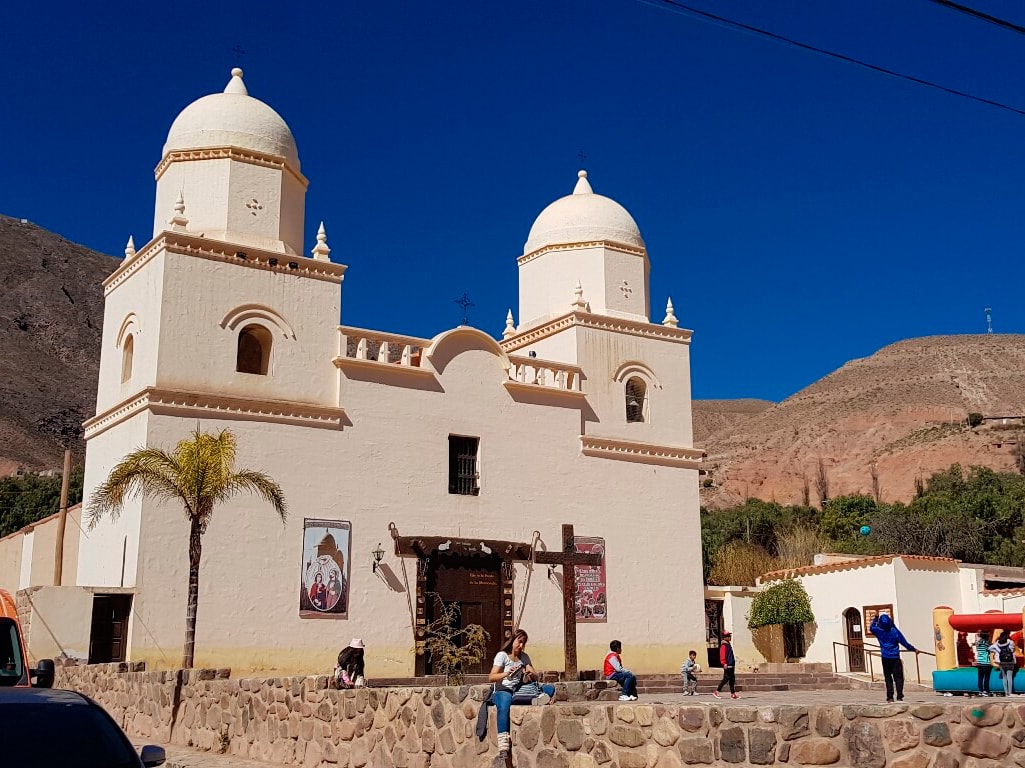
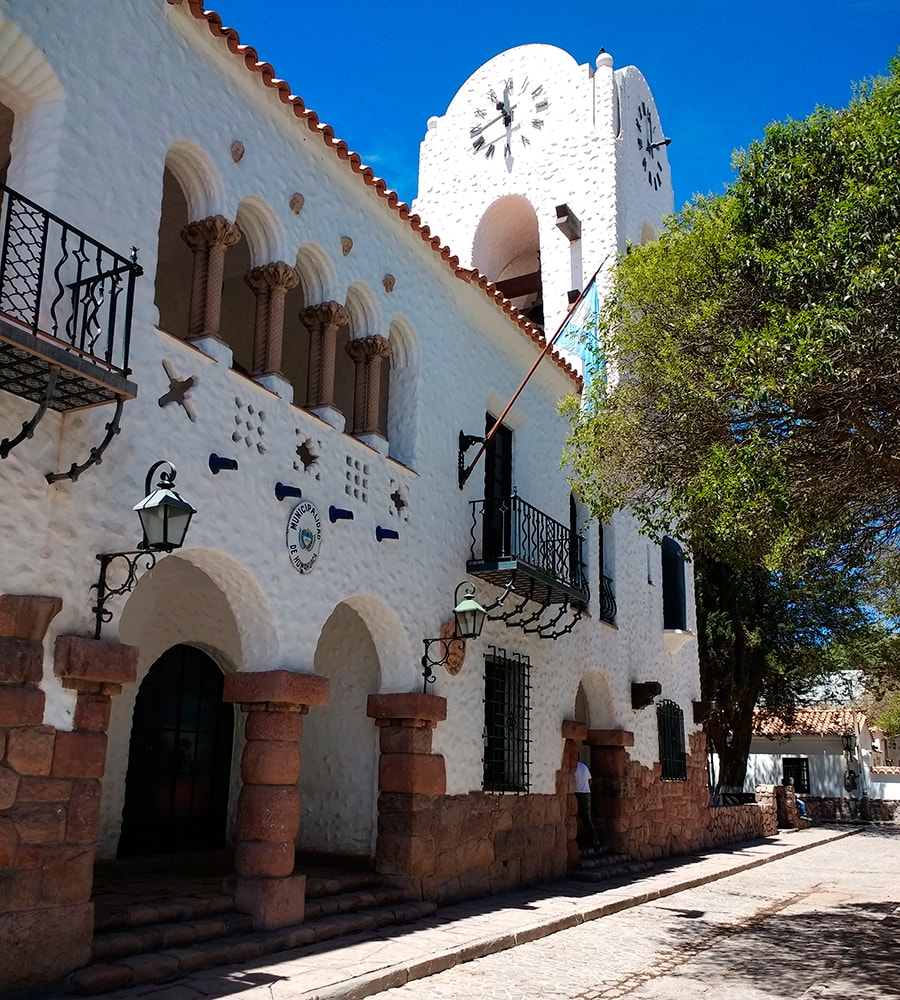
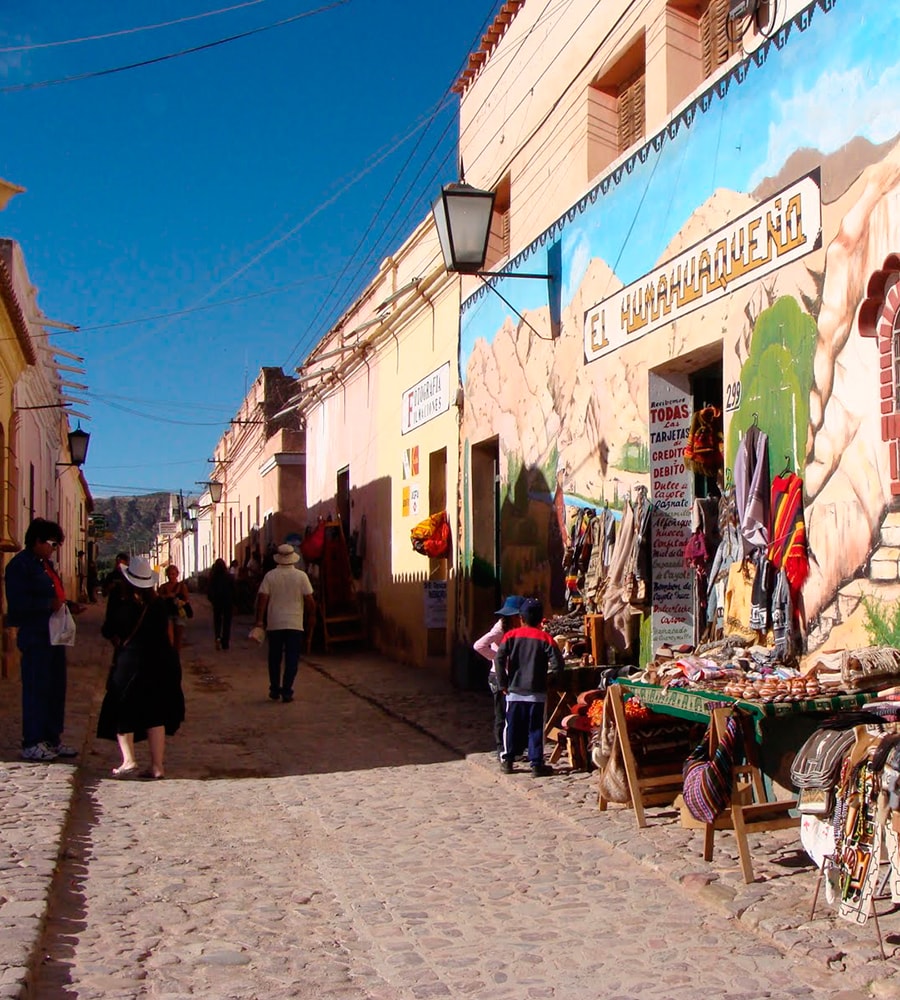
After visiting Tilcara and leaving the horses, we travel by vehicle to Humahuaca, an important and picturesque town in the Quebrada (gorge) that bears its name, and ideal for exploring on foot while we admire its narrow streets with their different houses and buildings.
The central square is always very lively with locals and visitors alike. Here we find the Nuestra Señora de la Candelaria Cathedral with images of the city's patron saints: San Antonio and the Virgin of Candelaria.
Other attractions in the town are the Archaeological and Historical Museum and the Regional Folklore Museum, where you can learn about the history, culture and customs of the inhabitants of the Quebrada and La Puna.
The craft market, where different products such as woollen garments and regional products are on offer, is also very popular.
The historical importance of the route
The Quebrada de Humahuaca served as a route for the Incas, was an obligatory passage for expeditionaries and colonizers and an important commercial route in the viceregal period. Its real importance lies in the fact that the gorge has functioned as a permanent route of interaction, linking distant and different territories and cultures.
The route through the Quebrada de Humahuaca and the opportunity to travel it on horseback with Ampascachi is unique.
It allows you to enjoy places that can only be reached on foot or on horseback, and even better with the comfort of a Peruvian paso horse.
It includes the opportunity to sleep in campsites for a few nights, allowing us to experience the special emotions of dusk and dawn in the immensity of the Puna hills.
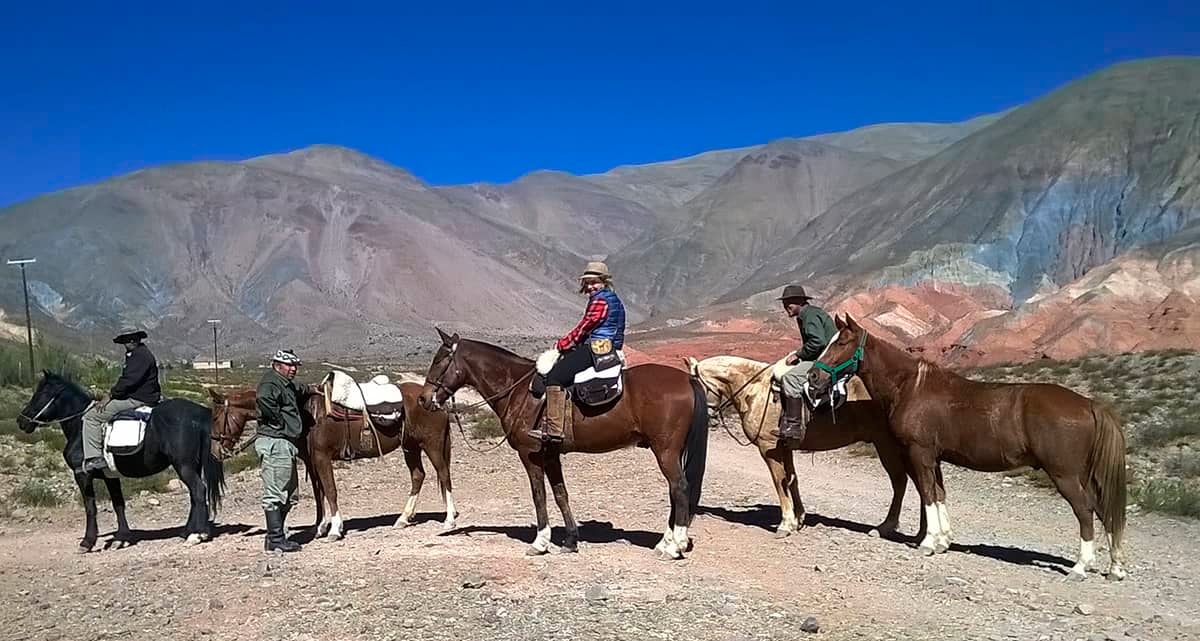
It is a trip that contemplates all possibilities: from visiting the city of Salta, to horse riding and getting to know the heart of the province of Jujuy in Argentina, which is undoubtedly the Quebrada de Humahuaca.
An experience to pamper the equestrian soul, which we share.
Comments (0)
No comments yet.
You might also like
Estancia Buena Vista: Equestrian Tourism in the Northeast of Argentina
Discover the Jesuit legacy in the province of Córdoba on horseback
Interview with Andesluna: Horse riding in Patagonia
Horse riding in the Calchaquí Valley
Horse riding across the Andes with gauchos


Comments
Leave your comment