
Crossing the Andes on horseback with gauchos
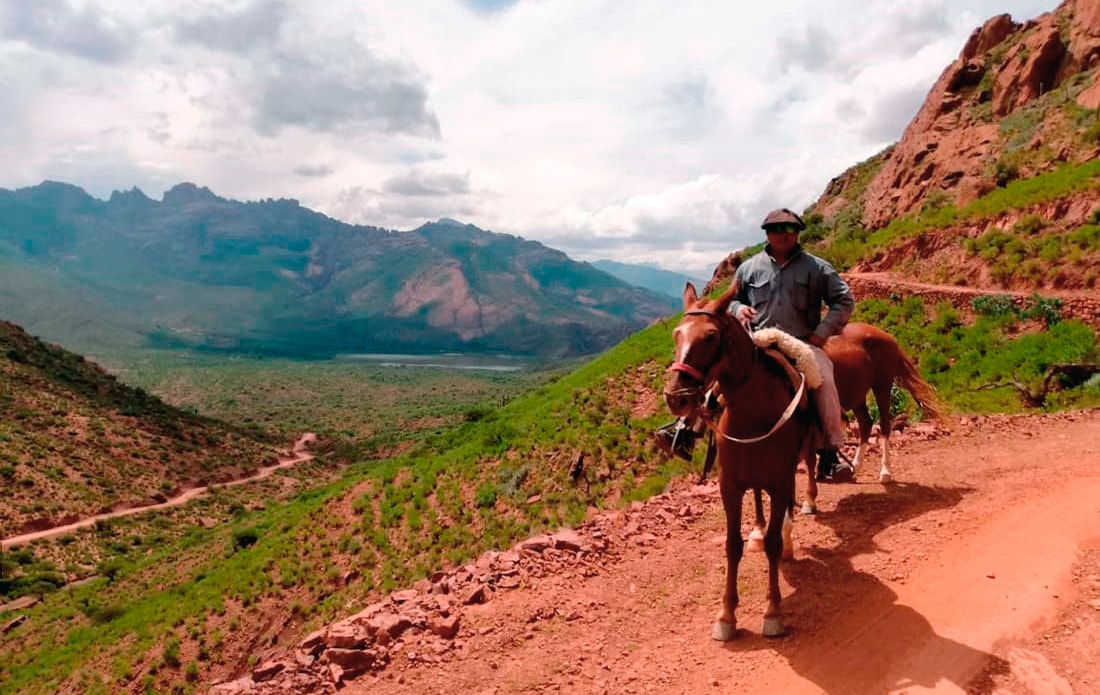
Crossing the Andes on horseback is on the list of the bravest riders with some experience, to meet this very special challenge.
Live the adventure with competent gauchos, who will guide you from Argentina to Chile.
Are you ready?
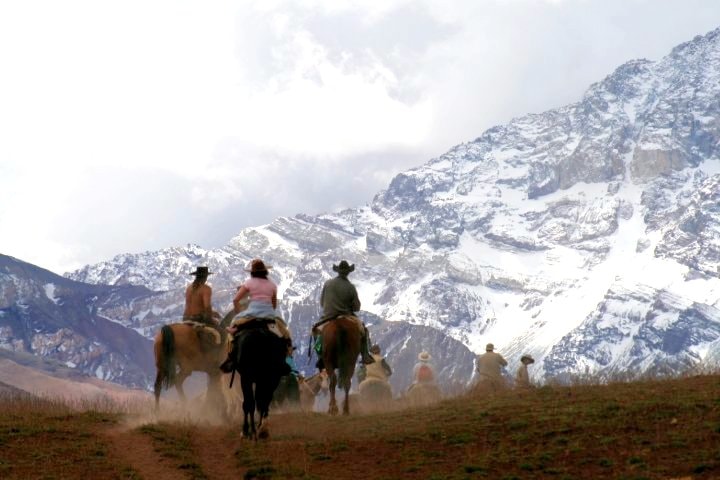
The adventure of crossing the Andes on horseback
Every rider has rides to be done in mind, and if we talk about emblematic rides, we cannot miss “The Crossing of the Andes”.
The crossing of the Andes represents “much more” than a route on horseback, this is because crossing the Andes represents a difficult and long journey, with an impressive nature, which places the rider in the middle of the immensity itself.
The dimensions of the Andes
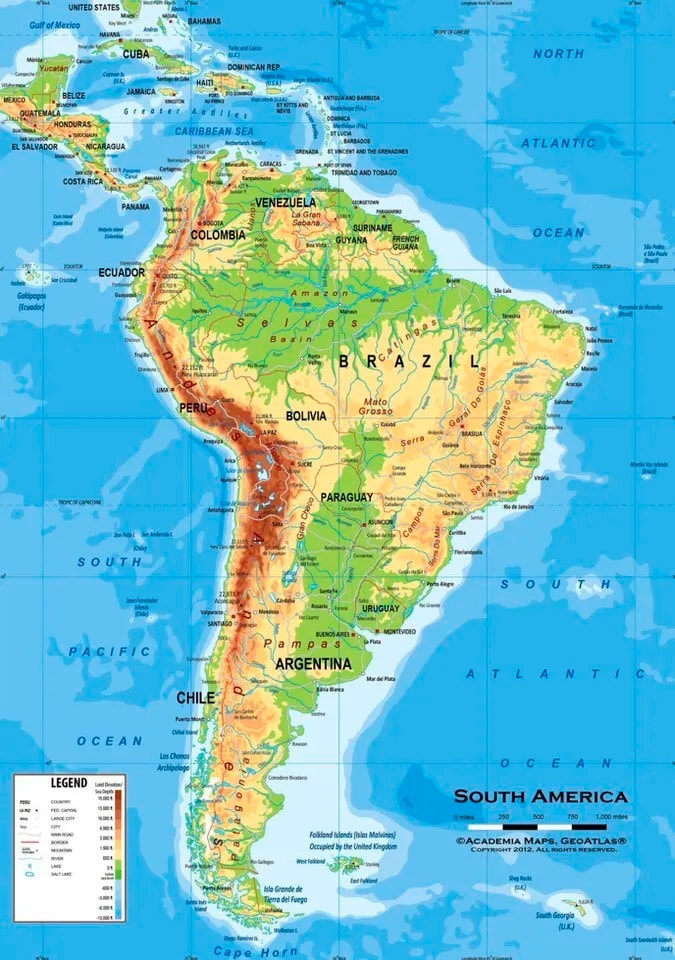
The Andes mountain range runs along the entire Pacific coast of western South America. At 8,500 km in length, it is the longest continental mountain range in the world.
From its northernmost point in Venezuela, it passes through Colombia, Ecuador, Peru and Bolivia. It then forms the natural border between Chile and Argentina, ending at its southernmost point in Tierra del Fuego.
Its width varies between 250 and 750 km. Its average altitude is between 3000 and 4000 meters above sea level.
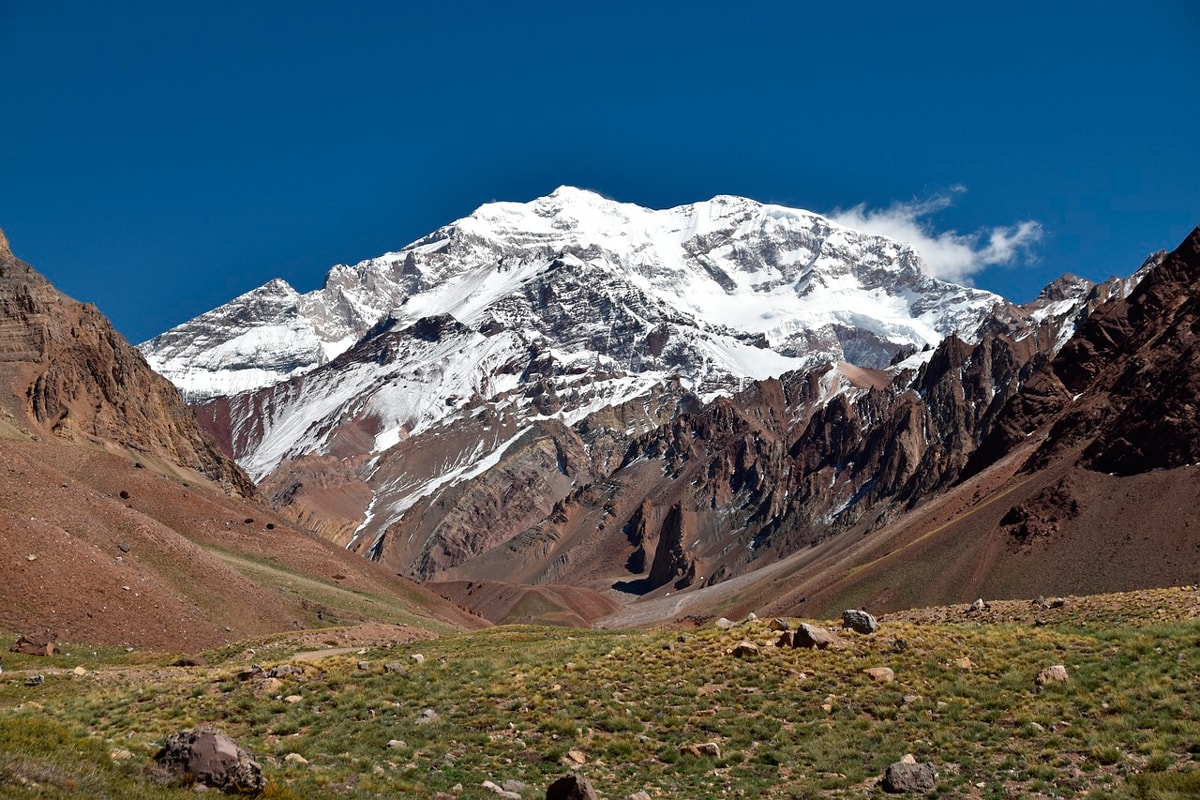
It contains the highest volcanoes on Earth, and its highest point is Aconcagua, which is 6,962 meters above sea level, making it the highest mountain on the planet outside of Asia.
How to cross the Andes?
The best way to get to know the immensity of the Andes mountain range is on horseback.
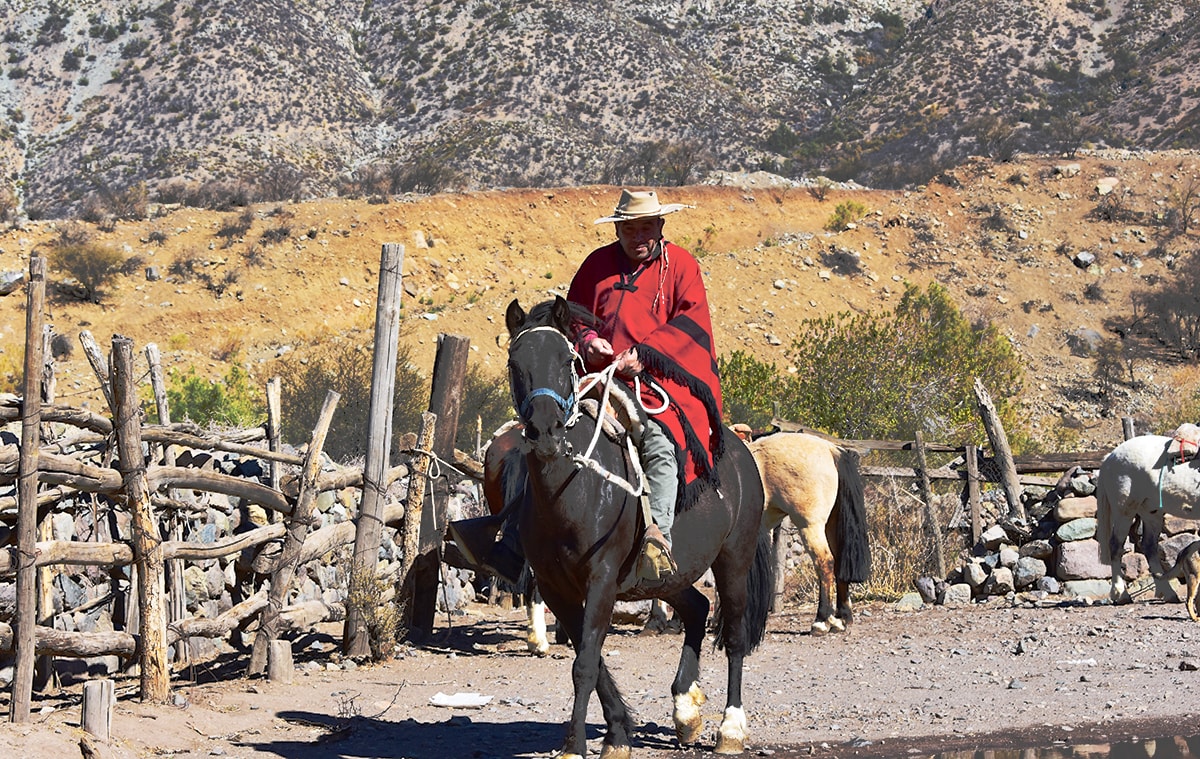
It is recommended to do this famous equestrian route accompanied by the emblematic figures: the “Gauchos” of Argentina and the “Huasos” of Chile. They know the area perfectly and can guide riders safely through the highest mountains in the Americas: Mercedario (6770 meters above sea level) and Aconcagua (6959 meters above sea level).
Historic moments in the Andes
On this equestrian route, in which we cross the Andes, we also relive one of the most important historical feats in Latin America: the liberation of Chile, Argentina and Peru.
It was carried out by General San Martín and was done by crossing the Andes on horseback.
City of Mendoza
This extraordinary journey begins in the city of Mendoza and allows you to discover beautiful places.
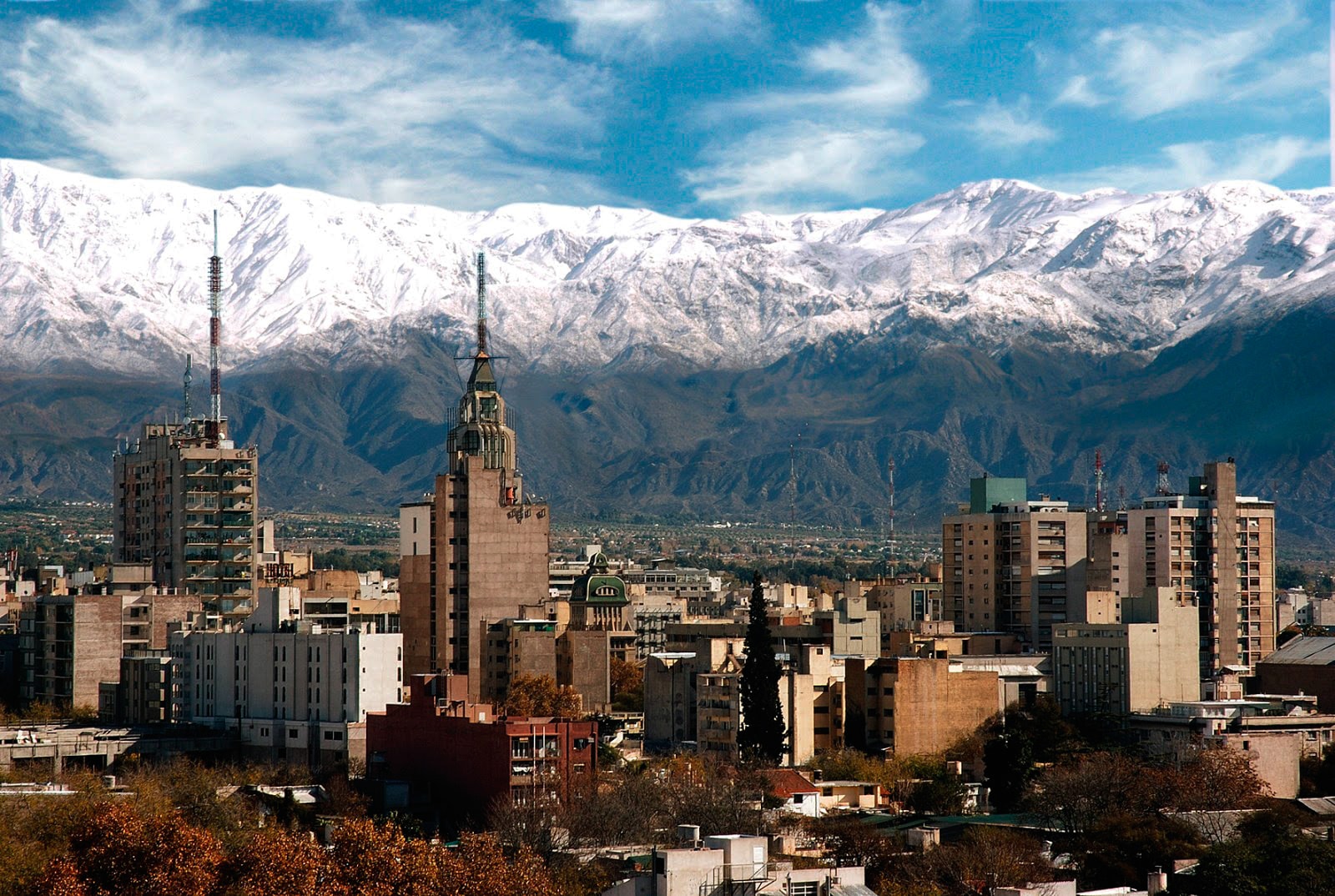
The province of Mendoza is located in the center of Argentina, under the central Andes, and is predominantly arid.
It is an important industrial center, a strategic point for Mercosur trade.
Its economic activity is linked to trade, the service industry and mainly tourism related to the wine industry, which is why, along with other cities in the world, it is called the “International Capital of Wine.”
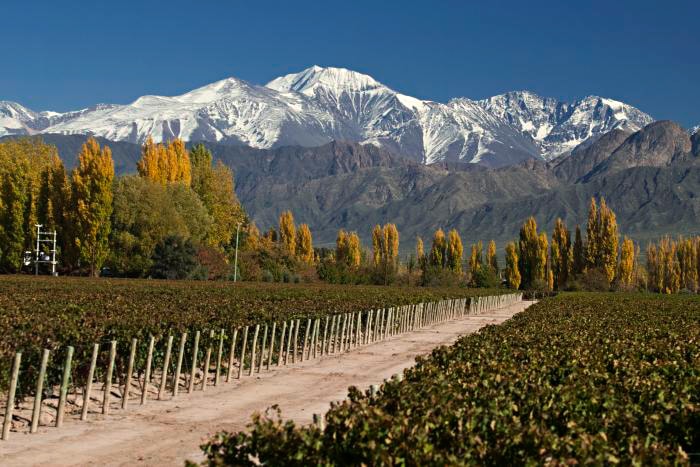
You will be able to witness its varied cultural offer and nightlife. It is a tourist city par excellence and an outstanding university center.
Its physiognomy has a very notable European influence, like the rest of Argentina, which can be seen in the architectural styles, as well as the wide avenues and tree-lined streets.
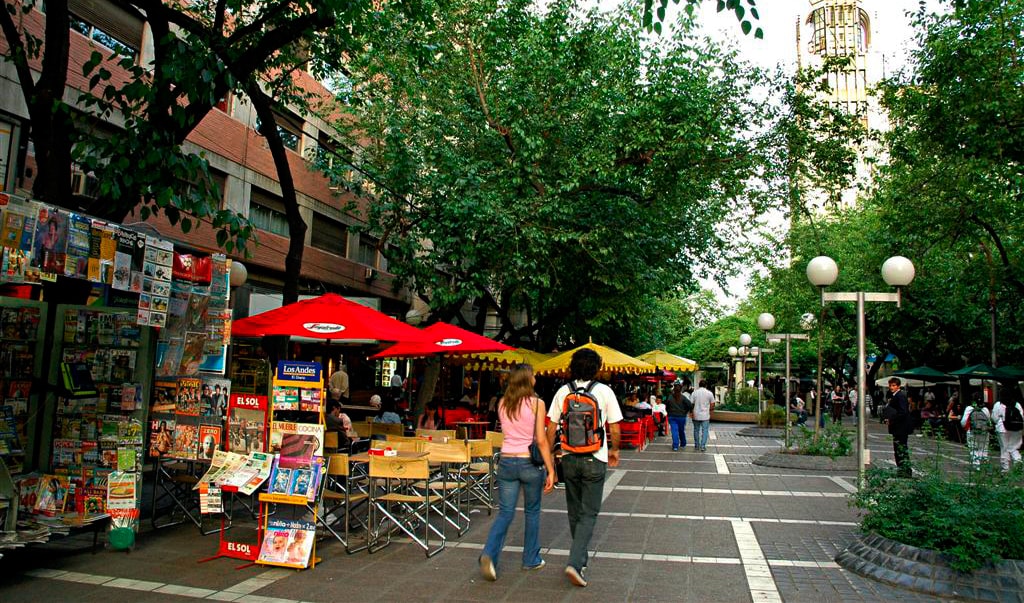
Taking advantage of all these attractions, you can tour the city and attend a dinner show that covers all the folk dances of Argentina. There will be dancing and singing by local artists, a real pleasure for the senses.
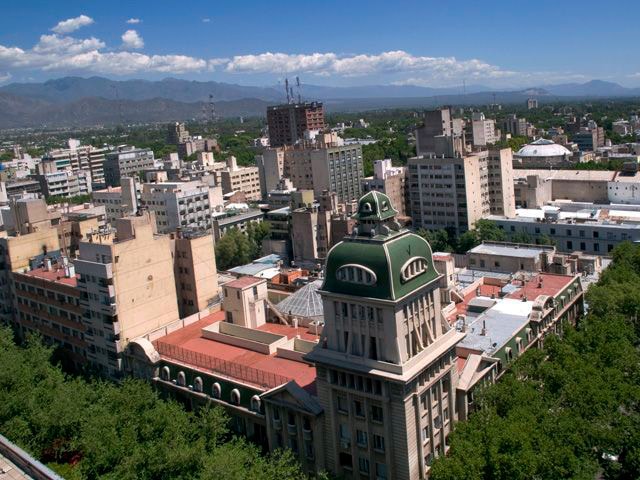
After enjoying the charms of the wine city, you can continue by car to Las Hornillas, a town located in the Province of San Juan, Argentina. The road to get there offers the possibility of discovering beautiful places that we detail below.
Potrerillos
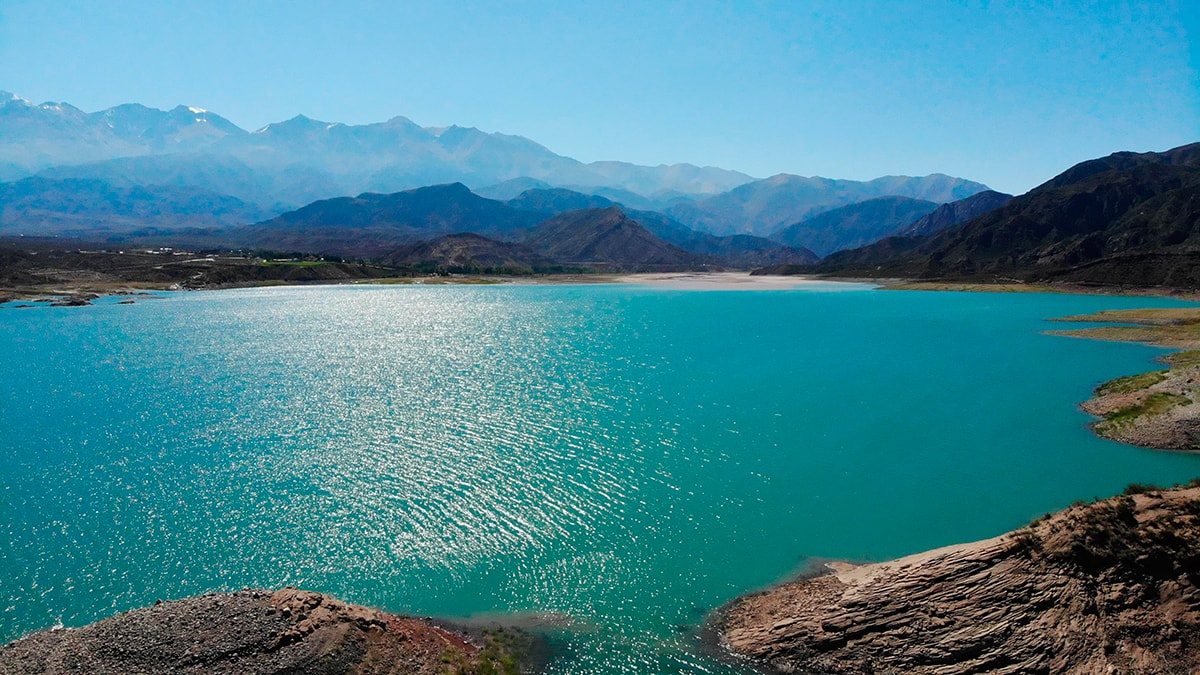
Potrerillos is a town in the Cuyo region, 70 kilometers from the capital of Mendoza. Set in an incredible natural setting, in the Andes, this city is a tourist destination that offers endless attractions.
The Potrerillos Valley is ideal for spending a few days relaxing and unwinding amidst spectacular scenery. But there are also options for adventure tourism enthusiasts at the Potrerillos Dam. The mountains, the sun, the river and the snow in winter offer an ideal environment for all kinds of activities including: kayaking, windsurfing, kitesurfing, sailing trips and it is the place chosen by many Mendoza residents to enjoy its waters in summer. Bird watching is also popular.
Uspallata Valley
Following the route between the mountains, we find the Uspallata Valley, which is located between 1900 and 2500 meters above sea level and 100 kilometers from Mendoza. It is a place with lots of intense green vegetation and panoramic views of the high snow-capped peaks of the Andes.
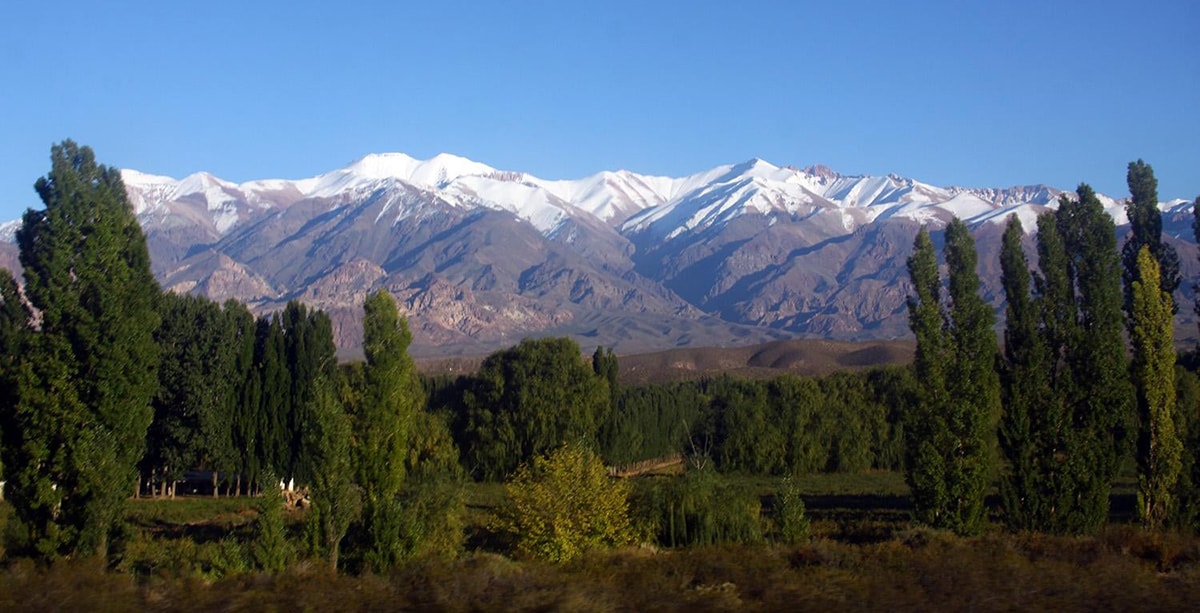
Uspallata is a city located in the department of Las Heras, province of Mendoza, Argentina, crossed by the Mendoza River and the San Alberto and Uspallata streams. In 2018, the districts of Las Cuevas, Penitentes and Uspallata were merged into one called “Uspallata y Alta Montaña”.
It is an important place historically, since the army that San Martín formed in Uspallata played an outstanding role in the campaign to cross the Andes, to liberate Chile and Peru from Spanish rule, with Uspallata being the starting point of the liberation struggle.
Barreal between rivers and mountains
Barreal is a town in the Calingasta department, located in the extreme southwest of the province of San Juan in the geographical region of Cuyo (Argentina).
Located on the right bank of the Río de los Patos, Barreal is dominated by both pre-Andean and Andean landscapes, where natural vegetation is relatively scarce. It is also renowned for its comfortable climate, the friendliness of its people, the purity of its air, its leafy avenues and the beauty of its natural surroundings, which make this town a true Andean paradise, increasingly visited by domestic and foreign tourists. It has been rated by an English-language tourist guide as one of the ten most beautiful places in Argentina.
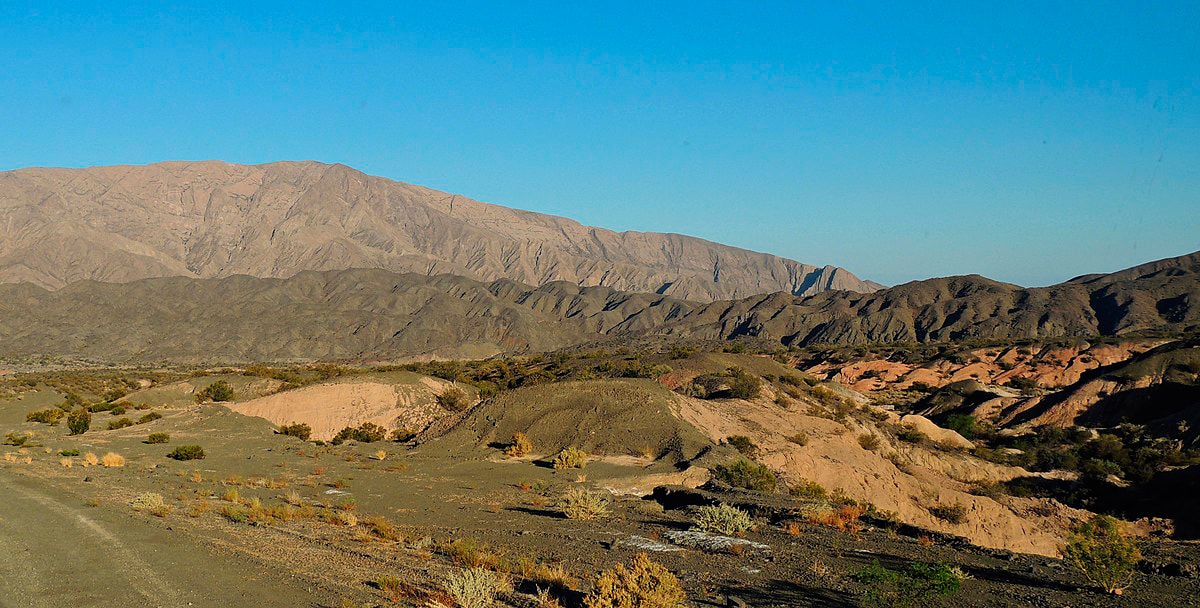
Pampa del Leoncito
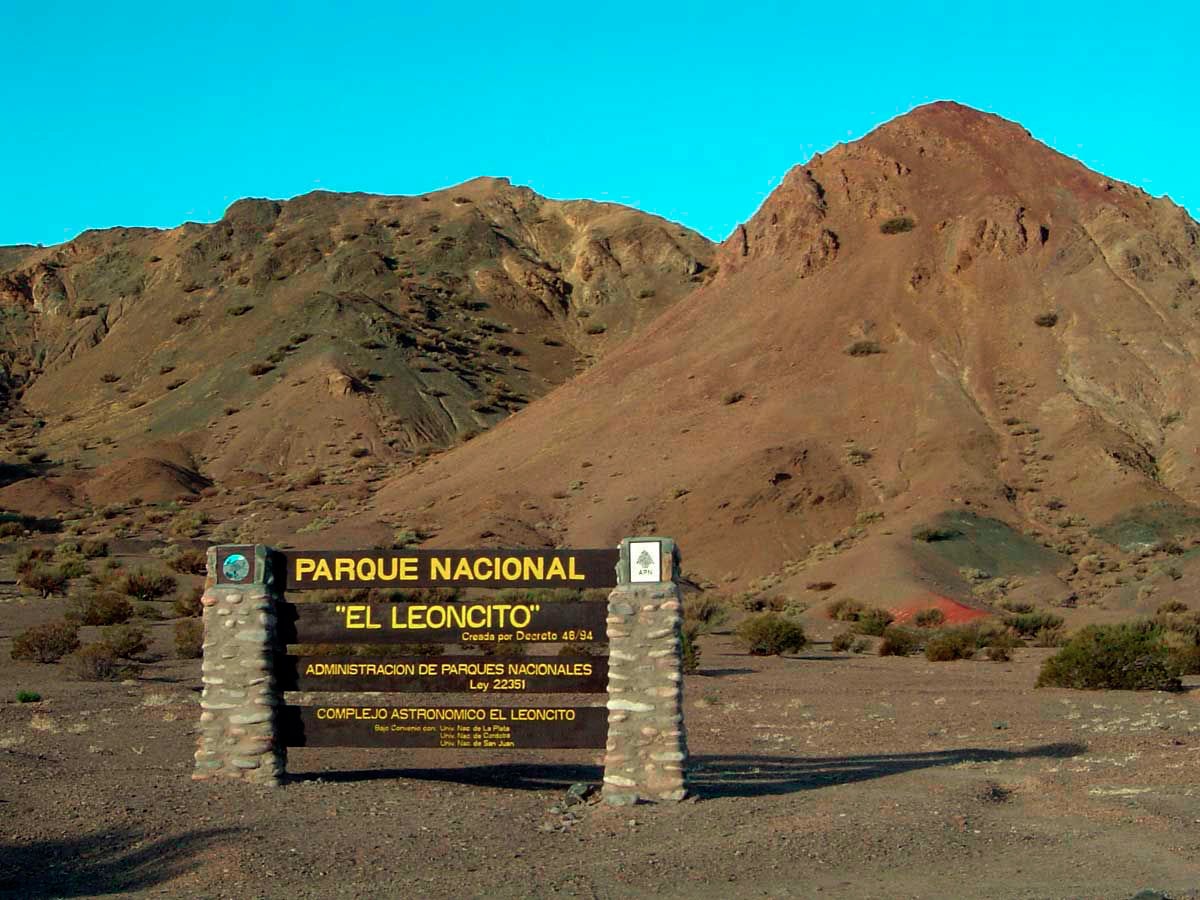
Barreal Blanco or Pampa del Leoncito is a depression located 20 km from the town of Barreal, in the Calingasta department, in the southwest of the province of San Juan, Argentina. The plain is located on the side of the road that connects the town of Barreal with El Leoncito National Park.
Las Hornillas: Meeting with our horses
After passing through these villages, we arrive at Las Hornillas, located at the foot of the Andes Mountains in Álvarez Condarco, San Juan province.
Our muleteers will be waiting for us with the horses and mules, and our team will be carrying all the equipment needed for the expedition.
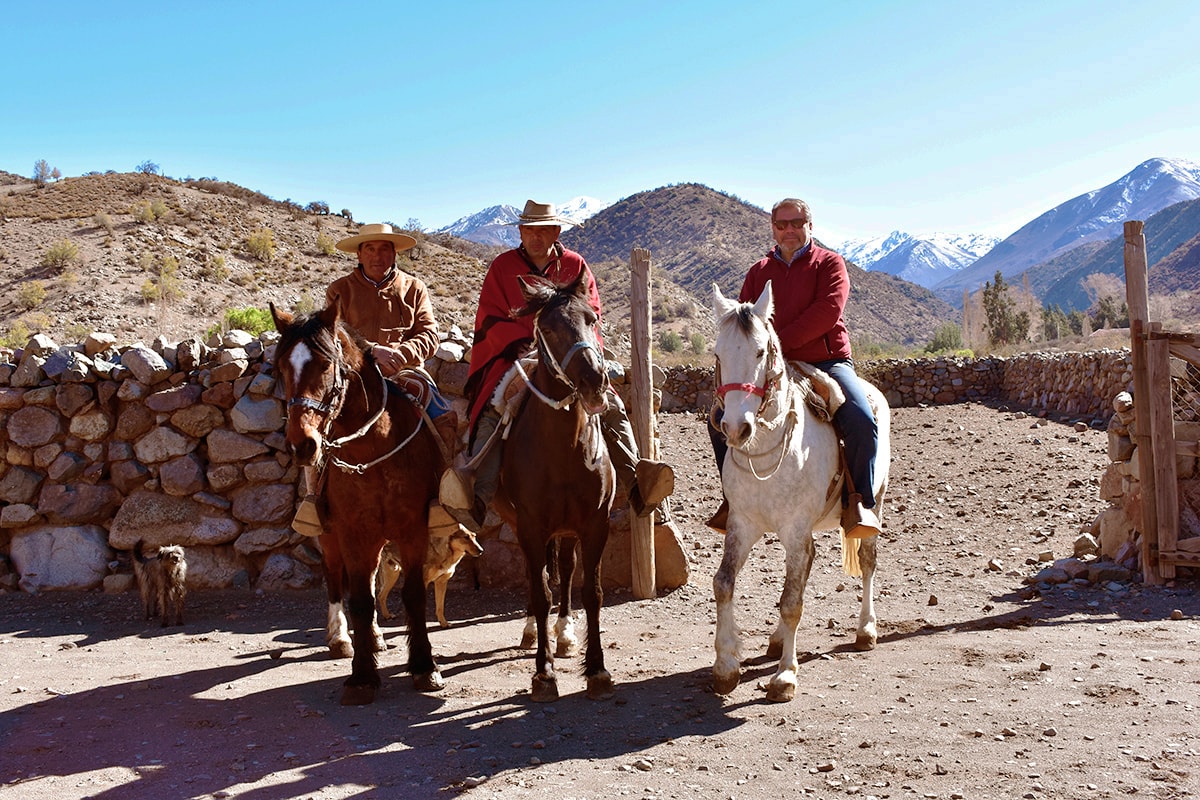
Here, in the camp, we will have time to try out our Peruvian Paso horses, which will be our faithful companions all the way to the border with Chile.
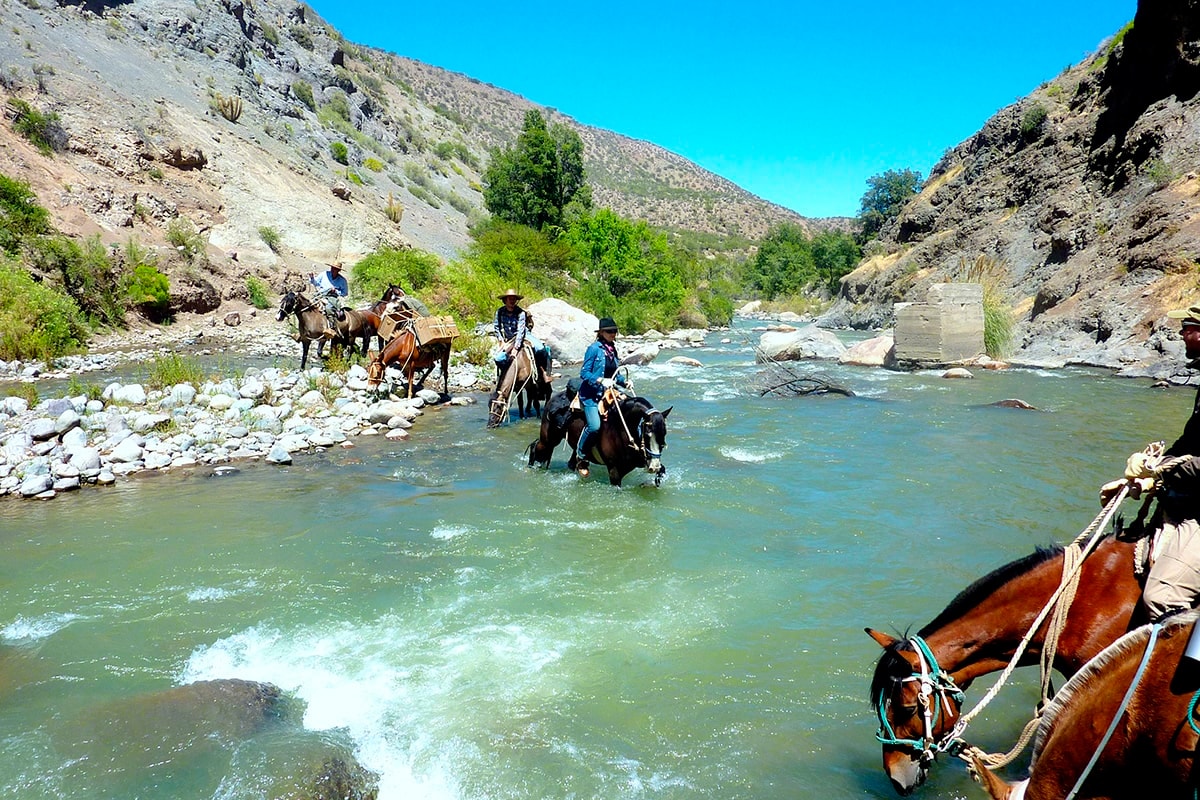
We will cross the Aldeco River to continue ascending through the black pampas until we reach the Manantiales plains at an altitude of 3000 meters.
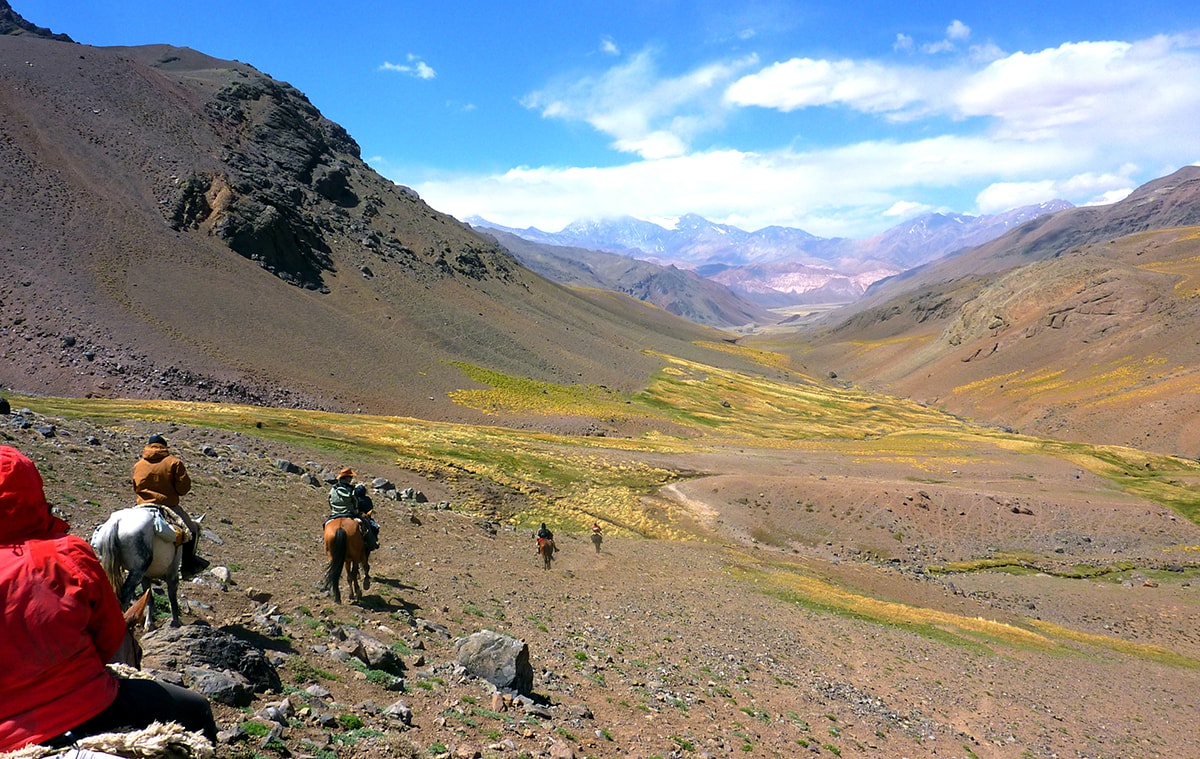
The next day new challenges await us because the road becomes rockier and rockier until we climb to the Espinacito pass, at an altitude of 4476 meters.
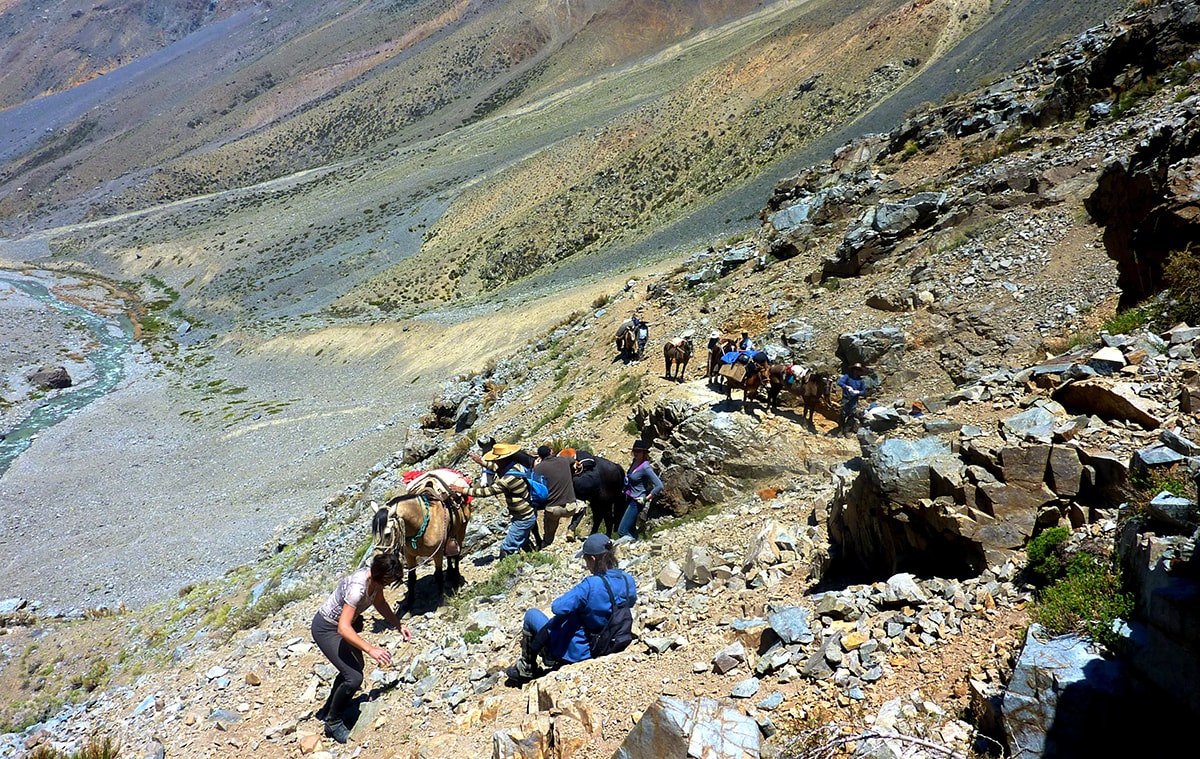
In the Los Patos Valley, we will sleep in a camp and also have the exceptional opportunity to contemplate the Aconcagua, which is the highest peak in America at 6962 meters above sea level.
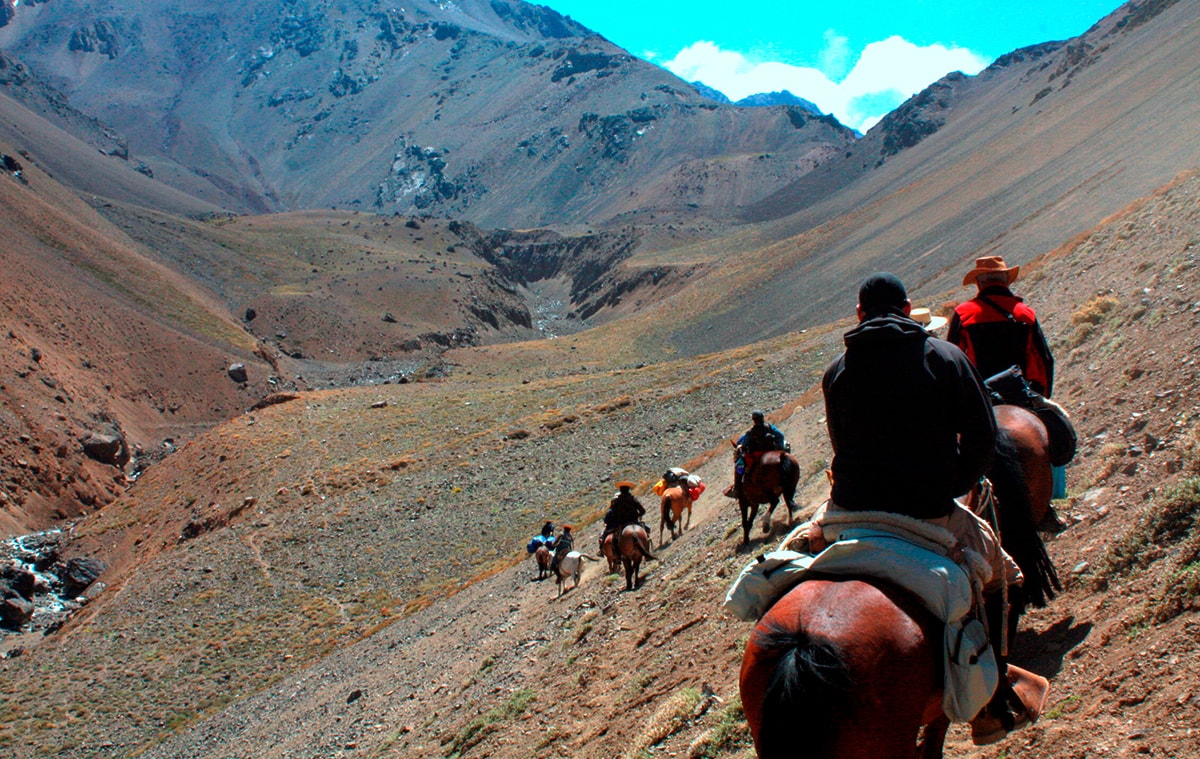
In the following days, we will head towards the Chilean border on horseback, and we will also sleep in camps.
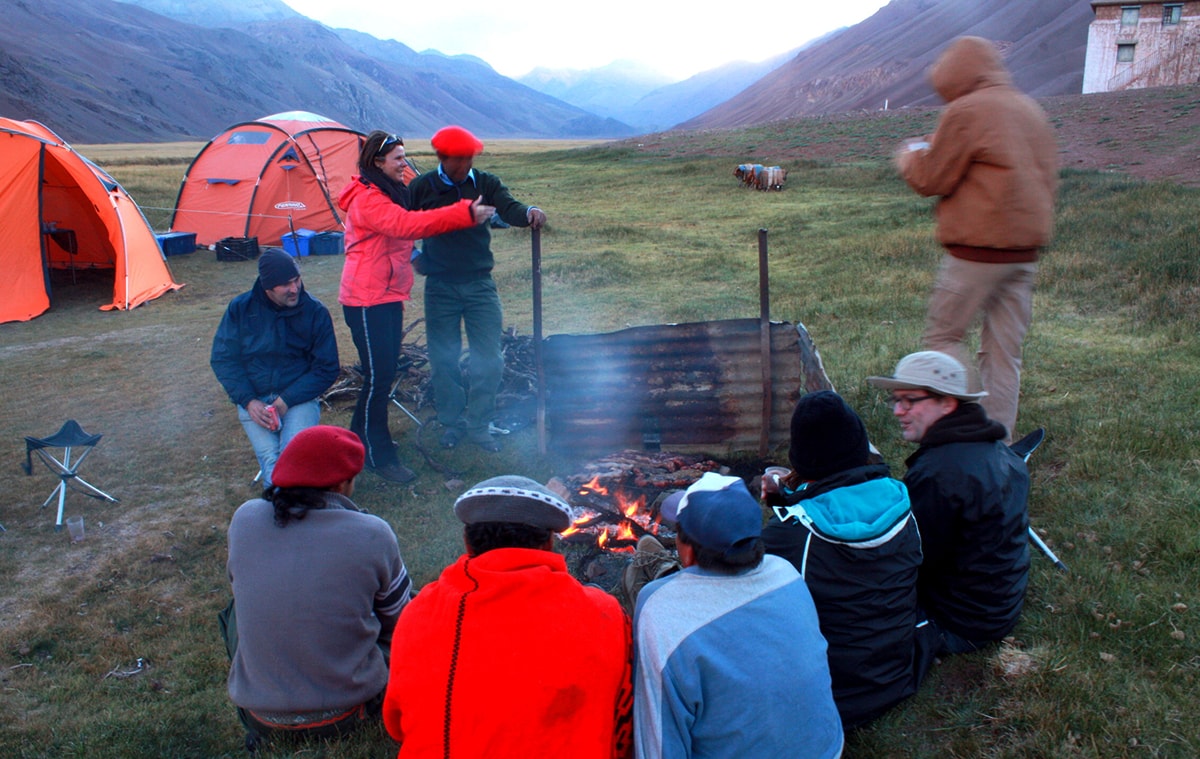
On the route, we will pass through the Vegas de Yeso, through Vegas de Gallardo to reach our camp in the Vega Larga located at 3000 meters above sea level.
On the border of Chile
Once we reach the summit of the Andes, where the border with Chile is, we will have to leave the Peruvian Paso Horses for sanitary reasons.
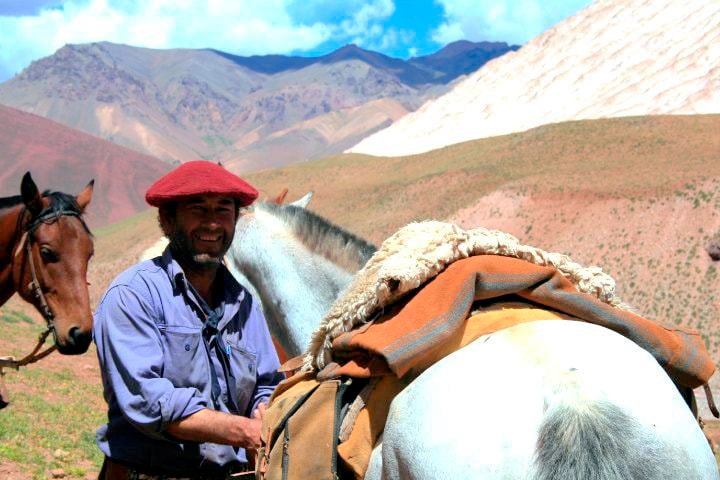
On the Chilean side we will be met by muleteers, Chilean “Huasos” who will guide us over the next 3 days.
Once we have met up with them, we will complete the immigration formalities and then ride down to Lagunitas.
Our final destination on horseback will be the town of “Los Patos”, in Chile.
Arriving in Santiago de Chile
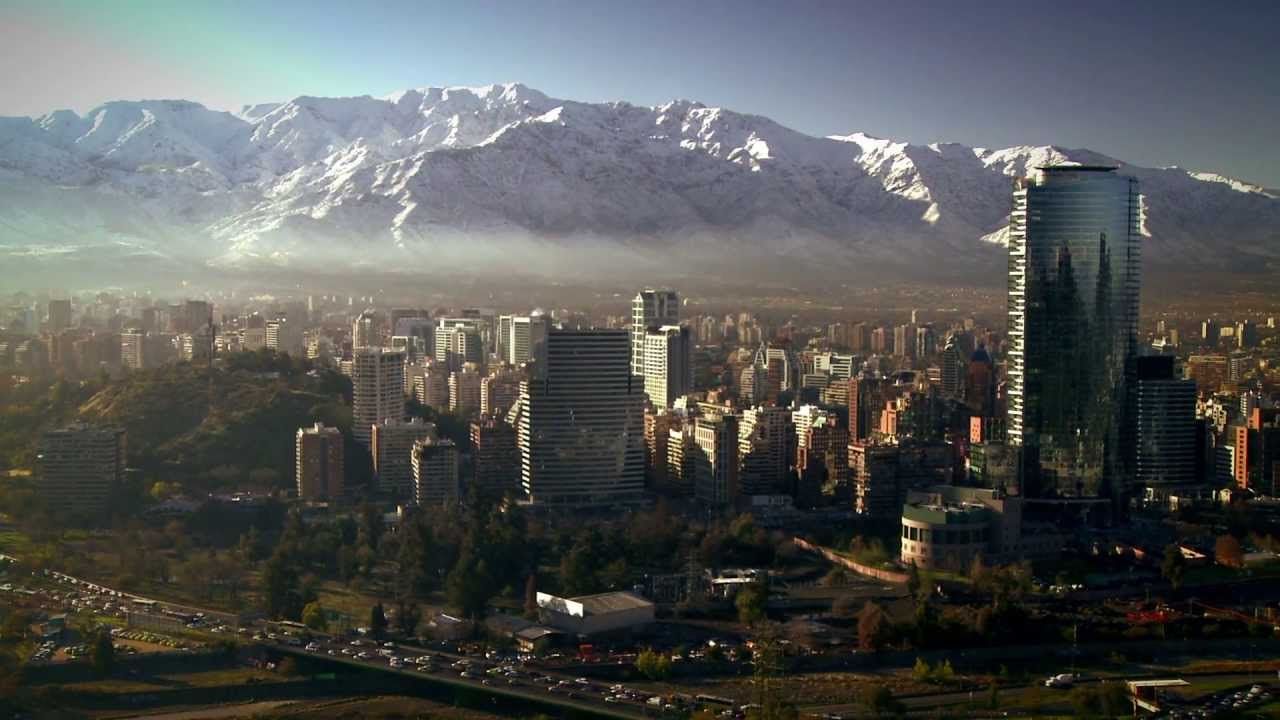
We will then travel by road to Santiago, the capital of Chile, located on the banks of the Mapocho River.
Santiago, with its 8 million inhabitants, is the most populous city in Chile and the seventh most populous city in Latin America.
Chilean activities make use of the country's varied geography. Skiing, trekking, hiking and horseback riding in the Chilean mountain ranges are very popular.
The importance of crossing the Andes
- Crossing the Andes on horseback is a physical challenge for any rider, as you have to climb to great heights and, on top of that, sleep in tents in the open air.
- It is the best option for getting out of the routine and doing something unique, and you will surely come back with more stories than you thought.
- As you follow the route you will be able to relive the places of historical significance for Argentina and Chile, which is why this route will leave you with a learning of history.
- The places you will visit in Argentina and Chile are of tourist importance, so on this equestrian route you will get to know many famous destinations in Latin America.
- Any mountain will seem small compared to the Andes.
- The clean, fresh air, the diversity of vegetation from the beginning of the journey to the end, the courtesy of the locals and the good food make this trip special.
These and many more reasons make the Crossing of the Andes on horseback a “must-do equestrian route” on this planet for lovers of high mountain riding.
Comments (0)
No comments yet.
You might also like
Estancia Buena Vista: Equestrian Tourism in the Northeast of Argentina
Discover the Jesuit legacy in the province of Córdoba on horseback
Travel on horseback in the Quebrada de Humahuaca
Interview with Andesluna: Horse riding in Patagonia
Horse riding in the Calchaquí Valley


Comments
Leave your comment