
Equestrian Sports: Interview with Melanie Smith Taylor
Melanie, the Equestrian World Champion
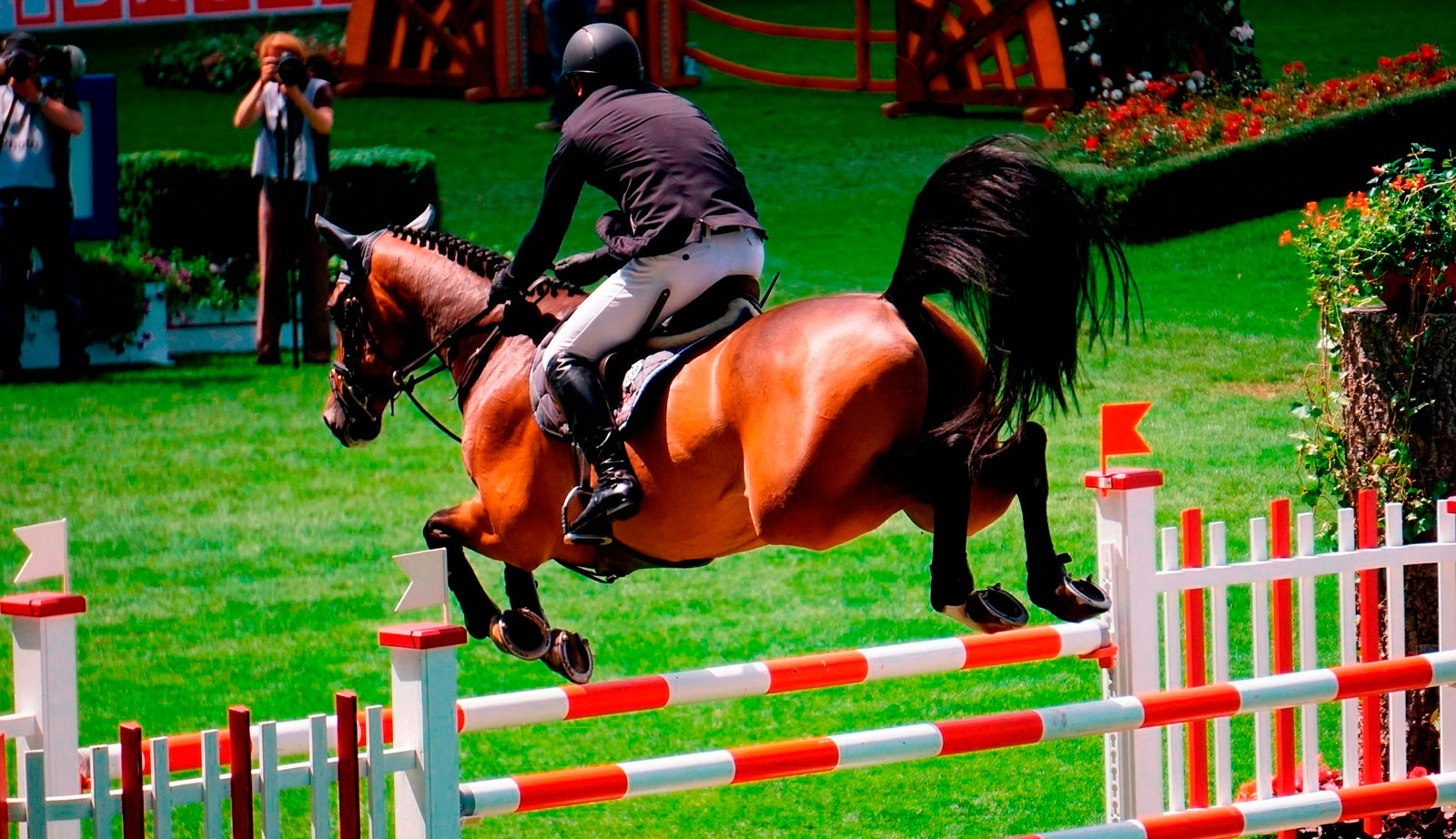
Melanie Smith Taylor's most important achievements were: being one of only two riders to win the Triple Crown of Show Jumping: the American Invitational, the International Jumping Derby and the American Gold Cup, and the only person to win all three with the same horse.
From 1982, when she won the World Cup Final, she was named Sportswoman of the Year by the United States Olympic Committee and her name was included in the Tennessee Sports Hall of Fame. At the Los Angeles Olympic Games (1984), she completed her career as a showjumping athlete with a gold medal for the team.
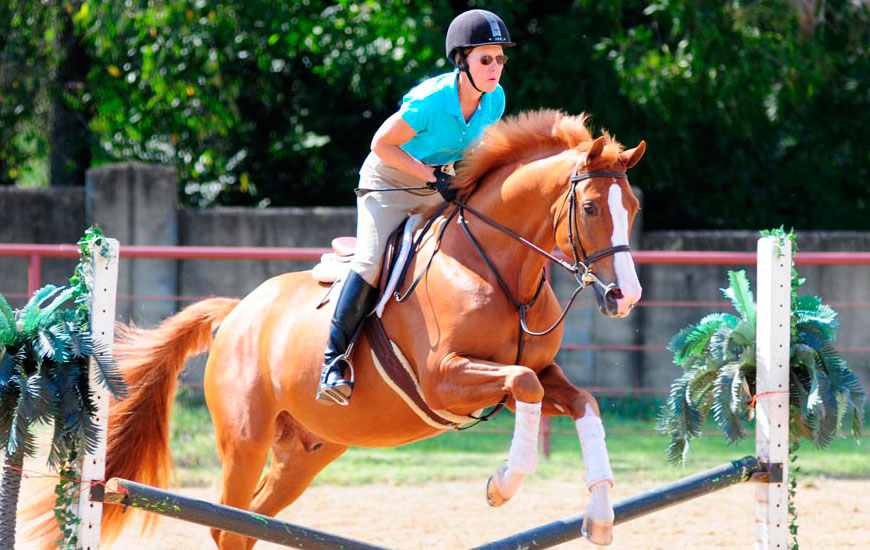
Currently, Melanie collaborates with the world of horse riding as a clinical doctor, television presenter at major events, including the Olympics and World Championships, and as a recognized judge in show jumping and hunter events.
The interview that the Ampascachi Horse Riding Content Team conducted with her is divided into three sections:
- The first section is associated with questions related to her life linked to horses and to the practice of sports.
- The second focuses on the current level of professionalism in equestrian sports.
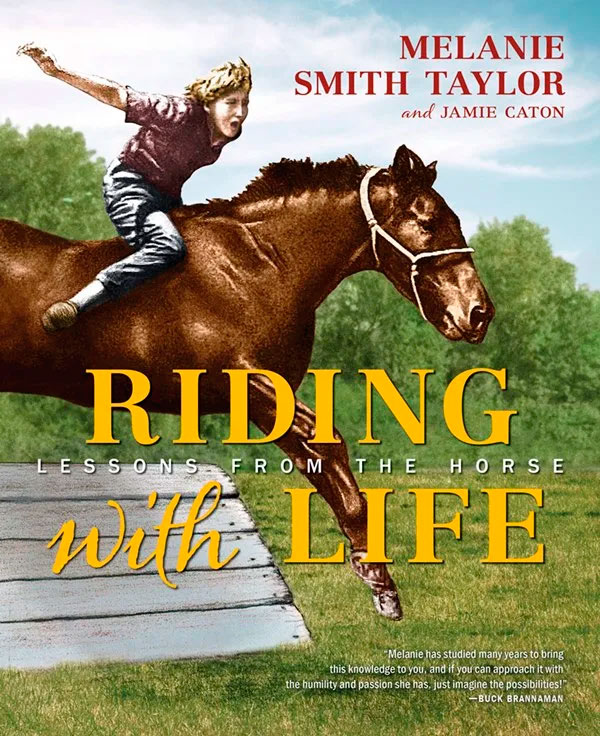
- And in the third part we ask Melaine about her book “Riding with life - Lessons from the horse”.
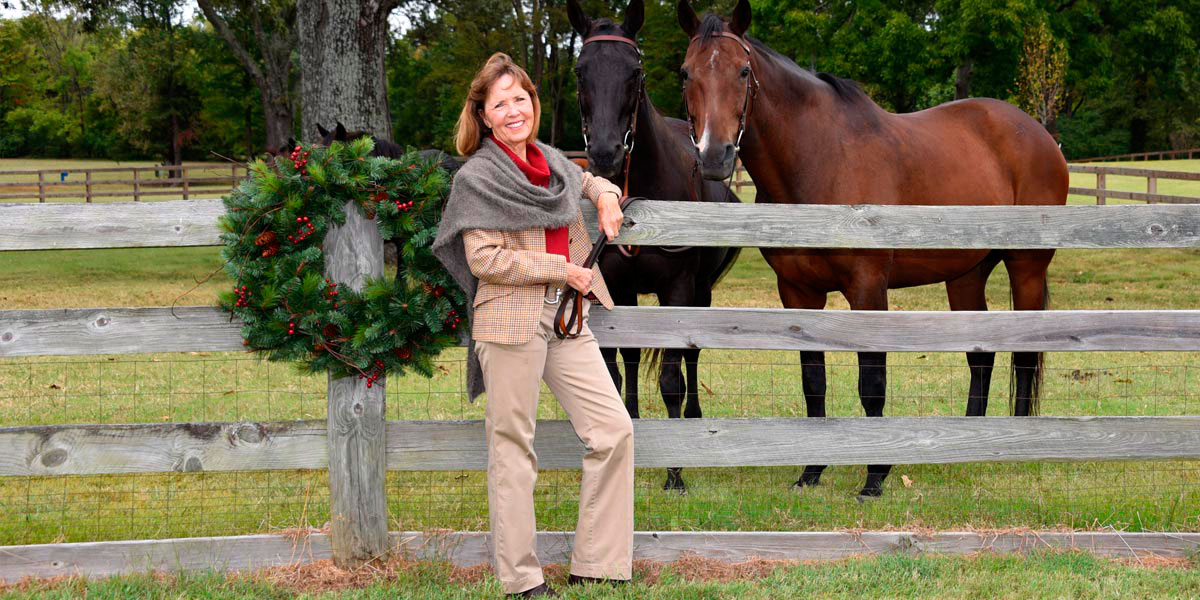
Interview with Melanie Smith Taylor
FIRST SECTION
Melanie, please tell us how you first got involved with horses?
I started riding practically before I was born. I've been on a horse for as long as I can remember.
When and how did you decide to dedicate yourself to the practice of equestrian sports?
My mother taught riding with our horses and I was the first in all her classes. My hobby continued to grow until today and I never stopped.
You won the gold medal at the 1982 Olympic Games. Can you tell us about the competition, your memories of it, the emotions of that day, what that award meant in your sporting career?
The Olympic Games meant the realization of what for me was a lifelong dream. It is the greatest aspiration of any elite athlete. I will never forget standing on the podium and listening to the national anthem. I felt so proud, fortunate and grateful to all the people who had helped me throughout my life to reach that point in my career. Even today, I get goosebumps when I remember it.
Do you like to ride in the countryside or go on horseback tours?
I love training horses in the arena and also riding in the countryside. What I don't like is going over the same place two days in a row.
Does your family share your love of horses?
My mother was the family enthusiast and I followed in her footsteps.
Do you break in and train competition horses or do you work on horses broken in by other people?
I always trained my own horses for competitions.
Are you still involved in equestrian activities and rider training? Could you tell us a little about it?
Yes, I am a hunter and show jumping judge for the National Federation. I give clinics all over the country and also internationally. I have been the equestrian commentator for NBC for the last 31 years, since I retired from competition.
Many people would like to get involved with horses, but they are afraid to ride. What would you say to encourage them to get on a horse?
Make sure you start with a gentle horse at a riding school, with a good instructor, and then there won't be any problems.
As a woman, was it difficult for you to enter the world of equestrian sport?
It was difficult to break through the male barriers at the beginning when we were putting together the United States Equestrian Team, but in the end, perseverance and competition results became too obvious to ignore.
As breeders of the Peruvian Paso Horse from Argentina, we have to ask you if you are familiar with this breed and if you have ever ridden a Peruvian Paso. Would you like to do so in Argentina?
I am familiar with Paso Finos as they compete in our local horse show. I think it must be a lot of fun to ride one of them as they have a very smooth gait. I am sure that getting to know Argentina and riding a paso horse would be the best.
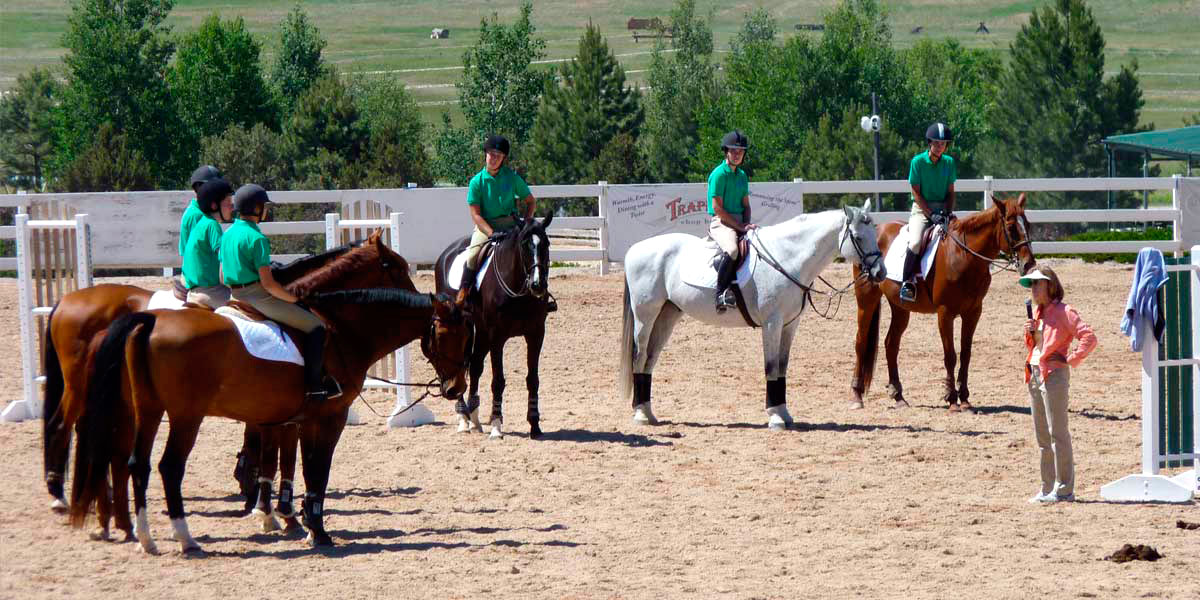
CURRENT STATE OF PROFESSIONALISM IN EQUESTRIAN SPORTS
Melanie, could you tell us about the current situation regarding the level of equestrian sport, in the sense of whether training techniques and ways of teaching horses to improve their performance have been perfected compared to when you competed and whether there has been an increase in the number of equestrian athletes and which of the disciplines has shown the greatest growth in fans?
I think the popularity of equestrian sports continues to grow in all disciplines but especially in the world of hunter trials and show jumping. As the number of talented riders grows, it becomes more difficult to find enough horses that are up to the task.
How has the training of professional riders improved in terms of their theoretical and practical training in horsemanship compared to the past?
I think that today's riders pay much more attention to their physical condition than in past decades. Today we can see that most riders go to the gym on a regular basis.
Is scientific knowledge about equine behavior and the theoretical approach to training it sufficiently widespread in the equestrian world?
There are groups of clinicians who specifically address equine behavior and others who only include it in the usual evaluation of their horses.
Why are there so many different approaches to horse training in the world of equestrianism?
There are many different methods for breaking in a horse, but I believe in a calm approach, where we recognize and value the fact that a horse is guided by its survival instincts. We have to learn to think like a horse in order to understand it and talk to it in its own language.
What would you say to a young horse lover who wants to become a professional rider in any of the equestrian sports disciplines? What should they do? Where should they start?
Find yourself a good teacher and invest time in learning the trade with a great professional of integrity.
Which riders in the past have influenced your training and sporting career?
Mainly my mother. She was a great rider.
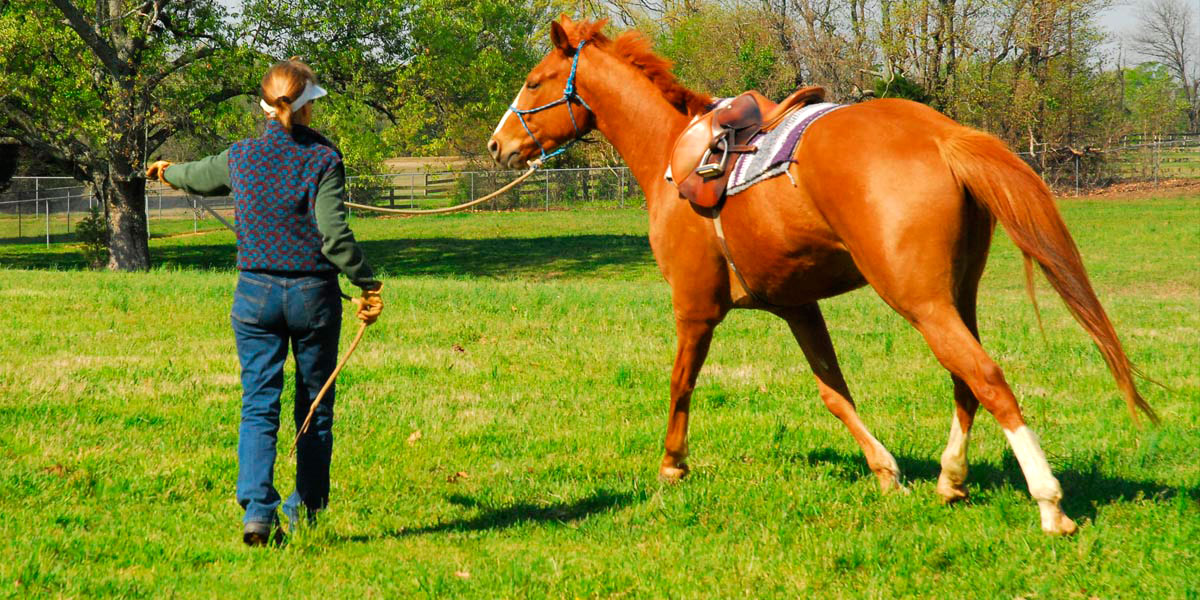
MELANIE AS AN AUTHOR
You have written an important book entitled “Riding with Life”. Who is it aimed at?
“Riding with Life: Lessons from the Horse” is aimed at all riders, both those who go out on trails at the weekends and those who compete seriously.
Could you give us 5 or more fundamental concepts that you want to convey to the readers of your book, so that they keep them in mind when interacting with a horse?
- The horse will teach us if we know how to listen.
- Find out what is important to the horse and make it important to you.
- It is important to develop mutual trust and respect with the horse.
- Horses learn what they live and live the way they learn it.
- Follow your heart and dreams will come true.
Finally, Melanie, do you think that scientific research has made significant progress in the study of the behavior of horses and the way in which they learn to respond to the rider's aids?
No, I believe that horses have lived and developed throughout history according to their instincts, senses and emotions. They are elusive animals that are used to living in groups. Both those born in captivity and those born in the wild are equally prepared to escape from what they perceive as danger at any moment. Therefore, a horse's balance is its main instinct to always feel safe and calm. We must be aware of their need to be always balanced and we must transmit that tranquility they need.
Thank you very much, Melanie! We appreciate your attention and collaboration in conducting the interview, answering the questions of our blog team.
At the same time, we hope that our readers have enjoyed reading it and that your answers are useful.
Comments (0)
No comments yet.


Comments
Leave your comment