The German Equestrian Federation for Equestrian Sport and Horse Breeding
Europe is a continent with a great equestrian tradition. For this reason there are numerous equestrian federations with the aim of bringing riders together, developing equestrian activities and improving horse welfare.
Some of these federations place more emphasis on equestrian tourism, others on animal welfare and others on equestrian sport.
As well as promoting equestrian sports, it offers training for riders and trainers, promotes riding clubs and equestrian tourism and coordinates with horse breeders.
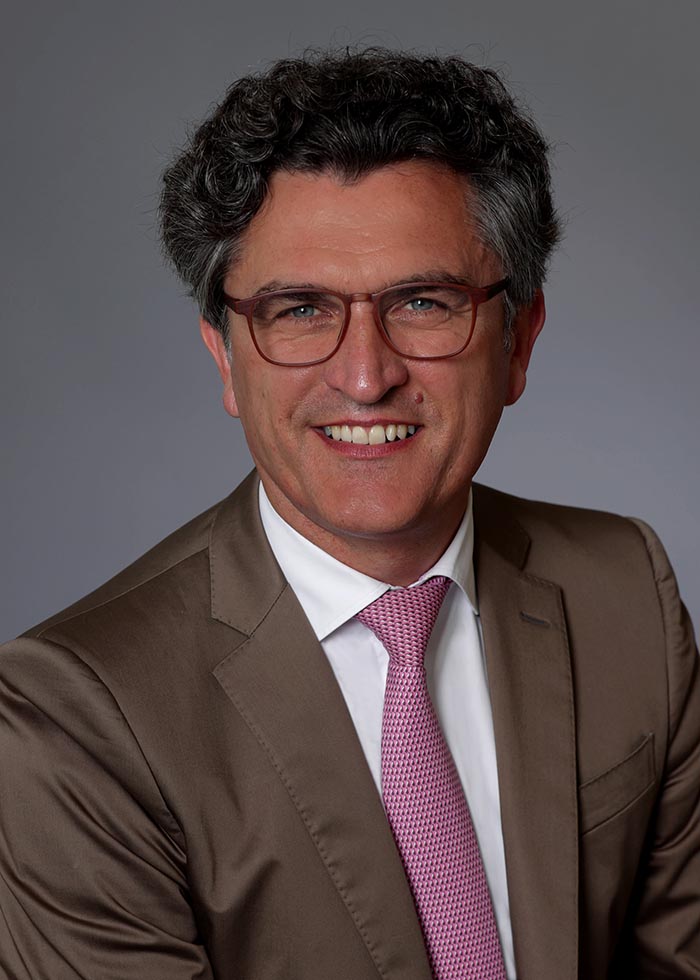
To learn more about all the activities it carries out and its functions, we interviewed Soenke Lauterbach, current secretary general of the German Equestrian Federation office.
Basics of the German Equestrian Federation (FN)
Mr. Lauterbach, could you please briefly introduce the German Equestrian Federation?
The German Equestrian Federation, or FN, whose international name is Fédération Équestre Nationale, is the umbrella organization for all breeders, riders, carriage drivers and vaulters in Germany.
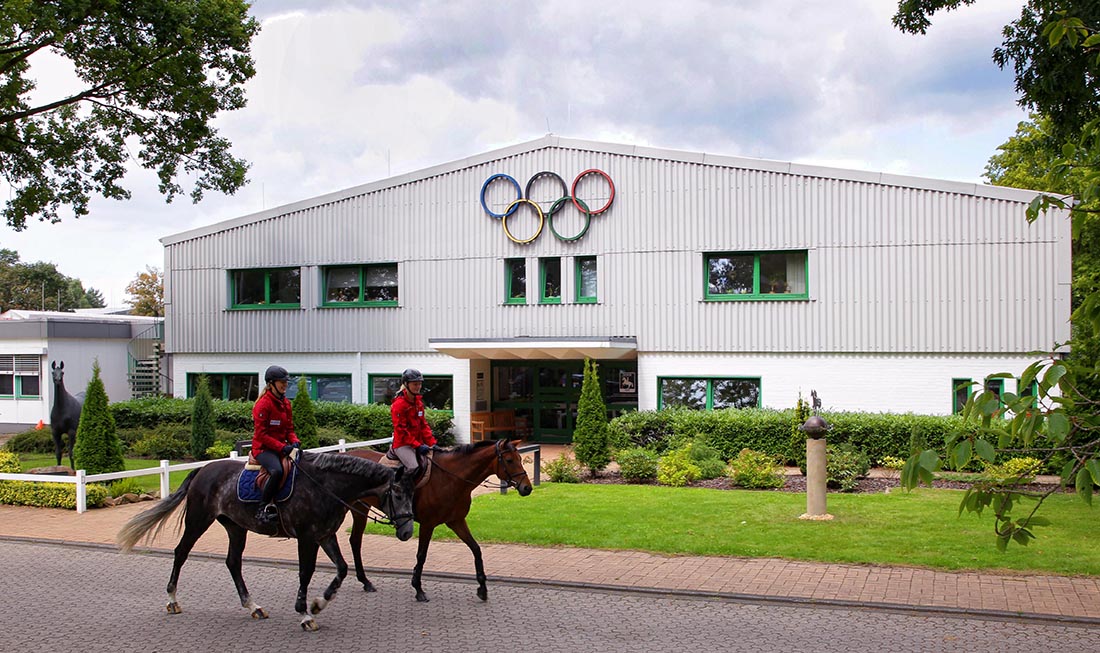
Its headquarters are in Warendorf, close to the federal riding base.
It consists of 17 regional associations, 25 breeding associations, almost 60,000 personal members and 9 affiliated organizations.
The FN is therefore the representative of the interests of around 3,500 horse establishments and 7,300 riding clubs, with 665,000 members and around 80,000 breeders.
What are the objectives to which the German Equestrian Federation FN is committed?
The tasks and activities of the FN, as the eighth largest German sports association, are as diverse as the number of its member organizations and affiliates.
According to its statutes, the FN is responsible for:
- The promotion of the sport.
- Animal breeding and welfare.
- The conservation of nature, the landscape and the protection of the environment.
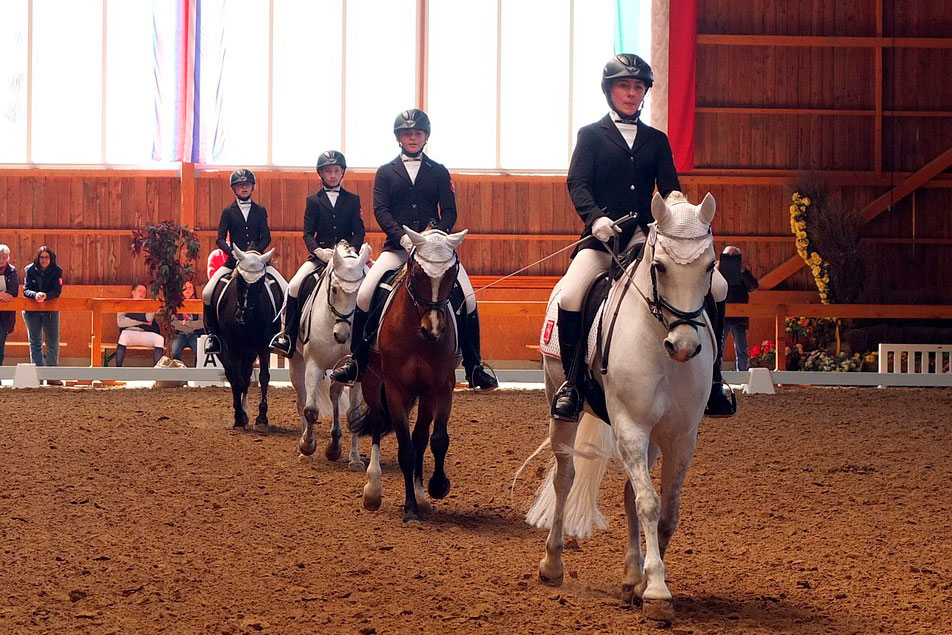
And, of course, the promotion of popular and elite sports, as well as tournament sports, is also one of the tasks of the FN.
The FN Community
Which associations are part of the FN? In addition to the aforementioned state sports and breeding associations, the German Olympic Committee for Equestrian Sports (DOKR) is also a member of the FN.
The DOKR is responsible for national and international elite sport, the nomination of teams and their participation in championships.
The German Riders and Drivers Association (DRFV) and the German Judges Association (DRV) are also member organizations of the FN, as well as a whole series of affiliated associations.
These include, for example, the Association of Icelandic Riders, Breeders and Horses (IPZV) and the International Paso Fino Association (IGV).
Who are the personal members of the FN and what are the benefits they can enjoy?
The Personal Members of the FN are a community of around 60,000 horse lovers who are committed to horses and to harmony between horses and humans.
They are direct members of the FN and, as such, closer to the association. With their annual membership fee, they not only secure many personal benefits, such as discounts at equestrian events, but also support great initiatives that benefit horses and people through so-called funding projects.
Equestrian sports activities
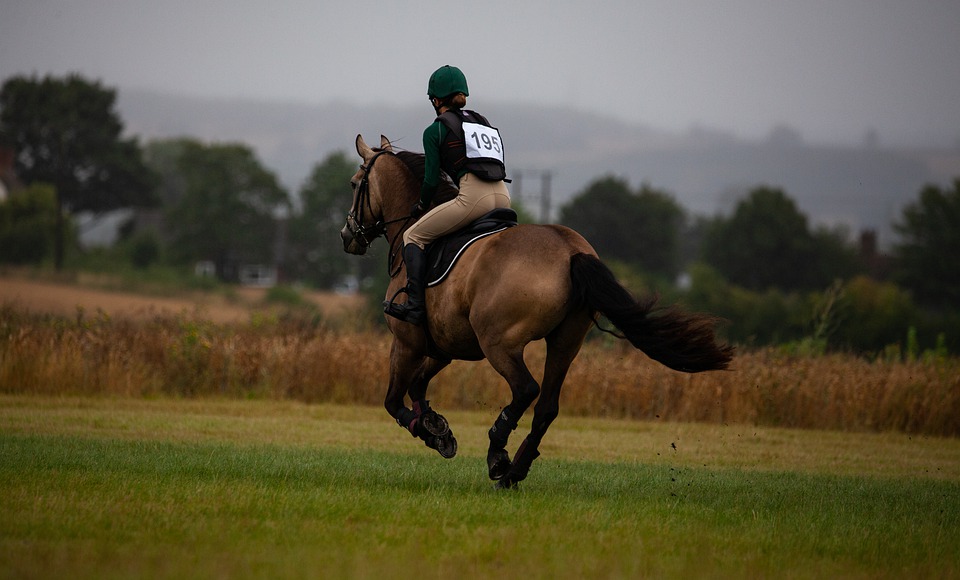
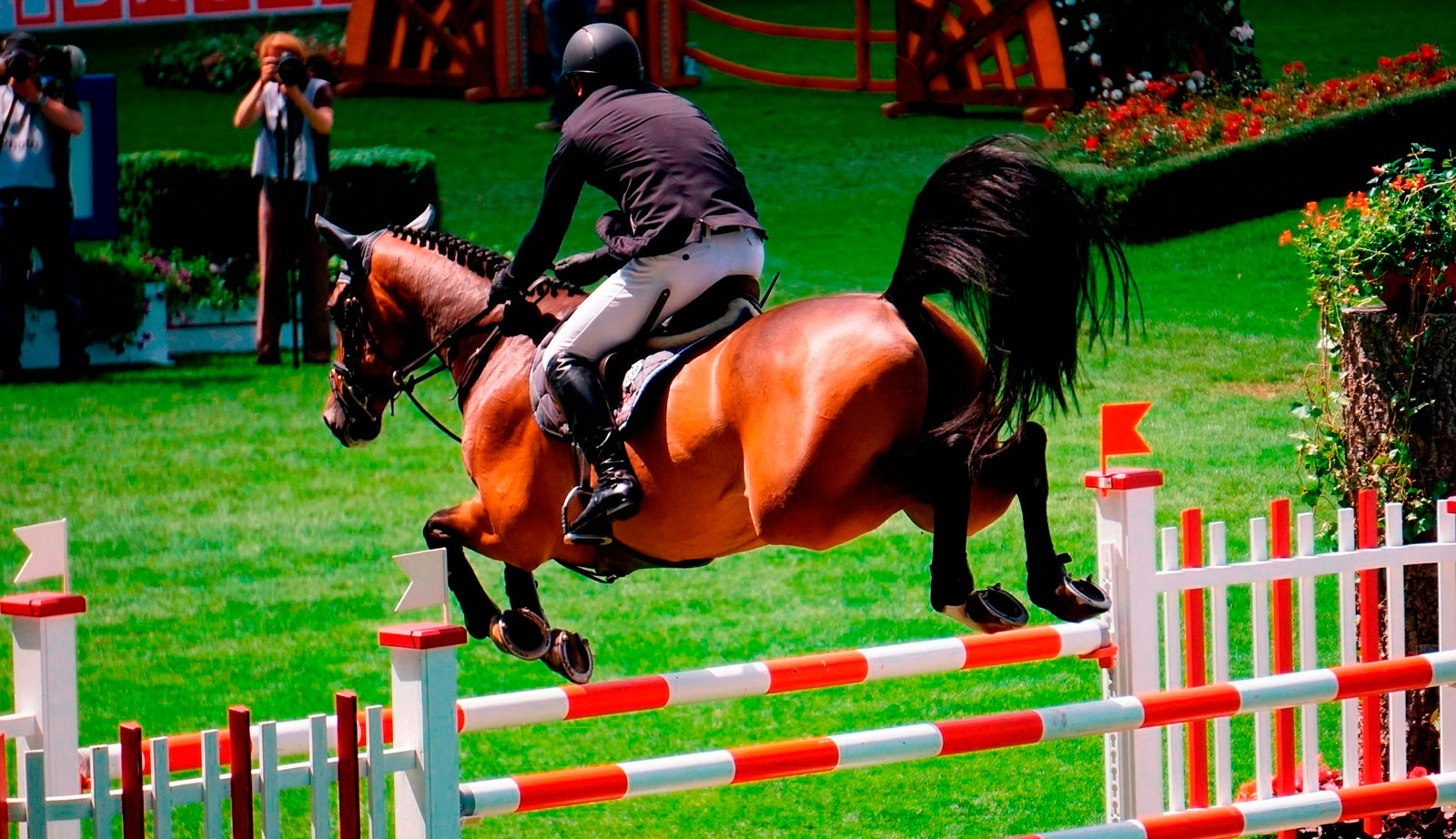
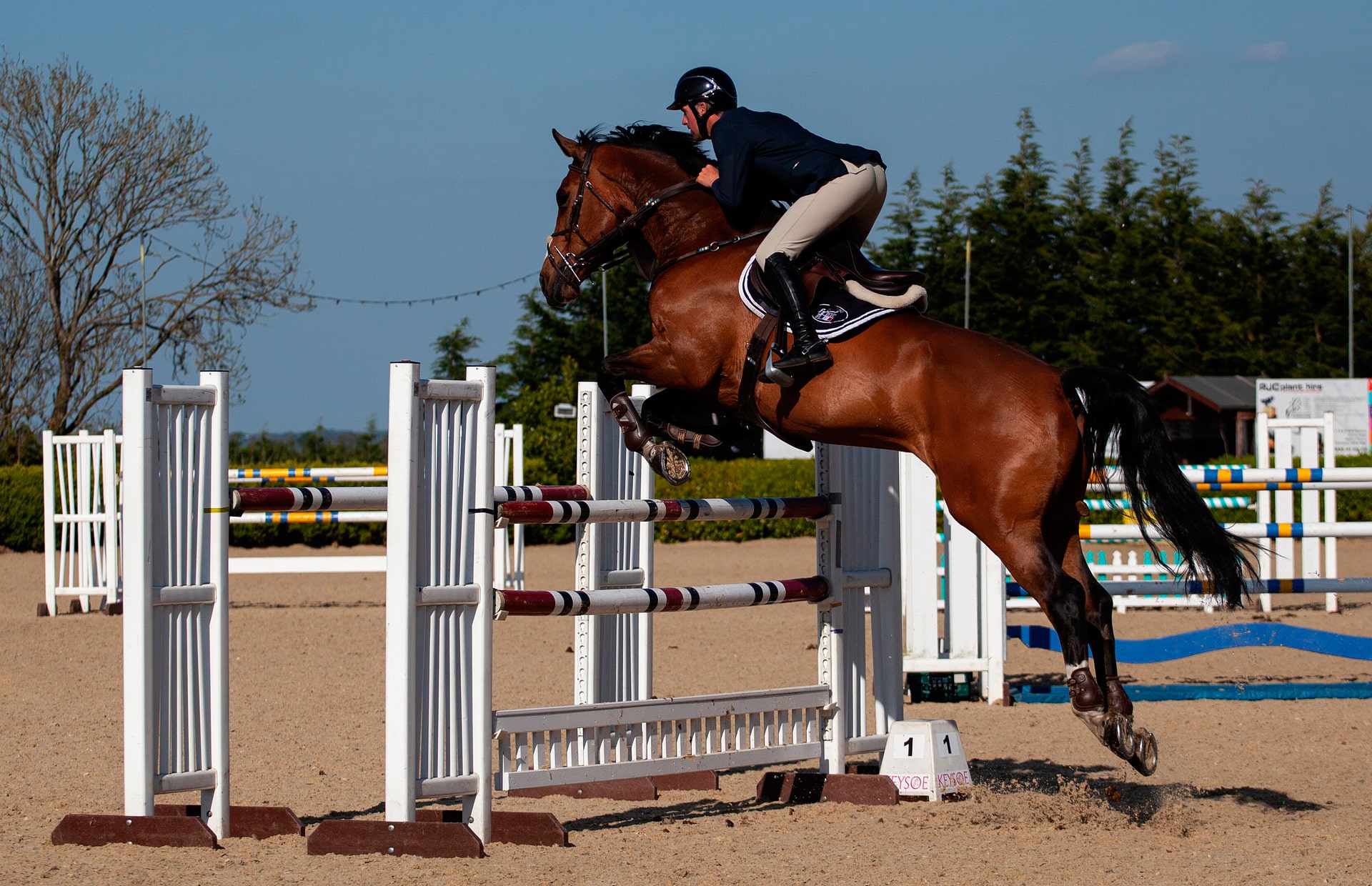
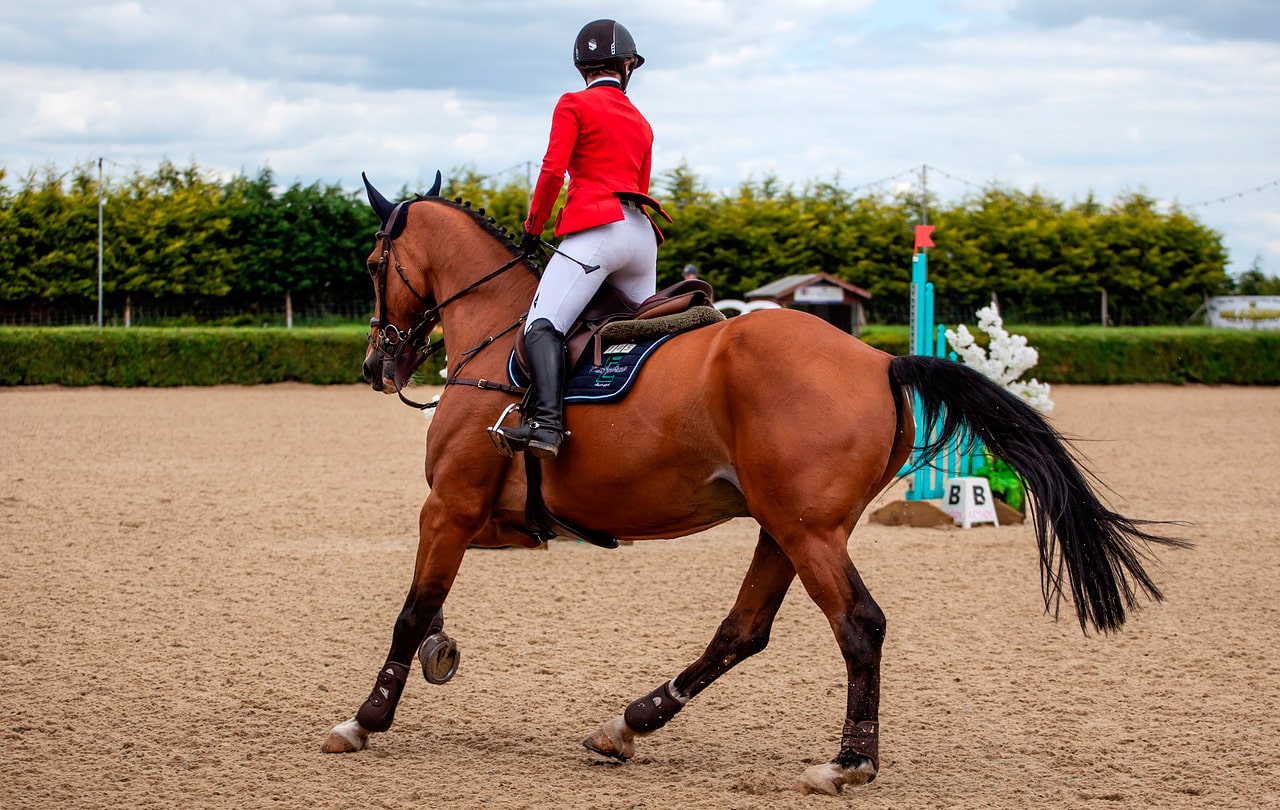
Which equestrian disciplines does the FN oversee? The FN and DOKR are members of the World Equestrian Federation (FEI) and therefore also oversee the FEI equestrian disciplines: dressage, show jumping and eventing, carriage driving, vaulting, para-equestrian and long distance riding.
Explain to us, what are the main functions and responsibilities of the NF in the organization of competitions in equestrian sports.
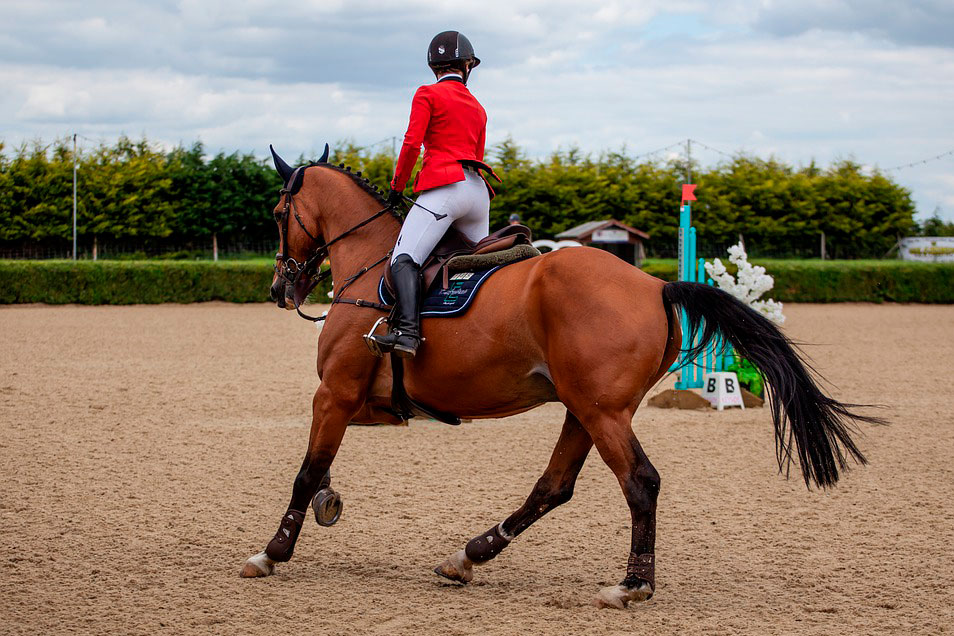
The NF or its national equestrian sports associations draw up the rules for tournament sport (performance test regulations) and ensure compliance with them, for example, through the education and training of tournament experts, as well as the approval of tournament bids.
It also registers all riders and horses participating in the tournament sport, as well as the results obtained. The latter form the basis for the division into a system of performance classes and, therefore, also for more balanced matches and equal opportunities in the sport.
What seminars and training courses are held at the FN?
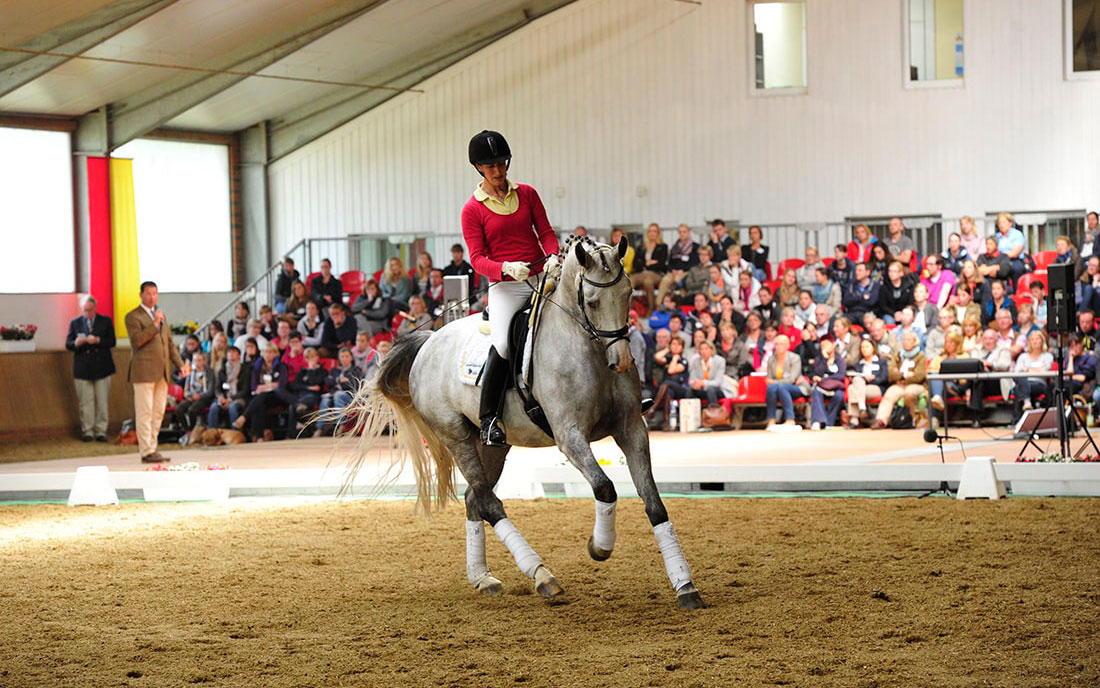
FN and DOKR offer numerous courses for members of all disciplines and different age groups.
The FN and its state equestrian sports associations train and certify coaches and trainers in accordance with their training examination regulations, which are then used in equestrian clubs and establishments.
The Personal Members offer around 180 face-to-face and online seminars on all horse-related topics every year.
Well-known speakers in the fields of sports and breeding pass on their knowledge and skills to Personal Members and to anyone interested in equestrian sports.
The seminars are not limited to classic practical events such as dressage or showjumping training, but cover numerous areas of interest. Feeding, special riding methods and veterinary medicine are just a few of them.
In addition to the classic seminars, online seminars offer the opportunity to take the training, regardless of location.
Horse breeding
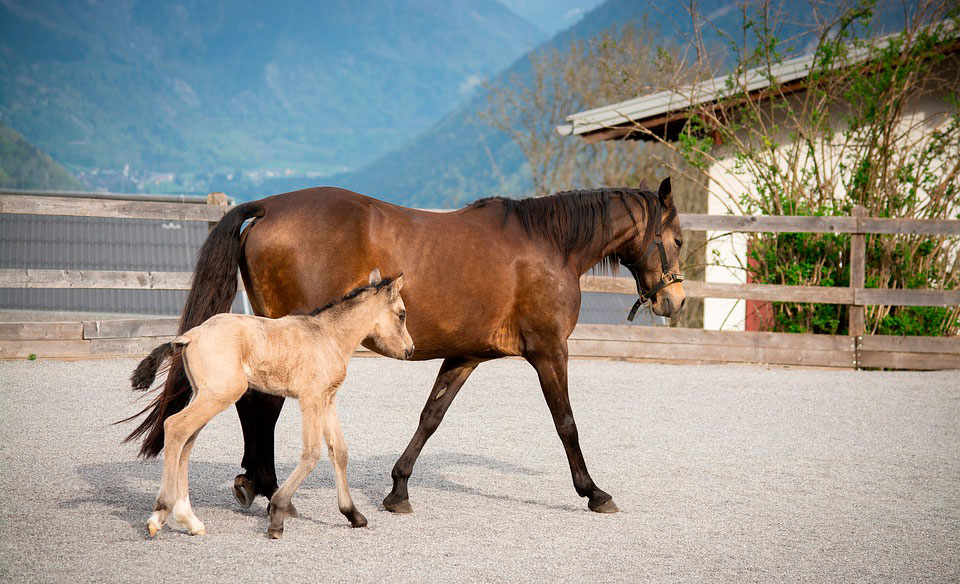
How does the FN contribute to horse breeding and its breeders? Without breeders there are no horses. The basis for equestrian sport and for dealing with horses in general is horse breeding.
The German Equestrian Federation (FN) combines sport and breeding under one roof, which is unique in the world, promoting close cooperation between these areas.
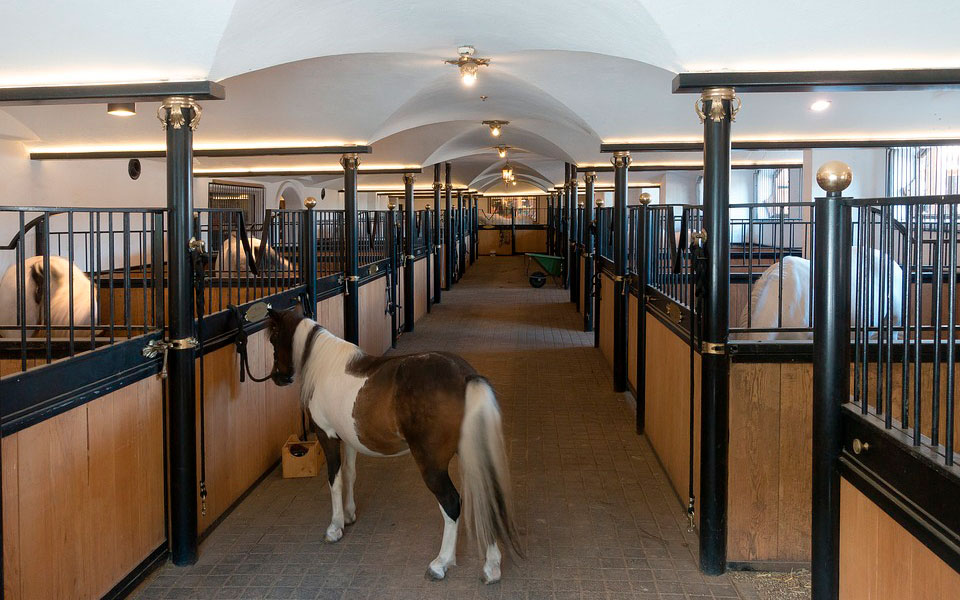
25 state-approved associations of breeders of horses, ponies and small horses are affiliated to the FN's breeding area, which registers breeding horses and of which the breeders are members.
The largely regional activities of the breeders' associations require coordination between the different organizations.
This task is undertaken by the breeding department, which also represents the interests of the breeders' associations vis-à-vis the Federal Ministry and other national and international organizations.
Due to the great diversity of horse breeds in Germany, the FN is also in demand as a coordinating partner. The result of the joint development of the respective breeding programs is the breeding association regulations (ZVO) of the FN.
Do horse breeders have access to training based on the latest research in equestrian science and learning theory, such as the International Society for Equitation Science (ISES)?
Most horse breeding associations have their own internet platforms and offer seminars for the training and further education of their members.
The latest scientific findings will also be passed on. Whether and to what extent specific studies will be taken from ISES, we cannot say in detail.
In addition, there are offers from the Personal Members in education and training, which horse breeders can use. The FN offers horse breeders training as FN breeding judges.
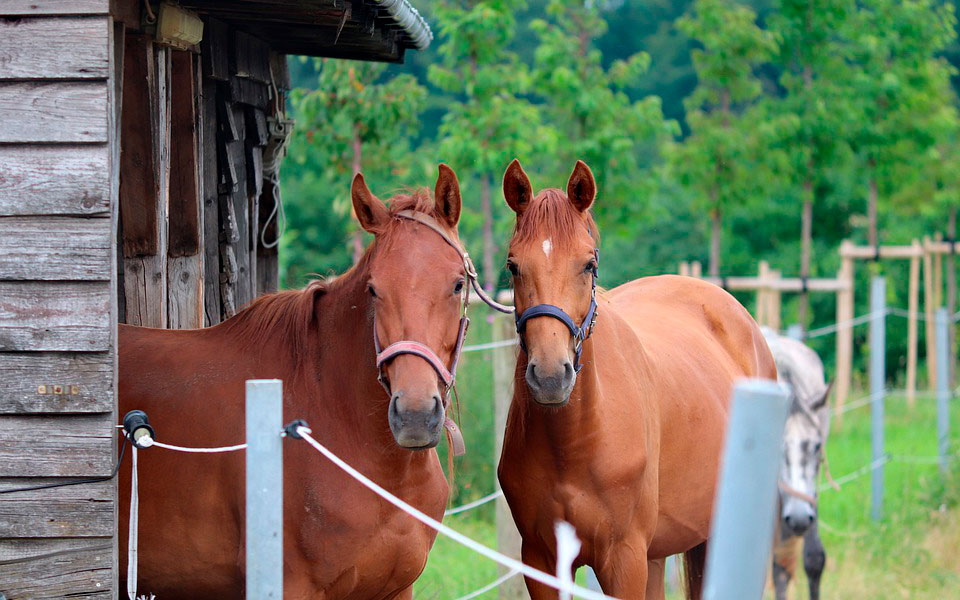
In practice, how does the FN promote the welfare of horses and what does it do to improve the quality of life of equines?
The FN not only periodically reviews its own regulations, it also participates in the guidelines of the Ministry of Agriculture, which deal with the conservation and use of horses.
For more than 20 years, it has promoted the improvement of horse breeding conditions as part of a competition called “Our stable must be better”. Much has changed in this particular area.
Equestrian Tourism
In Germany, horse riding is a very popular activity and includes many non-competitive riders. What does the FN offer to enthusiasts who want to take part in recreational equestrian activities?
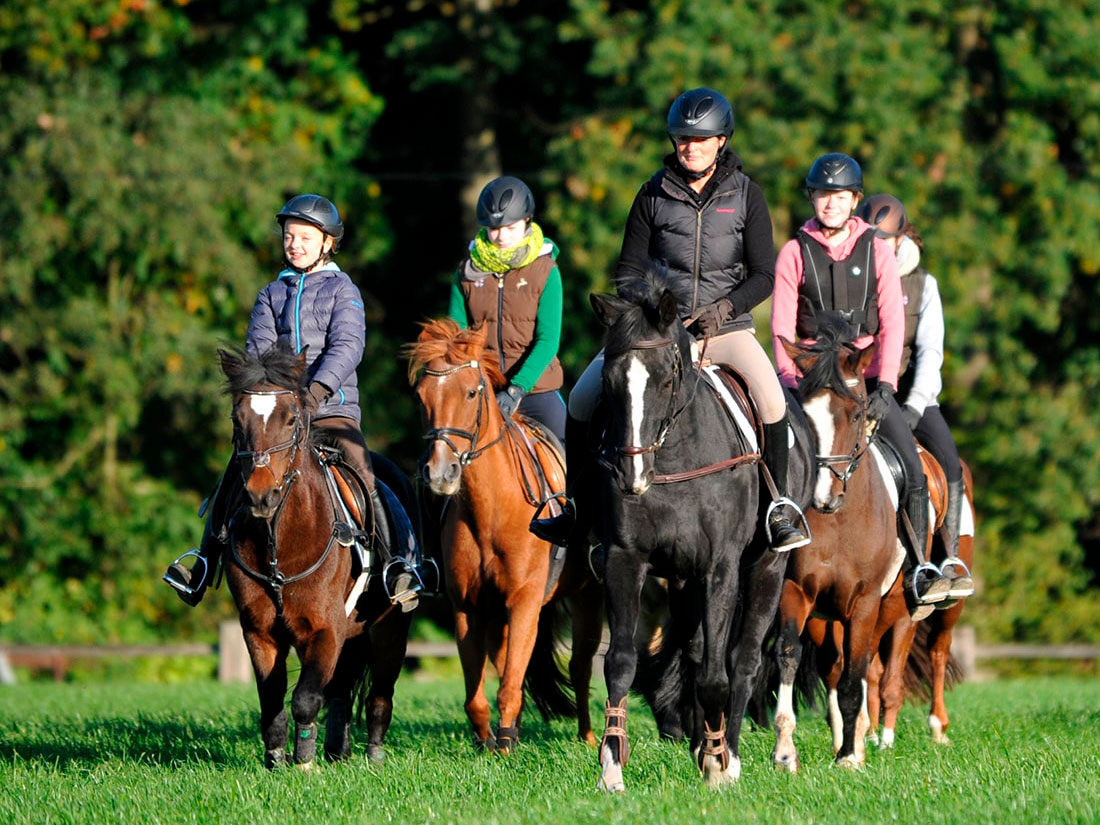
The FN and its state equestrian sports associations offer education and training for all tastes and requirements. For example, horse driving licenses, riding badges for rides lasting several days and seminars.
In addition, there are training courses for guiding groups in outdoor terrain and for overnight rides (equestrian ride guide, equestrian tour guide).
We also provide information on riding regulations in the regions, so that the trip becomes an experience and not a stress, and we have contact persons in the regions. They have the right networks to simplify the planning of the rides.
How do you rate the level and quality of equestrian tourism in Germany over the last 5-10 years?
Really positive. The quality of what's on offer is increasing and we foresee growth in the coming years.
Holidays in Germany and short breaks have increased and these offers fit in perfectly.
From your website you can book trips with “FNticket&travel”. Can you tell us about the type of trips you offer?
With FNticket&travel, we offer a wide range of travel options, which are sold directly.
The travel options include activities such as attending an international championship, visiting a stud farm or going on expeditions to unknown equestrian worlds.
These trips offer the possibility of visiting places that are not normally accessible, such as stud farms, enable contact with riders, trainers and breeders and are tailor-made for horse lovers.
Tell us about the ongoing projects to increase interest in recreational horse riding
We want to bring people to the horse and turn them into horse people.
To this end, we support riding clubs and FN member companies in all training and organizational matters, such as a planned initiative on horses for riding lessons 2022-2024.
We have also launched the “Green Stable” project, which aims to encourage contact with nature.
In relation to the current infrastructure of Equestrian Tourism in Germany. What aspects should be improved?
It would be advisable to have an even stronger network between the organized equestrian regions in Germany. The FN is a founding member of the federal working group “Germany on horseback”, for which this is an important focus of its work.
In addition, we would like to see a harmonization of the legal regulations for horse riding in Germany. The great heterogeneity in the question “Which rules apply where?” is a real obstacle to further development.
Are paso horses popular in Germany? Are they often used on horse riding trails?
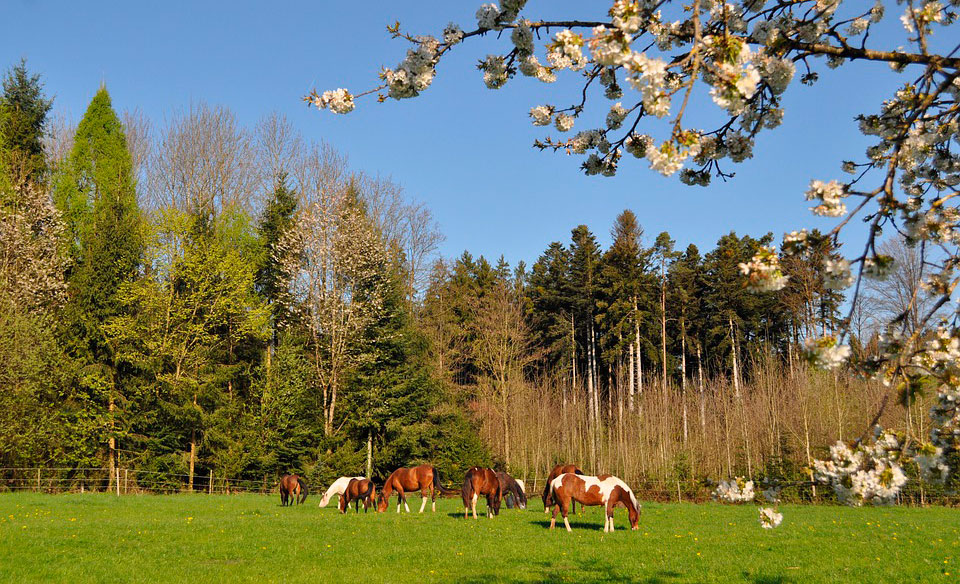
The variety of breeds in Germany is also reflected in the diverse use of the horse: not only the classical riding style, but also Western styles and paso horses are very popular in Germany.
Similarly, outdoor horse riding, equestrian trips and equestrian routes are carried out with many different horse breeds.
But there are also breeders and equestrian establishments that specialize in one breed and take this as their core brand abroad. That is their philosophy.
However, we cannot make concrete statements about the popularity of Peruvian Paso horses in particular for equestrian vacations.
Are you familiar with Peruvian Paso horses and the advantages of their gait?
We are familiar with the Peruvian Paso breed, but the population in Germany is very small with around 30 registered broodmares.
In addition, there are other breeds of paso horse in Germany such as Paso Fino, Paso Iberoamericano, etc.
Acknowledgements
We would like to thank Mr. Soenke Lauterbach for introducing us to the German Equestrian Federation (FN).
With this interview we hope that both horse lovers and professionals in the equestrian world will discover the great work done by these equestrian associations in Germany.
Comments (0)
No comments yet.

Comments
Leave your comment