
El Pato: Argentina's National Sport
When we talk about equestrian sports, we often think only of horse racing and polo competitions.
But in reality there are more than 15 types of equestrian sports.
Any sporting discipline involving riders and horses is considered an equestrian sport. These sports require knowledge and a relationship between rider and horse.
In Argentina, the only sport declared as national is not show jumping, polo or soccer, but Pato.
This equestrian sport was born at the hands of the gauchos, who practiced it on their ranches since the 17th century, although it was not until 1941, when the Argentine Pato Federation was created, that it was firmly established.
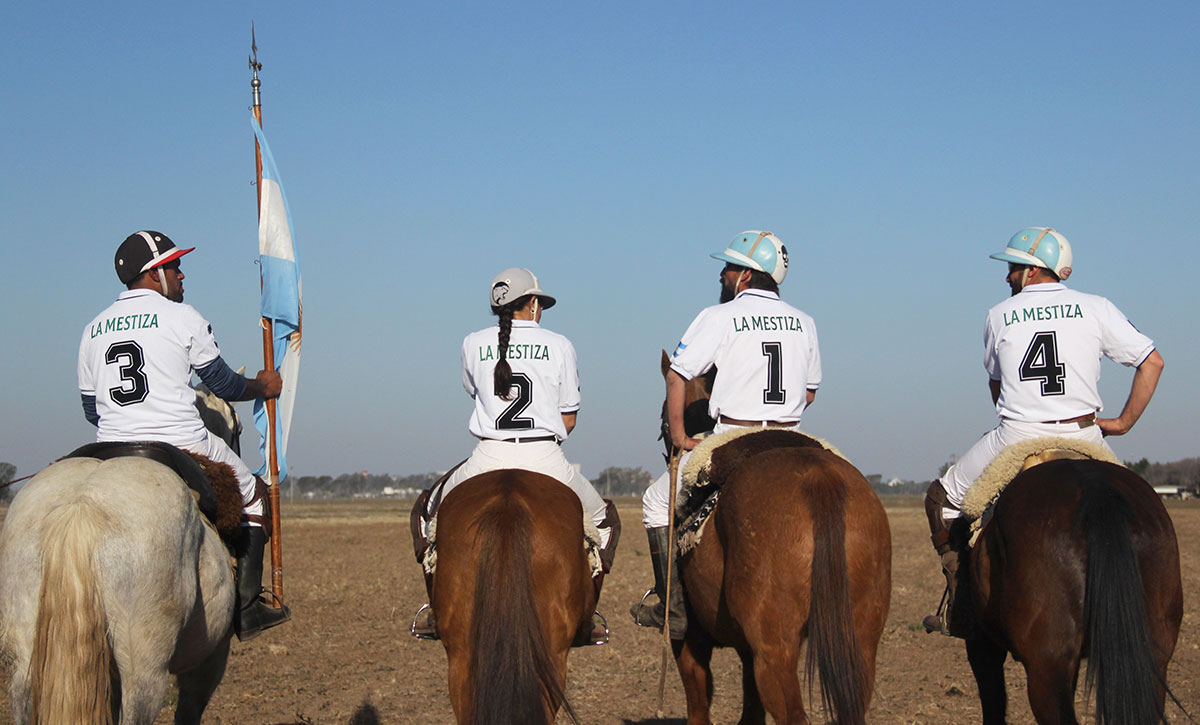
To find out more, we interviewed Valentín Villafañe, from the La Mestiza recreational and sports club, located in the city of Villa María, in the province of Córdoba.
This club carries out different equestrian activities, among which Pato competitions and classes stand out.
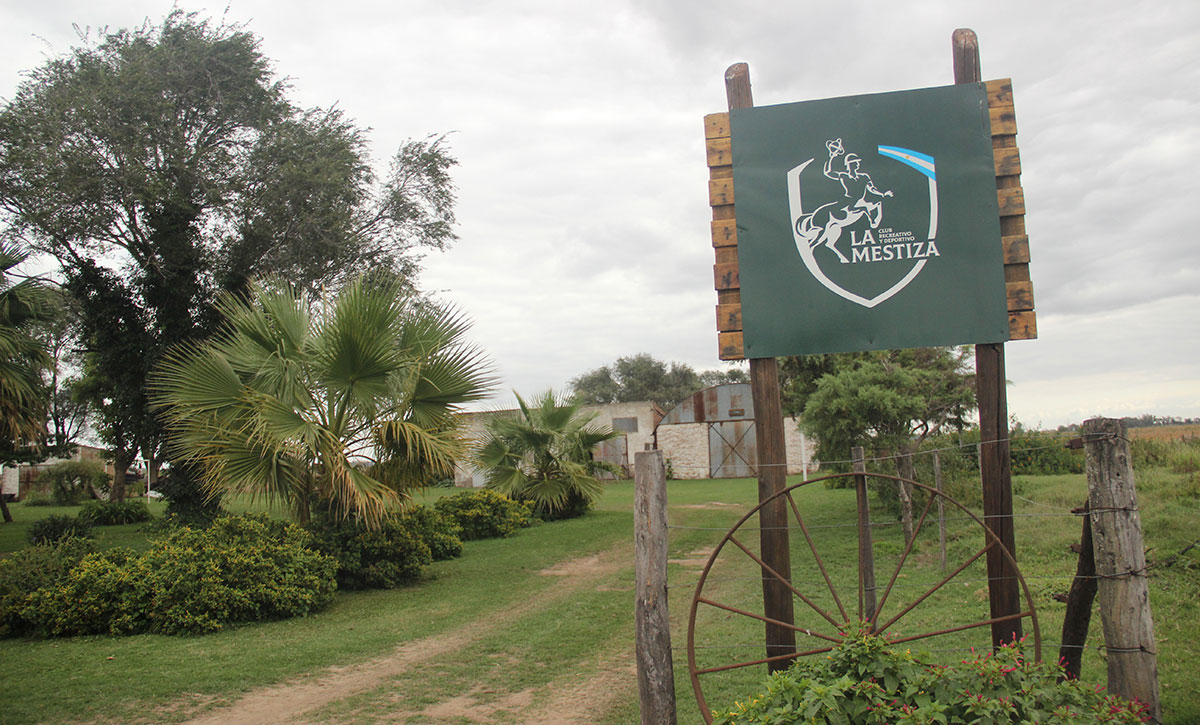
The La Mestiza club
Valentín, thank you very much for accepting our invitation to this interview. Tell us about the founding of the Mestiza Club. When was it created and what are its objectives?
Thank you very much for giving us the opportunity to make our club known.
La Mestiza emerged as a team of Pato in 2005, made up of the four Buhlman brothers, who began to practice the sport as amateurs among themselves and participated in some competitions.
The brothers went their separate ways, but the dream of continuing with the team and forming a club persisted in the mind of German, the eldest.
So the years went by and the team changed until 2020, when a group of people with different skills and abilities came together with a common goal: a love of horses and the desire to create a self-sustaining leisure space with specific projects focused on horses, nature and local culture.
History and origin of El Pato
Let's talk now about this curious equestrian sport. Could you briefly explain the history and origin of this sport?
“Pato” originates from Argentina, going back to the time of the gauchos. It was considered only for daring and brave riders, as it was very violent and had no rules.
Thus, at that time the game was played as follows:
“«… for this they gather two gangs of men on horseback and mark out two places about a league (approx. 5 km) apart, then they sew together a piece of leather into which a duck has been inserted with its head sticking out, the leather having two or more handles, which the two strongest men from each gang take in the middle of the distance between the assigned points and, spurring on their horses, they they spur strongly until the most powerful takes THE DUCK, his rival falling to the ground if he does not abandon it; the victor runs and those of the opposite side follow and surround him until they take him by one of the handles, they pull in the same way, and the winning side is the one that arrived with THE DUCK at the designated point.”
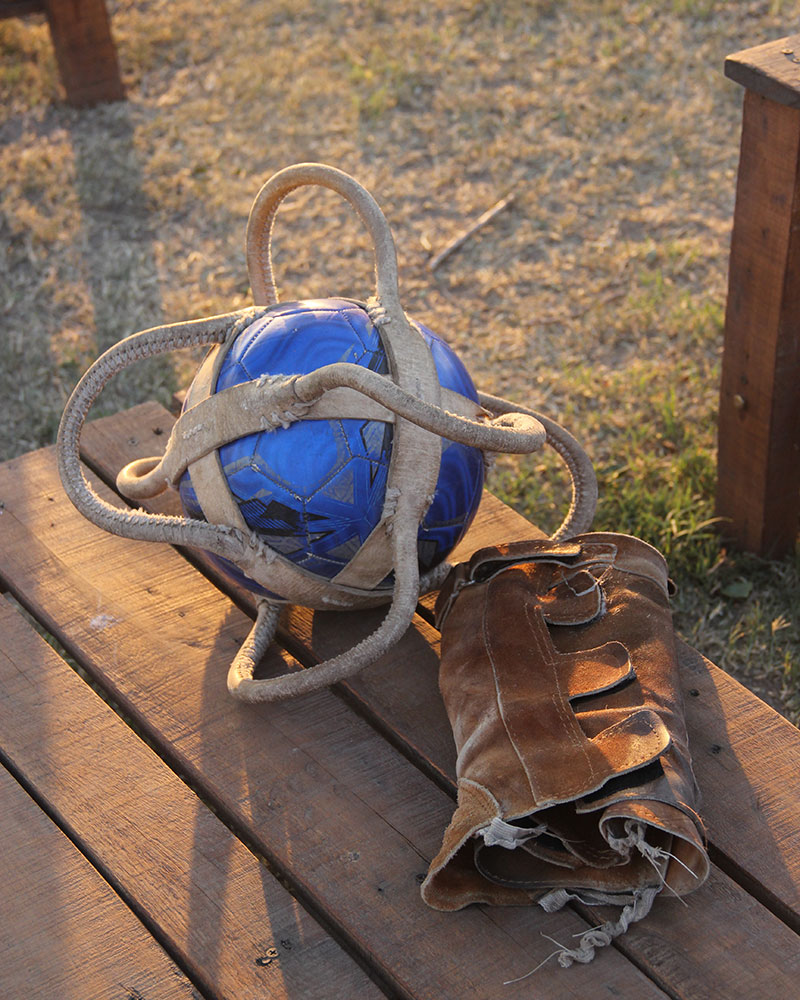
Subsequently, the duck was replaced by a white leather ball, with a pneumatic chamber and six handles.
Why was it forbidden to play this sport at the end of the 18th century?
In 1822 the governor of Buenos Aires, General Martín Rodríguez, in a decree countersigned by his minister of government, Don Bernardino Rivadavia, absolutely prohibited the game of PATO, although he did not manage to prevent its practice.
It was Don Juan Manuel de Rosas who managed to suppress it during his government, but in 1852 it became known that it was being played again through a magnificent description made by General José Ignacio Garmendia in his book “Cartera de un soldado” (A Soldier's Wallet).
When and how was it recognized again?
It was in 1937 when a devotee of our traditions, Don Alberto de Castillo Posse, set about reviving the old game, transforming it into an organized sport for which he drew up the first set of rules. He created the chair, devised the four-handled ball and then the six-handled one that is used today.
In 1938, the governor of Buenos Aires, Don Manuel A. Fresco, repealed the ban, beginning a new era.
Thus, in 1941, the Argentinean Pato Federation was founded, an association made up of the fields in which this sport is practiced and whose purpose is to promote, direct and disseminate the game of Pato.
This association organizes tournaments and ensures that the rules are applied, as well as guiding and promoting the breeding of the type of horse best suited for this purpose.
Game characteristics
Let's start with the basics. Can you briefly define what this sport consists of and what its main objective is?
A game of courage and skill, it consists of shooting the ball through the hoop as many times as possible. It is a game that requires individual skill and teamwork.
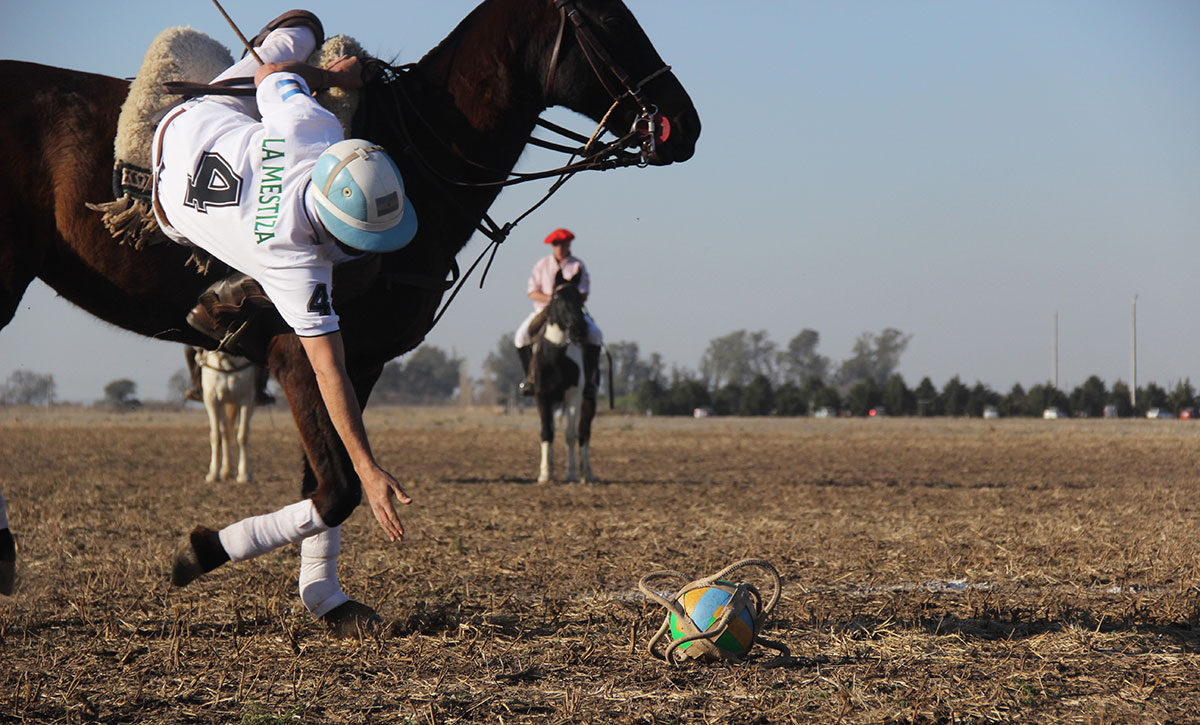
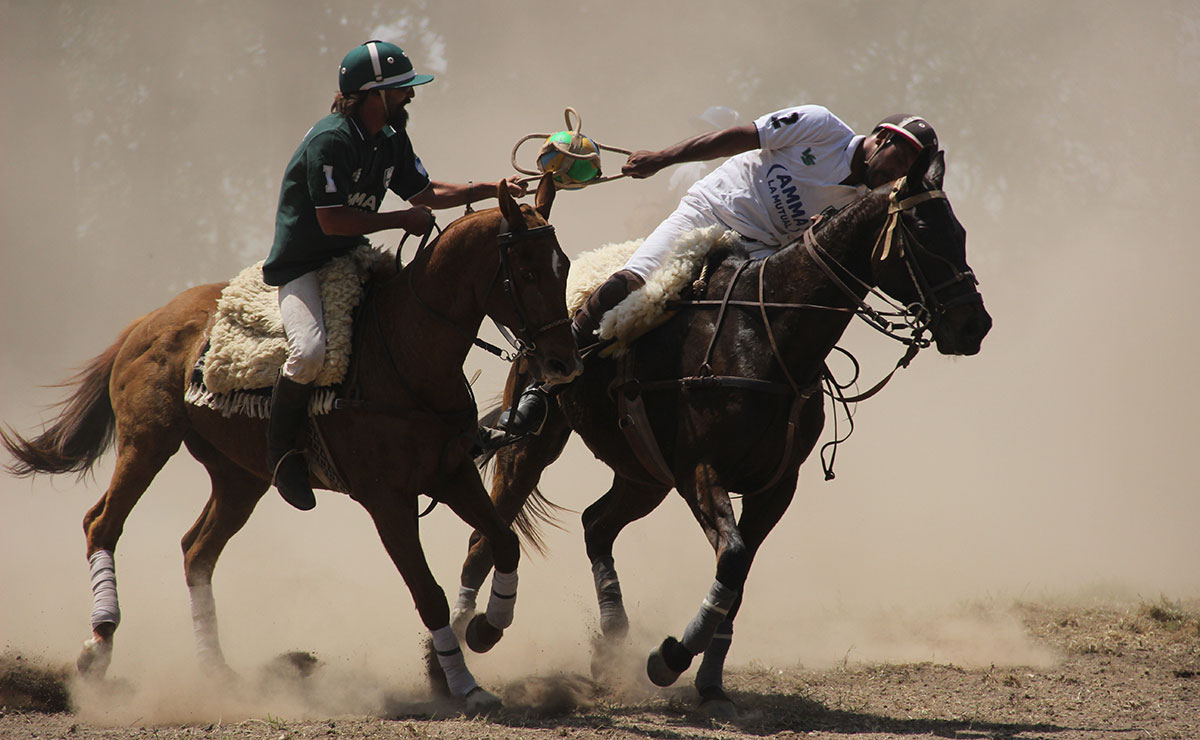
Two teams of four players each face off, numbered from 1 to 4, who seek to take possession of the ball by means of passes and combinations, eluding their opponents and shooting it into a hoop one meter in diameter. Each player has a defined position on the court.
 **Is there a referee to make sure the rules of the game are followed?**
The judge is responsible for ensuring the safety of the game, demanding compliance with the rules and penalizing any infractions.
Generally, there are three judges, two on horseback and one seated outside the court, who can be consulted in case of a questionable play.
We know that the participants are on horseback, but how many horses are needed for each participant?
Each player must have at least two horses for a match, and depending on the level and the demands of the game, five to six horses.
What equipment is needed to play Pato?
Each player will go out onto the court on horseback, and must wear white trousers, a shirt with a number on the back in the color of their team, a helmet and high-top boots. They can also use knee pads to avoid possible injuries.
The horses must have bandages on their legs and hands to protect them.
The Pato playing field
What are the official dimensions of the Pato playing field?
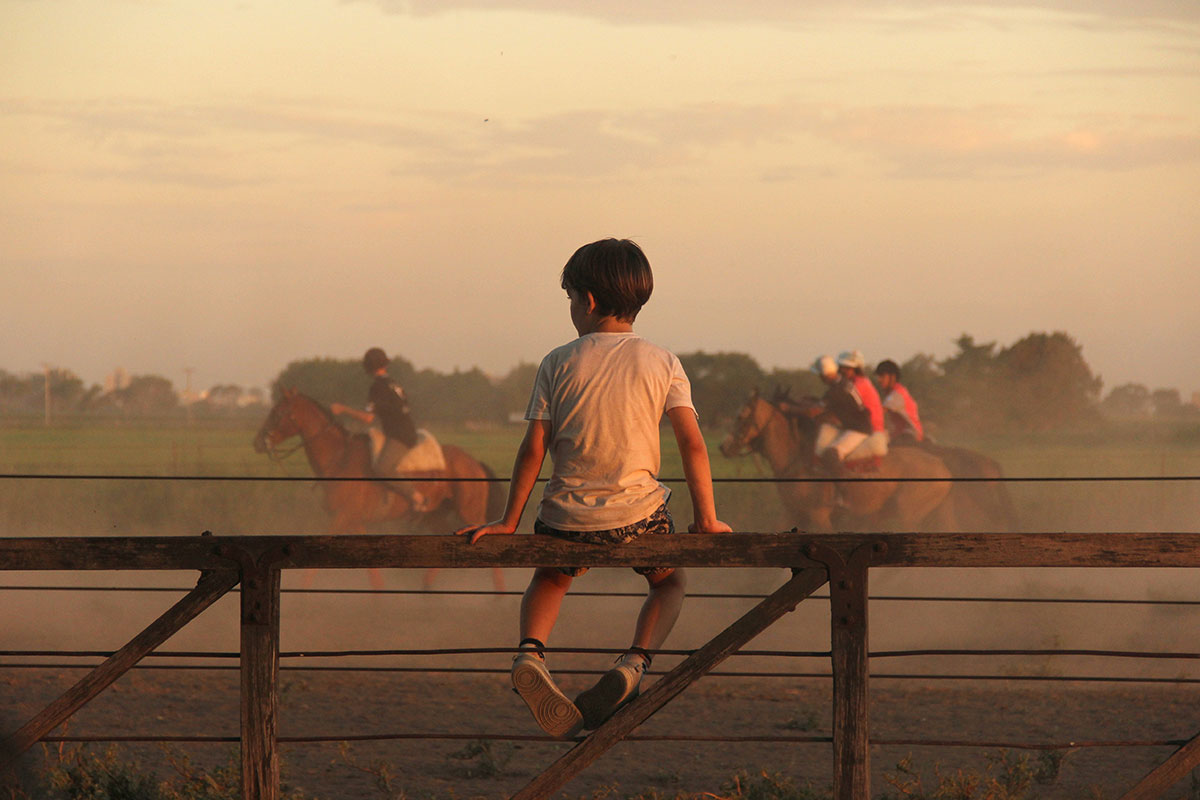
The court is rectangular and its measurements are: maximum length 220 meters; minimum 180 meters; maximum width 90 meters, minimum 80 meters. There must be a strip of free safety area, no less than 5 meters wide on both sides, demarcated by a railing or fence and more than 20 meters behind the ends.
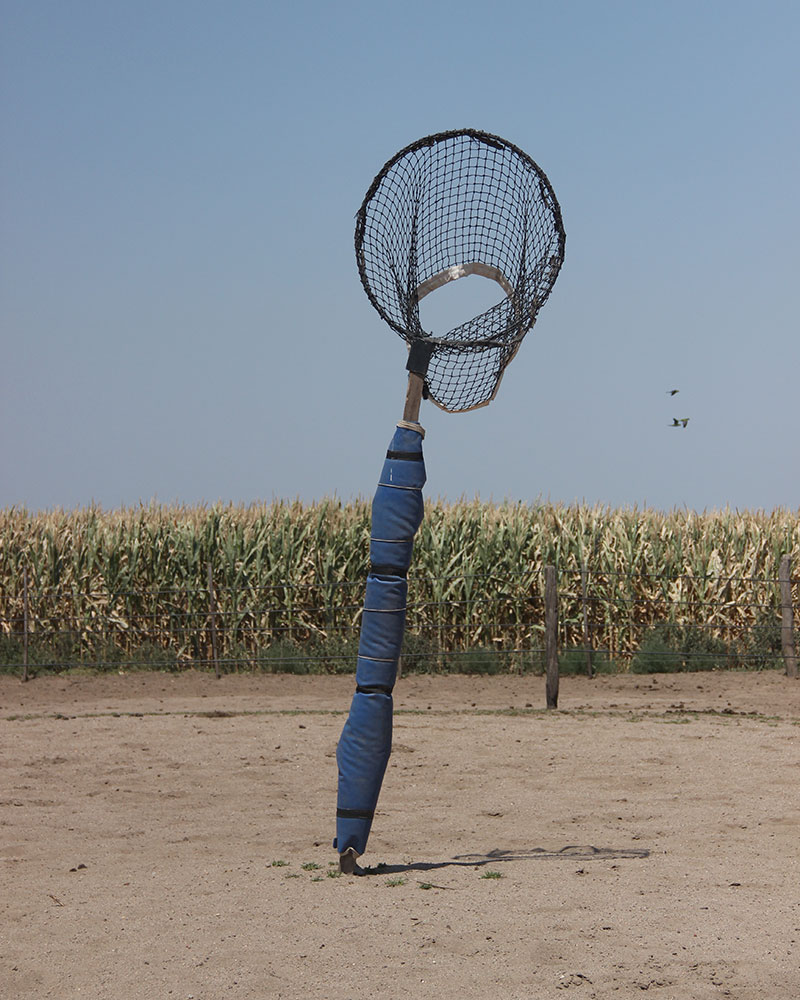
The hoops or arches should be located in the center of each end zone, on the demarcation lines. The hoop should be round and have a diameter of 1 meter, and be located at a height of 2.70 meters, supported by a pole made of a soft material (e.g. pine wood), so that any collision causes it to break and therefore reduce the impact.
What are the main requirements and characteristics of this field apart from its dimensions?
The main requirement is that the field must be grass and level.
Rules and Regulations of Pato
Like any official sport, Pato has rules that participants must follow. Can you tell us which are the most important?
The main objective of the rules is to prevent players from hitting each other. Keeping to the line of the game is essential, dangerous crossings are not forgiven by the judges.
What are the main sanctions that are applied?
The sanctions that are applied range from penalties to throw the hoop, serve changes and expulsions.
Is there any institution or entity responsible for regulating the sport of Pato in Argentina?
In Argentina, the entity that regulates the sport is the Argentine Pato Federation (FAP).
The FAP has produced a document detailing the rules of the game of Pato. You can download it from this link.
Pato events and tournaments
Is the sport of Pato played exclusively in Argentina, or has it been exported to other countries? Is there a similar sport in other countries?
Duck, played according to our rules, is only played in Argentina, for the moment.
There is another very similar sport that emerged from an adaptation of Duck, which is Horseball (www.fihb.net), well known and played in different countries of the European Union, it emerged in France.
What are the main events in this sport that are organized in Argentina?
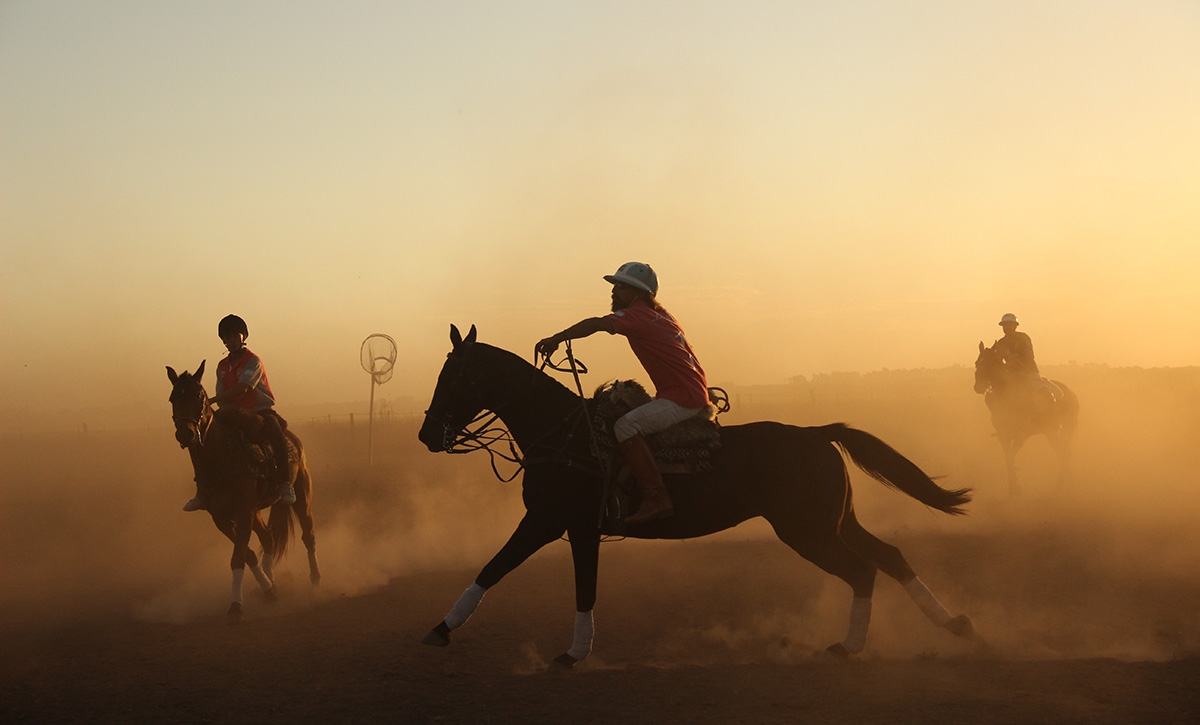
There are regional matches almost every month of the year. In Córdoba, several tournaments have been held since the beginning of the year for different levels.
The main events are:
- Remonta and Veterinaria Tournament, in June.
- Argentine Baja Tournament, in September.
- Argentine Alta Tournament, in October.
- Finally, from the end of October, and during the months of November and December, the Triple Crown of Pato is played, culminating with the final in Palermo, Buenos Aires.
Acknowledgements
We would like to thank Valentín Villafañe for giving us this interview, in which he reveals the secrets of this unique equestrian sport from Argentina.
Also, as horse lovers, we are delighted that companies like La Mestiza promote equestrian activities and help to increase interest in them.
Comments (0)
No comments yet.
You might also like
The rise of women's polo in Argentina
The equestrian discipline of TREC: the horse-rider combination
The German Equestrian Federation for Equestrian Sports and Horse Breeding
10 Topics to learn about Show Jumping – Part I
10 Topics to learn about Show Jumping – Part II



Comments
Leave your comment