
TREC equestrian discipline: the horse-rider pairing
Within the equestrian world, different activities can be practised.
From taking care of a horse and going on short trips with it, to planning a horse riding holiday with the advice of an equestrian tourism provider.
Another important branch is that of sports disciplines. Sports such as show jumping, dressage or polo are regulated by official associations and competitions are held at different levels.
A discipline that is perhaps less well known, but no less important for that, is TREC. In this article we are going to explain what it is and its characteristics.
TREC, the discipline of skills
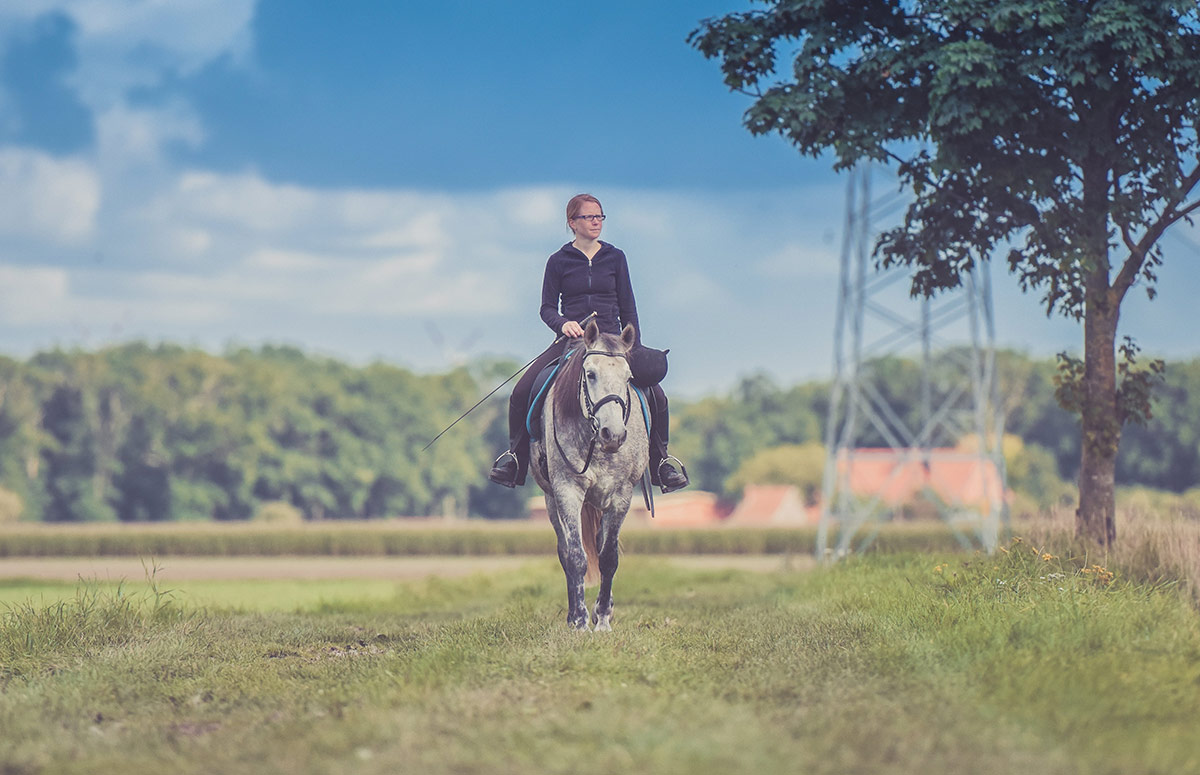
TREC (Techniques de Randonnée Équestre de Compétition) is an equestrian discipline that assesses the different skills of a rider. We could say that what it does is take Equestrian Tourism and turn it into a competition.
It develops and values the autonomy and ability of the rider to orientate themselves in nature and to overcome, with a controlled management of the effort of their horse and an adequate knowledge and application of the technique, the natural difficulties that can be found on trips and routes on horseback.
Through a series of tests, the horse and rider are rewarded for their equestrian skills. Any breed of horse can participate, including ponies.
There is no age limit for riders, but they are grouped according to category.
Origin of TREC
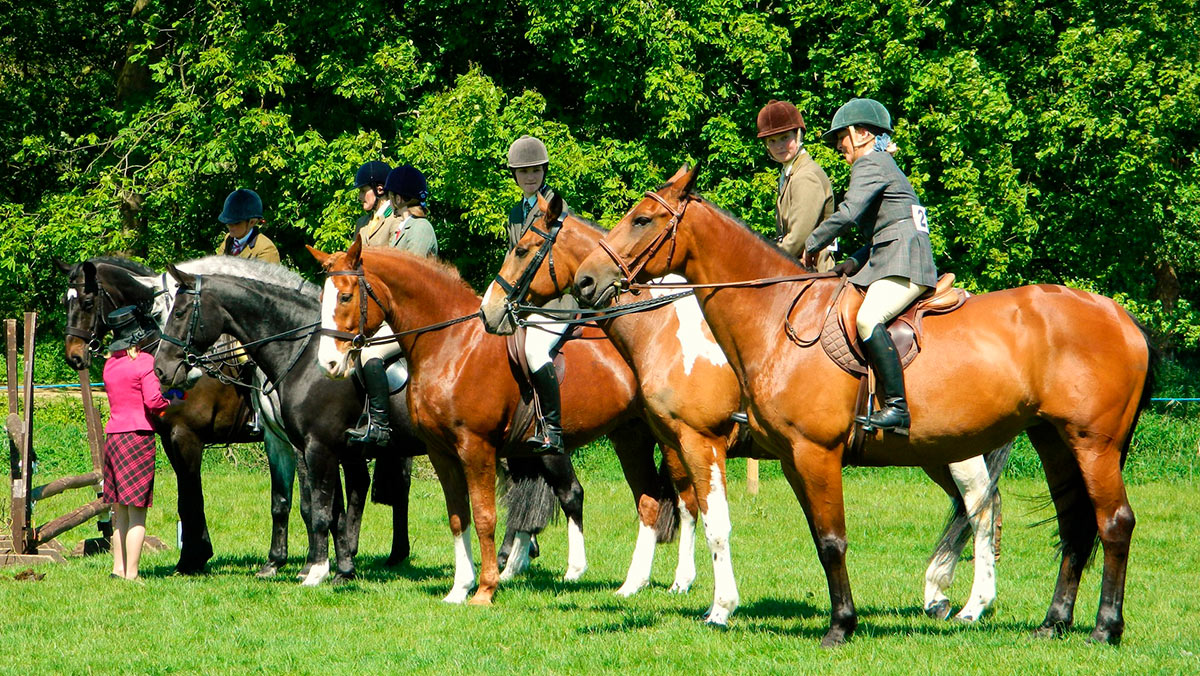
Although the first TREC equestrian competition originated in France, its origins come from the United States, with Competitive Trail Riding (CTR).
CTR is a medium-distance competition that is completed within a period of time, where the important thing is not to arrive first, but for the horse to arrive in perfect physical condition and within the indicated time period.
Based on these premises, where the relationship between rider and horse is fundamental, a group of enthusiasts of Equestrian Tourism created the TREC discipline in France in the late 1980s, the acronym of which stands for “Techniques de Randonnée Équestre de Compétition”.
In this discipline, both the physical and mental training of the horse and the equestrian technique of the rider are valued.
Since 1989, the international TREC championships have been organized under the auspices of the International Federation of Equestrian Tourism (FITE).
Since 2016, FITE has organized the TREC European Championships with an annual competition for Young Riders and a biennial competition for Adults.
Little by little it spread to other countries around the world.
TREC events
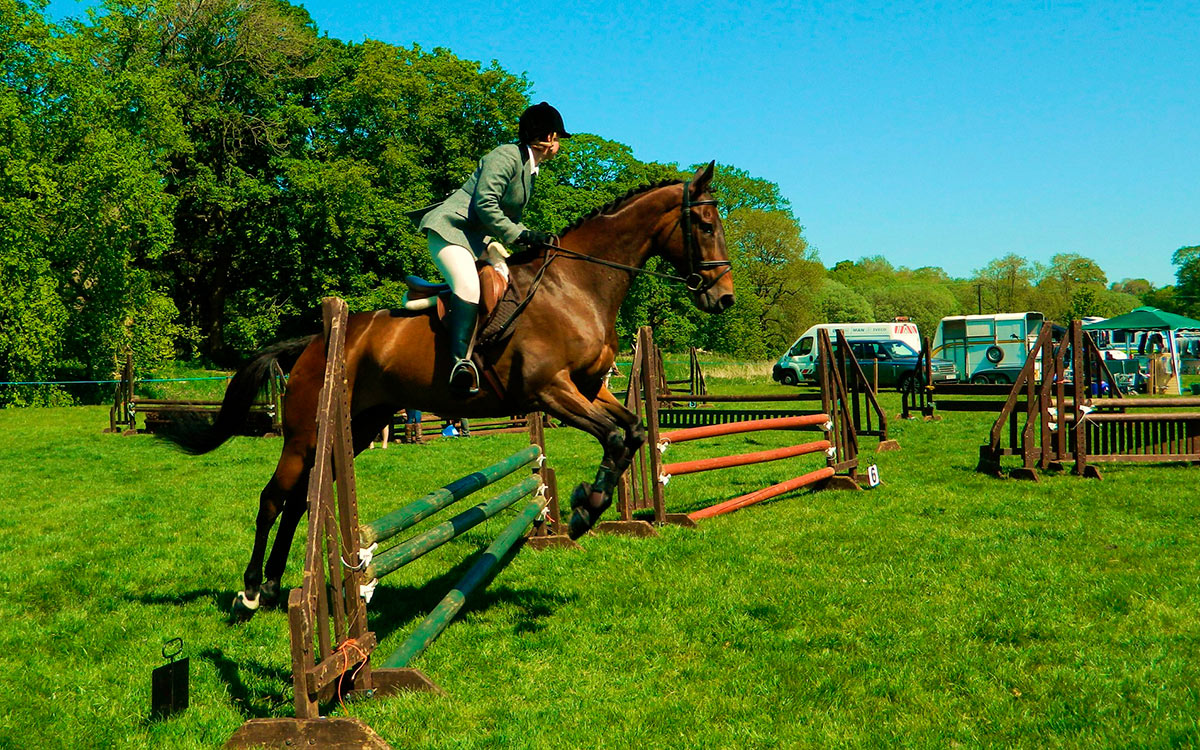
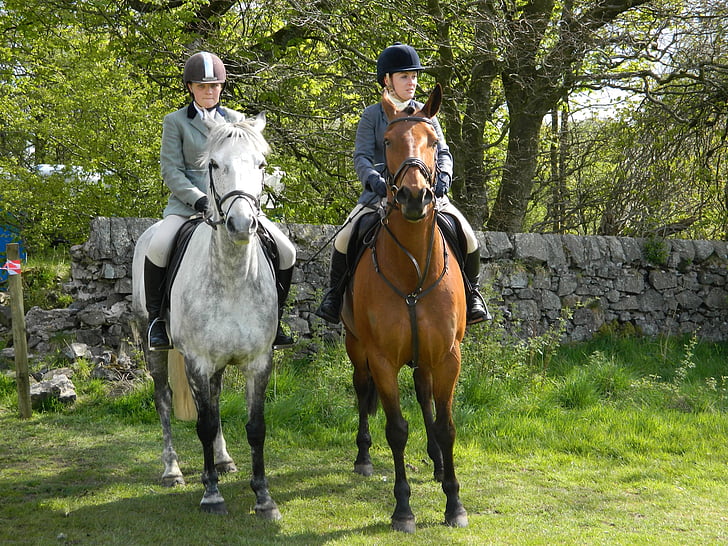
Before the tests are carried out, the horse-rider pair is presented, with the rider's clothing and harnesses being checked.
The general condition of the horse, the rider's attire, as well as the suitability of the equipment and material for outdoor riding will be assessed, checking the compulsory material for the route (first aid kit, shoeing material, etc.).
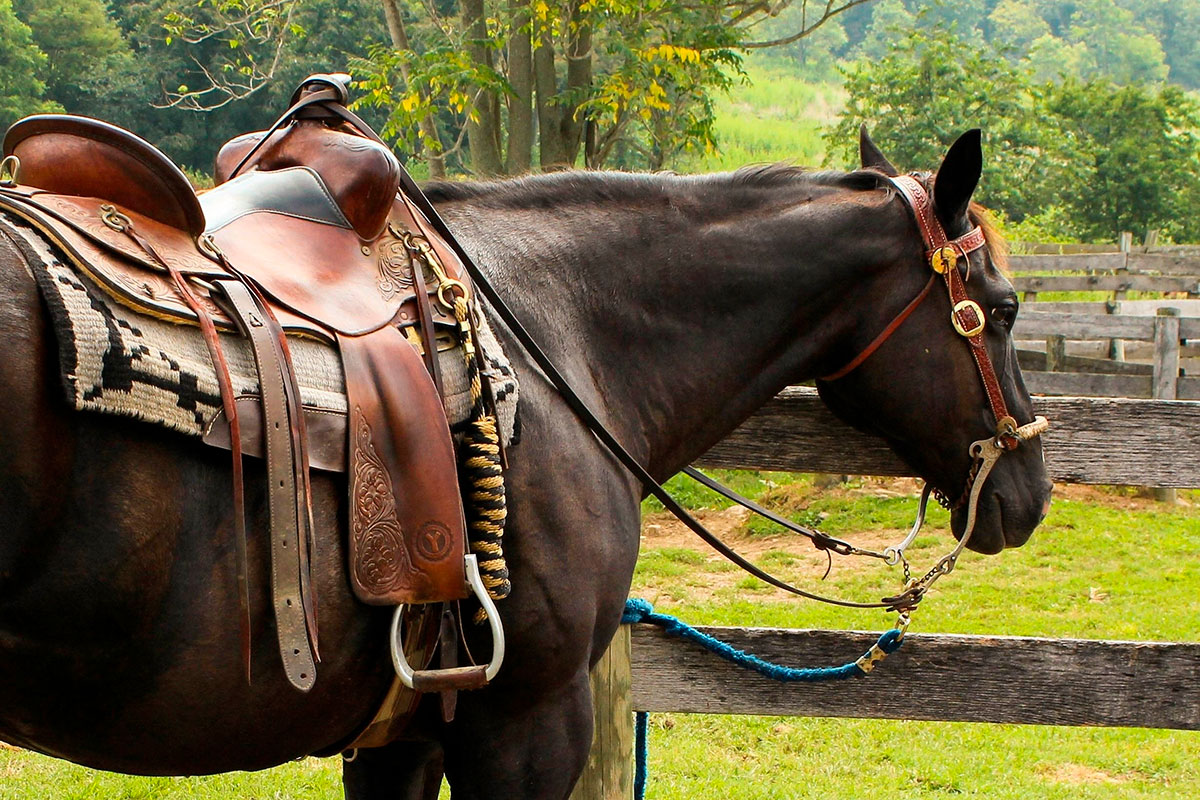
The judges will also make sure that the basic equipment of the horse (saddle and bit) is the same during the three tests.
No official clothing or equipment is required, but it is required to be correct and adapted to outdoor riding. In Spain the use of a helmet is compulsory in all three tests, this obligation depends on the regulations of each country.
The 3 tests are:
- Orientation and Regularity Test
- Mastery of Air Test
- Varied Terrain Test
Orientation and Regularity Test (POR)
This is the test that gives the most points. The rider will demonstrate control of the topography of the terrain and management of the horse's effort.
The idea is to complete a route without external help, using a compass and a map, in a set time and at a speed of between 5 and 12 km/hour. The distances to be covered vary according to the level of the competition, ranging from 10 km to 60 km.
Ten minutes before the start, the rider must mark the route on the map to help them find their way.
Riders must avoid going faster or slower than the indicated speed, and they will be able to find out how they are doing at the checkpoints they come across during the course.
At these checkpoints, a veterinary check may be waiting, to determine whether the horse is fit to continue competing. The vet will carry out a cardiac check, verifying that, after 15 minutes of rest, the pulse is below 64 beats per minute.
They will also check the condition of the horse's shoes, so that if there is any problem in this regard, the rider must resolve it on the spot.
Maestrías de Aires Test
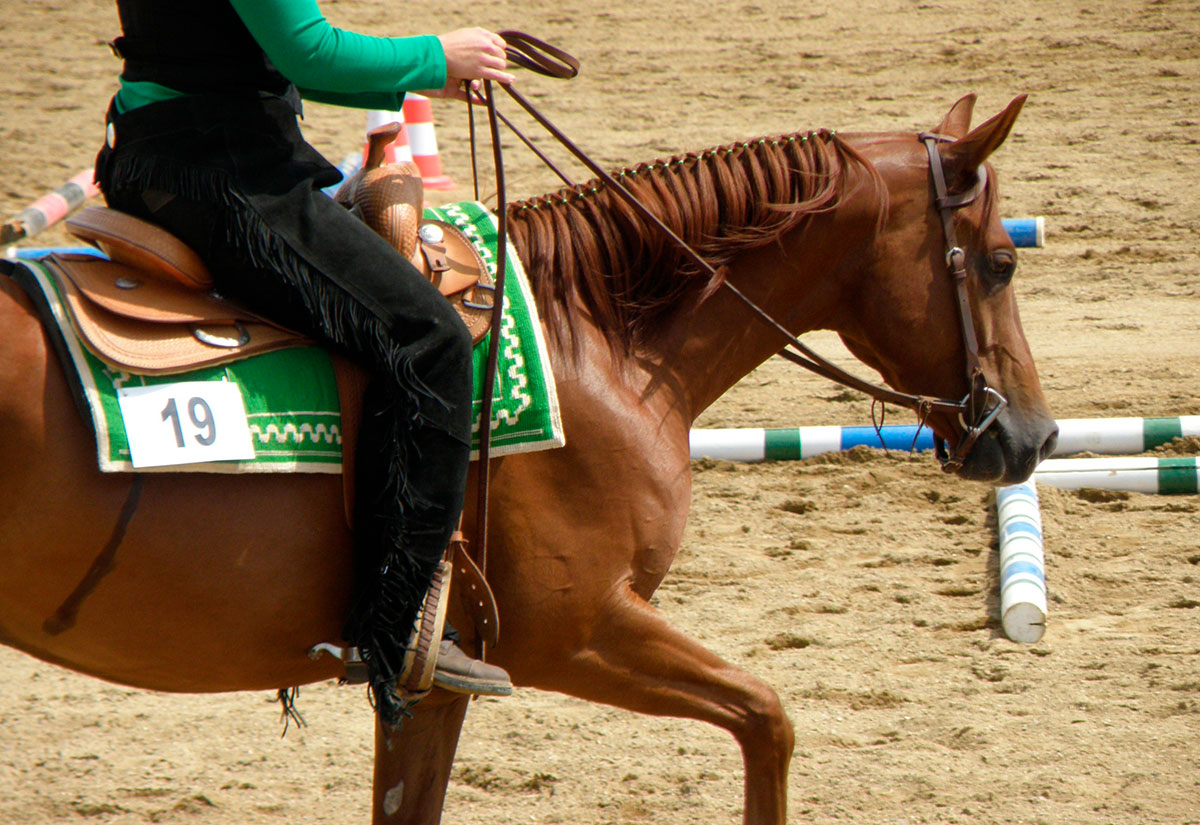
The purpose of this test is to demonstrate that an outdoor rider can keep their horse at a certain pace and change the pace at a certain point.
In a corridor 1.5 meters wide by 150 meters long, the horse must go through it with a change of pace, going at a slower canter, and on the way back at a faster pace.
That is to say, there are 2 phases:
- Go at a slower canter for the 100 or 150 meters out, depending on the level of competition.
- Gallop at a faster pace on the way back, along the same corridor.
In each of the phases, the judges will assess whether the rider maintains the required pace over the defined distance and does not leave the corridor. Riders are allowed three attempts.
In the case of the pony and novice rider categories, the course is made up of five different sections at different paces, each marked with cones. In these cases, the corridor is wider, at 2 meters.
Varied Terrain Test (VTT)
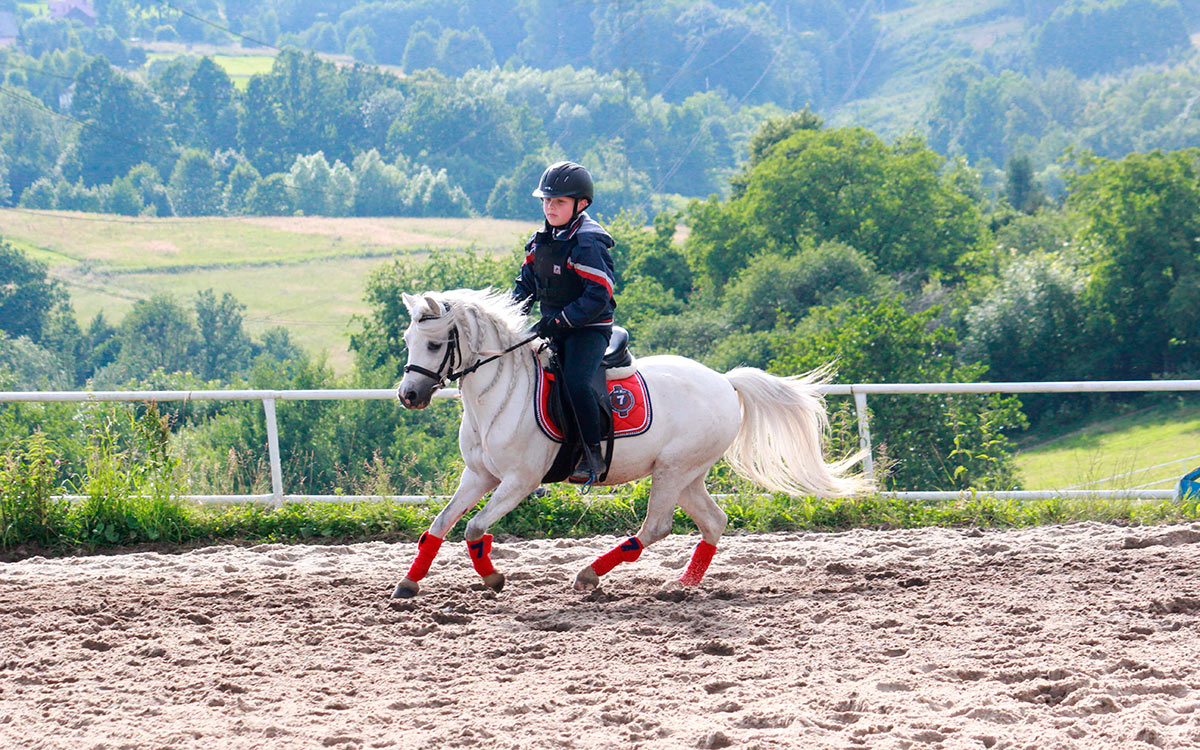
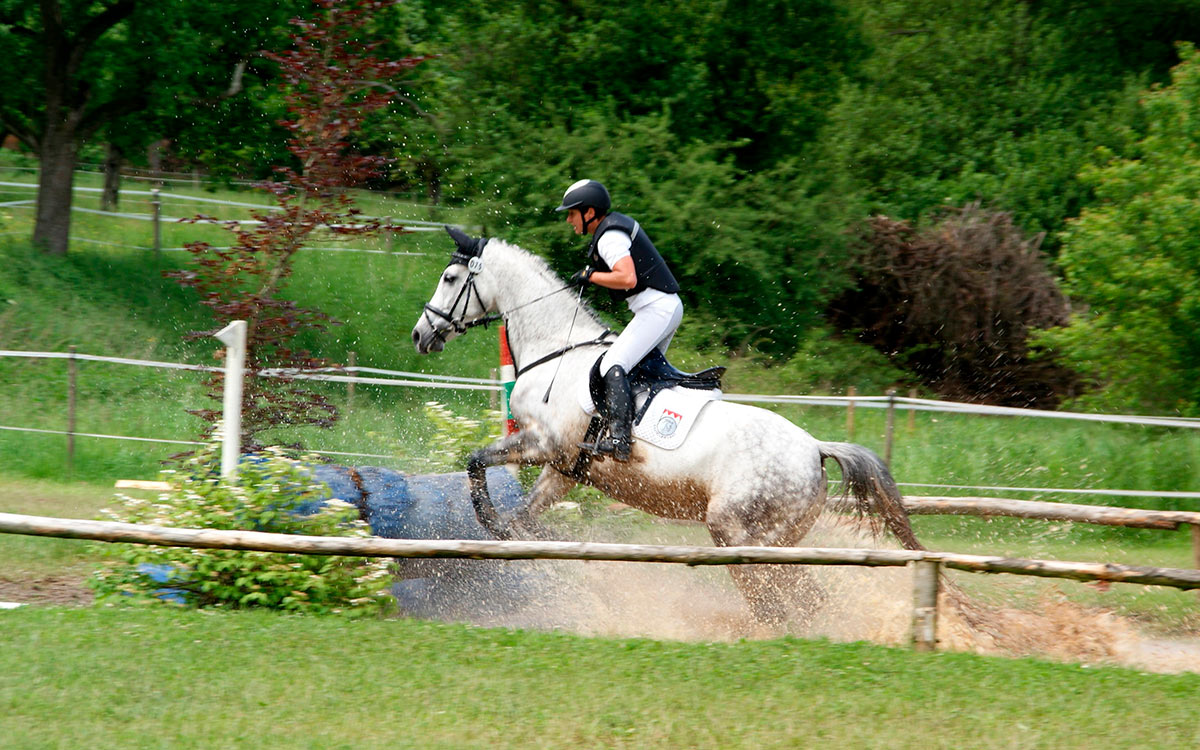
This is a course that can range from 300 meters to 2 km where the rider will encounter 16 obstacles of different kinds. It must be completed in a certain time.
Some of the obstacles that the contestant may encounter are logs, ditches, footbridges or low branches. It is about knowing how to manage different situations in the middle of nature.
The way in which these obstacles are overcome will be assessed by the judges.
Judges will assess the quality of the dressage of the horses used for the marches (confidence, strength, handling, balance and safety) as well as the correctness of the rider's aids and his or her experience in cross-country riding.
In this event, the rider-horse combination is judged.
TREC disciplines
TREC is a discipline in which there is no age limit or riding level. What there are, however, are different competitions, grouped according to these parameters.
In total there are 5 modalities, two of them for beginners, and another 3 for higher categories.
The beginner events (TREC Minors 0* and TREC Minors 1*) allow novice riders to discover the discipline through events adapted to them thanks to the creation of educational, fun and safe situations.
Each category has its own regulations regarding distances and times, as well as scoring. The age of the rider and horse and the score that can be obtained in each event are also defined.
Finally, there is the team event. This event can be held as long as there are at least three teams and each team has a minimum of three members.
A jury is formed to evaluate these tests. The Field Jury will be made up of a President and one or more members.
The International Federation of Equestrian Tourism (FITE) is responsible for providing training for international working equitation and TREC judges, as well as for PTV and POR course directors.
The welfare of the horses
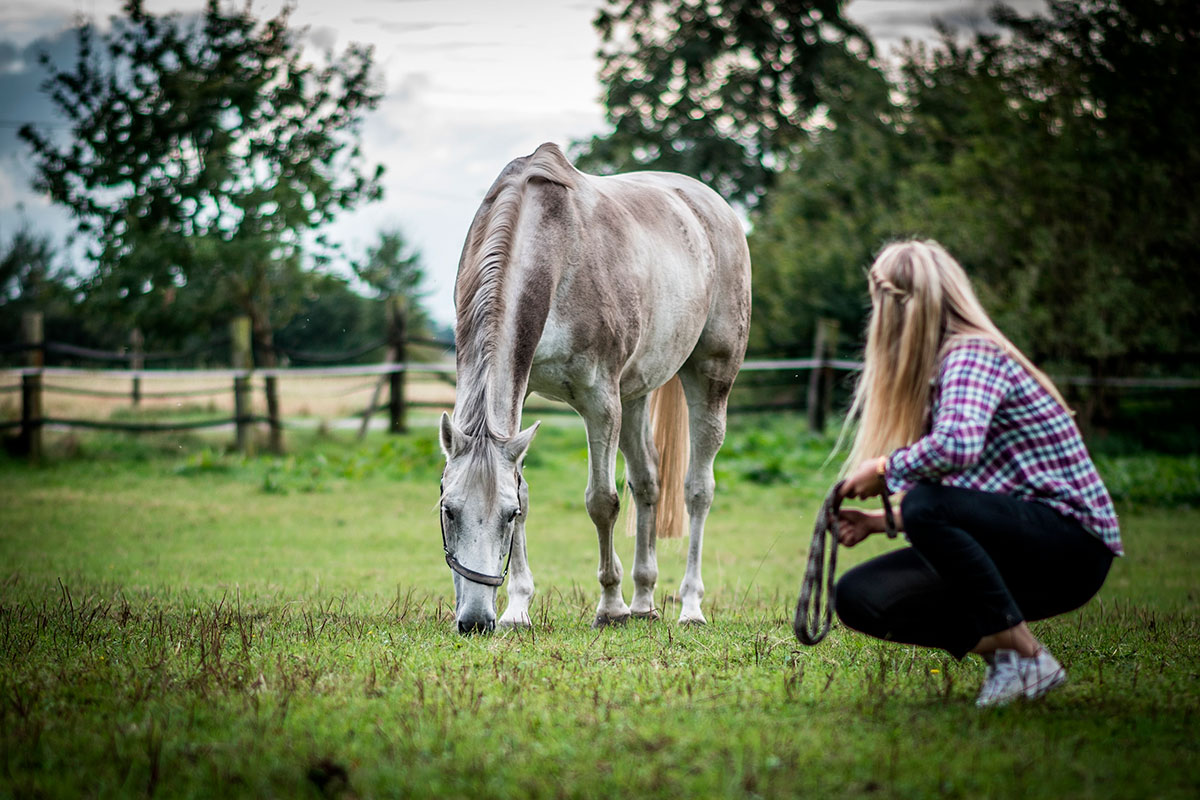
As a final point, I cannot fail to mention the importance given in this discipline to the control and care of the horse.
This equestrian discipline is considered to improve the mental health of the horse, as it allows horses that train in other disciplines to escape from routine. They go out into nature and carry out activities that are different from the usual ones, which relaxes and motivates the horse.
Organizers must provide suitable accommodation for the horses. They will have stalls (with bedding) or accommodation for the horses in paddocks, fields, etc. in a fenced, secure enclosure.
They will also ensure that there is enough water and fodder for their feed.
And for each official competition they must appoint one or more competition veterinarians, who will be responsible for the health of the horses.
The farrier is an important figure and must be present at all competitions.
Conclusions
As we can see, this discipline is more than just an equestrian competition. Thanks to it we can assess the ability of the rider to carry out and direct equestrian routes in nature, as well as their knowledge of dressage and horse control.
Although there is an official regulation that is the same in all countries, each one can draw up its own regulations, so it is important to consult them if you want to participate in a TREC competition.
Taking into account that the FITE is in charge of regulating the TREC championships, it is advisable to consult the regulations on its website (https://fite-net.org).
You will also find detailed information on the website of the French Equestrian Federation (www.ffe.com), as well as a PDF with the regulations.
Comments (0)
No comments yet.


Comments
Leave your comment