
The ideal horse for your equestrian vacation
Introducing the best horse for your equestrian vacation
The horse for trail riding must be trained to travel and its gait must be smooth for the rider.
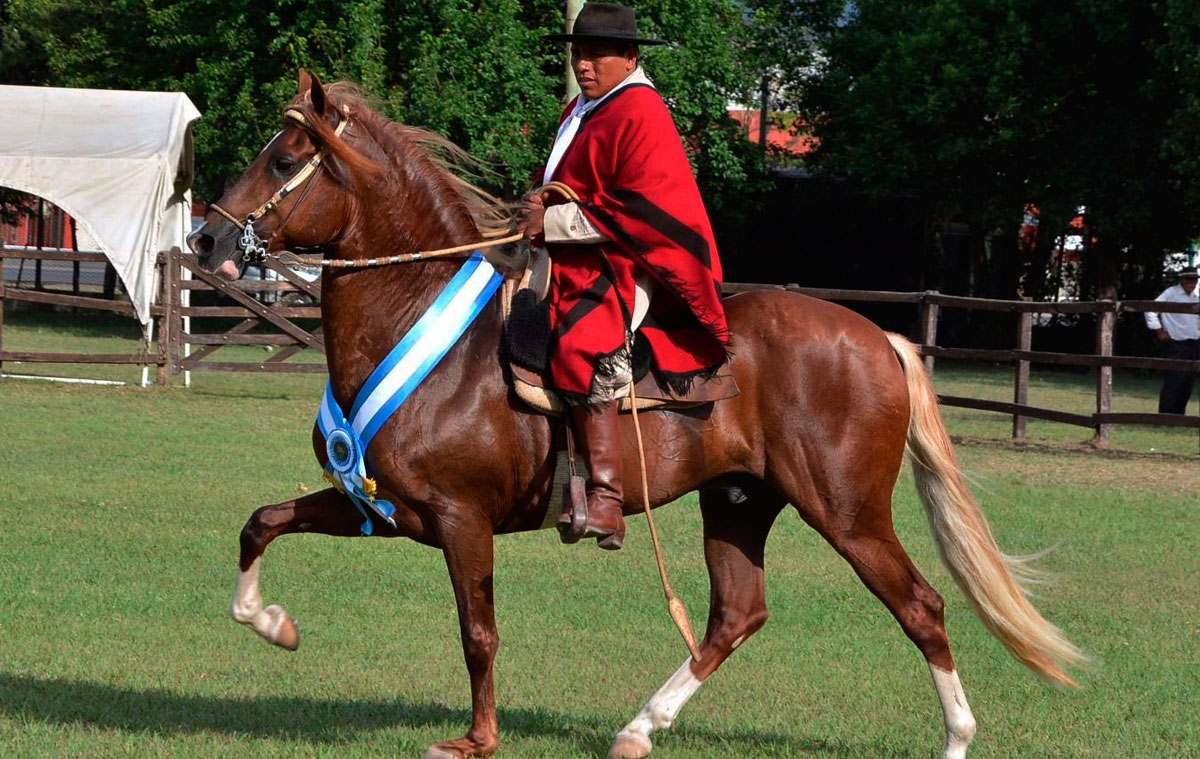
The Peruvian paso horse meets these requirements.
Every rider is certain of one thing: the perfect horse for trail riding is one they know themselves, one they have ridden, tried out and become inseparable from.
However, your own horse is not the best for a trek lasting several days with other horses and in this article you will discover why.
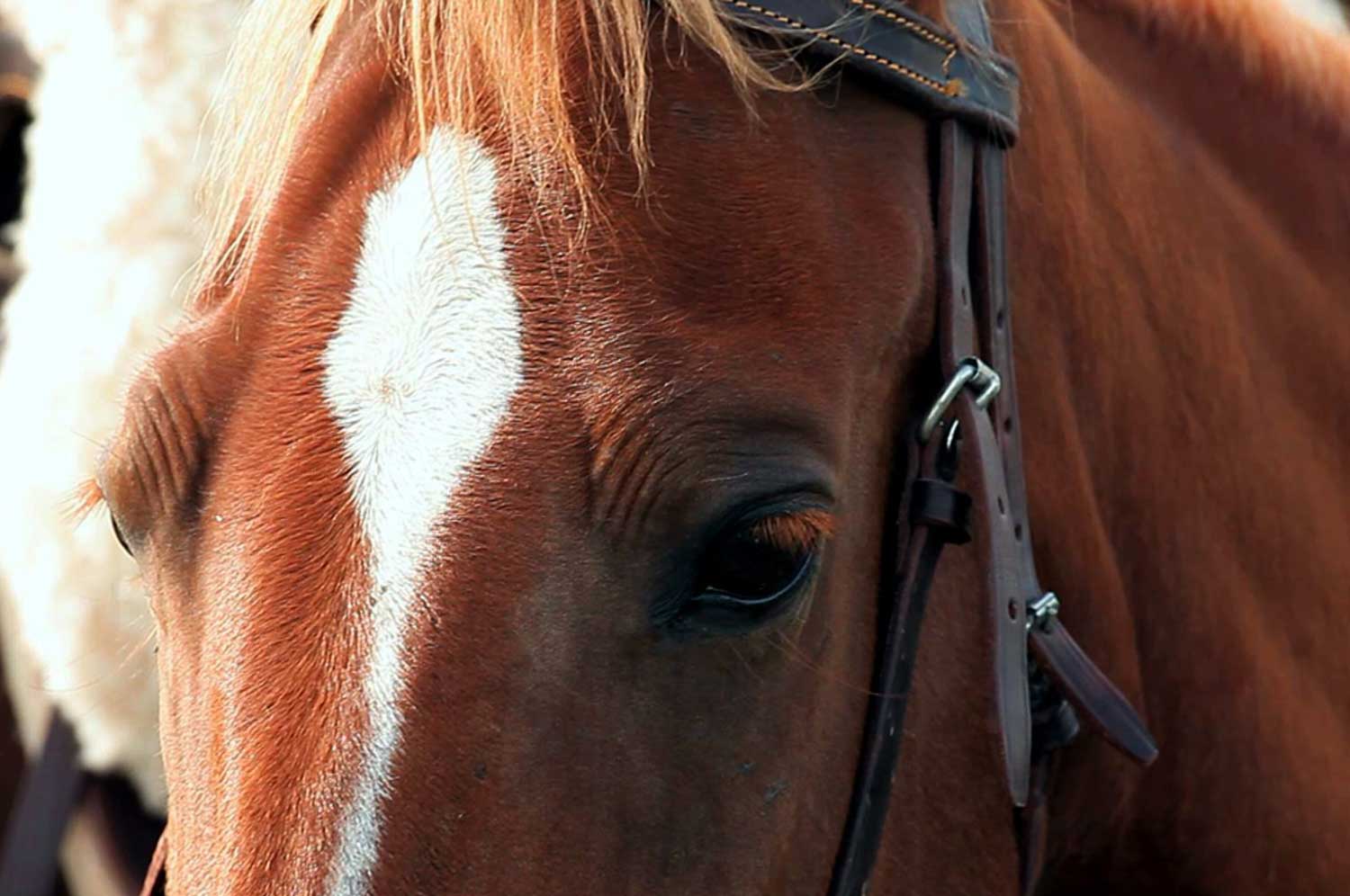
Characteristics of a horse for equestrian routes
Firstly, equestrian tourism companies must have horses that have been properly broken in and trained, so that they are docile in the mouth, try to avoid raising their necks, know how to maintain the speed and rhythm indicated by the rider and manage to maintain their position within the group of horses according to the guide's instructions.
Another factor to consider when choosing which horse to ride is the age of the horse. We believe that you should avoid taking routes with horses that are too young (less than 6 years old). This could be risky, as the horse is not psychologically mature and has not completed its physical development to withstand trips of six or eight hours' riding, which can complicate relations with other horses and the animal's own health. We have to take this concept into account if we are to enjoy an optimal vacation on horseback.
These characteristics, although they may be innate in the horse, also depend on and are perfected with proper dressage and continuous training that ensures the animal is in good physical condition.
In short, a horse suitable for trail riding must be trained to travel. It must move smoothly for the rider and cover ground easily using the minimum amount of energy, because the purpose of any trail ride is to see as many places as possible in a given period of time. This is the essence of Equestrian Tourism and to achieve it, many kilometers must be covered every day, which means that it should not be traumatic for either the rider or the horse. The horse must be both energetic and resistant.
The ideal breed for equestrian vacations: the Peruvian Paso horse
Having described this profile, we consider that the equine breed that best responds to the needs faced by the horse on the ride is the Peruvian Paso Horse, because in addition to the aforementioned profile, this horse possesses a controllable verve, always at the disposal of the rider, as it responds instantly to the signal to move forward.
Riding in nature on one of these horses is incredible. Their characteristic ambling, their gentle gait, as well as their strength and energy, generate unique sensations in the rider. This is because you can ride without bouncing and contemplate the landscape without being startled for a long time.
These characteristics, together with their rusticity, provide the right level of resistance for a horse intended for equestrian routes.
In addition to the work that equestrian tourism companies must do when training horses for equestrian vacations, it is also important to take into account the personality of the horse as well as that of the rider.
At Ampascachi we carry out a trial period before the departure of each equestrian route, in which each rider tests which horse he feels most comfortable with.
This practice, prior to the start of the rides, strengthens the relationship between the man and horse, and thus the routes are covered in a more confident and entertaining way.
Comments (0)
No comments yet.



Comments
Leave your comment