
Verne Albright and Peruvian Paso horses
Interview with Verne Albright
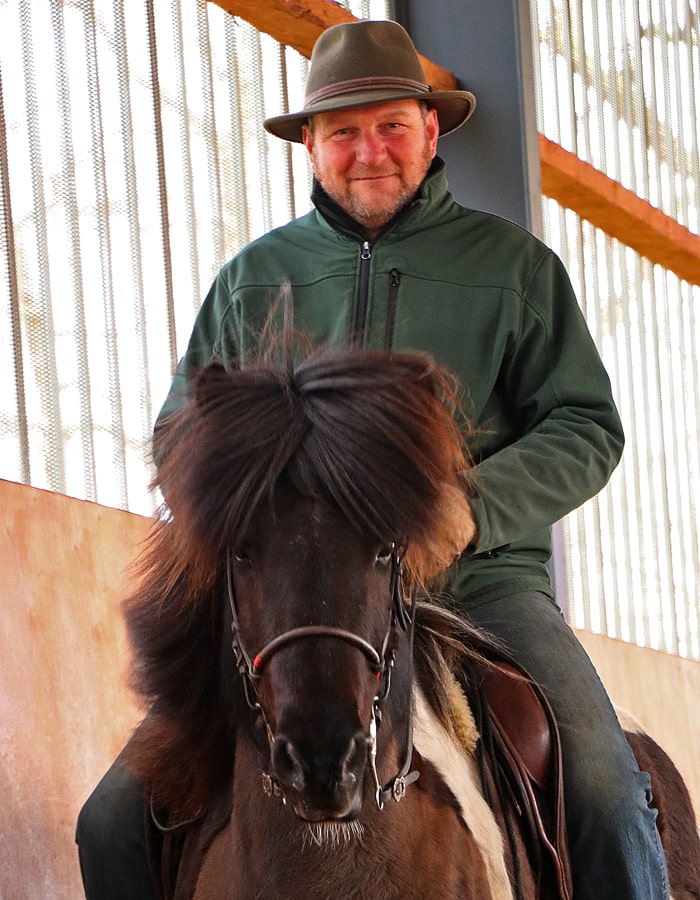
We have interviewed Verne Albright, the great lover of Peruvian Paso horses, who rode from Peru to California and narrated his experiences in The Long Way to Los Gatos, and more recently in his new book Horseback Across Three Americas, which will be published in November 2020.
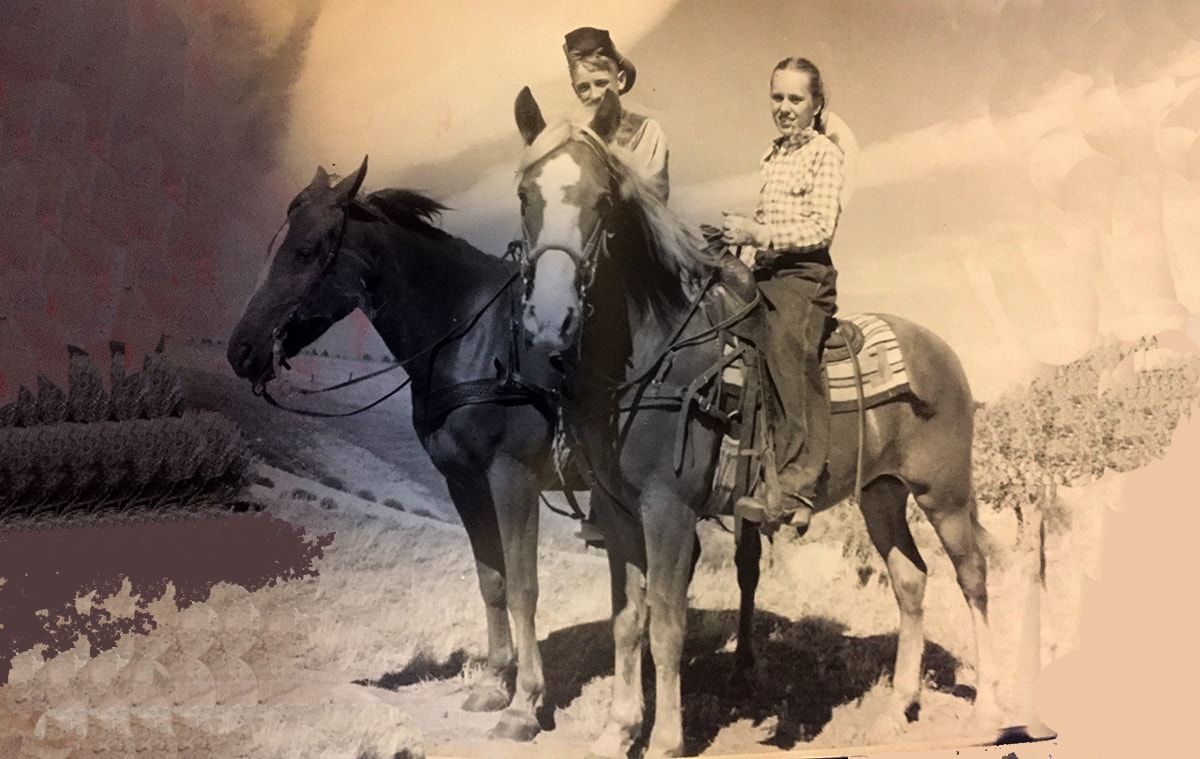
Verne Albright's great love of Peruvian Paso horses led him to the United States to promote the breed. This important promoter of Peruvian Paso horses has been involved with this breed for almost 60 years.
In the 1960s, Verne decided to spread the Peruvian Paso breed in the United States and demonstrate the toughness and qualities of these animals. How did he do it?
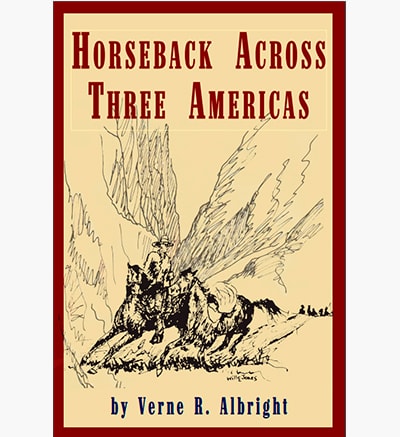
Well, he traveled overland from Peru to California with Peruvian Paso horses, and that's how he gained his most memorable experience with the breed. Then, to promote it, he wrote his book The Long Way to Los Gatos, followed by a new account of that adventure Horseback Across Three Americas, scheduled for publication in November 2020. If you would like to receive a notification when the book is available and a link to read the first 25 pages for FREE, send your email address to [email protected].
To get to know him better, we invite you to read the interview.
Acknowledgement of acceptance of the interview
Dear Verne, before we start with the questions, Ampascachi, as a breeder of Peruvian Paso Horses, would like to thank you for agreeing to this interview and express our gratitude for the contribution you have made to the dissemination of the Peruvian Paso Horse throughout the world and especially in the United States, showing the fundamental qualities of the horse, which are the comfort of its gait and its great stamina to travel thousands of kilometers. This support, at the present time, is very important for the breed and its future.
It is an honor for us to have access to your testimonies, not only of the Peruvian Paso horse, but also of what the adventure of riding long distances means and thus also to spread the tourist activity of traveling on horseback, which is the economic support for the development of breeding, not only of the Peruvian Paso, undoubtedly one of the best breeds for this activity, but also for other horse breeds.
It is a pleasure to share the mission of protecting and promoting the Peruvian Paso horse and the tourist activity of horse riding routes.
Your beginnings with horses
Where does your passion for horses come from?
Thank you for your kind offer to do this interview with me, which is both an honour and a pleasure.
I have had this interest and passion for horses since I was born. When I was little, I had a wild Mustang mare that had been caught in the Nevada desert. The Peruvian Paso horse initially caught my attention for the usual reasons: its naturalness, beauty, bearing, smoothness, manageability, interesting traditions, and above all for the great energy it makes available to its rider.
Verne Albright as “Long Rider”
You made a long journey on horseback from Peru to California with Peruanos de Paso. When did you make this long ride and which countries did you cross?
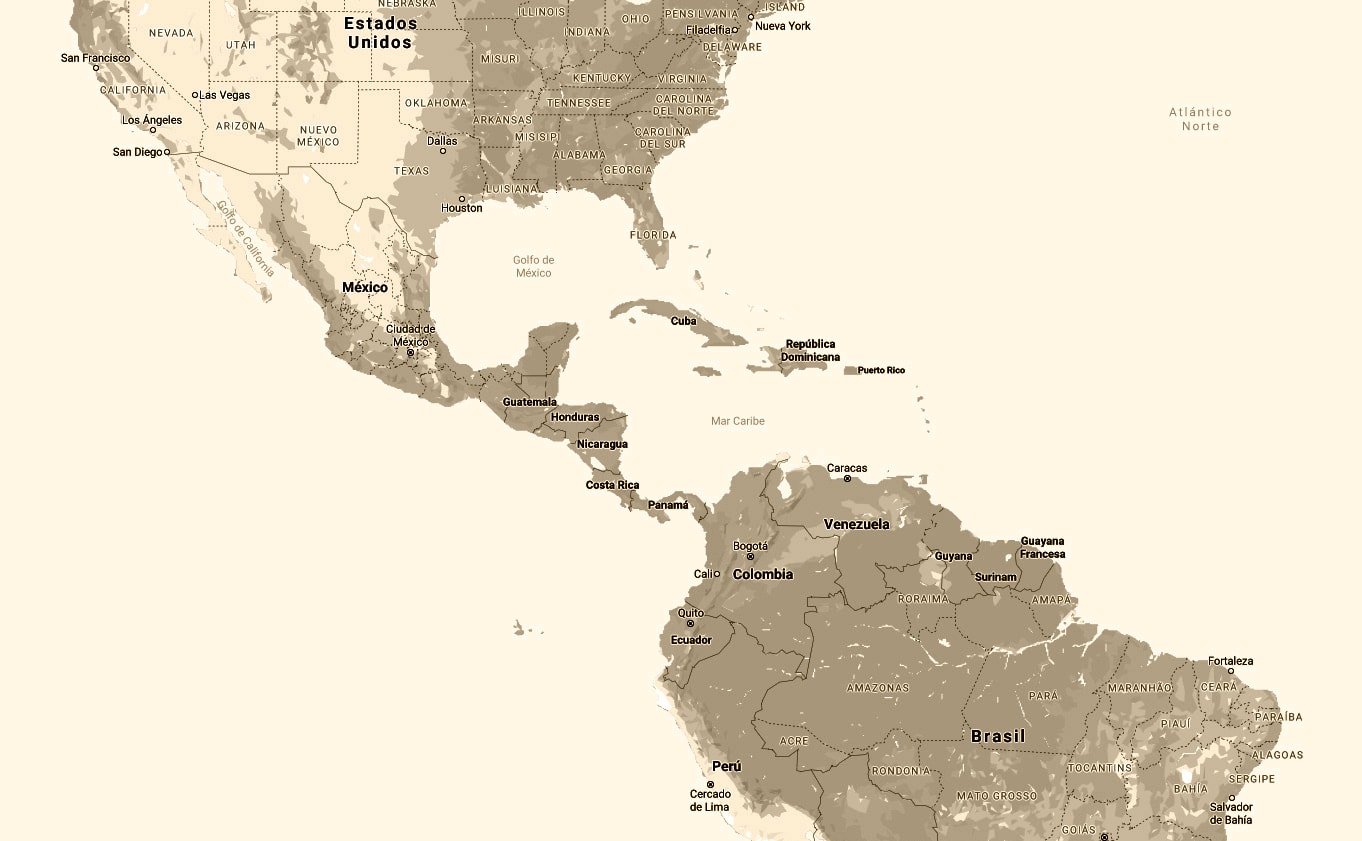
The trip took place between 1966 and 1967, passing through Peru, Ecuador, Panama, Costa Rica, Nicaragua, Honduras, El Salvador, Guatemala, Mexico and California. I had only limited funds ($2,000) and time. Therefore, I had to transport my horses more than half way.
What was the objective of this trip?
I wanted to have a great adventure and draw attention to the breed, which at that time was largely unknown outside of Peru.
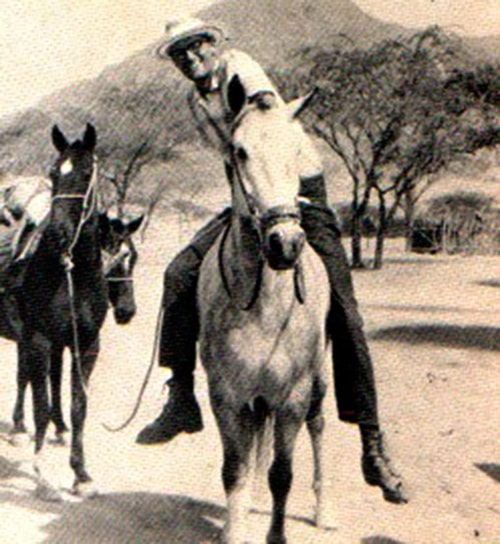
On this long ride, did you experience any historical moments? Which are the most memorable?
I had many more adventures than I expected, and they are all described in detail in my new book Horseback Across Three Americas. Some of the ones that come to mind are:
In Peru: My horses and I encountered vampires and deserts that burned my feet even through the soles of my boots. I was stalked by bandits and awaited by journalists at the entrances to cities. In a village in the desert, my horses shared rooms with convicts.
In Ecuador: The driver of a motor grader tried to run me and the horses over. I walked through areas where malaria, typhoid, cholera and bubonic plague were very real dangers. My horses contracted diseases in their hooves and mouths.
In Panama: Every night in some areas, I had to light fires to keep millions of disease-carrying insects at bay.
In Costa Rica: I crossed the Cerro de la Muerte, a place where other travelers died of freezing to death. There was an outbreak of anthrax near a town where I spent a night. A US deserter from the Vietnam War made a prediction to me, that I would be attracted to a beautiful girl from the capital, San José. And he was right.
In Nicaragua: A few days after a violent revolution, I entered a country where even my greatest hero, Aimé F. Tschiffely, a long-distance rider and probably the most audacious and famous in history, did not dare to enter.
In Honduras: A soldier armed with a machine gun accompanied me from one border to the other, but not to protect me.
In El Salvador: There were signs in bars demanding that customers check their weapons.
In Mexico: I ran out of money and became a fugitive from the law.
On the road, I met witch doctors, two gangs of criminals, a smuggler, a quarrelsome sheriff, a television camera crew and a beautiful American girl called Emily.
What were the biggest challenges along the way?
That's an easy question. The biggest challenge was protecting my horses from the negative effects of constant and radical changes in food, climate, water, bacteria and altitude.
For such a long and wild journey, you must have carried equipment to protect yourself and to cover at least your basic needs and those of your horses. How did you manage to carry all the necessary equipment, accommodation and food?
I carried supplies in a saddlebag, but the hospitality and generosity of the wonderful Latin Americans I met along the way made everything much easier than I had imagined at the beginning.
Did you and the horses have to deal with any illnesses during this route? Which ones and how did you overcome them?
Despite the strict precautions I took, I had some unpleasant bouts of dysentery. The story of my horses' difficulties is well told in Horseback Across Three Americas. I prefer not to reveal the details because that would take away some of the suspense for readers.
I would like to add that I am proud of my previous book about this trip, The Long Way to Los Gatos. It was a best seller and very well received by readers. But in the years since it came out, I have learned a lot about writing and storytelling. Because of this, Horseback Across Three Americas is much more detailed and will give readers a much clearer idea of what the trip was like and how much it influenced my life.
Protector of the Peruvian Paso Horses
Since your trip from Peru to California, what other activities have you been involved in to promote the breed?
I have written hundreds of articles in magazines large and small, and four books dedicated to the breed. I have also conducted dozens of seminars and more than a hundred Peruvian Paso horse competitions. I imported almost two hundred Peruvian Paso horses and collaborated in the production of three documentaries about the breed. I also took writers from almost all the major horse magazines in the United States to the National Competition in Peru, which was later reflected in important articles.
The best thing was having the tireless help of many other enthusiasts who invested their time and incredible talent in the promotion and protection of this great breed.
What future can Peruvian Paso horses have?
I believe the future of the breed is in the hands of two groups. The first are the breeders who preserve the classic characteristics of the breed while working to improve it. The second is the much larger number of people who ride these horses for pleasure and provide a very important market.
Can you think of any other way, apart from official breed competitions, to increase the dissemination and prestige of the breed?
In my experience, what draws a lot of attention is putting groups of horses on parade and doing special exhibitions at large competitions dedicated to other breeds. It is also very effective to hold open days where attendees have the opportunity to ride Peruvian horses.
Verne Albright Publications
Your new book “Horseback Across Three Americas” reflects your experiences on the aforementioned route from Peru to California, but you are also the author of “El Paso Peruano y su clásica equitación” (The Peruvian Paso and its classical horsemanship). What philosophy do you convey in this work?
That the Peruvian breed is a complete product perfected over centuries and deserves the support of the “purists” who want to preserve the entire product. This does not detract from people who may have another point of view but emphasizes the qualities that make the Peruvian Paso an excellent trail horse.
But I fervently hope that there will always be enough purists dedicated to breeding the classic Peruvian Paso with its wonderful blend of characteristics that are so difficult to combine.

Have you had the opportunity to visit Argentina and ride a Peruvian Paso in one of its regions?
In the early 1960s, I took a jeep trip through the Andes of Peru, Bolivia, Argentina and Chile. At that time, I visited some cities and the countryside of your beautiful country and met many lovely Argentines. Unfortunately, I didn't have the opportunity to ride there.
NOTE: If you would like to receive an alert when Horseback Across Three Americas is available and a link to the first 25 pages FREE of charge, please send your email address to [email protected].
**Verne, thank you for sharing your amazing experiences with us and our readers. We appreciate your willingness and the efforts you make with and for the Peruvian Paso horses that are so special to us.
The Ampascachi team shares this passion and is committed to the breed, to protect it and make it known to future generations.**
Comments (0)
No comments yet.


Comments
Leave your comment