
What is there to see on a horse riding holiday in the Traslasierra Valley?
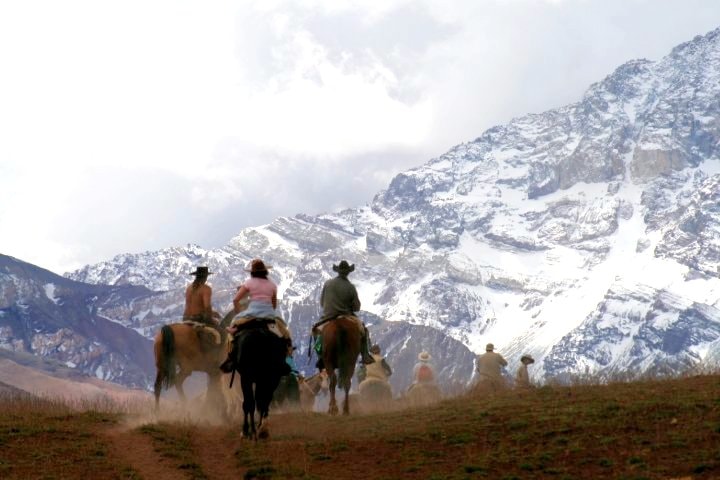
The Traslasierra Valley, in the province of Córdoba, is an ideal place for riders as an equestrian tourism destination.
This paradise in the west of Córdoba will surprise you with its attractions, beautiful nature and the warmth of its people.
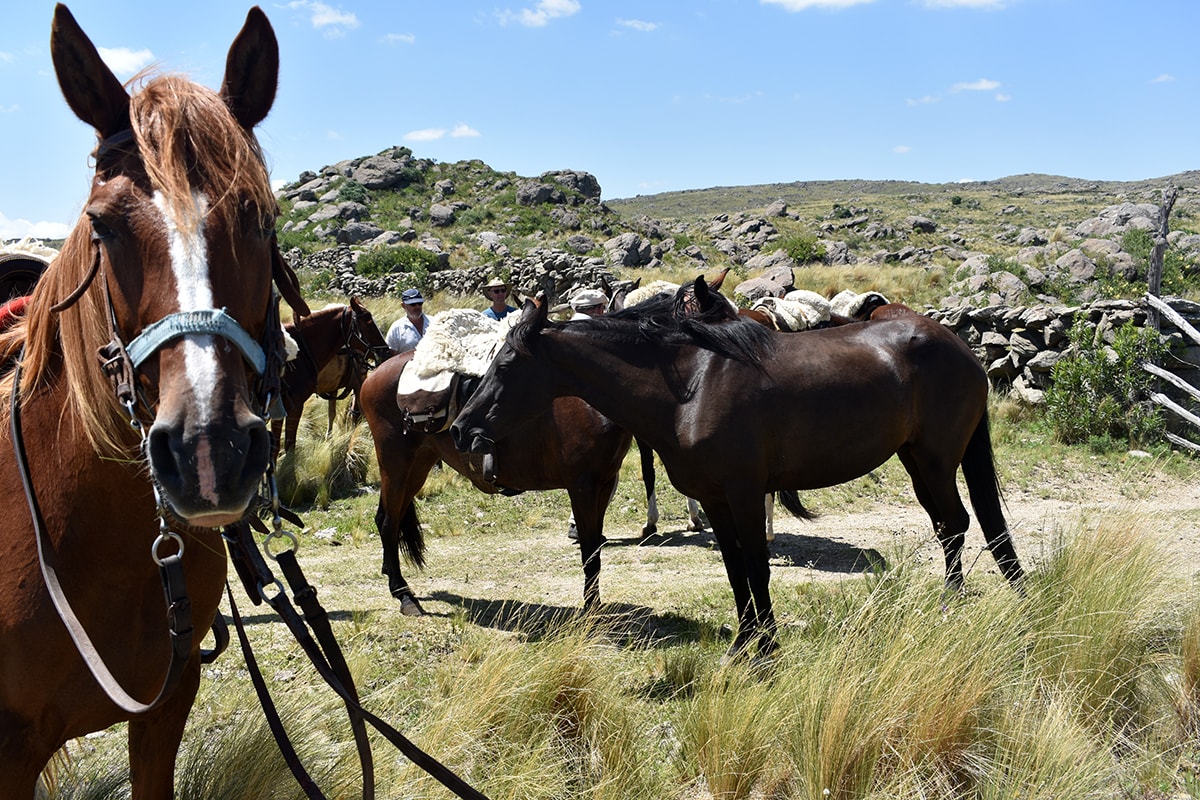
Discover Traslasierra and the Giants on horseback
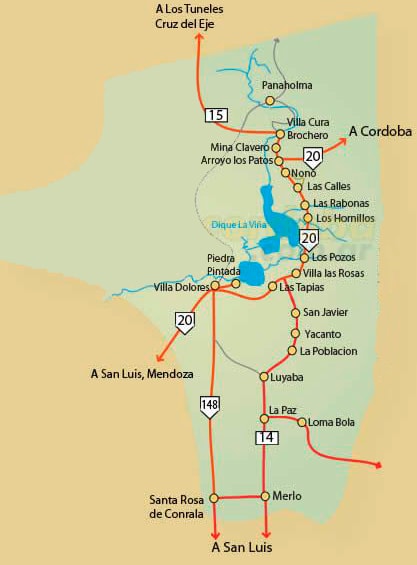
The Traslasierra Valley, originally called the San Javier Valley, is a geographical region in the province of Córdoba, Argentina.
The valley is bordered by the Sierras Grandes to the west and the Sierras Occidentales to the east.
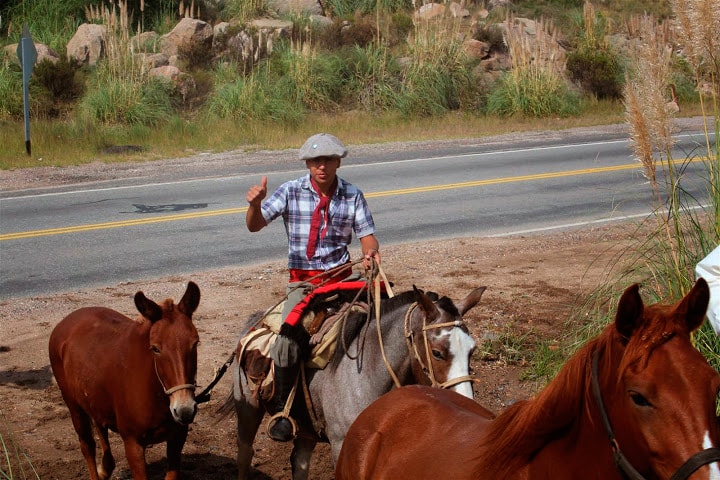
Due to the difficulties of accessing the Traslasierra Valley and its rugged nature, this valley has been more isolated than the rest of the valleys in the Sierras de Córdoba. Therefore, its population density is also lower. Under these circumstances, the Traslasierra Valley has more persistently preserved the gaucho-style Creole culture.
Handicrafts in the Traslasierra Valley
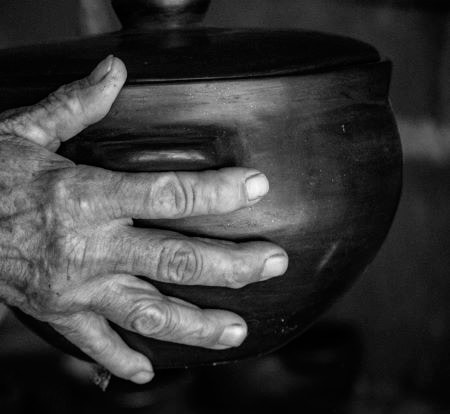
The artists and artisans of Traslasierra create textiles, black ceramics, paintings and sculptures. The products that come from their hands decorate the spaces of the houses with their delicate beauty and preserve the unique identity of the valley.
The traditional black ceramics are famous in the area of the La Viña Dam.
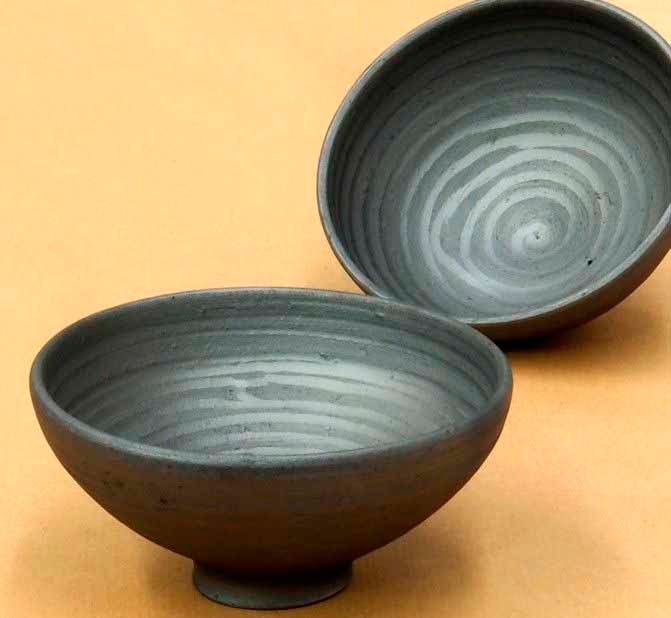
Magical corners of Nono
One of the oldest towns in the Traslasierra Valley is Nono. It is located 150 km from the city of Córdoba, at the confluence of the Sauces and Chico de Nono rivers.
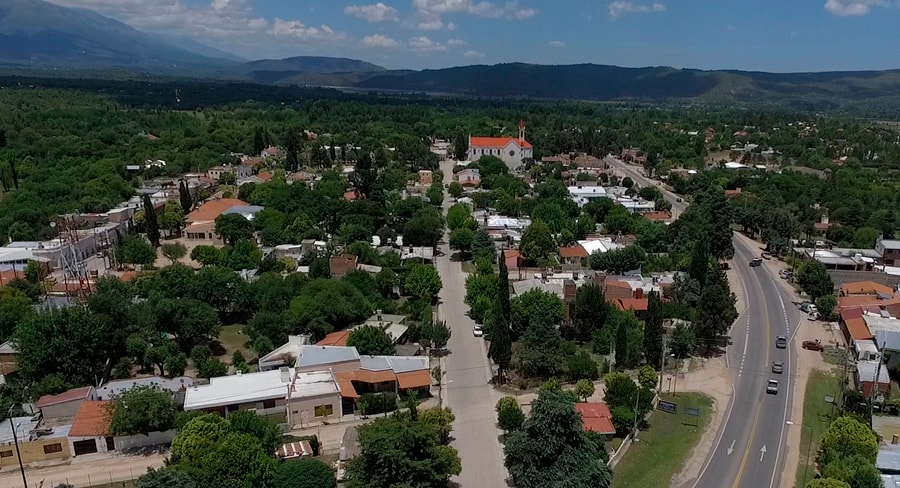
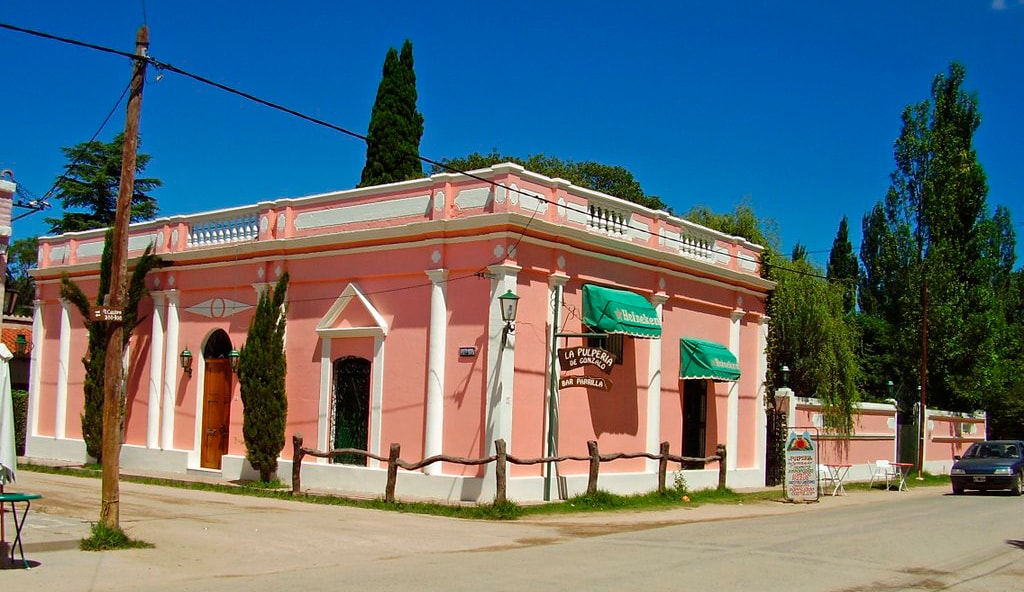
In Nono, you can see old buildings that are very well preserved. The “circuit of historic houses” includes several architectural gems:
- The Domingo Faustino Sarmiento Primary School has a classicist academic style in its structure and belongs to the provincial historical heritage.
- The El Milagro Inn has an internal courtyard and a great view of the Altas Cumbres.
- La Despensa Blanco y Negro has a brick facade with a special color.
- La Vieja Esquina is one of the oldest houses. It was built in the 1880s and both its facade and interior remain almost intact. The entrance steps are made of original carob wood.
- Sub Comisaría maintains its colonial-style facade.
- Hotel La Viña. Today it functions as a hotel, although it was built as a warehouse in the 1920s. It is a meeting point for local people.
- La Pulpería: The building reflects the Tuscan style of Italy. It has a very nice and cleverly decorated patio.
- The residence of the artist Víctor Bustillos Aguilar.
Comments (0)
No comments yet.
You might also like
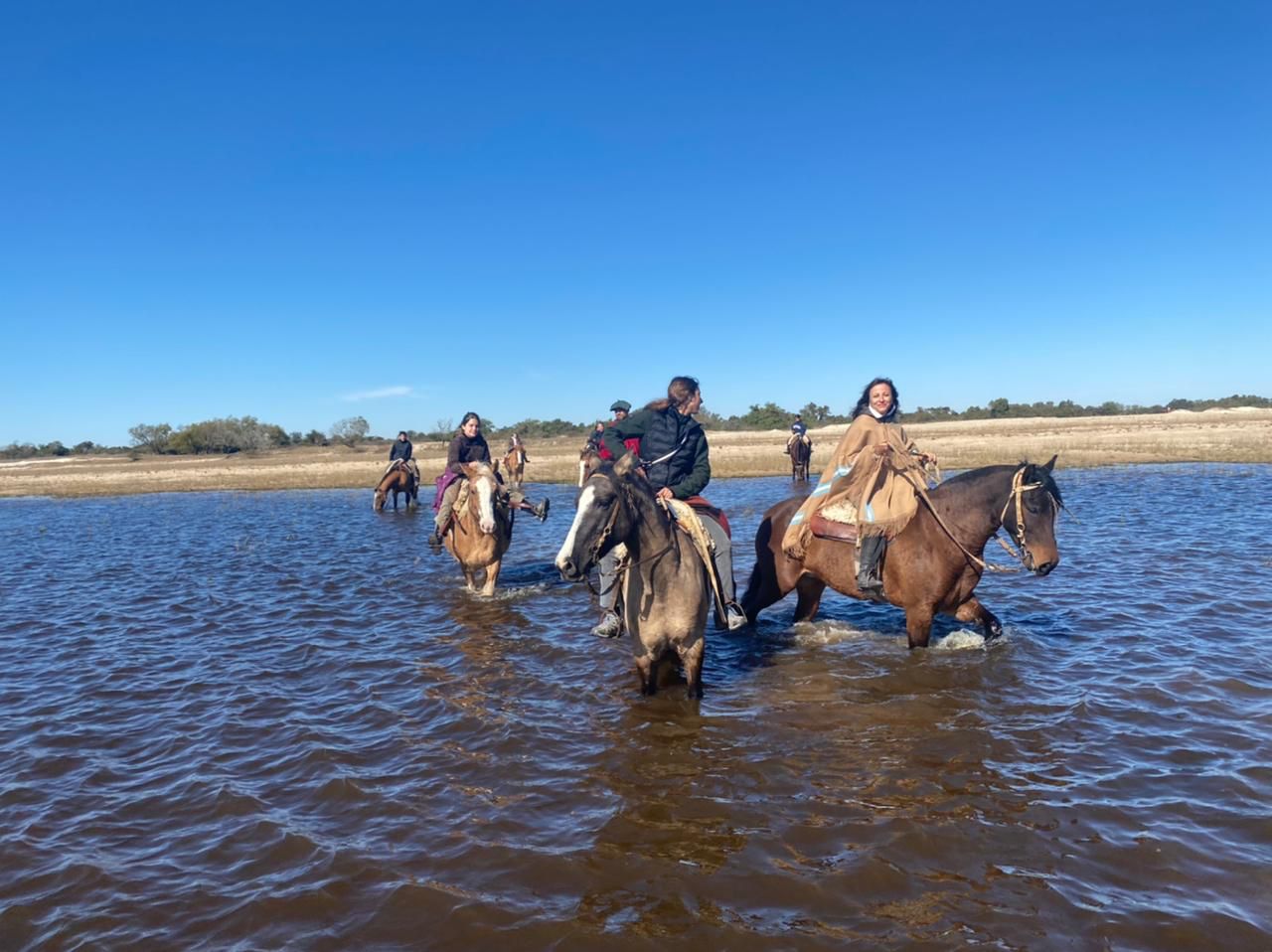
Estancia Buena Vista: Equestrian Tourism in the Northeast of Argentina
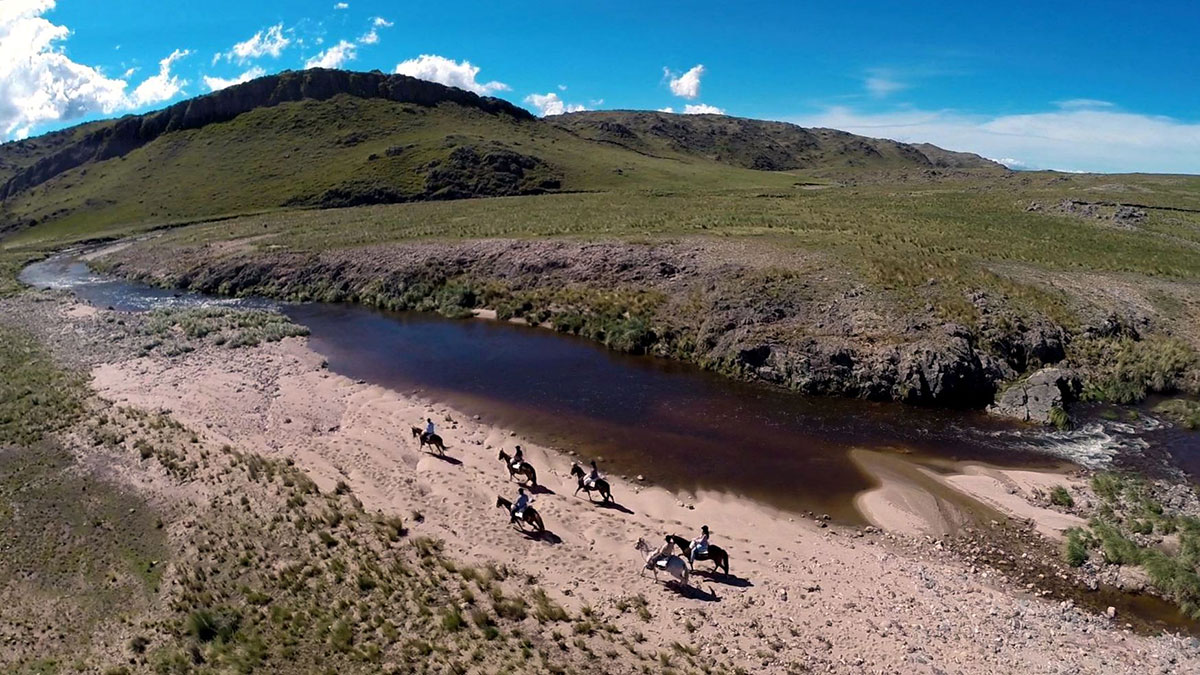
Discover the Jesuit legacy in the province of Córdoba on horseback
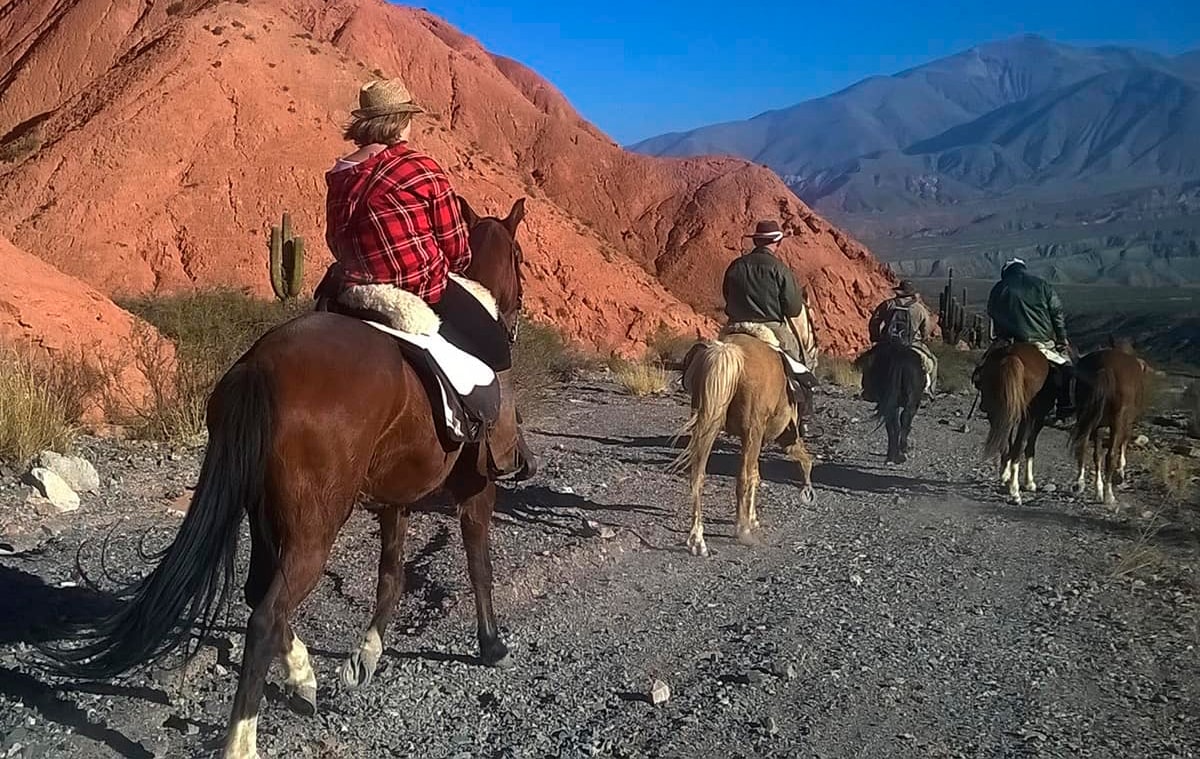
Travel on horseback in the Quebrada de Humahuaca
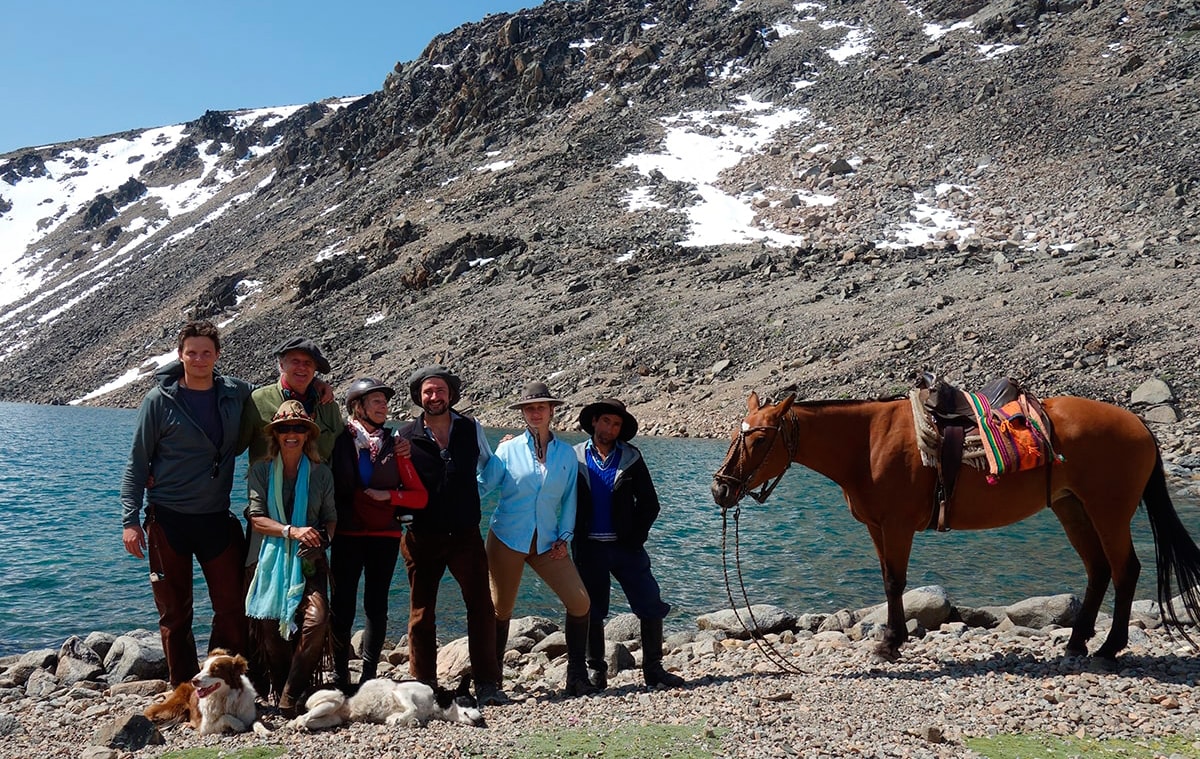
Interview with Andesluna: Horse riding in Patagonia
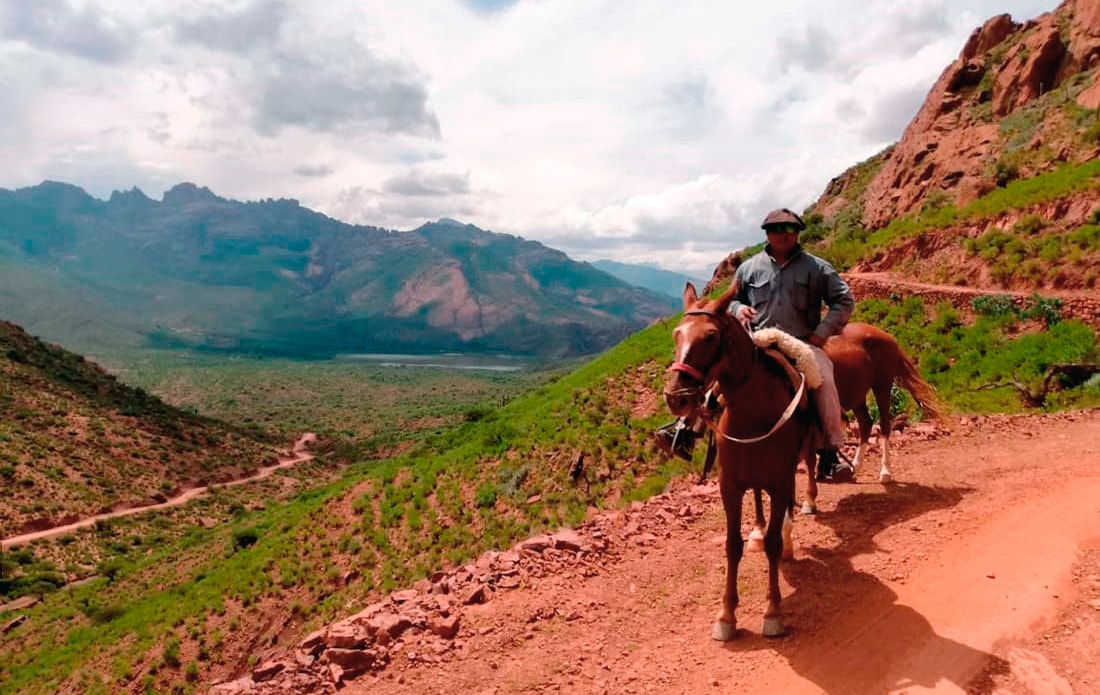
Horse riding in the Calchaquí Valley


Comments
Leave your comment