
Dr. Paul McGreevy: specialist in horse behavior and welfare
In this interview, we will talk to Dr. Paul McGreevy, professor of Animal Behavior and Animal Welfare Sciences.
With more than 23 years of scientific research into horse behavior and welfare in both the UK and Australia, Professor McGreevy has a lot to tell us.
Discover what the Learning Theory is and how it is applied, as well as the passionate world of equine ethology.
If you want to know how science supports the equine sector, this interview is for you!
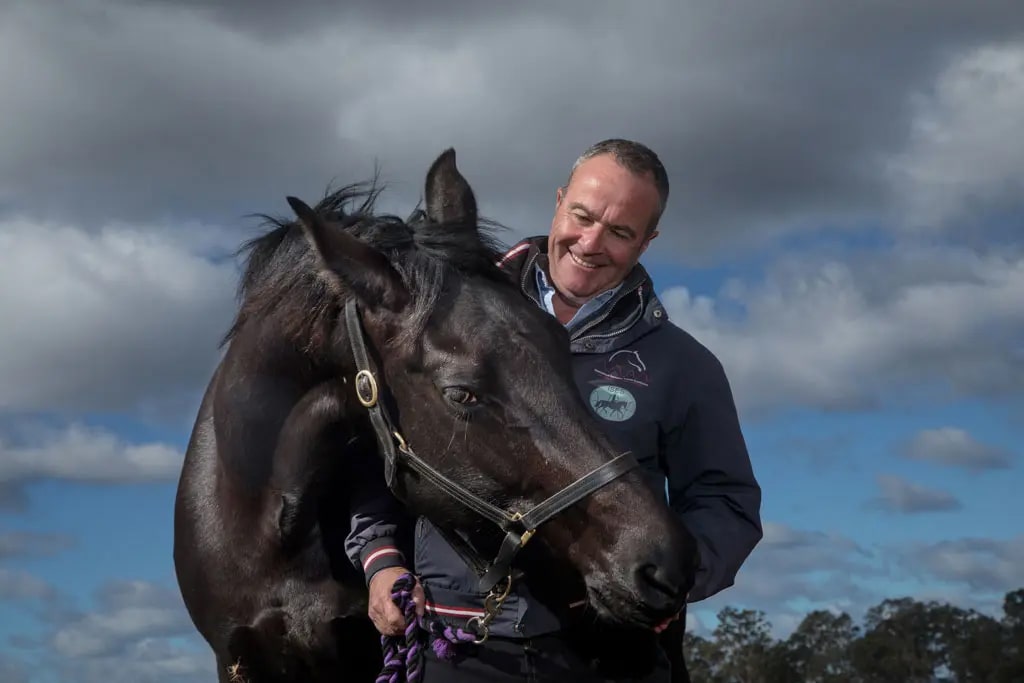
Meet Dr. Paul McGreevy
Professor Paul McGreevy is a riding instructor, veterinarian and ethologist.
He has published more than 150 scientific publications in which he shares the results of his research and the latest innovations in the training of animals, especially horses.
He is co-author of the second edition of Equitation Science. An internationally recognized work, written in collaboration with scientists Andrew McLean, Janne Winther Christensen and Uta König von Borstel. This book integrates learning theory into horse training, focusing on the horse's well-being and natural behavior.
He is a co-founder and honorary member of the International Society for Equitation Science (ISES), an institution that promotes knowledge about equine behavior and training through its educational programs and research.
He is currently a professor at the University of New England, Australia.
An encounter with Paul McGreevy
Professor McGreevy, why did you decide to dedicate yourself to ethology and how did your passion for horses begin?
For a child like me, crazy about horses, being able to carry out cutting-edge studies on equine behavior was an enormous privilege. Getting paid to do what I like best is incredible.
I grew up in the English Midlands. My parents didn't like animals as much as I did. My mother, who took cleaning very seriously, would chase away all the cats she saw in the garden in a slightly obsessive way, saying that “cats suffocate babies”. My father would tell us terrible stories about a relative of his who rescued dogs and tied them to the legs of furniture.
Clearly, my parents were nothing like me.
When I finished school, I started working with a man who sold horses nearby. I was in charge of cleaning the stables, breaking in the horses and I spent all the money I earned on horseshoes. There my sister and I were able to make the most of and channel our love for animals. That's how we began to gain the necessary experience to later become veterinarians.
During vacations and weekends, we rode horses all the time. With pieces of wood, we made obstacles for jumping. We also loved cleaning the saddles and all the equipment, and cutting carrots to feed to the ponies. At night, we would sit on the corral fences to see how our favorite horses interacted with the others or simply grazed. When new horses arrived, we were always there to observe how they chased, threatened or fought each other, and we also enjoyed the speed and strength of the “Equus caballus”.
That's how we spent our days, learning about the behavior and social organization of horses.
I first qualified as a riding instructor and then as a veterinarian. But I realized that neither of these disciplines prepared me to understand why horses behave and learn the way they do.
So, after five years in veterinary practice, I decided to do a doctorate in equine behavior and that is what led me to study ethology. Now I am lucky enough to be able to combine the three disciplines in my work.
What is the subject of study that ethology deals with and how important is this knowledge in the behavior of horses and their interaction with humans?
Pure ethology focuses on the behavior of any animal species in its natural environment. In contrast, applied ethology studies the behavior of animals in domestic or controlled contexts.
Ethologists study those behaviors that are defined in lists or inventories called ethograms. The thorough study of equine ethology provides a constructive framework for debate and scientific research into the fundamental characteristics that good interaction between humans and horses should have.
The equine ethogram reveals how the analogies of social interactions between horses can also occur in various interactions between humans and horses. It allows us to see how some specific interactions between one horse and another correspond to the interaction that exists between the horse and the human being, some of which can be directly beneficial for the horse, while others can be unusual or even abnormal. It also shows us how some behaviors that we impose on horses may seem natural at first glance, but can become inappropriate due to their duration, regularity or context.
When applying any model of horse-to-horse interaction to horse-to-human interactions, we must accept that there will be limitations because there are some things we do with horses that they never do to each other. These limitations are especially evident when we ride horses. Thinking in this way can help us determine whether it is valid to extrapolate intraspecific interactions to an interspecific environment, as some well-known methods of equestrian training indicate, and highlight the subsequent limitations where human beings play the role of the “alpha mare” or leader in the handling and training of horses.
What is the Theory of Learning and what are its main foundations?
The theory of learning is a branch of psychology that explains the way in which animals (including human beings) learn about the world and the other beings that inhabit it.
Learning allows animals to use the information they have about the world to adapt their responses to environmental changes. Training establishes new responses, developing desired innate behaviors and eliminating unwanted ones.
There are two main categories of learning:
- Non-associative: involving a single stimulus, such as habituation and sensitization.
- Associative: involving a relationship between at least two established stimuli. These are known as classical (Pavlovian) conditioning or operant (instrumental) conditioning.
Classical conditioning is based on the associations that are established between stimuli. An example of classical conditioning is when stallions, just by seeing the mating place, exhibit courtship behavior through association.
Operant conditioning focuses on the effect of certain responses. It has to do with the ways in which the animal functions in its environment.
Most training systems use operant conditioning, which is based on reinforcement and punishment. For example, the animal receives an indication (command, trigger, signal or 'help'), produces a response and obtains a reward (primary reinforcer). Primary reinforcers are any type of resource that the animal has evolved with and seeks out instinctively (for example, food, water, comfort, sex, play, freedom, security and company).
Operant conditioning is based on the way in which the animal develops in its environment. It allows the animal to associate events over which it has control. This increases the capacity to control the environment and is the key that makes the difference between operant conditioning and classical conditioning (which increases predictability).
Operant conditioning consists of presenting or omitting a reward or punishment when the animal produces a specific response. The likelihood of an association arising depends on the relationship between the first event and the second through chains of stimulus-response-reinforcement. What works for horses is immediate comfort or immediate relief from discomfort. Operant conditioning can have potential benefits for the horse's welfare by improving the ability to choose.
In classical conditioning, rewards are associated with stimuli, while in operant conditioning they are associated with responses. Riders use classical conditioning when they replace pressure signals with signals that were previously neutral, such as changes in their position (seat). It is important to emphasize that this use of the adjective 'classical' should not be confused with its use when referring to classical horsemanship, as the old masters called it.
In positive reinforcement a primary reinforcer is added. Positive reinforcement alone is not sufficient to achieve safe riding, effective training or the long-term maintenance of extreme postures. As with negative punishment, which serves to reduce the likelihood of a behavior by removing a reward, it is rarely used with horses.
The word negative in 'negative reinforcement' indicates only the elimination of an influence and is not a 'bad' modality “per se”. The elimination of pressure is the prize (reinforcer). Trained horses know how to associate negatively reinforced responses with subtle tactile signals (for example, minimal tension on the rein). Therefore, after the first phase of training (initial breaking in), operant conditioning and classical conditioning are combined in equestrian training.
Little is known about the use of negative reinforcement in horses because, among other things, the data derived from the species that are normally used (mainly rats) in research carried out in the field of psychology are of little use for horse riding (because you can't ride a rat).
Horse riding itself is based on negative reinforcement but, at best, it is very subtle and requires the immediate release of pressure as a form of instant reward. Failure to release this pressure can cause conflict and have behavioral and physiological consequences that can shorten the horse's lifespan.
How do each of these two disciplines (Learning Theory and Ethology) intervene in what is known as the “Science of Horsemanship”?
From a more human perspective, horse riding is based on subtle interactions between horses and humans. We have a great deal of influence on the behavior of our horses, whether it be in lunging or saddling, through the stimuli of our hands on the reins and our legs on the sides of the horse, and more subtly, with our weight and the movement we make on the seat.
Equine ethology shows us how one horse can influence another. Through the theory of learning we can understand how subtle these natural influences are and how we humans can apply them.
Once we accept that we cannot ride a horse without applying some pressure (even with the weight of our own body) and that pressure imposed from the outside often produces a certain aversion, then we can accept the need to identify cases of negative reinforcement.
Is there a substantial difference between so-called traditional training and the training that emerges from learning theory and ethology? Traditional training has been tarnished by the use of anthropomorphic terminology to describe equine behavior and by the false idea that the horse is to blame for poor training, as well as by the use of unhelpful terms such as “natural aids” and “unnatural”.
Furthermore, in the current doctrine of equine training there are many obstacles that make the learning of the horse less effective, such as when too many responses are trained simultaneously, causing one signal to cancel out the other (Lieberman, 1990).
To further complicate the training process, there is a traditionalist theory that riding is an art in which science should not interfere, which generates great confusion around the terminology used in the training of horses and riders.
The ideal equestrian technique should combine art and science, but those who study horsemanship find that there are very few measurable variables, such as tempo or rhythm, and many others that are more conceptual, such as harmony, ease, respect and leadership. This unbalanced mixture, added to the lack of empirical means to measure and of suitable terms, partly explains the confusion and conflict that often arises between human and horse.
To ride a horse effectively it is necessary to apply negative reinforcement correctly and then know how to transfer control of the stimuli to the different aids that were obtained with classical conditioning (such as those carried out through the seat).
As we come to accept the importance of technology in the science of horsemanship, we will be able to glimpse a better future for this activity. The emergence of reins with sensors (through which we can see how we use our hands to apply pressure to the horse's head) is a clear example of how we can combine the art of good training with the science of ethical horsemanship.
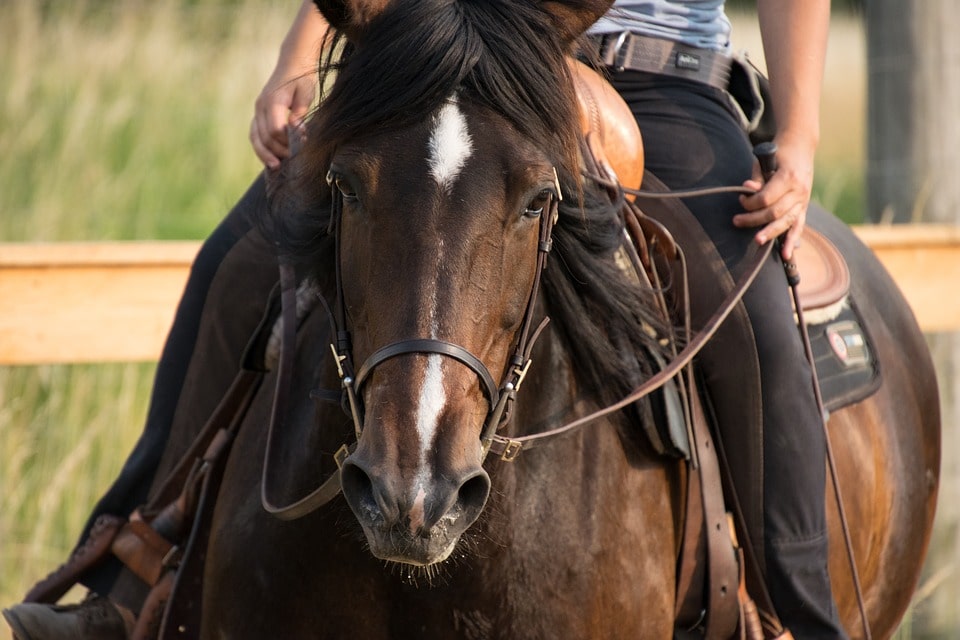
Could you tell us what the main objectives of the ISES, of which you are a founding member, are?
The ISES (International Society for Equitation Science) brings together trainers, scientists and veterinarians with the aim of promoting and encouraging the application of objective research and thus enabling the practice of equestrianism to advance, ultimately helping to improve the welfare of horses in their interactions with humans.
The science of horsemanship has the power to address three important issues:
-Firstly, it helps to elucidate the role that negative reinforcement and habituation play in the learning processes that occur in horses that are used for riding and competition.
- Secondly, it addresses the need to be able to measure those human interventions that may compromise the welfare of horses, which will help equestrian sports organizations determine which practices and interventions are acceptable from a welfare point of view. Currently, some trainers frequently use certain devices such as whips and spurs. In fact, at elite levels, spurs and double bridles (which exert a more severe action than single bridles) are compulsory. If the use of these different devices is properly implemented and the pain involved in their use can be properly assessed, it will then be possible to define the most appropriate and humane use of these devices.
Thirdly, and perhaps most importantly, through the science of horsemanship, those who are already riders and those who aspire to be riders learn to apply the basic principles of learning theory properly.
Thanks to the science of horsemanship, we will be able to ride more safely and reduce the number of problems related to bad behavior.
It will also reduce the level of confusion among riders and, therefore, the conflict that arises in horses. In addition, it will provide us with a solid foundation for further progress in training practices and equipment design.
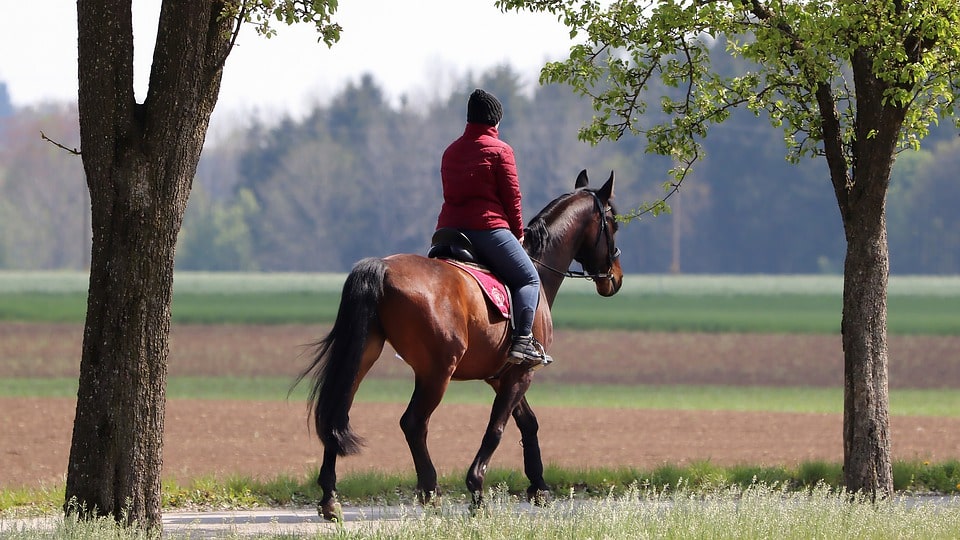
The behavior and welfare of horses
What are the most significant advances that have been achieved with scientific research into the behavior of horses and their welfare?
It is very difficult to list them, but in the 30 years that I have been studying equine ethology and the science of horsemanship, the most outstanding achievements of scientific research in relation to the behavior and welfare of horses refer to:
- Equine stereotypes (the so-called vices) that arise from the conditions in which horses are handled.
- The biomechanics and physics of horse riding.
- Why the use of the whip on tired horses is not as effective as we thought.
- Why training results depend on three factors: activation, affective state (mood) and attachment (the bonds we establish with the horse and the horse establishes with us).
- How we mask discomfort in horses and increase the risk of injury to the rider.
- How ulcers arise from the conditions in which horses are handled.
- How we can carry out equestrian training in an ethical and sustainable way.
One of the permanent obstacles we face when trying to provide effective training is the riders' poor understanding of learning theory. If novice riders could use the principles of operant conditioning to avoid giving contradictory signals as they learn to balance, many of the horses in riding schools would notice the benefits immediately.
What we have learned through the study of human behavior should ensure that, from the outset, the science of horsemanship can develop in the best possible way.
The central point to remember is that the science of horsemanship measures only the measurable parameters. Furthermore, the intense and unquestionable relationship we have with our horses is essential to complementing our understanding of the effective approaches we use in training and will never be threatened by scientific findings.
Far from treating the horse as an object, the science of horsemanship allows us to determine which training techniques are effective, irrelevant or abusive.

Are people involved in the equestrian world aware of this knowledge and have they incorporated it to a significant degree into their daily practices?
Every time we train or deal with horses we are using methods that have been explained by the science of horsemanship. Perhaps the most experienced trainers and riders are already using optimal methods without knowing why they do it and how they work.
The science of horsemanship makes good practices as accessible as possible and does not trust methodologies sponsored by a particular brand. It also allows us to rule out any bias that may be used to make some training systems more appealing than others.
How does the interaction of humans with horses alter the natural behavior and welfare of the horses?
From the moment we limit a horse's food, social life or freedom, we are already altering it. Therefore, we cannot ride a horse without affecting its natural behavior and welfare.
What are the most important indicators and requirements that we should take into account to improve the welfare of horses?
Many scientists and trainers now use the Five Domains framework to study horse welfare. An example of this approach can be viewed and downloaded at this link.
What reforms should be carried out in the equestrian sector to improve horse welfare?
What the science of horsemanship does is provide solutions, not just criticisms. In the case of the ISES, it developed a device that is placed on the noseband and allows us to take measurements. This is yet another example of how we can continue to make progress, based on evidence, to guarantee the welfare of horses.
We have also promoted the use of reins with sensors in equestrian sports, starting with dressage. The ISES Code of Ethics is another good example of how this organization creates tools for a sustainable future for horse riding.
Do you think there is a tendency to assign to horses some behavioral traits that are characteristic of human behavior?
Absolutely. We can see a clear example of this in our 2019 work on the prejudices that some people have when working with mares.
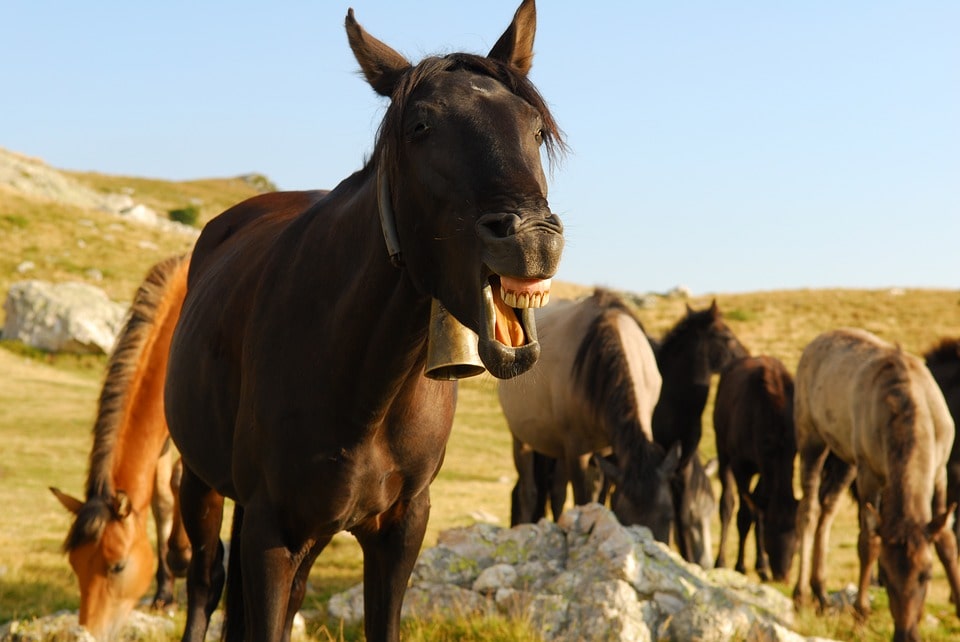
From the perspective of training horses through operant conditioning with positive or negative reinforcement, there seems to be a difference of opinion as to which would be more humane and effective to apply. What would be most advisable for the training of horses, especially when ridden?
Each has its place. In my case, when I train and ride my own horses I combine the use of positive reinforcement (PR) and negative reinforcement (NR). Each has its advantages (PR is very good for rewarding changes of gait and stops) and disadvantages (NR can be excessive and, therefore, abusive), but the correct use of both depends entirely on the basic principles of good training: a lot of consistency and good timing.
With PR, you can make smaller and less serious mistakes. But it is practically impossible to train a horse using only PR because to do that we would have to ride it without touching it, which is not feasible.
As I mentioned before, it is impossible to ride a horse without applying some pressure (even with the weight of our own body). Pressure imposed from the outside often causes aversion. So we must accept the undeniable role of negative reinforcement and the need to use pressure as carefully as possible.
What does current scientific research teach us about assessing horses' ability to learn through negative reinforcement, and what research is still needed in this area?
Scientific research has taught us the importance of good timing, consistency in giving gentle signals (which precede stronger signals) and the elimination of excessive and unnecessary pressure.
We should look more closely at the use of reins with sensors and legs as a method of pressure. In this way, we will better understand how we can provide gradual reinforcement and even get more out of rewards or prizes.
The technology used to measure tension and pressure could also be used to measure the characteristics of effective training, not just the effectiveness of the aids we give the horse. It could even provide us with objective information and be useful for testing new technologies aimed at those riders who are geographically isolated.
In the case of Australia, for example, which is geographically distant from Europe, competition riders in that country cannot access higher levels of training as easily. With new technologies that allow for measurement and evaluation, elite riders will be able to connect with trainers in other parts of the world and receive their responses in real time.
Our greatest responsibility is to never forget that the horse's welfare comes first: riding a horse is a privilege and we should be grateful that this possibility exists.
Therefore, every trainer must be able to accept the possible limitations of equine learning and the confusion that different training methods can create. This is very important, especially when we compare the wide range of responses that are asked of the trained horse and the limited number of places on the animal's body where these responses can be elicited.
Given that we are dealing with an animal that, at least until now, seems incapable of drawing its own conclusions, we must always be aware of the potentially confusing effects that we can cause when we apply pressure signals to one part of its body, or superimpose it with another, with the aim of obtaining different responses.
The latest research carried out in other countries has yielded similar results, reinforcing the idea that many behavioral problems are the result of our unclear interactions and the impossible expectations that human beings place on horses.
Therefore, what is needed is a re-evaluation and restructuring of current equestrian training, within the framework of established and empirically proven learning principles. And that is the goal of the Science of Horsemanship.
What are the most common behavioral problems in horses and why do they occur?
The most common behavioral problems in horses are manifestations of pain and/or confusion. They occur because we tend to overlook pain and we assume that horses misbehave for no reason.
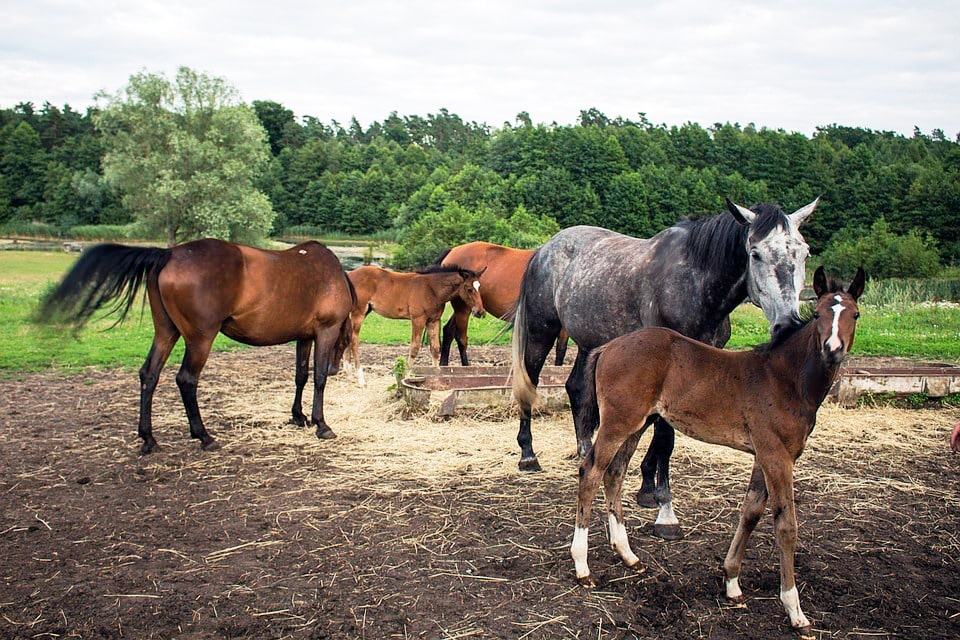
What does laterality mean in horses and how important is it in equine training?
Scientists in the equestrian field are becoming increasingly interested in the subject of laterality as the impact of the dominance of one of the cerebral hemispheres and the consequent motor preferences is better understood.
In humans, the right cerebral hemisphere is associated with emotional responses, including those with negative effects (nervousness, distress, fear or hostility), while in rodents, left-side dominance when moving or turning is associated with more acute physiological responses to stress, indicating that right-brain dominance and cortical activation speed are correlated in these animals.
The cortical activation responses in horses are important because they allow us to discover the type of work that best suits each individual. For example, in many equestrian disciplines low reactivity is required (for example, horse riding where calm animals are needed), while in others, such as horse racing, this aspect is less important.
Given the relationship between laterality and emotionality, as we have already said, it is possible that breeders have unintentionally influenced the lateralization of breeds while making the various selections to control flight responses
Horses graze from a stationary position, moving their head and neck in an arc limited, on one side, by the presence of the forward-projecting forelimb. After each step, the grazing action follows an arc medial to the forward limb. There is no evidence that the position of the head or neck indicates that the horse prefers one eye or the other to keep watch. Although the front legs are alternated when the horse grazes, the time that some spend with the left leg forward is generally longer than with the right. This demonstrates a significant directional bias towards grazing with the left front leg in front of the right. If the fact of advancing a forelimb during grazing reflects greater mobility on that side of the midline, then it is possible that the brains of animals that prefer the left side are dominated by the right hemisphere.
However, there are those who hold the opposite view and say that the non-front limb is the most important for survival because it bears more weight, reflects greater agility on the side that bears the weight of the animal and it could be said that it is better positioned to launch the animal towards flight and to make a turn to the left which is more dominant (due to the abduction of the right front leg in the static stance phase). However, contrary to what is expected, there does not seem to be a clear relationship between the front leg put forward during grazing and laterality during mounted work.
In fact, the different measurements made of laterality (such as the front leg that the horse prefers when grazing or when feeding from a bucket, the eye it prefers to inspect new objects, the lateral displacement of the hindquarters in relation to the median plane and the patterns of tension of the reins when riding) indicate that the relationship between them is limited or non-existent.
The only known measure of laterality taken in unridden horses that could give us some clue about laterality during riding is the displacement of the hindquarters with respect to the midline.
Do horses create any hierarchy within the herd? Do they need a leader in the group?
What a great question! And what a controversial topic! I recommend that readers read what the ISES has to say about hierarchy. I myself contributed to the making of that document. Here is the link.
Could you list 6 or 7 principles of correct training to take into account in order to achieve better learning in the horse?
Of course. In fact, we have produced a document explaining the 10 principles of ethical training, which you can read.
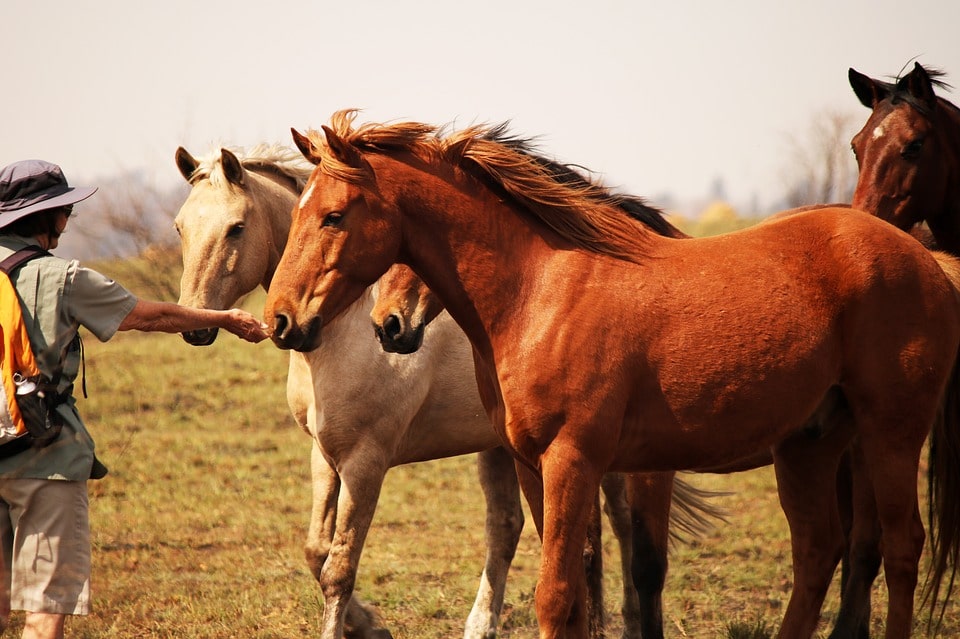
Collaboration of scientists and horse owners
There is the E-BARQ project for equine research based on the experiences and observations of horse owners, who are not scientists. How does this system work and what results are expected from it?
The Equine Behavior Assessment and Research Questionnaire (E-BARQ) is a scientific project that allows all horse owners, regardless of the breed, discipline, age or experience of their horse, to access an online form with which they can generate reports.
The questionnaire can be found at https://www.e-barq.org. It takes between 20 and 30 minutes to complete. Once the questions have been answered, the owner receives a report describing the horse's behavior in 13 different categories, including learning ability, ease of riding, boldness, autonomy, docility and confidence.
Studies based on E-BARQ have recently been published that show how horses age, how their behavior on the lead rein can anticipate dangerous behavior once saddled, how the number of riders that ride them can compromise their training and even how male riders and grooms can influence their behavior.
The report on each horse is presented in a “Share and Compare” graph and with this tool we can make an evaluation of the behavior and training of our horse.
Firstly, this graph allows us to compare our horse's behavior with that of thousands of other horses registered on E-BARQ. Best of all, because it is a continuous evaluation system, we can update our report every six months. This allows us to visualize each new set of scores, making it easy to see where the horse is performing well and where it may need help.
We know that the behavior of horses affects their welfare. Horses with behavioral problems or dangerous behavior could compromise their welfare. Even treatments carried out to correct some common behavioral problems in domestic horses can directly compromise their welfare. Such behaviors may indicate the presence of pain, confusion or conflict.
On the other hand, among the positive attributes of a horse are two important behavioral traits: boldness and autonomy, which affect the fear, confidence and sociability of horses when they interact with their environment, objects, their peers and humans. A shy and socially dependent horse is generally more difficult to handle and train than a bold and autonomous one.
Previous studies have shown that, based on certain basic character traits, it is possible to predict how a horse will behave, but little research has been done on how the age of the horse and the age at which it began to be trained affect its behavior. Taking 1940 E-BARQ responses as a reference, our team analyzed the behavioral importance of boldness and autonomy in horses, and the relationship between these and the age of the animal.
The results were revealing with regard to the relationship between a horse's age and its boldness and autonomy. As expected, older horses were bolder than younger ones. However, horses that began to be broken at an older age were less bold and autonomous than those that began at a younger age. In addition, some specific breeds also showed significant differences with respect to their boldness and autonomy, and the same was true for the primary equestrian disciplines.
If we understand the impact that the age of the horse has on its behavioral traits, we will have a better chance of finding the right horse for each rider and potentially optimizing welfare as well.
The article on this research can be downloaded for free .
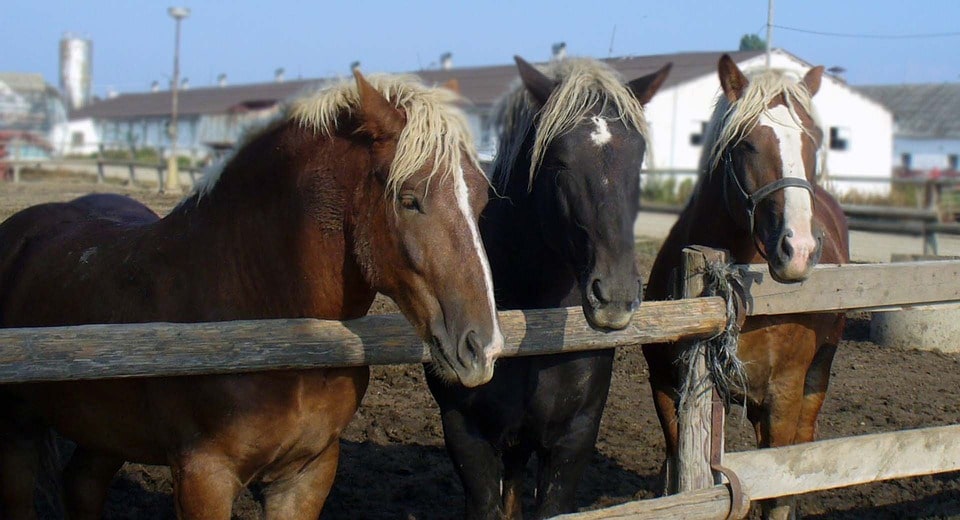
*What other research has been carried out in this project?
- It is common for horses to exhibit dangerous behaviors when being ridden: they want to run away, stand on two legs or buck.
This can indicate various aspects of the immediate experience, history and health of the horses. It can also have serious consequences for our safety and the welfare of the animal because we do not normally understand the horse's misbehavior and we try to correct it with inappropriate methods.
To address the issue, our objective with this study was to identify any behavior during lunging associated with those dangerous behaviors that occur during riding, based on 1584 responses from E-BARQ.
- First, the decrease in cases of horses trying to run away is linked to the decrease in problems when loading horses onto the trailer, the increase in social trust with other horses and other animals, the improvement in leadership behavior and the increase in tolerance for limitations. Secondly, the decrease in the number of horses trying to stand on two legs is linked to the decrease in problems getting on the trailer, the increase in social confidence with other animals and the increase in tolerance to limitations.
- Finally, the decrease in the number of horses attempting to buck can be associated with a decrease in problems when loading the trailer and an increase in social confidence with horses and other animals, an improvement in leadership behavior, an increase in tolerance to limitations and an increase in tolerance to head manipulation (when the bridle or halter is put on).
These findings could help riders and trainers predict dangerous behavior before it fully manifests itself, thus avoiding the excessive use of force when training problem horses and, therefore, improving the safety and welfare of both horses and riders.
Download the research article for free.
- To obtain good results with equestrian training, riders must give clear and uniform signals.
When the aids are contradictory, the horse can become confused, frustrated or unresponsive. Of course, each rider or horse trainer differs, to a greater or lesser extent, in the way they give training aids because each person varies in weight, height, riding style, way of moving their hands, experience and ability.
Through this study, the relationship between the number of people who ride or handle a horse and the horse's response to training aids was investigated. To this end, the cases of 1819 horses listed in E-BARQ were analyzed. It was shown that the number of riders or handlers to which a horse is exposed is directly related to two behavioral indices.
Specifically, as the number of people riding or handling the horse increased, it became more difficult to accelerate and less difficult to decelerate than a horse with fewer riders or handlers. This indicates that if the number of people riding or handling the horse increases, the animal will respond relatively less to the legs and the whip than to the signals of the reins.
The research can be accessed and the article downloaded.
- If there is a direct relationship between the sex of the person interacting with the horse and the behavior of the animal, it is rather anecdotal.
This relationship between the sex of the person and equine behavior could affect their welfare if, for example, we have the case of a “difficult” mare. In our work, we have studied the behavior of ridden and unridden horses, based on the responses of 1420 respondents to the E-BARQ.
The results reveal that, among horses handled and ridden by men and women, there are some differences with respect to the sex of the people. Horses ridden or handled by men were generally more difficult to catch and more defensive when someone approached, but they were less likely to pull on the reins or move their heads. These results are fascinating and will lead to further research in this direction. This confirms that it is important to take into account the sex of the rider or handler when investigating equine behavior.
The research article can be downloaded here.
Conclusions on the E-BARQ project
As the number of horses analyzed in E-BARQ increases and with online translations into French, Spanish and Chinese, the project database will provide us with an ever-increasing amount of knowledge about the welfare of horses and the safety of the people who ride and care for them.
The whole E-BARQ team hopes that more and more owners and riders will be able to collaborate with this project. Make sure you register your horse by visiting the E-BARQ website.
In addition, Facebook users have access to all the latest research on equine behavior on the E-BARQ Facebook page.
Books by Paul McGreevy
What are his main published books related to horses and what is the focus of each of them?

 - Equitation Science (2018)
Written with Janne Winther Christensen, Uta König von Borstel and Andrew McLean, Wiley-Blackwell, Oxon. [Second edition]. ISBN-978-1-11924141-6.
This book deals with ethology, learning theory and biomechanics, and explains how important it is to understand how these three disciplines can be combined to help us achieve optimal and ethical riding.
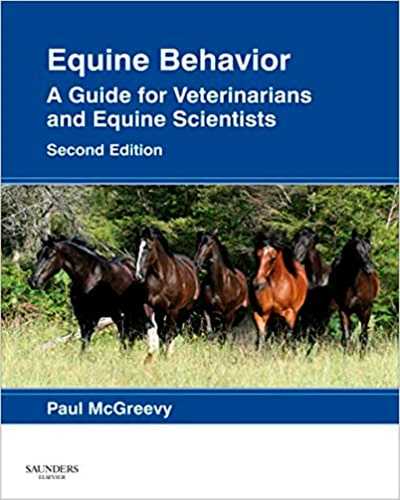
- Equine Behavior - A guide for veterinarians and equine scientists (2012)
W.B. Saunders, London. [Second Edition]. ISBN-978-070204337-6.
This book talks about ethology and how we influence it.
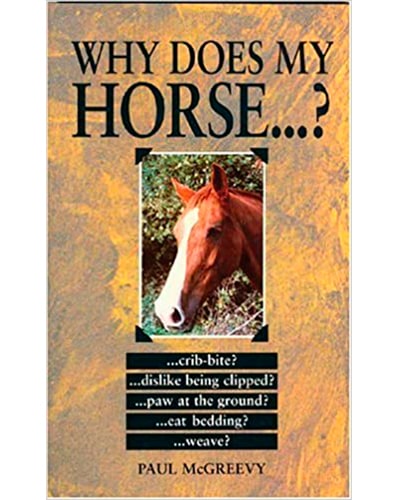
- Why does my horse...? (1996)
Souvenir Press, London. [Now available as a paperback - Also available in Swedish and Italian]. ISBN 0-285-63562-X.
An owner's guide to solving equine behavior problems, this book focuses on applied equine ethology and problem solving for beginners.
- Equitation Science (2018)
Written with Janne Winther Christensen, Uta König von Borstel and Andrew McLean, Wiley-Blackwell, Oxon. [Second edition]. ISBN-978-1-11924141-6.
This book deals with ethology, learning theory and biomechanics, and explains how important it is to understand how these three disciplines can be combined to help us achieve optimal and ethical riding.
- Equine Behavior - A guide for veterinarians and equine scientists (2012)
W.B. Saunders, London. [Second Edition]. ISBN-978-070204337-6.
This book talks about ethology and how we influence it.
- Why does my horse...? (1996)
Souvenir Press, London. [Now available as a paperback - Also available in Swedish and Italian]. ISBN 0-285-63562-X.
An owner's guide to solving equine behavior problems, this book focuses on applied equine ethology and problem solving for beginners.
Equestrian tourism
Have you ever taken a trip on horseback? Can you tell us where and how you experienced it?
I have done many horseback rides in the UK and Australia, including an 8-week horseback trip from Victoria to New South Wales. I have done horseback tours in other countries such as Chile, Iceland and South Africa and have learned a lot about the beer, the terrain, the geography, the wildlife and the equestrian culture of each region.
Would you like to get to know Argentina riding a Peruvian Paso?
Of course! I'd love to!
Thanks to Professor McGreevy
Many thanks to Professor McGreevy for this interview. We are very grateful to him for sharing his wisdom and for taking the time to answer our questions with clarity and depth at a professional level.
By understanding equine behaviour, we can improve the lives of horses and their relationship with humans.
We hope you enjoyed the interview and that its content helps you to better understand your horse.
We encourage you to collaborate in this research and share your experiences so that we can all learn more about horses and improve their welfare.
Continúa leyendo
Este artículo es exclusivo para miembros.
To view this blog, please complete the form
Access full content
Comments (0)
No comments yet.


Comments
Leave your comment