
Dr. Uta König von Borstel: Equine science applied to the welfare and breeding of horses
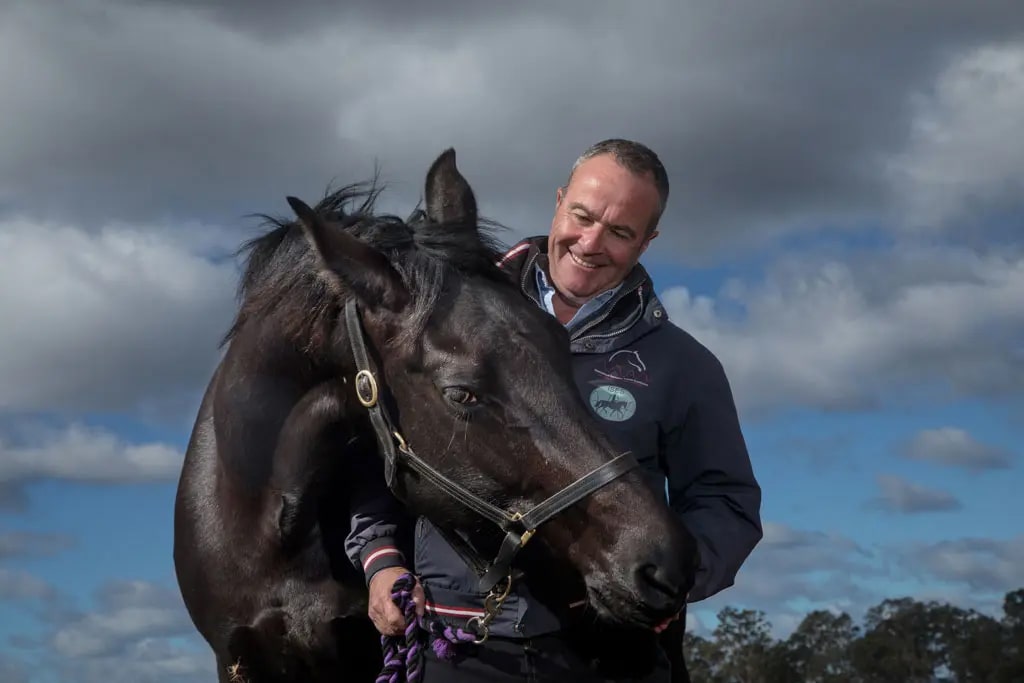
Today we interview Dr. Uta König von Borstel, who will help us to better understand the behavior of horses, as well as the most appropriate training methods for the welfare of the horse.
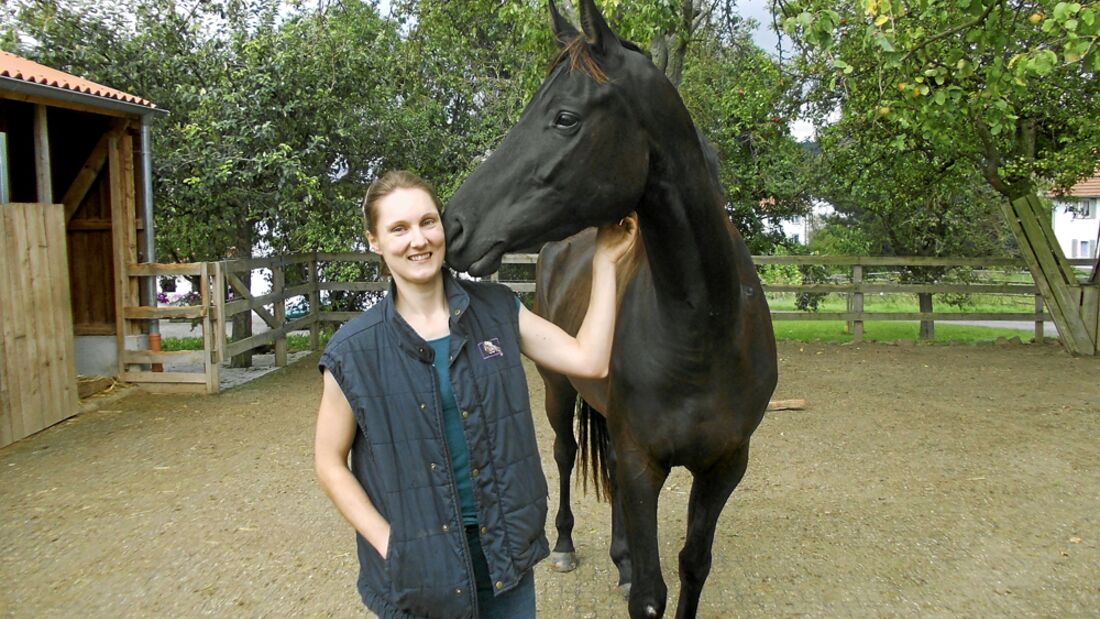
Surrounded by horses since she was a child, her love for them led her to dedicate herself professionally to the study of horses and their world.
In 2003 she studied Animal Science and in 2007 Animal Behavior and Welfare. She then specialized in equine behavior and horse breeding at the University of Guelph, Canada. She earned her master's degree with her studies in animal genetics and horse breeding.
After returning to Germany in 2008, she began teaching equine science at the University of Göttingen.
His research focuses on the interaction between horse and rider, especially the physiological aspects of stress and horse welfare in housing systems.
He participated in the founding of the International Society for Equitation Science (ISES) and also continues to conduct research for this eminent institution that promotes knowledge about equine behavior and training.

In collaboration with scientists Andrew McLean, Paul McGreevy and Janne Winther Christensen, Dr. König von Borstel is co-author of the second edition of Equitation Science. A fundamental work that integrates learning theory into horse training, while focusing on the welfare and natural behavior of equines.
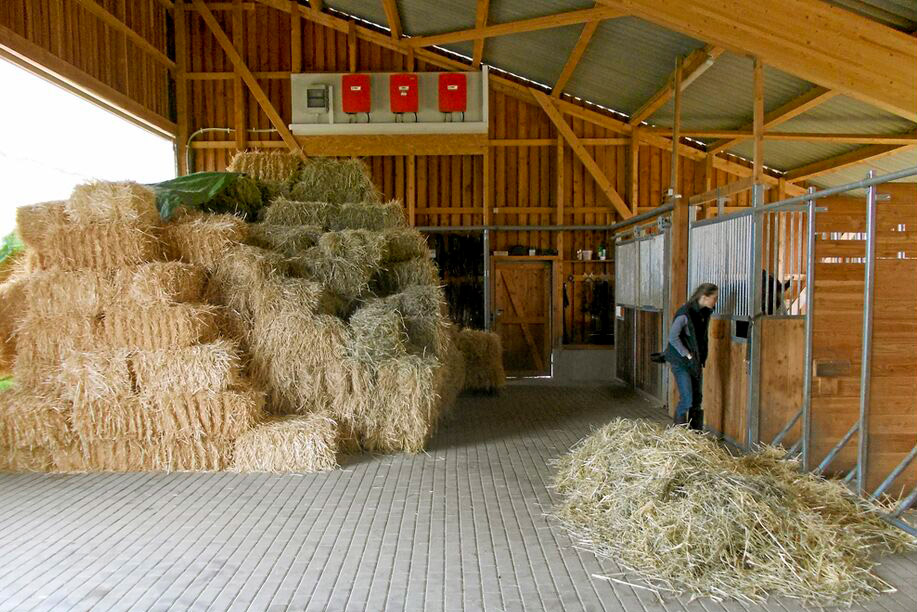
She is currently chair of Animal Breeding and Biology at the Justus-Liebig University in Giessen. On her farm, she puts into practice the theories she teaches at the university, applying them to the breeding of her Hanoverian horses.
Interview with Professor Uta König von Borstel
Professor König, how did your love of horses begin? Did this love influence your choice of academic training?
I can't remember when it began. This love and fascination for horses has been with me for as long as I can remember. And yes, at the beginning it was very difficult for me to decide. I didn't know if I should study something related to animals, plants or even minerals, or if I should specialize in cattle or horses.
However, all my friends, family and teachers were very clear about it: I was going to dedicate myself to animals and, specifically, to horses.
At that time, I loved horses, I practised equestrian sports and I was a great enthusiast, but I wasn't sure I wanted to dedicate myself to them professionally. Now I know that my friends were right and today I have the luck and the privilege of being at this point where I can't separate my hobby from my profession.
When and why did you decide to dedicate yourself to horse breeding and why to the Hanoverian breed?
My parents, who were farmers, liked horses, and my grandparents and great-grandparents were horse breeders, so I guess an interest in these animals is in my genes.
Furthermore, I was born in Celle, in the state of Lower Saxony (Germany), a place with a great equestrian tradition, mainly for Hanoverian horses. I grew up in a nearby village where there is, among other things, a performance testing center for stallions, and I spent a lot of time with the horses of a family friend who just happened to breed Hanoverians.
So the first horse I rode was a Hanoverian and it is the breed I grew up with. I like their athletic ability and versatility, and also the way they are connected to my family history.
When I settled with my husband on his farm, after having lived for several years in different countries, I felt that the time was right to start breeding my own horses again. Although I also really like Icelandic horses, my husband and my father-in-law prefer large horses. According to them, these are “real” horses. So, in a way, I had to “give in”.
Our first mare was a wedding gift from my husband. She was a beautiful Hanoverian filly, very elegant, but with a lot of Trakehner blood and Arabian roots.
Why do you think it is important for breeders to apply the knowledge provided by the science of horsemanship?
Horse breeding, particularly in Germany, is very much based on tradition. Except in a few cases, breeders are very reluctant to accept new knowledge and if they do accept it, they are very slow to do so.
For example, a horse's ease of riding is one of the most important traits for riders and, therefore, also for horse breeders.
However, it is very difficult to objectively evaluate this trait for several reasons, as it is directly related to the (subjective) perceptions of the rider. In addition, there is a lack of objective evaluation criteria and judges lack the tools to distinguish between training results and the effects of innate characteristics that determine the horse's rideability.
We could make a much better selection of this trait if we used more objective criteria and evaluation methods.
Similarly, with respect to other characteristics, horse breeding could be improved if we could better distinguish between the effects produced by the rider and the innate abilities of the horse. The science of horse riding can contribute greatly to better differentiate these effects.
Is there a real commitment to this knowledge on the part of breeders as a whole?
No.
What are the objectives in breeding your horses?
Depending on their movements and their personality, I try to breed healthy, balanced horses with a high athletic ability.
That they are particularly suitable for high-level dressage, but that, at the same time, they can be used in other disciplines such as competitions, show jumping or trail riding.
Despite the genetic antagonism that exists between dressage and show jumping, I don't think it's a good idea to focus on a single discipline, especially dressage. Because, over time, we will have horses that are highly specialized in one thing, but that are not useful for other things.
From an ethical point of view, this is a problem, since the vast majority of riders are not highly specialized and prefer to have a versatile horse, and that already creates conflicts between the rider and the horse.
On the other hand, this very specific type of breeding leads to health problems. Furthermore, originally, classical dressage was never intended as an end in itself, so in a way it is a bit of a paradox that nowadays there is a need to breed horses specialized in this discipline.
At what age do you consider it appropriate for the foal to stop feeding from its mother?
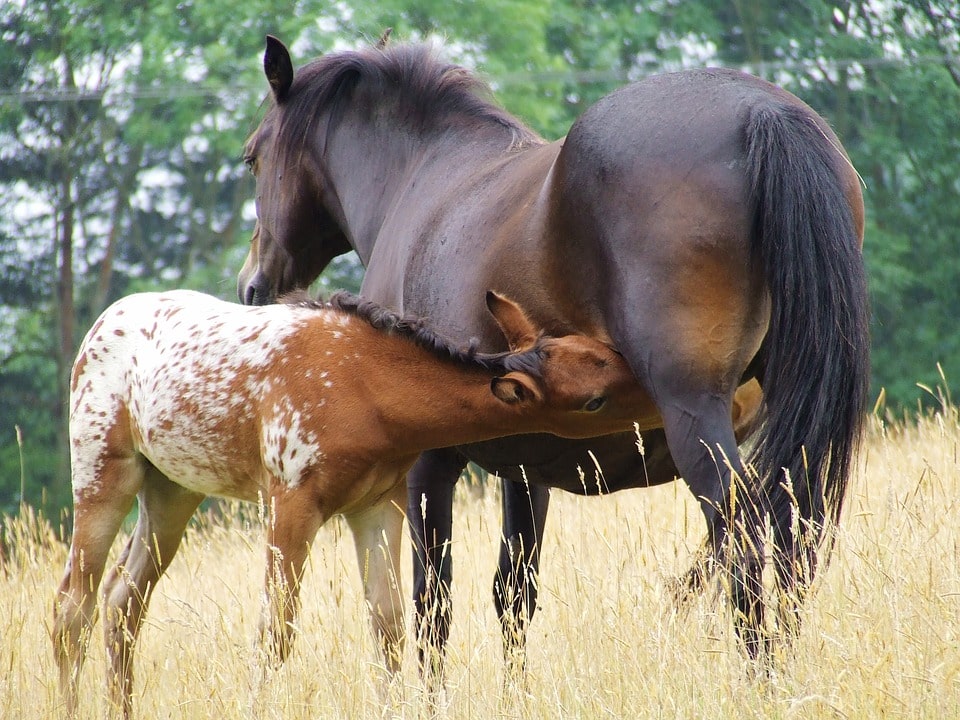
It is difficult to answer that question in general terms. Weaning must take into account the resources we have for the foal, the mare and the future offspring, in case the mare is pregnant. We also have to think about the conditions in which we are going to raise these animals.
If the mare is healthy, in good condition and not pregnant again, she can be left with the foal for about a year without any problems, especially in regions where it is possible to keep them outside or in a spacious enclosure, even during the fall and winter.
On the other hand, most of our research has failed to show that early weaning is counterproductive, even if it is done at 4 months.
However, I don't think this is enough to prove the lack of differences in stress level, but rather it is due, for example, to the lack of comparability of stress responses at different ages.
So, under normal circumstances, I would not recommend weaning foals before 6 months of age.
In my experience, nature is wise and there is a reason why animals evolved in this way. For example, in the case of wild mares, they breastfeed their young for approximately a year until the next foal is born, as long as the mare's nutritional status allows it. The measures that we humans take almost never manage to outrun evolution in this sense.
Therefore, I personally do not wean our foals before approximately one year of age. And I do not breed the mares every year, to avoid the foal having to compete for resources with the new embryo.
How important is the way a horse is raised and used in terms of its health and well-being?
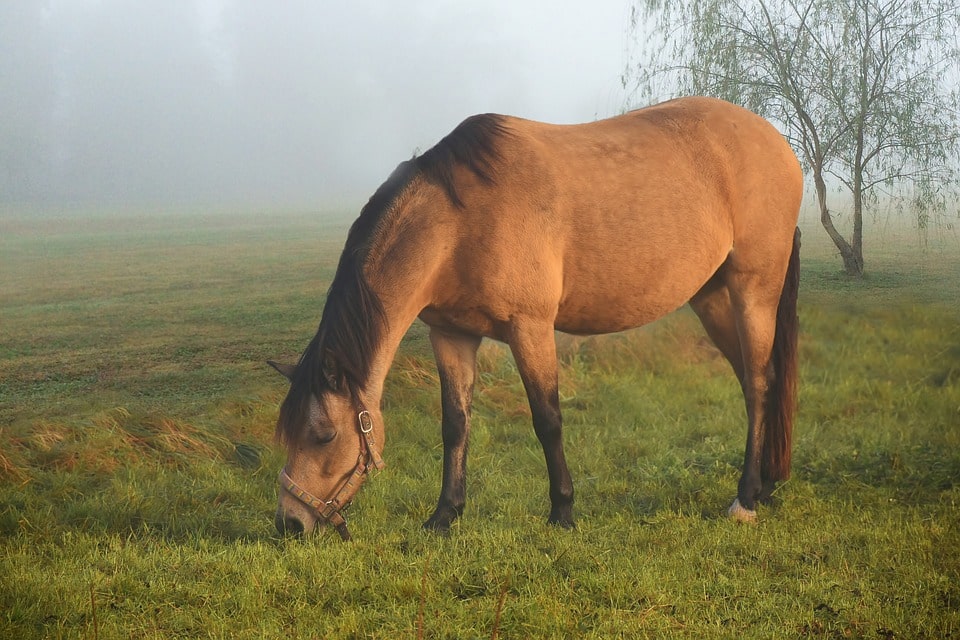
The way a horse is raised determines its state of health and its character. For example, a young horse needs to be raised with other horses in order to fully develop its social skills. And, if possible, the group should be large to include horses of different ages.
Furthermore, it is very important that young horses get the physical exercise necessary to develop a healthy and strong skeletal system.
In horses that live in a group in a stable, it has been proven that the amount of exercise they get when grazing is too low for optimal skeletal development, and that if we increase this amount, the results will be very favorable.
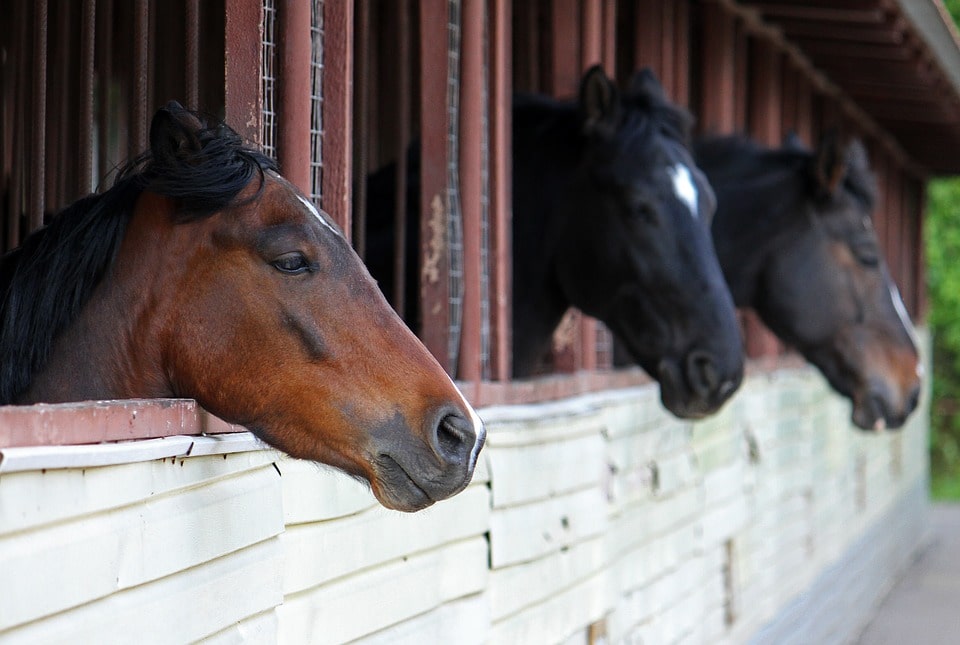
What we should never do is keep a young, healthy horse in an individual stall, as this is detrimental to both its physical and mental health.
In your opinion, what are the most important challenges that horse breeders should pay attention to?
For that question, there are as many answers as there are horse breeds:
- For some breeds, the biggest challenge is managing genetic diversity and avoiding hereditary diseases.
- While the problems faced in other breeds are phenotypes that are too extreme, the risks that these pose to their welfare and the risk of social disgrace.
- In practice, the economic factor also represents one of the biggest problems for many horse breeders.
Personally, I also believe that breeders should make an effort to ensure that the people who buy their horses are going to adopt good training methods and keep their horses in good conditions that guarantee their welfare.
Horse genetics
Have you used cloning or embryo transfer techniques in your breeding program?
So far I haven't used them on our horses. In fact, these techniques are much less common in the equestrian world and less accepted in our society than in South America, for example.
However, we do use them with cattle from time to time. For our wedding, I gave my husband a package of dairy cow embryos. Unfortunately, only one calf was born from that package of six and, to make matters worse, it was a male. Mind you, today he is a great cattle breeder who has won awards in the national rankings.
In horse breeding, does inbreeding occur in any particular breed, or is it an isolated phenomenon?
Inbreeding can be defined simply as reproduction between related individuals. Thus, depending on how far back you go in the pedigree, inbreeding is present in any horse population.
What percentage of inbreeding can be considered a problem and what do you recommend in these cases?
In science, we say that an increase of more than 1% per year in a population should be avoided, but of course this number does not mean much to the individual breeder.
In practice, many more factors must be taken into account, such as the total size of the population, the general state of health, the prevalence of hereditary diseases, etc.
Currently, the best solution that science has is the use of breeding programs that minimize inbreeding. It is recommended that matings be carried out based on the theory of optimal genetic contribution. However, the problem is that when we try to avoid inbreeding, the degree of kinship increases in the next generation, so that in that second generation it will be even more difficult to avoid it.
In those horse populations where inbreeding is a problem, either because breeders consider it good practice or because of the small size of the population, breeding associations should make use of the aforementioned mating programs.
These programs will minimize inbreeding for several decades and help breeders find optimal stallions for their mares. They will even be able to set limits on the maximum percentage of inbreeding allowed for a given mating.

Does the horse's genetics influence its behavior, or does it depend more on the type of training and handling of the horse?
Selection to modify equine behavior (for example, to achieve more docile animals) was what drove domestication. It is therefore not unusual for most behavioral traits to be something that is inherited and, therefore, can be modified quite easily through selective breeding, provided that objective methods of evaluation and selection are used.
However, the environment, that is to say, the way in which we breed, train and interact with horses, has a much greater influence on behavior.
The behavior of the horse
Could you summarize how horses learn to give safe responses to the rider's aids?
Firstly, it is important that the horse feels safe and comfortable with the new things we teach it when giving it a new aid, so we must select a place that is familiar to it and where it can be close to its herdmates.
Only when the horse is relaxed but attentive can it try out new behavioral responses without showing flight or even dangerous fighting reactions.
- I recommend starting to teach the horse some very basic responses from the ground, such as stopping or starting forward, so that the horse can be kept under control in different situations. Ideally, the same signals (in the case of tactile signals) should be used from the ground as will be used when riding the horse. Or at least very similar signals. Once the rider is on the horse, it is much easier for the horse to know what is required of it. This results in less confusion and therefore fewer dangerous situations. At first, we may have to put the horse in certain situations to get the correct response to a signal.
- In other training sessions, we will begin to accustom the horse to a series of stimuli associated with riding, such as wearing the saddle or the girth. Later we should add some weight on the back. This habituation should be done gradually to avoid fear-induced reactions.
- Once the horse no longer shows any reaction to the saddle and the rest of the equipment, and we have it under control of the basic stimulus to get it to stop, move forward and turn from the ground, we can ride it and work from there with the signals it already knows.
At all stages it is important to respect the principles of learning theory.
For example, eliminate pressure if the horse shows the correct response and divide the entire learning process into different steps to make it easier for the horse. In this way, we will gradually shape the responses until we get the definitive response.
If we also add positive reinforcement to the work, rewarding with a caress or food, we will increase motivation and encourage a positive attitude.
What responses do horses have to fear? Is it possible to control these responses through training?
Horses respond to fear both behaviourally and physiologically, and these responses depend very much on the animal and the situation.
In any case, however, it is perfectly possible to control them through training:
- Direct habituation to fear-inducing stimuli is very effective, although at first it is advisable to limit oneself to similar stimuli.
- Training the horse to respond well to our signals is also very effective, because a horse that is under the control of the stimulus of our aids will not be so easily distracted by the stimulus of fear and will instead concentrate on our signals.
Some research indicates that horses that are trained to adopt a certain attitude normally associated with calm behavior also respond physiologically with lower levels of fear when asked to adopt the same attitude in a situation that frightens them.
Are horses' cognitive mechanisms advanced? Can we say that horses feel and think?
Yes, of course. We know for certain that horses can experience different emotions. Horses can also think, although at an evolutionary level it is very different compared to humans. Horses may not be able to reason, at least not to the same extent as we can, but, for example, they are able to process memories and obtain information from them.
What factors influence the cognitive and social abilities of horses?
These abilities are complex traits and are therefore influenced by a wide variety of genetic and external factors.
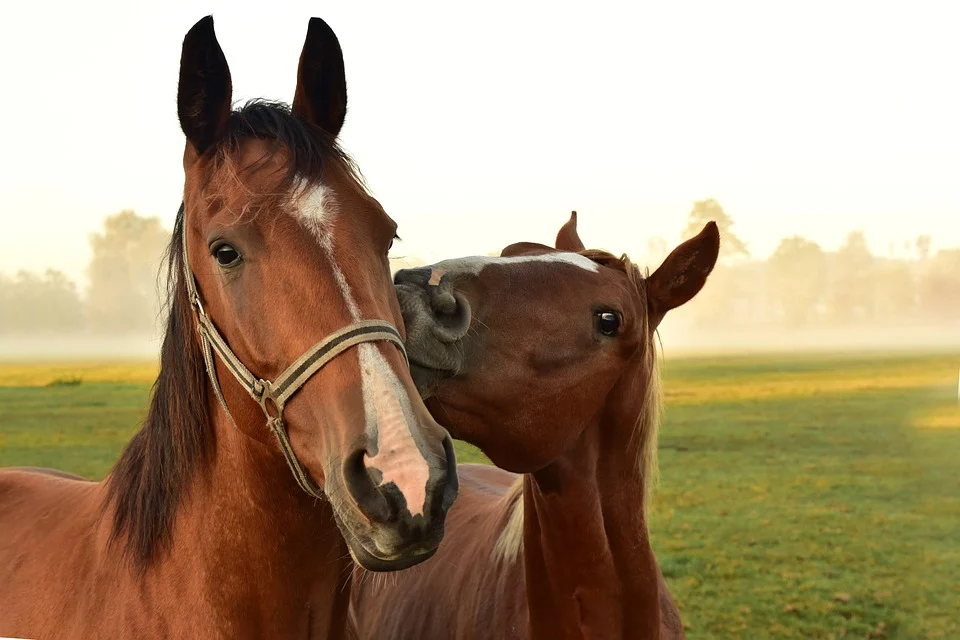
In addition to the predisposition of the breed and the genetic makeup of each individual, there are other external factors that have a significant influence, such as experience, especially that acquired at an early age with other horses and with humans.
In general terms, a rich and diverse environment allows for the development of solid cognitive and social skills. In the case of young horses, this involves living in a group and going out to graze as much as possible.
It has also been shown that horses are capable of “learning to learn”. Therefore, it is advisable that we, as humans, are in contact with young horses and set them different learning challenges. This can be useful to them later on, when they have to learn things related to riding.
Does the use of certain bits and the handling of the reins influence the horse's detection of trigger points and pain?
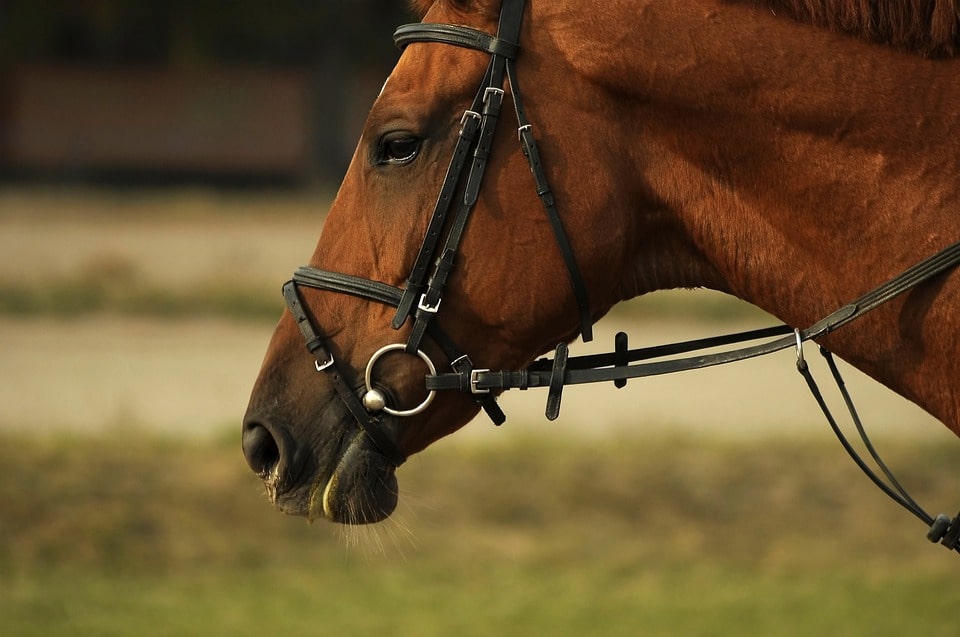
In our research we have not found any major differences in trigger points with respect to different bits.
These studies showed that there are no differences in the voluntary acceptance of rein tension when using different bits and bridles without a bit, unless the bridles were much harder (i.e. with a hard, thin noseband or bits with leverage action).
However, depending on how we hold the reins, the horse perceives the differences. Horses ridden by riders who maintained less stable contact with the reins showed many more reactions to trigger points, and riders who held the reins in one hand managed to hold them more stably.
What makes the difference is not so much the equipment but the way we, as riders, act on the horse.
We also saw that riders who use a type of bridle that prevents the jaw from opening (i.e., bridles that have a noseband as in the case of dressage, for example) ride with greater tension on the reins. This affects the welfare of the animal, since in this case the only way for the horses to avoid the pressure is by (hyper) flexing the neck.
In riding schools, you often hear the expression: “This horse is lazy, it doesn't like to work.” Are horses lazy or is this behavior linked to the way they have been trained?
Biologically, horses have evolved to travel long distances, but at the same time to save energy. However, if given the choice, they prefer to avoid unnecessary travel, especially at a faster pace, but, if necessary, they can move with total ease at a greater speed and over longer distances.
Therefore, a healthy and well-trained horse should move forward willingly and continue to do so unless asked to do otherwise.
In my experience, when they say a horse is lazy, especially when it has not been before or when it is lazier with a rider than when it is moving freely, it is because it is in pain.
For example, poorly trimmed hooves, unsuitable shoeing, a badly adjusted saddle and countless less obvious conditions can cause the animal pain, more or less permanent, and this situation can worsen when the horse moves with the rider on it.
Poor training can also be the cause of that pain or frustration, or the horse may have become desensitized to the rider's aids. Depending on their character, some horses become difficult to ride, but many others simply respond reluctantly, which we perceive as laziness.
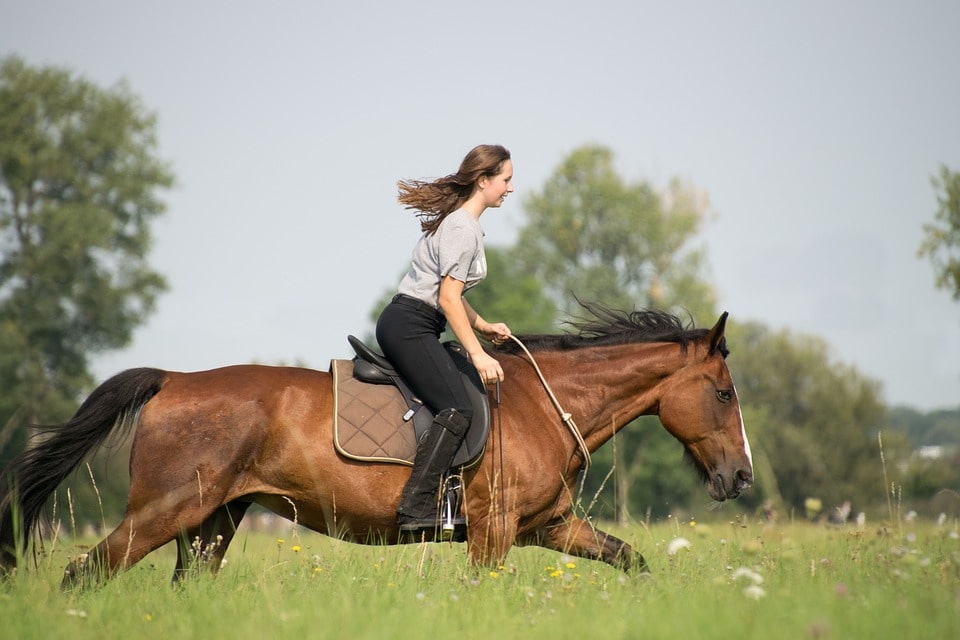
How can we determine which horse is the easiest to ride? What determines a horse's ease of riding?
(Laughter) This is one of the questions in the research and I've been working on it for about 10 years, and so far, I haven't found a single answer...
Many aspects have to be taken into account: the horse's ability to understand and learn our signals; its character with respect, for example, to the way it reacts to our mistakes or external disturbances; its conformation and the way it moves (for example, how the structure of the pastern influences it); how sensitive, balanced and flexible the animal is, etc.
For example, the appearance of certain patterns of behavior and tension in the reins can be very useful for us to measure more objectively the interaction between horse and rider, but, of course, this comprises only a small part of what the horse's riding ability would be. In addition, we would have to differentiate very well between the effects of the rider and the effects of the horse, and this is difficult in practice.
Dressage and training of horses
Apart from breeding horses, you also train them. At what age do you start training the horses you have bred?
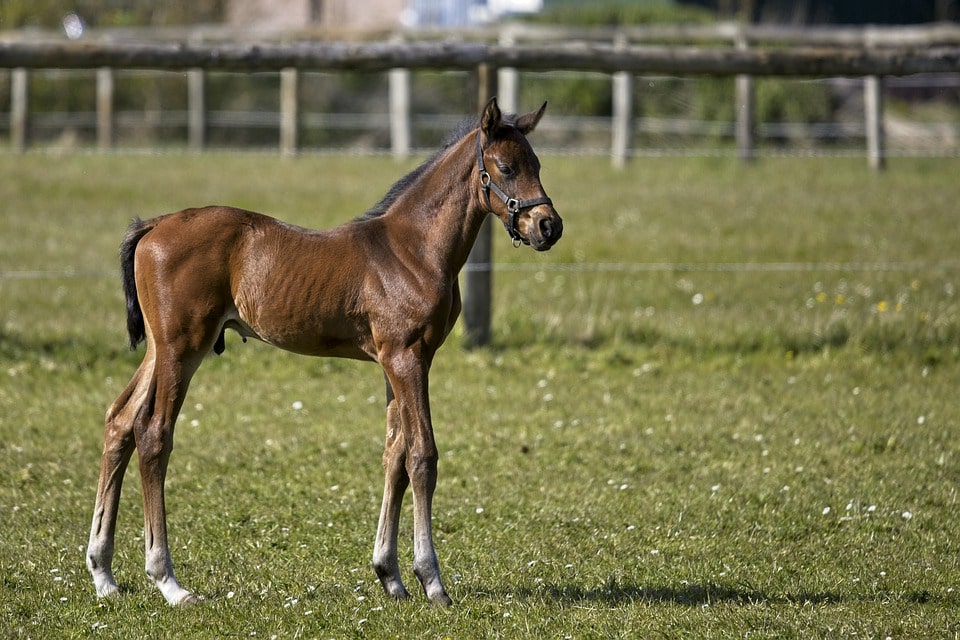
Horses learn from each and every interaction they have with us. So, in reality, I start training them from the first day of life. Or even earlier, as I handle and train the mares, and the relationship they have with us greatly influences the attitude the foal will have towards humans.
When I carry out the different daily tasks, such as cleaning the stable, if there is a foal in the way, I ask it to move back or turn left or right, applying pressure with my hand. If possible, on the same areas of the body that will later be used when riding.
In this way, the foals start from the beginning to incorporate the concept of yielding to pressure and when I start riding them, it is much easier for them to learn to step back or turn.
Do you do any work on them by hand (not mounted) from an early age?
Yes, as I explained earlier, I start at a very young age, although I do it in a more playful way than in the planned training sessions. For that reason, I demand very little of them and in a very gradual way.
Furthermore, given that I often work alone with our horses, I have the advantage that they are already quite familiar with some basic aids, such as stopping, walking or turning, before I ride them for the first time. As well as the stimuli that can scare them during riding.
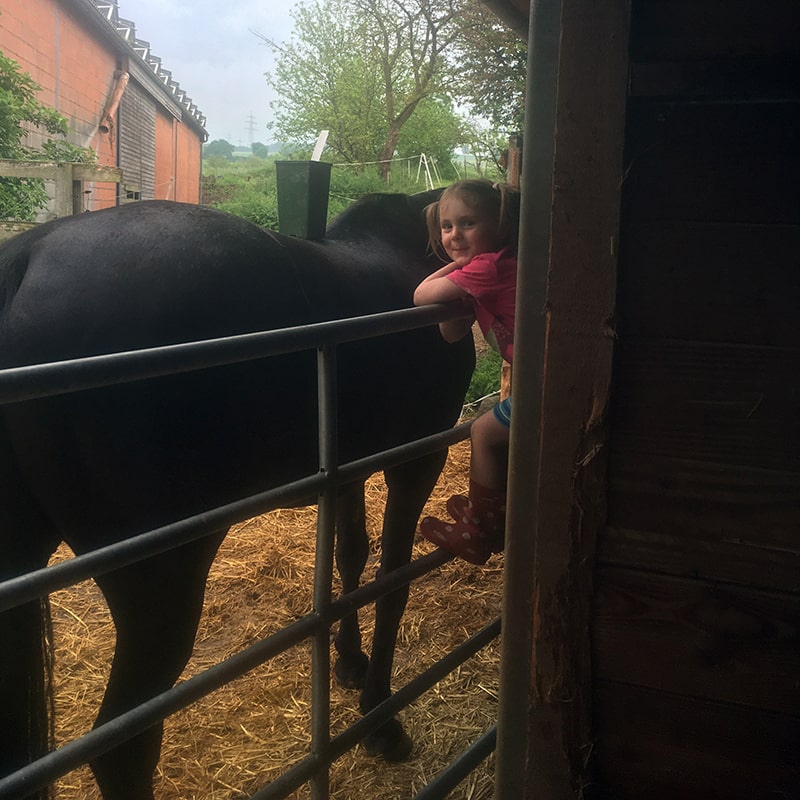
For example, the other day our 4-year-old daughter climbed a fence and when I realized it, she had placed a pot - made of plastic - on the back of a young mare. Obviously, for the safety of our children, I do not recommend doing this, but these things happen. And in this way or similar ones, our horses learn from the beginning not to be afraid if something touches their backs or falls on them.
When the pot finally fell to the ground, the filly simply looked at it because it wasn't the first time something like this had happened to her. That way, it's not stressful for the horse when they start riding it and it's much safer for me.
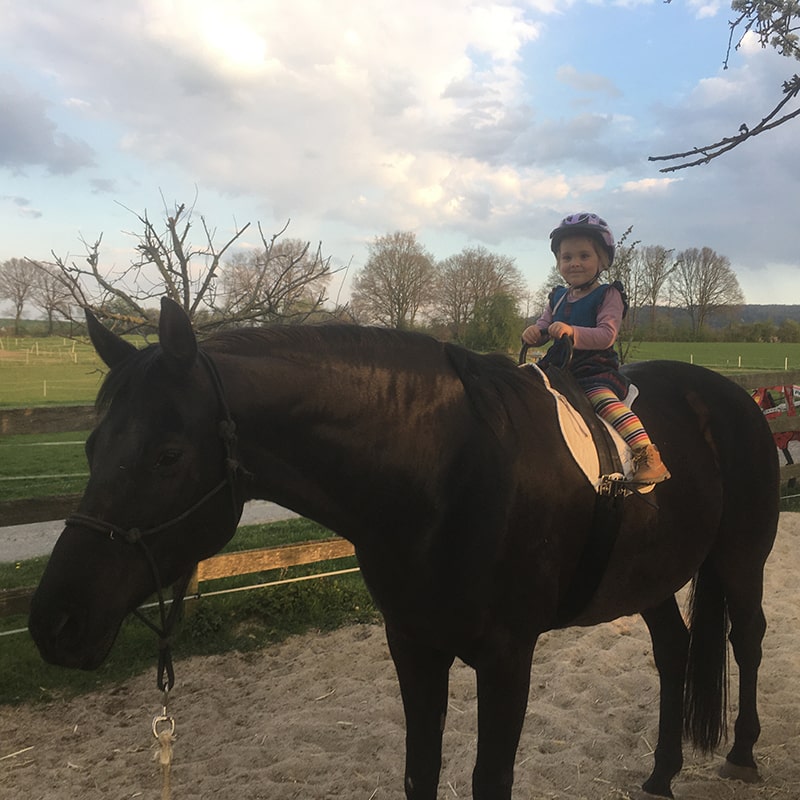
As I start so early, I can divide the teaching process into very small steps, adding first the saddle, later the rider on the back, and so each new stimulus is added to those already known.
*Judges and riders in equestrian competitions look for a certain position of the horse's head and neck. How can this position be achieved without interfering with its behavior?
Ideally, a horse should be trained without pigeonholing it into a particular activity, but rather letting it discover for itself which activity it feels most comfortable with. If we carry out the right training, as the horse progresses and settles in, we will most likely get the results we want.
However, this process can take time and many riders want the horse to look perfect right away, and a certain head and neck position tends to impress judges or the public.
In these cases, instead of forcing the horse with the reins or other equipment to achieve a desired posture, what riders should do is use techniques to achieve these postures gradually with specific aids to mark these changes in the head posture.
What influence do the different equestrian disciplines, such as Western riding or dressage, have on the horse's learning capacity and its behavior when it is ridden?
In each discipline there are different approaches to teaching riders how to communicate with their horse, and these approaches probably have to do with the origins. For example, disciplines related to work or inspired by art.
From what I have observed, in Western Riding, communication with the horse is broken down into fairly simple steps and aids that both horse and rider can easily distinguish. This makes the basic concepts relatively easy for a novice rider to learn. This reduces the likelihood of riders giving contradictory aids that may confuse or stress the horse.
In other styles of riding, the emphasis tends to be on the art of riding and a lot of stress is placed on the complex interaction of different aids. This makes it much more difficult for a beginner rider to learn the basic signals for controlling a horse, which often results in greater confusion, or even stress, and inappropriate punishments for the horse.
On the other hand, when a rider finds equestrian theories easy to follow, the horse can learn faster and remain calmer because the rider asks for things in a clearer way.
Furthermore, there are different disciplines that tend to place more emphasis, for example, on relaxed and calm behavior, and not on agitated and overexcited behavior, which results in a different level of relaxation, and in turn also influences the horse's ability to learn new tasks.
Activities in equestrian tourism
Have you ever enjoyed a horse riding vacation in any country?
No, in fact, the last time I took a vacation for more than 2 days was almost 20 years ago. But thanks to my job I get to travel to other countries quite a bit and visit some amazing equestrian facilities.
In addition, I have lived and worked with horses in several countries such as Iceland, Sweden and Canada, which are places that many Germans often go on vacation. This job also includes many activities such as herding sheep on horseback, that is, activities that others would like to do on their vacations.
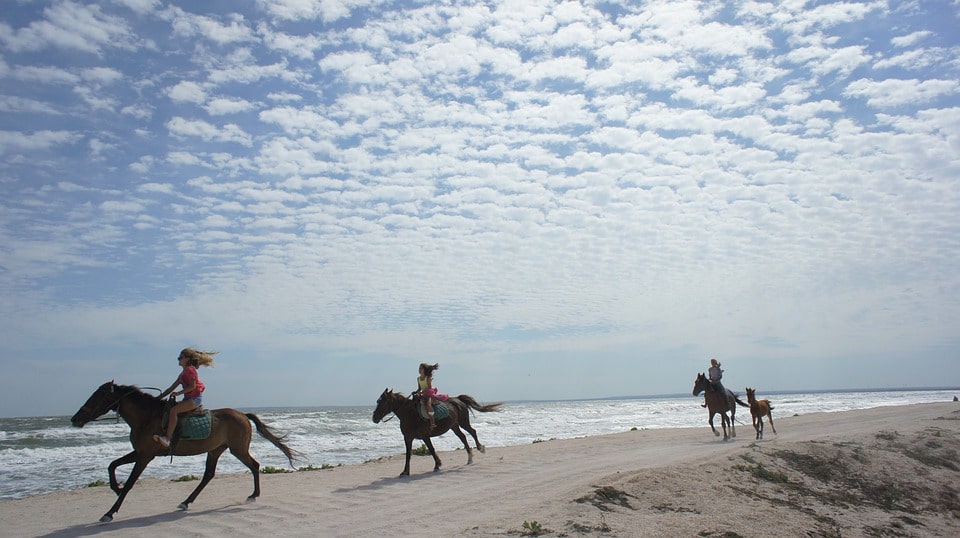
What do you consider to be the best horse breeds for equestrian tourism?
I wouldn't choose a particular breed. Depending on the type of terrain and activity, the demands are different, but what matters most is that the horses have a calm character, that they are gentle, resistant and safe, with a lot of patience to tolerate the riders' mistakes.
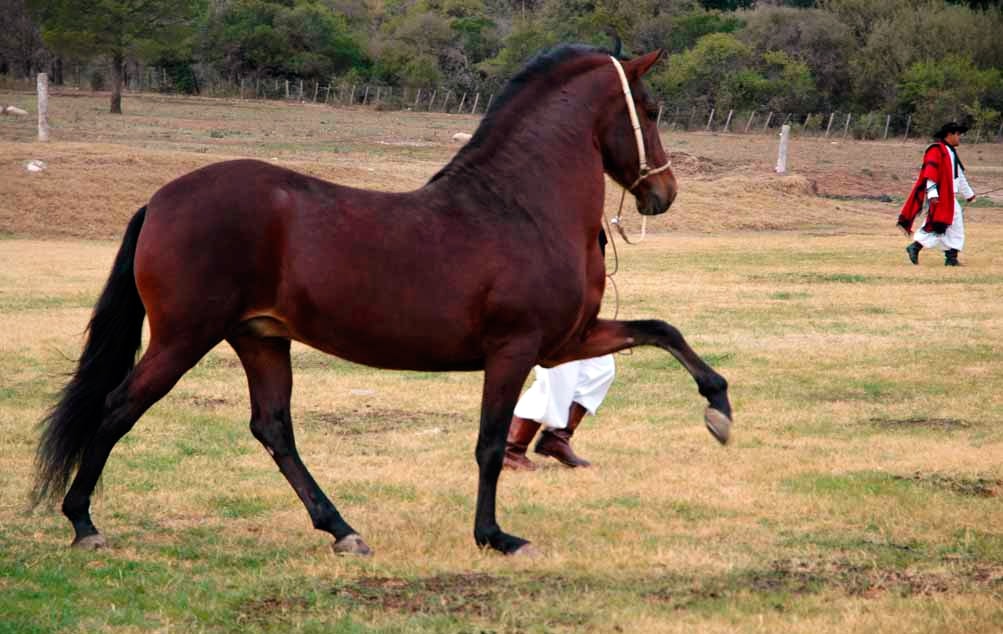
And I think Peruvian Paso horses meet all these requirements!
I see you know Peruvian Paso horses, have you ever ridden them?
Yes, of course, I've heard of them. I've been asked for advice on demyelinating suspensory ligament, a hereditary disease that unfortunately affects Peruvian horses in particular.
Unfortunately, I haven't had the opportunity to ride one yet, but of course I'd love to try them. Knowing other paso horses, I can imagine how good they must be to ride!
Do you know Argentina? Would you like to ride a Peruvian Paso horse in Argentina?
Not yet, but I've wanted to go to Argentina for a long time (I love tango!). Travelling through Argentina on a Peruvian Paso horse seems like the perfect combination to me.
Acknowledgements and conclusions
Many thanks to Dr. Uta König von Borstel for sharing her knowledge with us.
It is a privilege to have discovered how studies in the science of horsemanship can help improve the welfare of horses.
Let's hope that these studies and their results are shared as soon as possible with breeders, people involved in equestrian tourism and horse riding enthusiasts. In this way they can put them into practice and improve the welfare of horses and the relationship between horse and rider.
Continúa leyendo
Este artículo es exclusivo para miembros.
To view this blog, please complete the form
Access full content
Comments (0)
No comments yet.



Comments
Leave your comment